What is minimalist interior design and why does it matter today?
Minimalist interior design is a design approach focused on simplicity, function, and intentional living. It removes the unnecessary and keeps only what serves a clear purpose—visually, practically, or emotionally. In a world filled with constant noise, visual clutter, and fast consumption, minimalism offers calm and clarity.
The problem many homeowners face today is not a lack of space, but too much stuff. Overfurnished rooms, mismatched décor, and poor layout choices often create stress rather than comfort. According to a UCLA study on American households, high levels of household clutter are directly linked to increased stress levels, especially in living spaces.
The solution is not extreme emptiness. Modern minimalism focuses on balance. Clean lines. Neutral tones. Thoughtful furniture placement. And most importantly, clutter-free living that supports how people actually live.
This guide breaks down minimalist interior design using practical examples, real data, and actionable strategies. Each section answers a specific search-style question, with clear takeaways you can apply immediately—whether you’re redesigning one room or an entire home.
How does minimalist interior design solve modern living problems?
Short answer: It reduces visual noise, improves functionality, and creates spaces that are easier to maintain.
Modern homes often struggle with overcrowding—not because they are small, but because they are poorly planned. Extra furniture, decorative items without purpose, and inefficient layouts create friction in daily life.
Minimalist interior design addresses this problem by applying three core principles:
- Function before decoration
- Fewer, better-quality items
- Clear visual hierarchy
A case study by IKEA’s Life at Home Report found that people living in simplified, organized spaces reported higher satisfaction with their home environment and better focus during daily tasks.
Minimalism does not mean living without personality. It means designing with intention.
What are the core principles of minimalist interior design?
Short answer: Simplicity, function, balance, and intentionality.
Minimalist interior design is built on systems, not trends. These principles stay relevant across time and cultures.
1. Simplicity in layout
Rooms are designed with clear pathways. Furniture is placed to support movement, not block it. Every item has breathing room.
2. Functional furniture
Minimalist spaces favor furniture that serves multiple purposes. Storage beds, modular sofas, and wall-mounted shelves reduce clutter without sacrificing comfort.
3. Limited color palette
Neutral tones such as white, beige, gray, and muted earth colors dominate. This reduces visual fatigue and creates cohesion.
4. Intentional décor
Décor items are selected carefully. Instead of many small decorations, minimalist interiors often feature one or two statement pieces.
These principles form the foundation of both classic minimalism and modern minimalism.
How is modern minimalism different from traditional minimalism?
Short answer: Modern minimalism is warmer, more flexible, and more livable.
Traditional minimalism often leaned toward stark white rooms and strict rules. Modern minimalism adapts the philosophy to real life.
| Traditional Minimalism | Modern Minimalism |
|---|---|
| Cold, rigid spaces | Warm, comfortable environments |
| Very limited textures | Natural materials like wood and linen |
| Strict visual rules | Flexible, lifestyle-focused design |
Modern minimalism allows for soft textures, indoor plants, and personal items—as long as they serve a purpose or bring value.
Why does clutter-free living improve mental well-being?
Short answer: Less clutter reduces cognitive overload and stress.
Research published in the journal Personality and Social Psychology Bulletin shows that cluttered environments can increase cortisol levels. This affects mood, focus, and sleep quality.
Clutter-free living supports mental clarity by:
- Reducing decision fatigue
- Improving focus and productivity
- Creating a sense of control
Minimalist interior design naturally supports clutter-free living by limiting what enters the space in the first place.
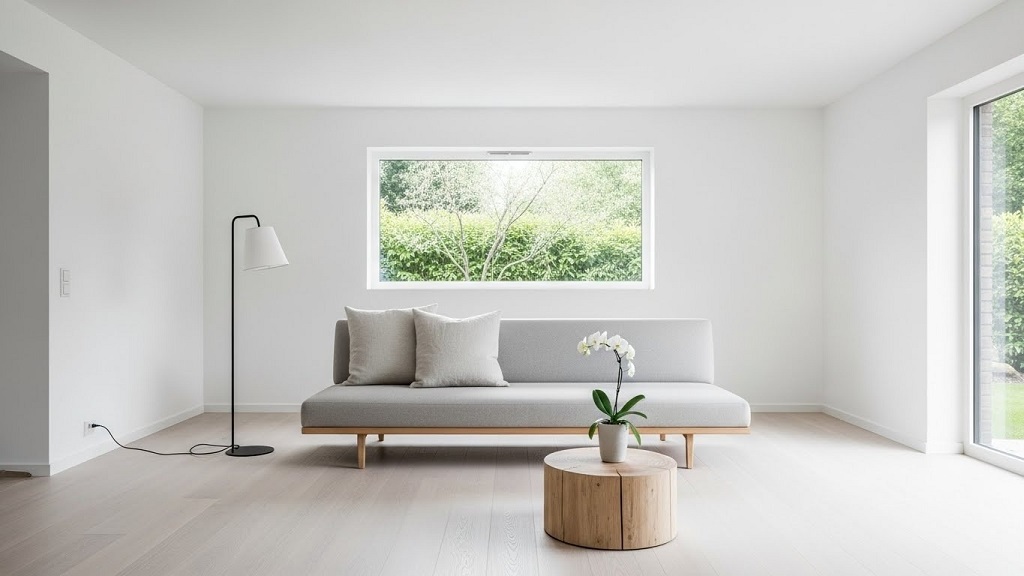
How do you design a minimalist living room?
Short answer: Start with layout, then choose fewer, high-impact pieces.
The living room is often the most cluttered area in a home. Minimalist design brings structure and calm.
Step-by-step approach:
- Remove non-essential furniture
- Anchor the space with one main seating piece
- Use hidden storage to reduce visible clutter
- Limit décor to one focal point
A well-designed minimalist living room improves flow and makes the space easier to clean and maintain.
How does minimalist interior design work in small spaces?
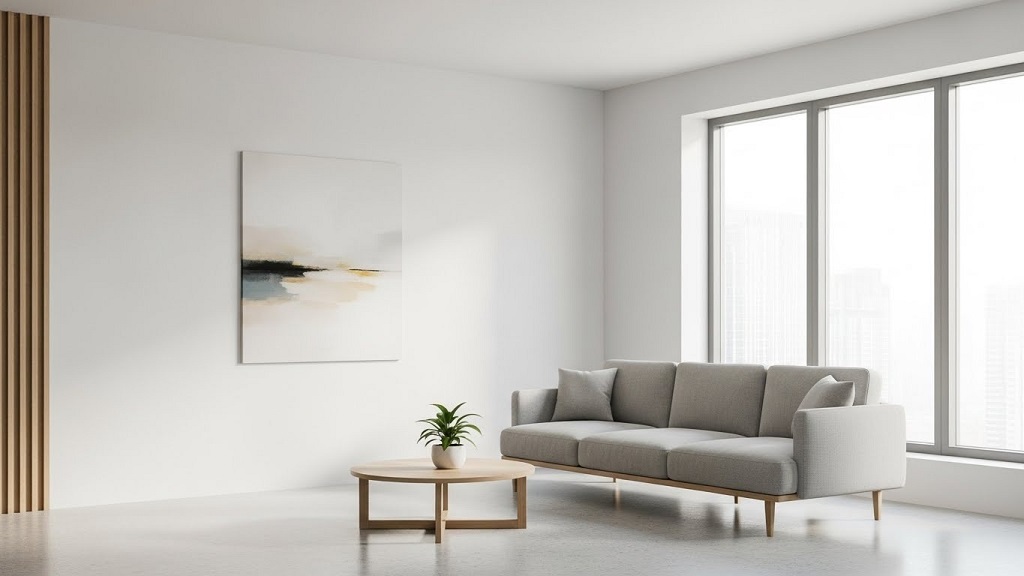
Short answer: It maximizes usable space by eliminating excess.
Minimalism is especially effective in apartments and small homes. According to real estate data from Zillow, staged minimalist interiors often appear larger and sell faster.
Key strategies include:
- Wall-mounted furniture
- Light color palettes
- Open shelving with restraint
Minimalist interior design turns space limitations into advantages.
What materials and textures define minimalist interiors?
Short answer: Natural, honest materials with simple finishes.
Minimalist interiors avoid artificial-looking finishes. Common materials include:
- Wood
- Concrete
- Glass
- Metal
Textures add depth without clutter. Linen curtains, wool rugs, and matte surfaces are common in modern minimalism.
How does lighting support minimalist interior design?
Short answer: Lighting shapes mood and defines space.
Minimalist spaces rely heavily on lighting rather than decoration.
- Natural light is prioritized
- Layered lighting replaces decorative clutter
- Simple fixtures with clean lines are used
Proper lighting makes minimalist interiors feel open rather than empty.
Is minimalist interior design expensive?
Short answer: Not necessarily. It often reduces long-term costs.
While some minimalist furniture pieces are premium-priced, the overall cost is often lower due to fewer purchases.
A consumer spending analysis by Statista shows that households practicing minimalism tend to spend less on home décor over time.
Minimalism prioritizes quality over quantity.
Why minimalist interior design is a long-term lifestyle choice
Minimalist interior design is not about empty rooms or strict rules. It is about creating spaces that support daily life. By focusing on function, balance, and intentional choices, minimalism solves real problems caused by clutter and poor design.
As homes become multifunctional—serving as workplaces, relaxation zones, and social spaces—the need for clarity in design becomes more important. Modern minimalism offers that clarity without sacrificing warmth or comfort.
If you want a home that feels calm, is easier to maintain, and adapts to your lifestyle, minimalist interior design is a practical solution—not a trend.
Call to Action: Start small. Choose one room. Remove what you don’t use. Design around how you live. And experience the impact of clutter-free living firsthand.
Frequently Asked Questions About Minimalist Interior Design
What is minimalist interior design in simple terms?
Minimalist interior design focuses on using fewer elements while maximizing function and visual clarity. It removes unnecessary items and emphasizes purposeful design.
Can minimalist interior design still feel warm?
Yes. Modern minimalism uses natural materials, warm lighting, and soft textures to create comfortable and inviting spaces.
Is minimalist interior design suitable for families?
Yes. Minimalist homes are easier to organize, clean, and adapt for family needs, especially with smart storage solutions.
How do I start clutter-free living?
Start by removing items you don’t use. Focus on keeping objects that serve a function or add clear value.
What colors are best for minimalist interiors?
Neutral tones such as white, beige, gray, and muted earth colors are most commonly used in minimalist interior design.
Does minimalist interior design work in small apartments?
Yes. Minimalism is highly effective in small spaces because it maximizes usable area and reduces visual clutter.
Related Topics: Choosing the Right Tradespeople for your Building Project
Related Topics: Dash Mini Rice Cooker: Features, Pros, Cons and Real User Experience