
The climate crisis is pushing scientists to explore bold solutions like solar geoengineering, a controversial method to cool the planet by reflecting sunlight. But could this intervention backfire, triggering dangerous tipping points in the climate system? This blog post dives into the science, risks, and uncertainties of solar geoengineering, focusing on its potential to disrupt Earth’s delicate balance. With rising global temperatures threatening irreversible changes, understanding these risks is crucial. We’ll explore how solar geoengineering might interact with tipping points, like melting ice sheets or shifting ocean currents, and whether it could create more problems than it solves. Join us as we unpack the science, weigh the pros and cons, and share insights to help you grasp this complex topic. Let’s navigate the fascinating yet uncertain world of climate intervention together.
What Is Solar Geoengineering and How Does It Work?
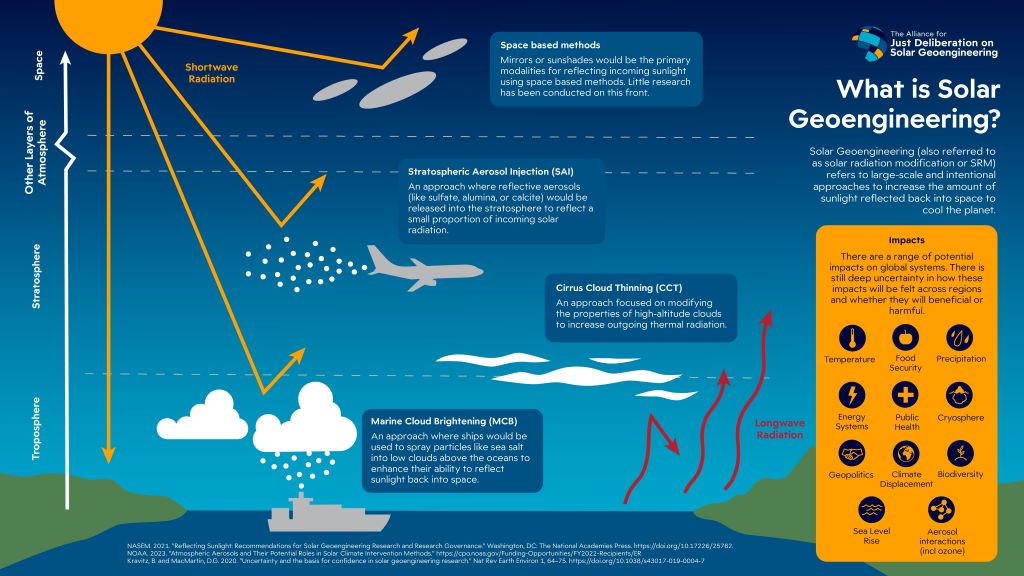
Solar geoengineering, also known as solar radiation management (SRM), involves techniques to reduce global warming by reflecting sunlight away from Earth. The most discussed method, stratospheric aerosol injection (SAI), mimics volcanic eruptions by injecting particles like sulfur dioxide into the stratosphere to create a reflective layer. Other approaches include marine cloud brightening, which enhances cloud reflectivity, and cirrus cloud thinning, which reduces heat-trapping clouds. These methods aim to lower global temperatures without cutting greenhouse gas emissions.
However, these techniques are not without challenges. They don’t address the root cause of climate change—carbon emissions—and their effects are temporary. Once started, SAI might need to continue for centuries to maintain cooling, according to a 2024 study by Harvard University. If stopped abruptly, a “termination shock” could cause rapid warming, disrupting ecosystems. Understanding how these methods work is key to evaluating their potential to manage or destabilize climate tipping points.
Understanding Climate Tipping Points and Their Risks
Climate tipping points are thresholds where small changes trigger irreversible shifts in Earth’s systems. Examples include the collapse of the West Antarctic Ice Sheet, thawing Arctic permafrost, or the shutdown of the Atlantic Meridional Overturning Circulation (AMOC). These events could lead to catastrophic sea-level rise, massive carbon releases, or disrupted weather patterns. A 2023 study by the Global Tipping Points Report suggests some tipping points may be reached by mid-century, even with emissions reductions.
The risks are profound. For instance, AMOC collapse could cool northern Europe while raising sea levels in North America. Permafrost thawing could release methane, accelerating warming. Solar geoengineering might delay these tipping points by cooling the planet, but it introduces uncertainties. If mismanaged, it could exacerbate regional climate shifts, making it critical to study its impacts carefully. This complexity underscores the need to balance intervention with emissions cuts to avoid unintended consequences.
Can Solar Geoengineering Prevent Tipping Points?
Solar geoengineering could potentially delay tipping points by reducing global temperatures. Stratospheric aerosol injection, for example, might cool polar regions, slowing ice sheet melt. A 2024 study in Earth’s Future found that polar-focused SAI could delay cryospheric tipping points, like Greenland ice loss, if deployed by 2040. However, its effectiveness depends on the tipping point. SAI is better at managing temperature-driven thresholds than economic or ecological disruptions.
Yet, the approach isn’t a cure-all. It doesn’t reduce greenhouse gases, so carbon continues to accumulate, potentially worsening tipping risks if geoengineering stops. Additionally, uneven cooling could shift rainfall patterns, affecting monsoons or agriculture. My own experience researching climate solutions at a university seminar highlighted the polarized views—some scientists see SAI as a vital tool, while others fear it distracts from emissions cuts. This debate shows geoengineering’s potential but also its limitations in addressing tipping points comprehensively.
Potential Risks of Solar Geoengineering Backfiring
Solar geoengineering carries significant risks of backfiring. One major concern is the “termination shock.” If SAI is halted suddenly, temperatures could spike rapidly, pushing systems past tipping points. For example, a 2025 New Scientist article notes that delayed SAI until 2080 might fail to restore AMOC if it collapses, leading to severe climate disruptions. Another risk is altered weather patterns. SAI could weaken monsoons or shift rainfall, impacting agriculture and water supplies, especially in vulnerable regions.
Moreover, geoengineering doesn’t address ocean acidification or carbon buildup, which continue to threaten ecosystems. There’s also the governance challenge—global coordination is needed to avoid unilateral actions that could trigger regional imbalances. I recall a conference where a climate scientist warned about SAI’s potential to create “winners and losers” in climate outcomes. These risks highlight why geoengineering must be approached cautiously, with robust research to avoid unintended consequences.
Ethical and Governance Challenges of Geoengineering
The ethical dilemmas of solar geoengineering are immense. Who decides when and how to deploy it? Unilateral actions by one nation could disrupt global climate systems, raising questions of fairness and accountability. A 2023 Global Tipping Points Report warns that governance challenges could lead to inequitable outcomes, especially if powerful nations prioritize their interests. Developing stable, democratic governance for geoengineering is daunting, given the need for centuries-long commitment.
Additionally, there’s the risk of “mitigation deterrence,” where reliance on geoengineering slows emissions cuts. This concern resonates with me from discussions with environmentalists who argue that geoengineering diverts focus from sustainable solutions. Without clear regulations, corporate or unilateral efforts could exacerbate conflicts. Transparent, inclusive research and international agreements are essential to ensure geoengineering doesn’t deepen global inequalities or trigger unforeseen tipping points. These challenges demand careful consideration before any deployment.
Pros and Cons of Solar Geoengineering
Solar geoengineering offers potential benefits but also significant drawbacks. Here’s a breakdown:
- Pros:
-
- Rapid Cooling: Can lower global temperatures quickly, potentially delaying tipping points like ice sheet collapse.
- Cost-Effective: SAI is relatively inexpensive compared to large-scale carbon removal, per a 2024 Harvard study.
- Emergency Tool: Provides a temporary measure to buy time for emissions reductions.
- Cons:
-
- Temporary Fix: Doesn’t reduce greenhouse gases, leaving underlying issues unresolved.
- Side Effects: May disrupt rainfall, monsoons, or agriculture, especially in vulnerable regions.
- Termination Shock: Abrupt cessation could cause rapid warming, pushing systems past tipping points.
- Governance Risks: Lack of global coordination could lead to inequitable outcomes or conflicts.
Balancing these factors is critical. While geoengineering might offer a lifeline, its risks demand rigorous research and global cooperation to avoid catastrophic backfiring.
How to Approach Solar Geoengineering Responsibly
Responsible geoengineering requires a cautious, research-driven approach. First, prioritize small-scale field experiments to understand impacts, as suggested by over 60 researchers in a 2023 letter. Second, integrate geoengineering with emissions reductions, not as a substitute. Third, establish transparent governance to ensure equitable decision-making. A 2024 State of the Planet article emphasizes the need for formal regulatory agreements to guide research and deployment.
Additionally, public engagement is vital. My experience attending climate forums showed me how public skepticism can hinder untransparent solutions. Encouraging open dialogue and involving diverse stakeholders can build trust. Finally, invest in monitoring systems to detect unintended effects early. By combining rigorous science, inclusive governance, and public input, we can explore geoengineering’s potential while minimizing the risk of it backfiring and pushing us past critical tipping points.
Conclusion
Solar geoengineering offers a tempting yet risky tool to delay climate tipping points. While it could cool the planet and buy time, the potential for backfiring—through termination shock, altered weather, or governance failures—looms large. The science is promising but immature, and ethical challenges demand global cooperation. As we navigate this complex landscape, integrating geoengineering with emissions cuts and robust research is essential to avoid unintended consequences. The stakes are high, with tipping points threatening irreversible change. Let’s approach this with hope but also caution, ensuring decisions prioritize the planet’s long-term health.
What are your thoughts on solar geoengineering? Share your views in the comments or spread the word to spark discussion!
FAQs
What is solar geoengineering?
Solar geoengineering reflects sunlight to cool Earth, using methods like stratospheric aerosol injection or marine cloud brightening.
Can solar geoengineering stop climate tipping points?
It may delay temperature-driven tipping points, like ice sheet melt, but its effectiveness varies and risks remain.
What are the risks of solar geoengineering?
Risks include termination shock, disrupted rainfall, and governance challenges, potentially worsening climate impacts.
Why is governance important for geoengineering?
Global coordination prevents unilateral actions that could cause inequitable climate shifts or conflicts.
Should we rely on solar geoengineering?
It should complement, not replace, emissions cuts, with rigorous research to avoid unintended consequences.
Read More:
Cardiff University: A Hub of Innovation, Impact, and Interdisciplinary Excellence