
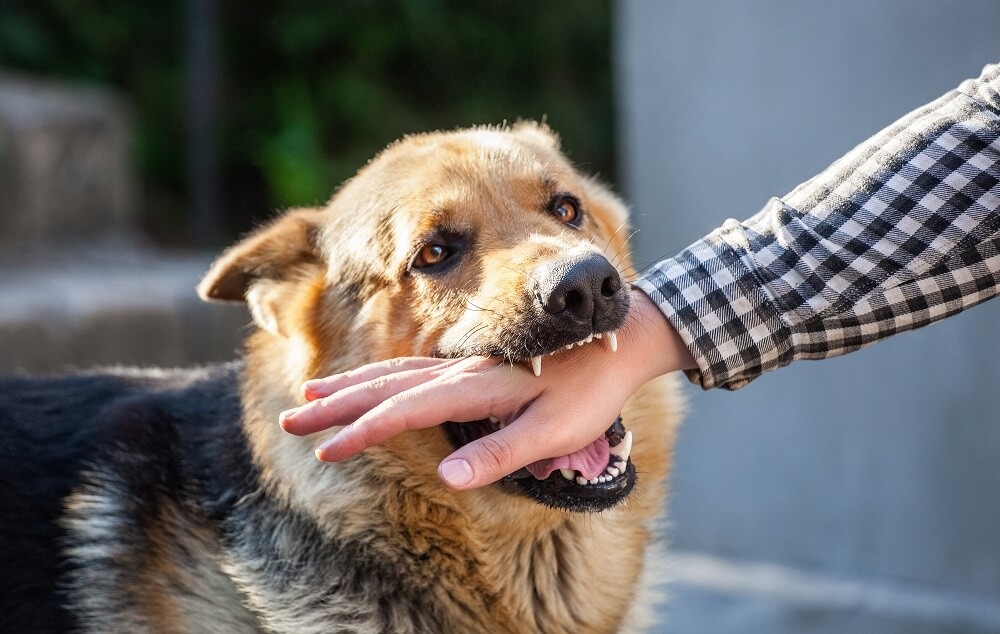
A dog bite can be shocking, painful, and dangerous. Beyond the initial fear, a bite from an aggressive dog carries risks of infection, severe wounds, and long-term emotional distress. Knowing what to do immediately after the incident can make a major difference in both your physical recovery and your legal protection. From cleaning the wound correctly to reporting the attack, each step matters. This guide explains how to respond right away, what medical care to seek, and how to handle the legal side if needed. The goal is simple: keep yourself safe, lower health risks, and make sure you are protected in case of future complications.
How do you give first aid after a dog bite?
Immediate care can prevent infections and reduce complications. Here’s a quick breakdown of what you should do as soon as the bite happens.
- Stay calm and safe: Move away from the dog and ensure you’re not in further danger.
- Wash the wound: Use soap and warm running water for at least 5 minutes to clean the area thoroughly.
- Control bleeding: Apply gentle pressure with a clean cloth or bandage until the bleeding slows.
- Apply antiseptic: Use an over-the-counter antiseptic solution to reduce infection risk.
- Cover the wound: Use a sterile bandage to protect it until you reach medical care.
If the bite is deep, bleeding heavily, or near sensitive areas like the face or hands, treat it as an emergency and seek immediate medical help.
When should you seek medical attention for a dog bite?

Not all bites look serious at first glance, but infections and complications can develop quickly. You should see a doctor if:
- The bite punctures the skin or causes deep wounds.
- Bleeding doesn’t stop after 10 minutes of pressure.
- You notice redness, swelling, or pus near the wound.
- The dog is unknown, stray, or unvaccinated.
- The bite is on your face, neck, or near a joint.
Doctors may prescribe antibiotics, update your tetanus shot, or recommend rabies treatment depending on the situation.
How dangerous is a dog bite infection?
A bite delivers bacteria deep under the skin. Common infections include staphylococcus, streptococcus, and in some cases pasteurella, which spreads quickly. Symptoms usually appear within 24–48 hours. Watch for:
- Increasing pain or swelling around the wound
- Red streaks moving away from the bite
- Fever, chills, or fatigue
If untreated, an infection can spread to the bloodstream and become life-threatening. This is why medical care is strongly advised even for small wounds.
What should you know about rabies risk?
Rabies is rare but fatal if not treated. The virus spreads through saliva and can be transmitted if the biting dog is infected. Consider rabies shots if:
- The dog’s vaccination history is unknown.
- The animal was behaving unusually (excessively aggressive, drooling, or disoriented).
- The bite came from a stray or wild dog.
Doctors may start a series of rabies post-exposure vaccines depending on risk. Always report the bite to local health authorities so the dog can be monitored.
How should you document the dog bite incident?
Accurate records help protect you legally and medically. After the bite:
- Take photos: Capture the wound from different angles before and after treatment.
- Write details: Note the date, time, location, and how the bite happened.
- Collect information: Get the dog owner’s name, address, and proof of vaccinations.
- Witnesses: If others saw the incident, take their contact details.
These details may be useful for medical reports, insurance claims, or legal action.
Should you report a dog bite to authorities?
Yes. Reporting protects you and the community. Local health departments, animal control, or police can check if the dog has a history of aggression and ensure rabies monitoring. Failing to report may increase risks for others in the area.
How can you recover emotionally after an aggressive dog bite?
Physical wounds heal, but emotional scars can linger. Victims, especially children, may develop fear, anxiety, or nightmares after a dog attack. To recover emotionally:
- Talk about the incident with family or a counselor.
- Avoid forcing yourself near dogs until you feel ready.
- Consider therapy if fear interferes with daily life.
Emotional support is just as important as medical treatment in a full recovery.
What are your legal options after a dog bite?
If the dog had an owner, you may have a right to compensation for medical bills, lost income, or emotional suffering. Steps include:
- Consulting a personal injury lawyer specializing in dog bites.
- Filing an insurance claim if the dog owner has homeowner’s coverage.
- Reviewing local laws, as some states follow “strict liability” for dog bites, while others require proof of negligence.
Legal action ensures accountability and may help cover the costs of treatment and recovery.
How can you prevent future dog bite incidents?
Prevention is key. Keep these safety rules in mind:
- Do not approach unfamiliar dogs without the owner’s consent.
- Avoid sudden movements or loud noises near a dog.
- Teach children not to tease, hug, or grab a dog roughly.
- If a dog looks aggressive, stay calm, avoid eye contact, and back away slowly.
Educating yourself and your family lowers the chance of future accidents.
Read More Also: Influencer Marketing 2.0
Conclusion: Why is quick action after a dog bite so important?
An aggressive dog bite is more than just a wound—it’s a medical and legal concern. Immediate first aid, quick medical attention, and proper reporting protect your health and rights. Emotional recovery also deserves attention, since trauma can last beyond the physical injury. By acting fast and staying informed, you reduce health risks, gain peace of mind, and protect others in your community. If you or a loved one has been bitten, don’t delay: get medical help, document everything, and seek legal advice if needed.
Read More Also: should know about the HVAC market
FAQs About Dealing With Aggressive Dog Bites
What is the first thing to do after a dog bite?
Move to safety, wash the wound with soap and water, and cover it before seeking medical care.
How long does it take for a dog bite to heal?
Minor bites may heal in 7–10 days. Deep wounds can take weeks or even months with proper treatment.
Can you get rabies from any dog bite?
Not all dogs carry rabies, but if the dog’s vaccination is unknown, rabies shots may be necessary.
Should you put ice on a dog bite?
Yes. Applying a cold pack reduces swelling and pain, but don’t place ice directly on skin—wrap it in cloth.
Do you always need antibiotics for a dog bite?
Not always, but doctors often prescribe them for deep bites or high-risk areas like hands and joints.
Is a tetanus shot required after a dog bite?
If your last tetanus shot was more than 5 years ago, you may need a booster after a bite.
Can you sue for an aggressive dog bite?
Yes, if the owner is responsible. A personal injury lawyer can guide you through compensation claims.