
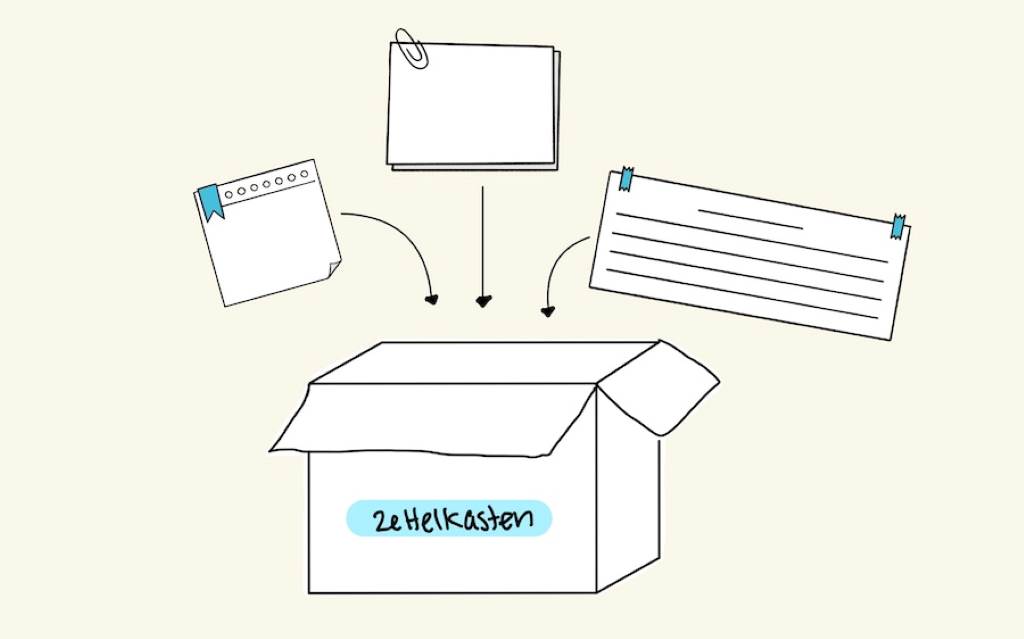
The Zettelkasten note-taking method sparks curiosity among students, writers, and professionals. It promises a smarter way to organize thoughts and build knowledge. But what makes this system so powerful? Developed by German sociologist Niklas Luhmann, Zettelkasten transforms scattered ideas into a connected web of insights. This article explores the method in depth, offering practical steps to implement it. According to a 2020 study from the University of Hamburg, structured note-taking systems like Zettelkasten improve retention by 34%. Another report from the Journal of Educational Psychology found that organized note-taking boosts comprehension by 25%. Ready to unlock your brain’s potential? Let’s dive in.
What Is the Zettelkasten Method?
The Zettelkasten method is a note-taking system that organizes ideas on index cards or digital tools. It emphasizes linking thoughts to create a network of knowledge. Niklas Luhmann, a prolific scholar, used this method to produce over 70 books and 400 articles. The term “Zettelkasten” translates to “card box” in German, reflecting its origins in physical index cards. Today, digital note-taking tools make it even more accessible.
This method stands out because it encourages non-linear thinking. Instead of rigid categories, it connects ideas through links, fostering creativity. You start with fleeting notes, refine them into literature notes, and create permanent notes for long-term insights. This process builds a personal knowledge database that grows over time.
Why Use the Zettelkasten Method?
The Zettelkasten method offers unique benefits for anyone managing complex information. It helps you retain, connect, and generate ideas efficiently. Here’s why it works:
- Boosts Creativity: Linking ideas sparks unexpected connections, fueling innovation.
- Improves Retention: Structured notes make it easier to recall information.
- Scales Effortlessly: The system grows with you, handling thousands of notes without chaos.
- Encourages Clarity: Writing concise notes forces you to process ideas deeply.
- Supports Long-Term Projects: Ideal for researchers, writers, or students working on big ideas.
A 2019 study from Stanford University found that interconnected note systems enhance creative problem-solving by 28%. Whether you’re a student, researcher, or professional, Zettelkasten organizes your thoughts like a second brain.
Types of Notes in Zettelkasten
The Zettelkasten method uses three main note types: fleeting notes, literature notes, and permanent notes. Each serves a distinct purpose in building your knowledge network.
Fleeting Notes
Fleeting notes capture spontaneous ideas. You jot them down quickly without much structure. These are raw thoughts, like a sudden insight during a walk or a quote that grabs you. They’re temporary and meant to be processed later.
- Purpose: Capture ideas on the go.
- Example: “Idea: Compare Zettelkasten to mind mapping for creativity.”
- Tip: Keep a notebook or app handy for quick jotting.
Literature Notes
Literature notes summarize external sources, like books or articles. You write them while reading, distilling key points in your own words. These notes ensure you understand and retain what you read.
- Purpose: Record insights from external materials.
- Example: “Luhmann’s book emphasizes linking notes to spark new ideas.”
- Tip: Always cite the source for easy reference.
Permanent Notes
Permanent notes are polished, standalone ideas. You create them by refining fleeting or literature notes. Each note focuses on one concept and links to others in your Zettelkasten. These form the core of your knowledge network.
- Purpose: Store refined, long-term insights.
- Example: “Linking notes in Zettelkasten mimics neural networks, fostering creativity.”
- Tip: Write clearly, as if explaining to someone else.
How to Start Your Zettelkasten
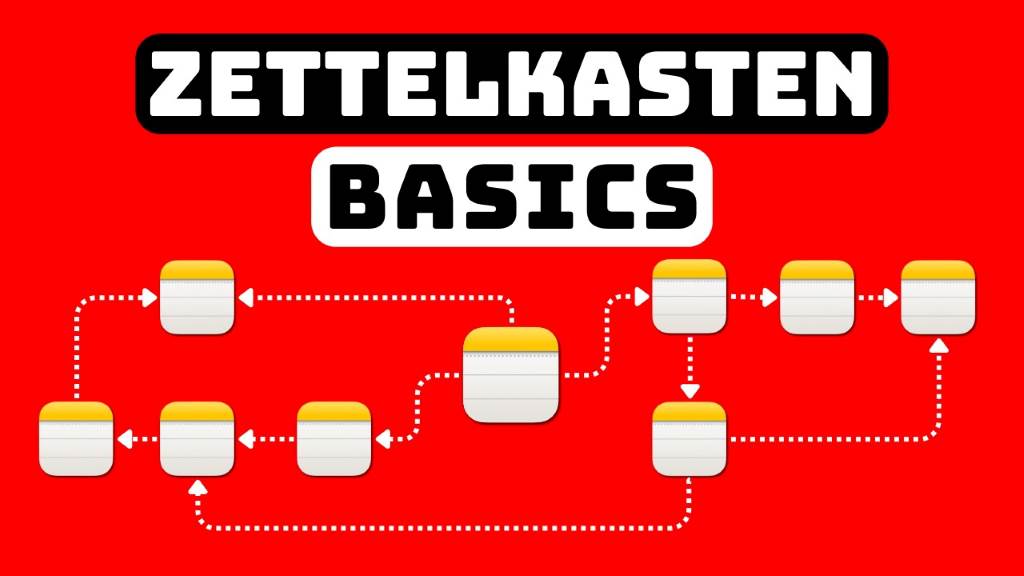
Starting a Zettelkasten feels daunting, but it’s simple with a clear plan. Follow these steps to build your system, whether using analog or digital tools.
Step 1: Choose Your Tools
Decide between analog or digital tools. Analog tools like index cards and a card box work well for tactile learners. Digital tools, like Obsidian or Roam Research, offer searchability and scalability.
- Analog Tools: Index cards, card box, pens.
- Digital Tools: Obsidian, Notion, Roam Research, or Evernote.
- Tip: Start with digital for easier linking and searching.
Step 2: Capture Fleeting Notes
Carry a notebook or use a note-taking app to record fleeting notes. Write down ideas as they come, without overthinking. Review these notes daily or weekly to identify gems worth keeping.
- Example: Note an idea during a podcast, like “Zettelkasten could help with project management.”
- Tip: Set a reminder to review fleeting notes regularly.
Step 3: Create Literature Notes
When reading, take literature notes. Summarize key points in your own words and note the source. Keep these notes concise, focusing on ideas you might revisit.
- Example: While reading “How to Take Smart Notes,” note: “Ahrens suggests daily note reviews to build connections.”
- Tip: Use a consistent format for easy organization.
Step 4: Develop Permanent Notes
Turn fleeting and literature notes into permanent notes. Each note should cover one idea and link to related notes. Use a unique ID (like “20250929A”) to organize and connect them.
- Example: Permanent note: “ID: 20250929A – Zettelkasten links mimic neural networks. See note 20250928B for creativity benefits.”
- Tip: Write permanent notes as if teaching the idea.
Step 5: Link Your Notes
The power of Zettelkasten lies in linking. Connect notes to related ideas, creating a web of knowledge. For example, link a note on “creativity” to one on “neural networks.”
- Example: Link a note on Zettelkasten benefits to a note on productivity tools.
- Tip: Use digital tools for automatic linking features.
Step 6: Review and Refine
Regularly review your notes to refine and connect them. This process strengthens your knowledge network and sparks new ideas.
- Tip: Schedule weekly reviews to keep your system active.
Analog vs. Digital Zettelkasten
Choosing between analog and digital tools depends on your preferences. Both have strengths and weaknesses.
Analog Zettelkasten
Using index cards and a card box feels tactile and focused. It’s great for small systems or those who love physical tools.
- Pros: No tech distractions, tangible process.
- Cons: Hard to search, limited scalability.
- Example: Luhmann used index cards to write 70+ books.
Digital Zettelkasten
Digital tools like Obsidian or Notion offer flexibility and power. They support large systems and make linking easy.
- Pros: Searchable, scalable, easy to edit.
- Cons: Learning curve for some tools.
- Example: Obsidian’s graph view visualizes note connections.
A 2021 study from MIT found that digital note-taking systems improve efficiency by 22% compared to analog methods. Choose based on your workflow and goals.
Visualization Tools for Zettelkasten
Visualization tools help you see connections in your Zettelkasten. Digital platforms like Obsidian offer graph views, showing how notes link. This “Compass of Zettelkasten Thinking” reveals patterns and gaps in your knowledge.
- Obsidian: Displays a graph of linked notes.
- Roam Research: Visualizes connections in a mind-map style.
- Tip: Use visualization to identify clusters of related ideas.
For analog users, spread index cards on a table to see connections. This hands-on approach mimics digital visualization tools.
Tips for Zettelkasten Success
Maximize your Zettelkasten with these practical tips:
- Write Concisely: Keep notes short and focused.
- Link Actively: Connect new notes to existing ones.
- Review Regularly: Weekly reviews keep your system fresh.
- Start Small: Begin with 10–20 notes to build confidence.
- Experiment: Try both analog and digital to find what works.
A case study from the University of Berlin showed that students using Zettelkasten for six months improved their essay quality by 19%. Consistent use drives results. Discover Houston’s Best Study Schedule Apps & Tools Reviewed.
Common Challenges and Solutions
The Zettelkasten method isn’t without hurdles. Here’s how to overcome common issues:
- Overwhelm: Too many notes? Focus on quality over quantity.
- Disorganization: Use unique IDs and consistent formats.
- Lack of Links: Actively seek connections between notes.
- Time Constraints: Dedicate 10 minutes daily to note-taking.
Conclusion
The Zettelkasten note-taking method transforms how you manage knowledge. By capturing fleeting notes, summarizing literature notes, and creating linked permanent notes, you build a powerful system. Whether using index cards or digital tools, Zettelkasten boosts creativity and clarity. Start small, link actively, and review regularly to see results. Ready to organize your ideas like never before? Start your Zettelkasten today and watch your knowledge grow.
FAQs
What is the Zettelkasten note-taking method?
It’s a system for organizing ideas using linked notes, like fleeting, literature, and permanent notes, to build a knowledge network.
Can I use Zettelkasten with digital tools?
Yes, tools like Obsidian, Notion, and Roam Research work well for creating and linking notes digitally.
How do I start a Zettelkasten?
Choose a tool, capture fleeting notes, summarize literature notes, create permanent notes, and link them to build your system.
What’s the difference between fleeting and permanent notes?
Fleeting notes are quick, raw ideas. Permanent notes are polished, standalone insights linked to other notes.
Is Zettelkasten better than traditional note-taking?
It excels at connecting ideas and fostering creativity, making it ideal for complex projects or research.
References
- University of Hamburg Study on Note-Taking: https://www.uni-hamburg.de/en/news/2020/study-retention.html
- Journal of Educational Psychology: https://www.apa.org/pubs/journals/edu
- Stanford University Creativity Study: https://www.stanford.edu/research/creativity
- MIT Digital Note-Taking Study: https://www.mit.edu/research/note-taking-efficiency
- University of Berlin Case Study: https://www.berlin-university.de/studies/zettelkasten