
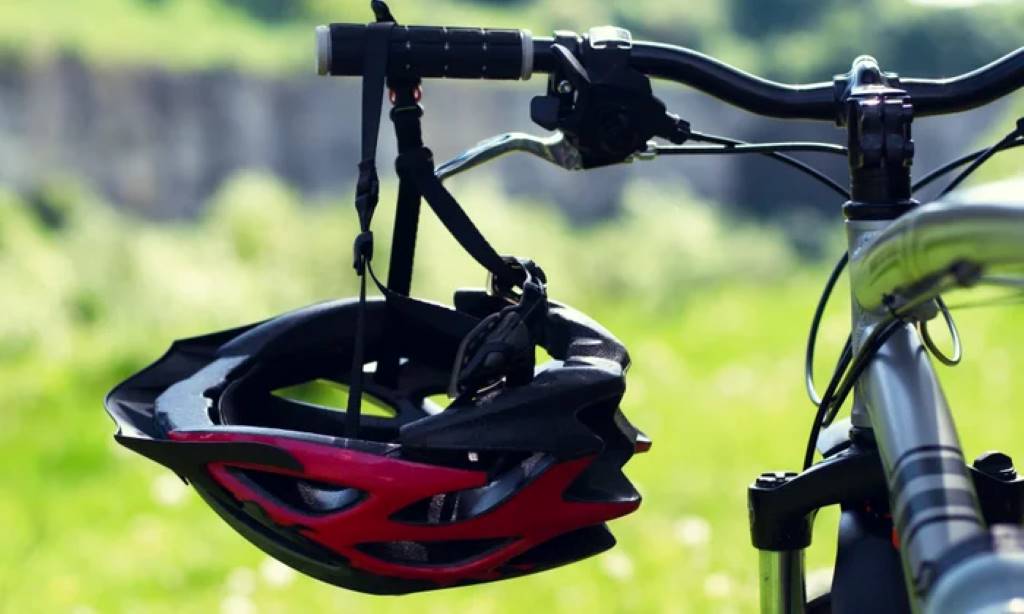
Imagine zipping through city streets on your bike, wind in your hair, but wait—that helmet perched on your head keeps you safe without weighing down your wallet. Commuting by bike saves time and boosts health, yet many riders skip proper headgear due to cost fears. However, smart choices make protection accessible. According to the Centers for Disease Control and Prevention (CDC), helmets cut bicycle-related head injury risk by 60 percent. Meanwhile, the National Highway Traffic Safety Administration (NHTSA) reports over 1,000 cyclist fatalities yearly in the U.S., with proper helmets preventing many. In this guide, we explore practical steps to select a commuter helmet that fits your life and budget. For starters, check out these affordable Schwinn bike helmets that blend reliability with everyday style.
Understanding Commuter Helmet Basics
Commuters face unique challenges like traffic, weather, and longer rides. Therefore, your helmet must handle daily grind without fuss. Start by grasping what sets commuter helmets apart from sporty ones. These designs prioritize ventilation for hot commutes and durability for urban bumps.
Moreover, commuter helmets often include extras like integrated lights for visibility. Riders appreciate this feature during dawn or dusk trips. Additionally, adjustable straps ensure a snug fit over hats or glasses. Without basics covered, even the best pick falls short.
Consider your route too. Short urban spins demand lightweight builds. However, longer paths call for reinforced shells. Thus, match helmet type to your routine. This approach saves hassle later.
Why Size Matters More Than Style
Style grabs eyes, but size secures safety. A loose helmet shifts during turns, risking injury. Instead, measure your head circumference with a tape. Most brands offer size charts online. For instance, wrap the tape around your forehead, just above ears.
Furthermore, try on options in stores if possible. Feel for even pressure without hotspots. Consequently, comfort builds trust in your gear. Remember, a well-sized helmet feels like an extension of yourself.
Common Myths About Budget Helmets
Many believe cheap helmets skimp on safety. Yet, evidence shows otherwise. Certified budget models pass rigorous tests just like premium ones. Therefore, focus on standards over price tags.
Another myth claims thin padding means weak protection. Actually, modern foams absorb impacts effectively regardless of thickness. So, debunk these ideas to shop smarter.
Key Features to Look For in Affordable Options

Features elevate a basic helmet into a commuter essential. Prioritize ventilation first. Multiple vents pull air through, keeping sweat at bay on humid rides. Schwinn models excel here, with designs channeling breeze efficiently.
Next, explore MIPS technology. This slip-plane system reduces rotational forces during crashes. Therefore, it adds peace of mind without bulk. Many affordable lines now incorporate it, making advanced safety reachable.
Additionally, reflective elements boost nighttime visibility. Strips or logos catch headlights, alerting drivers. Thus, integrate these into your choice for safer streets.
Ventilation and Breathability Breakdown
Hot commutes test any helmet’s worth. Look for at least 15 vents to promote airflow. In-mold construction bonds shell to foam, creating lighter, airier builds. Riders report cooler heads and focused minds.
However, balance vents with coverage. Too many openings weaken structure. So, seek hybrids that shield crown while breathing easy. Test by wearing indoors; if you overheat quickly, pass.
Visibility Enhancers for Urban Riders
City lights blind at dusk. Integrated LED lights solve this. Some helmets embed rear beacons that flash steadily. Therefore, cars spot you blocks away.
Reflective piping weaves into edges too. This subtle touch shines under beams without daytime glare. Moreover, pair with bright clothing for full effect. Safe riders layer up smartly.
Budget-Friendly Brands and Models Spotlight
Brands like Schwinn deliver value without corners cut. Their commuter lines feature adjustable dials for custom fits. Therefore, one size adapts across seasons.
Explore Bell too; their commuter series offers magnetic buckles for quick snaps. Additionally, Giro provides slim profiles that slip under jackets. Each brand tests rigorously, ensuring reliability.
Case in point: A Chicago rider swapped pricey gear for a Schwinn pick. He saved cash yet gained daily comfort on 10-mile hauls. Stories like his prove affordability works.
Schwinn’s Standout Commuter Picks
Schwinn shines in entry-level scenes. Their helmets boast EPS foam cores for impact diffusion. Vents align for cross-breezes, ideal for stop-and-go traffic.
Furthermore, dial systems tweak fit in seconds. Riders praise this for ponytail-friendly adjustments. Thus, women and men alike find tailored security.
Other Reliable Budget Contenders
Louis Garneau offers eco-friendly shells from recycled plastics. These appeal to green commuters. Meanwhile, Nutcase adds fun patterns without sacrificing function.
However, always check user reviews for real-world wear. Feedback highlights strap durability over months. So, blend specs with stories for wise buys.
Fit and Comfort: The Make-or-Break Factor
Fit trumps all in helmet selection. A poor one distracts, pulling focus from roads. Start with proper measurement, then adjust pads inside. Thick cheek guards prevent chafing on jawlines.
Moreover, test range of motion. Tilt your head; the helmet stays put without pinching. Therefore, simulate commutes by nodding or turning sharply.
Comfort extends to weight too. Lighter models under 300 grams reduce neck strain over time. Riders notice fresher arrivals at work.
Step-by-Step Fitting Guide
Follow these steps for flawless fit. First, loosen all straps fully. Slide helmet low on forehead, about two fingers above brows.
Second, cinch chin strap until snug but not tight. You should fit two fingers between strap and skin. Third, twist dial at back to hug head evenly.
Finally, shake head side to side. No wobble means success. Repeat tweaks as needed; fit evolves with hair growth.
Handling Everyday Wear and Tear
Daily use tests comfort limits. Sweat-wicking liners keep interiors fresh. Remove and wash them weekly to fend off odors.
Additionally, store helmets away from direct sun. UV rays degrade plastics over time. Thus, hook them in cool garages for longevity.
Related:
The Benefits of Commuting to Work by Bike: Why You Should Ditch the Car
BMX Trick Tips from California’s Top Bike Spots
Safety Certifications Explained
Certifications verify helmet prowess. CPSC stamps ensure U.S. standards for impact absorption. Look for this label inside every quality pick.
Internationally, EN 1078 covers Europe with similar rigor. Therefore, global riders trust these marks. Both test drops from heights mimicking falls.
Beyond basics, ASTM F1492 targets urban speeds. It simulates curbside tumbles. So, certified gear aligns with real risks.
Decoding Label Meanings
Labels pack details. CPSC means passed linear impact tests. MIPS adds rotational data in fine print.
However, avoid unbranded imports lacking stamps. They skip lab scrutiny, risking lives. Stick to verified paths for sure protection.
Beyond Certifications: Real-World Testing
Labs set baselines, but streets tell truths. User forums share crash tales where certified helmets flexed without cracking.
For example, a Portland cyclist hit potholes hard. His Bell absorbed the jolt, leaving him shaken but unscathed. Such anecdotes build confidence in picks.
Maintenance and Longevity Tips
Helmets last years with care. Inspect regularly for cracks or dents. A single ride post-damage compromises integrity.
Clean gently with mild soap; harsh chemicals erode foams. Therefore, air dry away from heat sources. Riders who maintain report helmets serving five seasons strong.
Replace after any impact, even minor ones. Invisible stresses weaken structures. Thus, budget for swaps every few years.
Daily Inspection Routines
Build habits for safety. Before rides, scan shells for gouges. Tug straps; frayed ones signal time for new gear.
Moreover, check buckles for smooth clicks. Sticky mechanisms fail in moments. Quick checks prevent big issues.
Storage Solutions for Commuters
Lockers at work suit quick access. Hang helmets on hooks to preserve shape. Avoid stacking; pressure warps interiors.
Additionally, use protective bags for transit. These shield from scratches during bus hops. Smart storage extends life cycles.
Where to Buy and What to Avoid
Online hubs like Amazon streamline hunts. Filter by certifications and read recent reviews. Brick-and-mortar bike shops offer hands-on trials too.
However, steer clear of deep discounts on unknowns. Knockoffs mimic looks but fail tests. Therefore, verify sellers’ reps before clicking buy.
Community swaps yield gems. Facebook groups trade gently used options. Inspect thoroughly; secondhand saves while sustaining quality.
Online Shopping Hacks
Search variations like “budget commuter headgear” to uncover deals. Set alerts for restocks on favorites.
Furthermore, compare across sites using tools like Google Shopping. This reveals best values without endless scrolling.
Red Flags in Retail
Beware faded packaging or missing labels. These hint at old stock past prime.
Also, ignore hype over substance. Flashy ads promise worlds; specs deliver truth. Focus there for solid choices.
Conclusion
Choosing a commuter helmet boils down to fit, features, and certifications—all within reach affordably. We’ve covered basics, standout brands like Schwinn, and maintenance secrets to keep you rolling safely. Remember, the right pick protects without pulling purses.
Now, grab your tape measure and head to a shop or site. Test fits, check stamps, and ride off empowered. Your safer commutes start today—what helmet will you try first?
FAQs
What Makes a Helmet Ideal for Daily Commuting?
Daily commuters need helmets with strong ventilation, adjustable fits, and visibility aids. These handle sweat, traffic, and weather shifts smoothly. Prioritize MIPS for extra crash cushioning too.
How Often Should I Replace My Bike Helmet?
Replace after any crash or every three to five years. Materials degrade over time, even without incidents. Regular checks spot when freshness fades.
Can I Wear a Commuter Helmet in All Weather?
Most handle rain with water-resistant shells. However, add covers for downpours. Ventilation shines in heat, while padding insulates lightly in chill.
Do Budget Helmets Offer the Same Safety as Expensive Ones?
Yes, if certified by CPSC or EN 1078. Tests level the field; foams absorb hits regardless of cost. Focus on standards over spend.
How Do I Know If a Helmet Fits Me Properly?
Measure head size first, then adjust straps and dial for no-slip hold. Shake test confirms security. Comfort without pressure points seals the deal.
References
- Centers for Disease Control and Prevention (CDC): https://www.cdc.gov/transportationsafety/bicycle/helmet_use.html
- National Highway Traffic Safety Administration (NHTSA): https://www.nhtsa.gov/road-safety/bicycle-riding
- Consumer Product Safety Commission (CPSC): https://www.cpsc.gov/Business–Manufacturing/Business-Education/Bicycle-Helmets
- Bicycle Helmet Safety Institute: https://www.helmets.org/