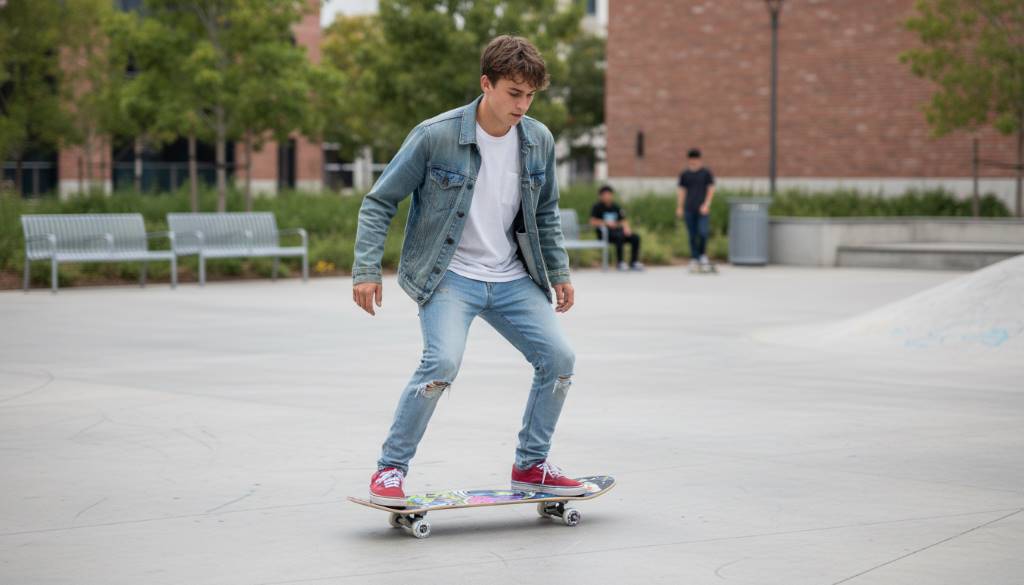
Skateboarding feels like pure freedom the moment your feet hit the deck. You push off, balance, and suddenly the world moves differently. Yet many new riders start with the wrong board and quickly lose motivation.
The sport continues to grow rapidly. Recent industry reports show the global skateboard market expanding steadily, with millions of new participants joining each year thanks to increased visibility from events and social media. Additionally, studies highlight that beginners face higher risks of common injuries, such as wrist fractures, when equipment lacks proper stability.
Choosing the best beginner skateboard sets you up for success right from day one. This guide walks you through every key factor so you select a reliable setup that supports learning without unnecessary complications.
Why Your First Skateboard Matters So Much
New skaters often underestimate how much the board influences early progress. A stable, well-built setup helps you master balance and pushing confidently. In contrast, unstable boards lead to frequent falls and frustration.
Moreover, proper equipment contributes to safer rides. Research from medical sources notes that upper extremity injuries remain common among novices, yet boards designed for beginners promote better control. As a result, you learn faster and enjoy the process more.
Furthermore, starting with the right board builds good habits. You develop correct stance and turning techniques early. This foundation pays off as you advance to tricks later.
Different Types of Skateboards for Beginners
Skateboards come in several styles, and each serves specific riding purposes, you need to match the type to your goals. Beginners benefit most from options that prioritize stability over advanced performance.
Classic street skateboards, also called popsicle shapes, work well for learning tricks and riding parks. They offer versatility once you gain basic skills. However, they demand more balance at first.
Cruisers provide a smoother introduction. Their wider decks and softer wheels handle rough surfaces easily. Many new riders choose cruisers for commuting or casual sessions around the neighborhood.
Longboards excel at stability and speed. Drop-through designs lower the center of gravity, making pushing and carving feel natural. Beginners who want relaxed cruising often start here before transitioning to shorter boards.
Complete skateboards come fully assembled from reputable brands. They include matched components that work together harmoniously. Most experts recommend completes for first-time buyers.
Picking the Right Deck Size and Shape
Deck size affects everything from balance to turning. Beginners need widths that match their shoe size for optimal control.
Adults typically ride decks between 8.0 and 8.5 inches wide. This range offers ample foot space while remaining maneuverable. Narrower decks under 8.0 inches suit smaller feet or younger riders.
Moreover, deck length matters too. Standard lengths run from 31 to 33 inches. Longer decks provide more stability during straight-line riding.
Shape plays a role as well. Mild concave helps lock your feet in place without feeling aggressive. Steeper noses and tails allow easier ollies later, but gentle kicks suit pure beginners.
Material quality separates good decks from poor ones. Seven-ply Canadian maple construction delivers the best combination of strength and pop. Avoid particle board or plastic alternatives that flex poorly.
- For shoe sizes 6-8: Try 7.75-8.0 inch decks
- For shoe sizes 9-11: Go with 8.0-8.25 inch widths
- For shoe sizes 12+: Consider 8.25-8.5 inches or wider
Selecting Trucks That Turn Smoothly
Trucks connect wheels to the deck and control turning response. Matching truck width to deck width ensures proper alignment.
Beginners benefit from medium-height trucks that balance stability and grind clearance. Independent, Thunder, and Ace brands consistently deliver reliable performance across skill levels.
Additionally, loosen trucks slightly for easier turning while learning. Tight trucks feel stable at speed but make carving harder for novices.
Quality bushings matter greatly. Softer bushings allow smoother leans and turns. Many completes come with medium-soft bushings ideal for new riders.
Avoid mismatched setups where wheels extend far beyond the deck or hide underneath. Proper flush alignment prevents wheelbite during sharp turns.
Choosing Wheels for Comfortable Rides
Wheels influence speed, grip, and smoothness dramatically. Beginners need wheels that absorb vibrations and roll over cracks easily.
Softer wheels, rated 78A to 87A, grip better and ride smoother on rough pavement. Harder wheels above 95A slide more but suit skatepark surfaces.
Size affects performance too. Larger wheels (54-60mm) maintain speed over debris and feel forgiving. Smaller wheels (50-53mm) accelerate faster but demand cleaner surfaces.
Moreover, rounded edges help wheels break traction predictably during powerslides later on. Square-edged wheels grip aggressively, which helps beginners stay planted.
Many quality completes feature 52-56mm wheels in the 80-90A range. This setup strikes an excellent balance for mixed terrain riding.
The Importance of Good Bearings and Grip Tape
Bearings determine how freely wheels spin. Higher-quality bearings roll longer distances with each push.
Bones Reds and Bronson G3 bearings earn consistent praise for smooth, fast performance straight out of the box. They require minimal break-in time.
Additionally, clean bearings regularly to maintain speed. Dust and dirt slow even the best sets over time.
Grip tape provides crucial traction. Black diamond or Jessup brands offer strong hold without shredding shoes quickly. Coarse tape locks feet securely during ollies and turns.
Some boards include clear or colored grip that shows deck graphics. However, traditional black grip usually provides the most reliable stick.
Complete Skateboards Versus Custom Builds
Complete skateboards arrive ready to ride with professionally matched parts. Brands test combinations extensively for balanced performance.
Building custom setups allows personalization but requires knowledge. Mismatched components often create unstable or sluggish boards for beginners.
Furthermore, completes from trusted companies use quality materials throughout. They avoid the weak bearings and stiff wheels common on low-end alternatives.
Many skate shops assemble custom completes based on your needs. This option combines professional guidance with personalized touches.
Reputable brands like Braille, Element, Santa Cruz, and Girl produce excellent beginner completes. Their boards support progression as skills improve.
Features That Define Great Beginner Boards
Quality beginner skateboards share several key characteristics. Medium concave cradles feet naturally without feeling extreme.
Moreover, moderate wheelbase lengths around 14-14.25 inches enhance stability during pushes. Shorter wheelbases turn quicker but feel twitchy for novices.
Decent pop comes from proper wood construction and shape. Good decks flex appropriately then return energy for ollies.
Reliable hardware includes strong bolts that stay tight ride after ride. Phillips-head bolts allow easy adjustments with standard skate tools.
Common Mistakes New Skaters Make When Buying
Many beginners focus solely on graphics and overlook performance. Cool artwork means nothing if the board rides poorly.
Additionally, choosing boards too small or large disrupts balance learning. Always measure shoe size against deck width recommendations.
Another frequent error involves stiff, hard wheels. They chatter over every crack and make cruising exhausting.
Some riders pick longboards expecting to learn tricks quickly. Longboards excel at carving but limit flip trick potential.
Finally, ignoring local skate shop advice leads to mismatched setups. Knowledgeable staff guide beginners toward suitable options.
Where to Find Reliable Skateboards
Local skate shops offer expert guidance and hands-on testing. Staff help match boards to your size and goals accurately.
Online retailers with strong reputations ship quality completes nationwide. Read reviews and check return policies carefully.
Moreover, support shops that contribute to skatepark development. They invest in the community that supports the sport.
Avoid big-box store boards with generic parts. These often use brittle wood and poor bearings that hinder progress.
Essential Safety Gear Every Beginner Needs
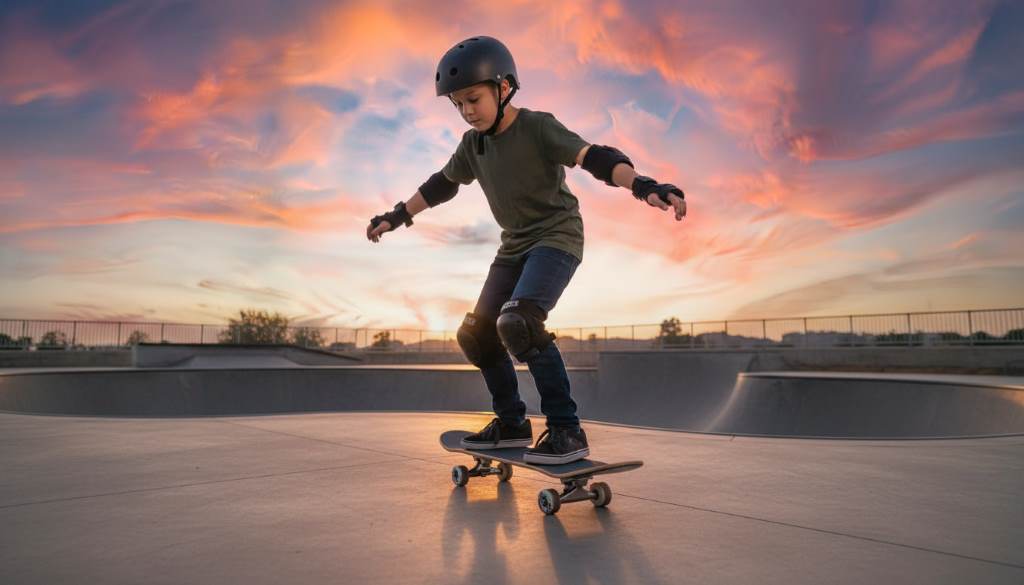
Protective equipment prevents many common injuries. Helmets certified for skateboarding absorb impacts effectively.
Wrist guards prove especially valuable. They reduce fracture risks during instinctive hand-first falls.
Additionally, slide gloves help when learning powerslides later. Knee and elbow pads cushion impacts during skill development.
Wear gear consistently, even on familiar terrain. Habits formed early carry through as you attempt new maneuvers.
First Steps to Riding Your New Board
Start on smooth, flat ground away from traffic. Practice pushing with your front foot on the board initially.
Next, find your stance. Regular (left foot forward) or goofy (right foot forward) both work equally well.
Then, roll slowly and shift weight to feel turning. Keep knees bent for better balance absorption.
Practice stopping techniques early. Foot braking works reliably at low speeds.
Finally, celebrate small victories. Each successful push builds confidence for the next session.
Maintaining Your Skateboard for Longevity
Regular maintenance extends board life significantly. Clean bearings periodically with appropriate solutions.
Moreover, rotate wheels to promote even wear. This simple step prevents conical shapes that affect turning.
Check hardware tightness before sessions. Loose bolts alter performance and risk damage.
Replace grip tape when it smooths out. Fresh grip restores foot traction immediately.
Store boards away from extreme heat or moisture. Proper storage prevents delamination and warping.
Related:
Independent Skateboard Trucks Review: Stability, Grind, and Control
Best Eco-Friendly Skateboards for Urban Riders in the U.S.
Progressing from Beginner to Intermediate
Once basic riding feels comfortable, practice stationary balance exercises. They strengthen stabilizing muscles quickly.
Additionally, learn to tic-tac for better board control. This maneuver builds turning confidence.
Film sessions occasionally. Self-review reveals stance issues invisible during riding.
Join local skate communities. Watching others and receiving tips accelerates improvement dramatically.
Set small, achievable goals each week. Consistent progress compounds faster than sporadic intense sessions.
Conclusion
Finding the best beginner skateboard involves understanding key components and avoiding common pitfalls. Focus on stable deck sizes, soft wheels, and quality construction that support learning.
Choose completes from reputable sources that match your height and riding style. Prioritize function alongside appearance for lasting enjoyment.
Start riding today with confidence. Grab a suitable board, add protective gear, and experience the thrill of skateboarding firsthand. Your first cruise awaits.
FAQs
What deck size should adult beginners choose?
Most adults find 8.0 to 8.25-inch decks ideal. This width provides ample stability while remaining maneuverable. Measure your shoe size and test options at a local shop for the best fit.
Are longboards better for complete beginners?
Longboards offer exceptional stability for pure cruising and carving. However, they limit trick potential. Many riders start on longboards then transition to shorter boards as confidence grows.
How do I know if wheels suit beginners?
Look for 52-60mm sizes with 78-90A hardness. These wheels absorb vibrations and roll smoothly over imperfect surfaces. They forgive small obstacles that stop harder, smaller wheels.
Should beginners buy complete skateboards?
Yes, completes provide balanced, tested setups perfect for learning. Professional assembly ensures components work together properly. Custom builds come later once you understand preferences.
Why do local skate shops matter for beginners?
Staff offer personalized advice based on years of experience. They help select appropriate sizes and styles. Supporting local shops also strengthens your skating community.
References
- https://www.tactics.com/info/beginner-skateboards
- https://www.brailleskateboarding.com/products/the-best-beginner-skateboard-package
- https://sector9.com/blogs/blog/best-skateboard-for-beginners-based-on-riding-style
- https://skateboardsafety.org/injury-statistics