Every skater remembers their first fall. The scrape of pavement, the shock of impact, and that split second of wondering if you’ll be okay. For many men who love skating, these moments can either build character or create hesitation. The difference often comes down to one critical factor: proper protective equipment.
Skating offers an incredible sense of freedom and accomplishment. Whether you’re cruising through city streets, practicing tricks at the skate park, or simply enjoying a leisurely ride, the thrill is undeniable. However, the reality is that falls happen to everyone, from complete beginners to seasoned professionals. This is where quality safety gear transforms the entire skating experience.
Understanding the Real Risks
Men often approach skating with enthusiasm and sometimes overconfidence. This combination can lead to unnecessary injuries that could easily be prevented. Statistics show that skateboarding accounts for thousands of emergency room visits annually, with wrist fractures, head injuries, and ankle sprains being the most common complaints.
The male brain is wired to take risks, which can be both an advantage and a disadvantage in action sports. While this risk-taking nature helps men push boundaries and learn new skills, it also means they’re more likely to attempt challenging maneuvers before they’re truly ready. Additionally, many men feel social pressure to skip protective gear, viewing it as unnecessary or uncool.
This mindset needs to change. Professional skaters, the very athletes who inspire recreational skaters, consistently wear protective equipment during practice sessions. They understand that staying healthy and injury-free allows them to skate longer and progress faster. Their careers depend on it, and recreational skaters should adopt the same wisdom.
The Psychology of Confidence
Confidence plays a massive role in skating performance. When you’re worried about getting hurt, your body tenses up. This tension affects balance, reflexes, and decision-making. Conversely, when you feel protected and secure, you can focus entirely on technique and style.
Safety gear creates a psychological safety net. Knowing that you have quality protection allows your mind to relax and your body to move more naturally. This mental shift is particularly important when learning new tricks or skating in unfamiliar terrain. The fear of injury diminishes, replaced by calculated confidence.
Many men report that wearing protective gear actually improved their skating abilities. They’re willing to commit fully to movements, practice more frequently, and push their limits in a controlled manner. Therefore, protective equipment becomes a performance enhancer rather than just a safety measure.
Essential Protection for Every Skater
A complete safety setup doesn’t require breaking the bank, but it does require thoughtful selection. Each piece of equipment serves a specific purpose and protects vulnerable areas of the body.
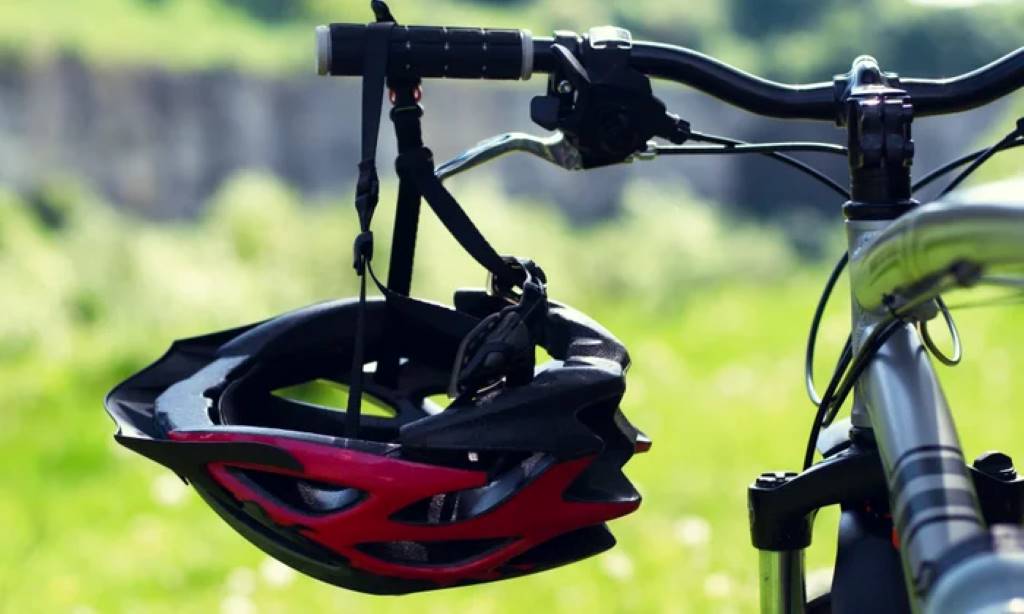
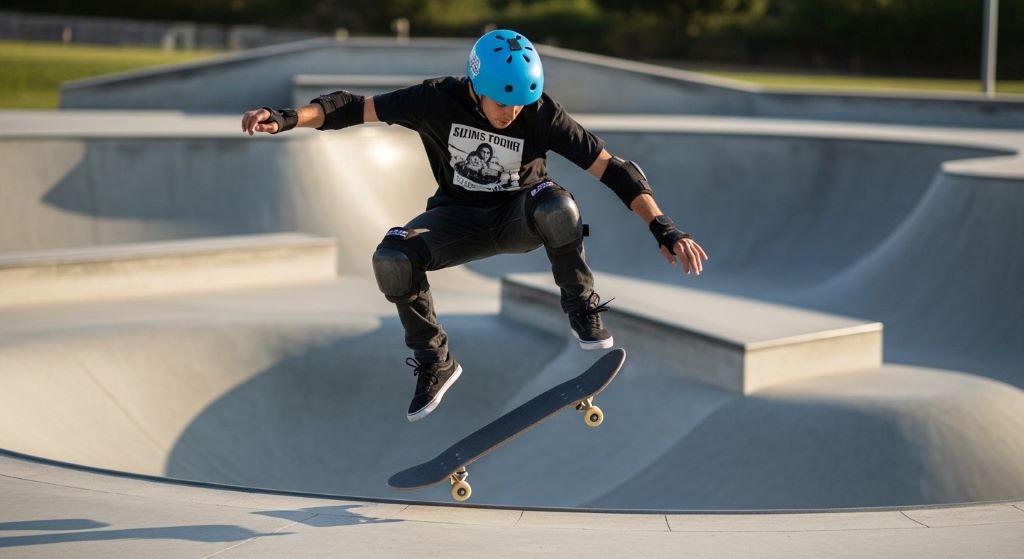
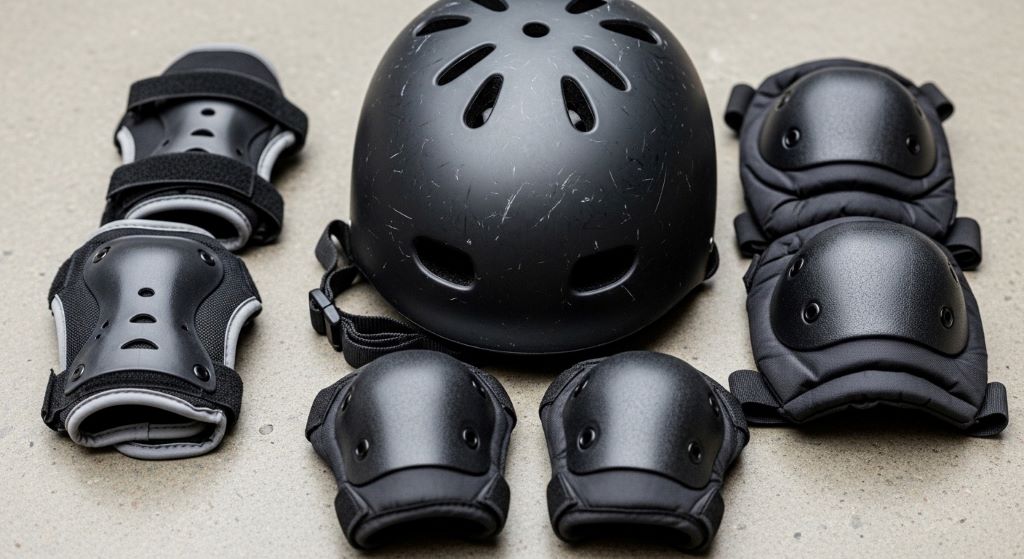
Helmets stand as the most critical piece of safety equipment. Head injuries can have life-altering consequences, making helmet use non-negotiable. Modern skateboarding helmets are designed to be lightweight, ventilated, and stylish. They absorb impact forces and distribute them across the helmet’s surface, significantly reducing the risk of skull fractures and concussions.
When choosing a helmet, fit matters tremendously. It should sit level on your head, covering your forehead without tilting backward. The straps should form a V-shape under your ears, and you should be able to fit only one or two fingers between the strap and your chin. A properly fitted helmet stays in place during movement without being uncomfortably tight.
Wrist guards protect one of the most commonly injured areas in skating. When people fall, the natural instinct is to catch themselves with their hands. This reflex often results in wrist fractures or sprains. Quality wrist guards feature rigid splints that prevent the wrist from bending too far backward during impact.
The design of modern wrist guards allows for adequate movement while providing crucial support. They shouldn’t restrict your ability to grab your board or maintain balance. Many experienced skaters initially resist wrist guards, but after their first serious save, they become converts.
Knee pads serve multiple purposes beyond just cushioning falls. They allow skaters to safely drop to their knees when losing balance, a technique that can prevent more serious injuries. Additionally, knee pads enable skaters to practice slides and other advanced techniques that involve deliberate knee contact with surfaces.
High-quality knee pads feature hard plastic caps over thick foam padding. They should stay securely in place without sliding down during activity. Many designs now incorporate moisture-wicking materials and ventilation to keep you comfortable during extended sessions.
Elbow pads complete the protective quartet. While elbow injuries are less common than wrist or knee injuries, they can be particularly painful and slow to heal. Elbow pads also provide confidence when learning to fall properly, encouraging skaters to tuck and roll rather than extending their arms dangerously.
Implementing Skateboarding Injury Prevention Strategies
Wearing gear represents just one aspect of staying safe while skating. Comprehensive skateboarding injury prevention involves multiple layers of awareness and preparation.
Warming up before skating sessions prepares your muscles and joints for the physical demands ahead. Simple dynamic stretches, ankle rotations, and light cardio get blood flowing and improve flexibility. This five to ten-minute investment significantly reduces the likelihood of strains and tears.
Learning proper falling techniques can be as important as the gear itself. Experienced skaters practice rolling with falls, keeping their bodies loose, and protecting their head and wrists. Many skate schools now offer specific classes on fall safety, teaching students how to minimize impact forces through proper body positioning.
Progressive skill development prevents injuries caused by attempting tricks beyond your current ability level. Master the basics thoroughly before moving to intermediate maneuvers. This patient approach builds muscle memory and confidence simultaneously. Furthermore, it allows your body to gradually adapt to the physical stresses of more demanding tricks.
Skating within your limits sounds simple but requires honest self-assessment. Fatigue increases injury risk dramatically. When you’re tired, reaction times slow and coordination suffers. Recognizing when to call it a day demonstrates maturity and self-awareness, not weakness.
Choosing Quality Over Price
The protective equipment market offers options at every price point. However, safety gear is not the place to cut corners. Inferior products may seem adequate until the moment you actually need them.
Certified equipment meets specific safety standards established by organizations like ASTM International and the Consumer Product Safety Commission. Look for these certifications when shopping. They indicate that the product has undergone rigorous testing and meets minimum performance requirements.
Brand reputation matters in the protective equipment industry. Established companies invest heavily in research, development, and testing. They use better materials, employ more sophisticated designs, and stand behind their products with warranties. Reading reviews from other skaters provides valuable insights into real-world performance and durability.
Proper fit cannot be overstated. Gear that doesn’t fit correctly won’t protect you adequately and will likely end up sitting in your closet. Whenever possible, try equipment before purchasing. If buying online, carefully check sizing charts and return policies. Remember that different brands size their products differently, so don’t assume your measurements will always correspond to the same size.
Building Positive Safety Habits
Creating a routine around safety gear helps overcome the temptation to skip it. Keep your equipment in good condition and easily accessible. Many skaters store their protective gear with their board, making it automatic to grab everything together.
Starting every session with a gear check takes only moments but ensures everything is functioning properly. Inspect straps for wear, check that padding hasn’t compressed too much, and verify that nothing is cracked or broken. Replace worn equipment promptly rather than risking failure at a critical moment.
Skating with others who also prioritize safety reinforces positive habits. Find a crew that respects protective equipment and encourages its use. The social aspect of skating becomes more enjoyable when everyone looks out for each other’s wellbeing. Additionally, experienced skaters in safety-conscious groups can offer valuable safety tips and techniques.
Leading by example extends beyond your immediate circle. When younger or newer skaters see experienced men confidently wearing full protective gear, it normalizes the practice. You become part of changing the culture around skate safety, making it easier for the next generation to make smart choices.
The Long-Term Perspective
Skating can be a lifelong activity, but only if you protect your body along the way. Accumulated injuries add up over time, potentially limiting your ability to skate as you age. Chronic pain from old fractures or joint damage can sideline even the most passionate skaters.
Professional skaters who maintain long careers all share one trait: they take care of their bodies. They recognize that a single preventable injury could end their ability to do what they love. This professional mindset applies equally to recreational skating. Your future self will thank you for the precautions you take today.
The financial aspect deserves consideration as well. Medical treatment for skating injuries can be expensive, potentially costing thousands of dollars for emergency room visits, X-rays, casts, or surgery. A complete set of quality protective gear costs a fraction of what you’d pay for treating a serious injury. Therefore, safety equipment represents a smart investment from every angle.
Family considerations become increasingly important as men take on responsibilities beyond themselves. Partners and children depend on your health and wellbeing. A serious injury doesn’t just affect you; it impacts everyone who relies on you. Wearing protective gear demonstrates maturity and consideration for those who care about you.
Advancing Your Skills Safely
As your abilities improve, your approach to safety should evolve as well. Advanced tricks require advanced preparation. Research techniques thoroughly, watch tutorials, and if possible, get instruction from experienced skaters. Understanding the mechanics of a trick before attempting it reduces trial and error injuries.
Progression sessions specifically dedicated to learning new skills deserve extra safety precautions. Consider this the time to wear every piece of protective equipment you own. The additional padding provides confidence to commit fully to new movements without the fear holding you back.
Filming your attempts offers valuable feedback for improvement. Many skaters find that reviewing footage helps them identify technical errors that lead to falls. Moreover, having a spotter or friend present provides an extra layer of safety and can offer immediate assistance if something goes wrong.
Different skating disciplines may require specialized protection. Vert skating, for instance, demands more comprehensive padding than street skating. Downhill longboarding requires slide gloves and often full-face helmets. Assess the specific risks of your chosen style and equip yourself accordingly.
Maintaining Your Equipment
Protective gear only works when it’s in good condition. Regular maintenance extends the life of your equipment and ensures it performs as designed when you need it most.
After each skating session, wipe down your gear to remove dirt and sweat. Many protective pads feature removable liners that can be washed, preventing odor buildup and bacterial growth. Proper cleaning also allows you to inspect your equipment more thoroughly for damage.
Store protective gear in a cool, dry place away from direct sunlight. UV radiation and extreme temperatures can degrade plastics and foams, reducing their protective capabilities. Avoid leaving equipment in hot cars or damp basements.
Replace any gear that shows signs of significant wear or has been involved in a major impact. Helmets, in particular, should be replaced after any crash where they absorbed substantial force, even if no visible damage is apparent. The protective foam inside compresses during impact and may not provide adequate protection in subsequent crashes.
Conclusion
Skating with proper safety gear fundamentally changes the experience from one of constant worry to genuine confidence. The combination of quality protective equipment and smart safety practices allows men to progress their skills, enjoy longer skating sessions, and maintain their passion for years to come.
The benefits extend far beyond physical protection. Confidence, improved performance, reduced anxiety, and the freedom to fully commit to tricks all stem from feeling secure and protected. Moreover, by normalizing safety gear usage, you contribute to a positive culture shift that will benefit the entire skating community.
Investing in comprehensive protection represents a commitment to yourself and your future. It demonstrates maturity, wisdom, and a genuine love for skating. The small inconvenience of wearing gear pales in comparison to the devastating impact of serious injuries. Therefore, make the smart choice, suit up, and skate with the confidence that comes from knowing you’re properly protected.
Frequently Asked Questions
Do I really need to wear a helmet if I’m just cruising and not doing tricks?
Yes, absolutely. Most serious skating injuries occur during casual riding, not while performing tricks. Unexpected obstacles, uneven pavement, or simple loss of balance can happen at any time. Additionally, helmets protect against accidents you don’t cause, such as collisions with vehicles or pedestrians. The risk exists regardless of your skill level or skating style.
How long does protective equipment typically last before needing replacement?
Helmets should be replaced every five years or after any significant impact. Pads generally last one to three years depending on frequency of use and care. However, inspect your gear regularly for signs of wear such as compressed foam, cracked plastic, or worn straps. If equipment has protected you from a hard fall, consider replacing it even if it looks intact, as the protective materials may have been compromised.
Will wearing safety gear actually make me a better skater?
Indirectly, yes. Safety gear provides the confidence to fully commit to movements and practice more frequently without fear. This increased practice time and mental freedom lead to faster skill progression. Many skaters report learning new tricks more quickly once they started wearing comprehensive protection because they could focus on technique rather than fear of injury.
What’s the most important piece of safety equipment to start with?
A helmet is the single most critical piece of protective equipment. Head injuries pose the greatest risk of permanent damage or death. If you can only afford one piece of safety gear initially, make it a quality, properly fitted helmet. However, a complete set including wrist guards, knee pads, and elbow pads provides the most comprehensive protection.
How can I convince my friends to start wearing protective gear?
Lead by example and share your positive experiences with safety equipment. Explain how it’s improved your confidence and performance rather than lecturing about injuries. Share stories of professional skaters who wear protection and emphasize that gear is a sign of commitment to skating, not fear. Additionally, consider organizing group purchases to make quality equipment more affordable and create a team mentality around safety.
Related Topics:
Best Eco-Friendly Skateboards for Urban Riders in the U.S.
Best Golf Clubs for NYC Players Top Picks & Local Stores Reviewed