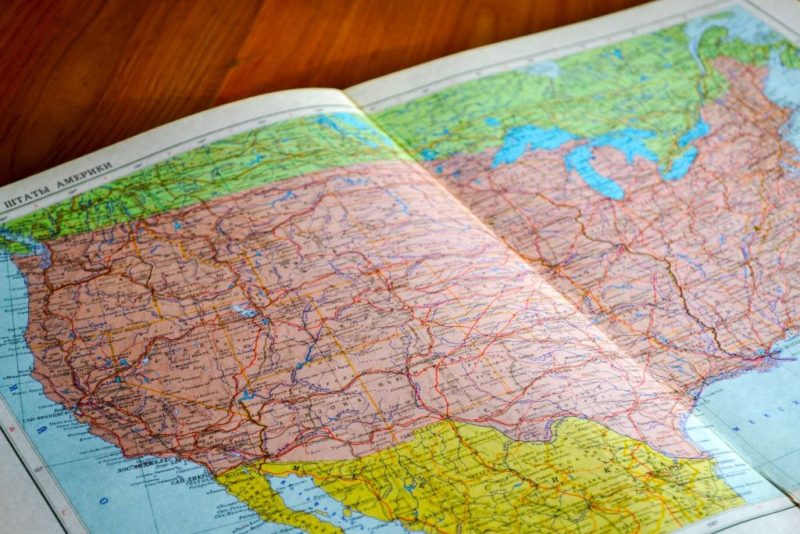

Colorado’s dramatic landscapes tell stories of resilience and renewal through fire. The state’s most significant wildfire zones have transformed into fascinating destinations for outdoor enthusiasts and history buffs alike. Colorado Springs Home Living provides comprehensive insights into these remarkable areas that showcase nature’s powerful cycle of destruction and rebirth.
These fire zones offer unique opportunities to witness ecological recovery firsthand. Visitors can explore areas where massive wildfires once raged, now displaying various stages of forest regeneration. The largest fire in colorado history, the Cameron Peak Fire, burned over 208,000 acres in 2020 and created one of the most accessible recovery zones for public viewing.
Colorado’s fire history reveals patterns of increasing wildfire activity over recent decades. The Cameron Peak Fire became the largest wildfire in Colorado history seven weeks later, and ended up burning a total of 208,913 acres. Additionally, these areas provide valuable lessons about fire management, forest health, and climate adaptation.
Cameron Peak Fire Recovery Zone
The Cameron Peak Fire area represents Colorado’s most extensive burn scar available for public exploration. Located west of Fort Collins, this zone encompasses diverse terrain from foothills to alpine environments. However, the recovery process varies significantly across different elevations and aspects.
Visitors can access multiple viewing points along Highway 14 through Poudre Canyon. The burn area extends across both private and public lands, including portions of Roosevelt National Forest. Therefore, staying on designated trails and roads ensures both safety and land protection.
The recovery timeline varies dramatically based on severity and environmental conditions. High-severity burn areas show slower regeneration compared to areas where ground fires cleared understory vegetation. Additionally, aspen groves demonstrate rapid recovery, often sprouting within the first growing season after fire.
East Troublesome Fire Landscape
The East Troublesome Fire burned nearly 194,000 acres in 2020, making it Colorado’s second-largest wildfire. This fire zone offers spectacular views of Grand County’s mountainous terrain and provides excellent examples of fire behavior in different forest types. However, access requires careful planning due to ongoing restoration activities.
Rocky Mountain National Park contains significant portions of the burn area. Park officials have developed interpretive programs highlighting fire ecology and recovery processes. Therefore, visitors can learn about fire’s role in maintaining healthy ecosystems while exploring affected areas.
The fire’s rapid spread created a mosaic of burn severities across the landscape. Some areas experienced complete canopy loss, while others retained significant tree cover. Additionally, the fire crossed the Continental Divide, demonstrating how extreme weather conditions can drive unprecedented fire behavior.
Pine Gulch Fire Historic Area
Colorado’s third-largest wildfire, the Pine Gulch Fire, consumed over 139,000 acres in 2020 near Grand Junction. This fire zone showcases fire behavior in lower-elevation ecosystems dominated by pinyon-juniper woodlands and sagebrush communities. However, access to this area requires high-clearance vehicles for many locations.
The fire created dramatic contrasts between burned and unburned vegetation. Mesa tops often experienced severe burning while protected draws retained vegetation. Therefore, visitors can observe how topography influences fire spread and intensity patterns.
Recovery in this ecosystem proceeds differently than in higher-elevation forests. Native grasses and wildflowers typically return first, followed by shrub regeneration. Additionally, some tree species require decades to reestablish in these semi-arid conditions.
Hayman Fire Memorial Area
The 2002 Hayman Fire held the record as Colorado’s largest wildfire for 18 years before recent mega-fires. For 18 years, the Hayman Fire was the largest wildfire in the state of Colorado. This historic burn area southwest of Denver provides excellent examples of long-term forest recovery and management challenges.
The fire burned 137,760 acres across multiple jurisdictions, including Pike National Forest. Two decades later, visitors can observe various stages of forest succession and human intervention efforts. However, some areas still show limited tree regeneration despite active restoration projects.
Highway 285 provides primary access to viewing areas, with several pullouts and interpretive sites. The Cheesman Reservoir area offers particularly striking views of recovery patterns. Additionally, the nearby town of Bailey serves as an excellent base for exploring the broader fire zone.
High Park Fire Educational Zone
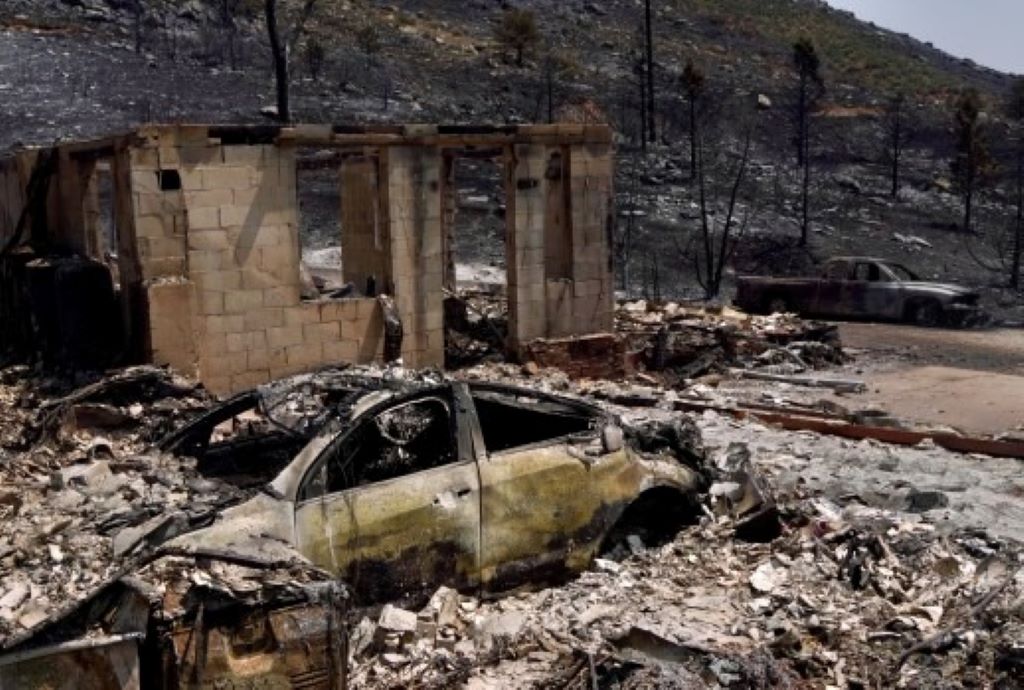
The 2012 High Park Fire northwest of Fort Collins burned 87,284 acres and destroyed numerous structures. This fire zone demonstrates the challenges of wildfire in the Wildland-Urban Interface (WUI). However, recovery efforts have focused on both ecological restoration and community rebuilding.
Horsetooth Mountain Open Space provides excellent access to portions of the burn area. Visitors can hike trails that pass through different burn severities and observe recovery progress. Therefore, this area serves as an outdoor classroom for understanding fire effects and forest management.
The fire’s impact on local communities led to significant changes in building codes and defensible space requirements. Many rebuilt homes incorporate fire-resistant materials and landscaping designs. Additionally, land management agencies implemented new fuel reduction projects to reduce future fire risks.
Spring Creek Fire Viewpoints
The 2018 Spring Creek Fire burned 108,045 acres in south-central Colorado, affecting areas around Fort Garland and the Sangre de Cristo Mountains. This fire zone offers unique perspectives on fire behavior in high-elevation ecosystems. However, weather conditions can limit access during winter months.
The fire burned through diverse habitats, from grasslands to spruce-fir forests. Recovery patterns reflect these ecosystem differences, with grasslands showing rapid regeneration compared to high-elevation forests. Therefore, visitors can observe how elevation and vegetation type influence recovery processes.
State Highway 160 provides primary access to viewing areas, with several scenic overlooks offering panoramic views of the burn area. The nearby Great Sand Dunes National Park creates dramatic contrasts with the mountainous fire zone. Additionally, local communities have developed interpretive materials explaining fire ecology and management.
Visiting Fire Zones Safely
Planning visits to fire zones requires attention to safety and regulations. Many areas remain closed to public access due to ongoing hazards or restoration activities. Therefore, checking current conditions with land management agencies prevents disappointment and ensures compliance.
Weather conditions significantly affect access and safety in fire zones. Summer thunderstorms can create flash flood risks in burned watersheds, while winter snow limits high-elevation access. Additionally, fallen trees and unstable slopes pose ongoing hazards even years after fires.
Proper preparation includes carrying emergency supplies, informing others of travel plans, and understanding evacuation routes. Cell phone coverage may be limited in remote fire zones. However, these precautions enable safe exploration of these remarkable landscapes.
Educational Opportunities
Fire zones provide exceptional learning opportunities for students, researchers, and curious visitors. Many areas feature interpretive trails, educational signage, and volunteer programs. Therefore, these sites serve as outdoor laboratories for understanding fire ecology and forest management.
Colorado State University and other institutions conduct ongoing research in major fire zones. Visitors may encounter research projects studying everything from soil recovery to wildlife habitat restoration. Additionally, citizen science programs allow public participation in monitoring and data collection efforts.
According to CNN, the Cameron Peak Fire’s impact continues to provide valuable data for improving fire management strategies and understanding climate change effects on wildfire behavior.
Planning Your Fire Zone Adventure
Successful fire zone visits require advance planning and flexibility. Access conditions change frequently based on weather, wildlife activity, and restoration work. Therefore, contacting local ranger districts or visitor centers provides current information and recommended routes.
The best viewing seasons typically occur during late spring through early fall when roads are accessible and weather conditions remain stable. However, each season offers unique perspectives on recovery processes and landscape changes.
Photography opportunities abound in fire zones, with dramatic contrasts between regenerating vegetation and stark burn scars. Wildlife viewing can be exceptional as animals adapt to changed habitats. Additionally, wildflower displays often peak in burned areas during recovery years.
The Denver Gazette reports that recent fires continue to shape Colorado’s landscape, creating new opportunities for educational tourism and ecological study while highlighting the ongoing challenges of wildfire management.
Conclusion
Colorado’s major fire zones offer unprecedented opportunities to witness nature’s resilience and complexity. From the massive Cameron Peak Fire area to the historic Hayman Fire zone, these landscapes tell powerful stories of destruction, recovery, and adaptation. Therefore, visiting these areas provides valuable insights into fire ecology, climate change impacts, and forest management challenges.
Each fire zone presents unique characteristics based on elevation, vegetation types, and burn severity patterns. However, all demonstrate the critical role of fire in maintaining healthy ecosystems while highlighting the challenges of managing fire in a changing climate. Additionally, these areas serve as outdoor classrooms for understanding complex ecological processes and human-environment interactions.
Frequently Asked Questions
Can I visit all Colorado fire zones year-round? Access varies by season and location. High-elevation fire zones may be inaccessible during winter months due to snow. Therefore, check current conditions with local land management agencies before planning visits.
Are there guided tours available for major fire zones? Some areas offer interpretive programs and guided tours through visitor centers or educational institutions. However, most fire zone exploration is self-guided using designated trails and viewing areas.
What should I bring when visiting fire zones? Essential items include water, emergency supplies, maps, and appropriate clothing for changing conditions. Additionally, cameras capture dramatic landscapes, while binoculars enhance wildlife viewing opportunities.
How long does forest recovery take after major wildfires? Recovery timelines vary significantly based on burn severity, elevation, and vegetation types. Grasslands may recover within years, while high-elevation forests can require decades for full regeneration. Therefore, each fire zone displays different recovery stages.
Are pets allowed in fire zone areas? Pet policies vary by land management agency and specific location. Many areas require leashes and have seasonal restrictions to protect wildlife. Additionally, hazards like fallen trees and unstable terrain pose risks to pets in fire zones.
Read more: