
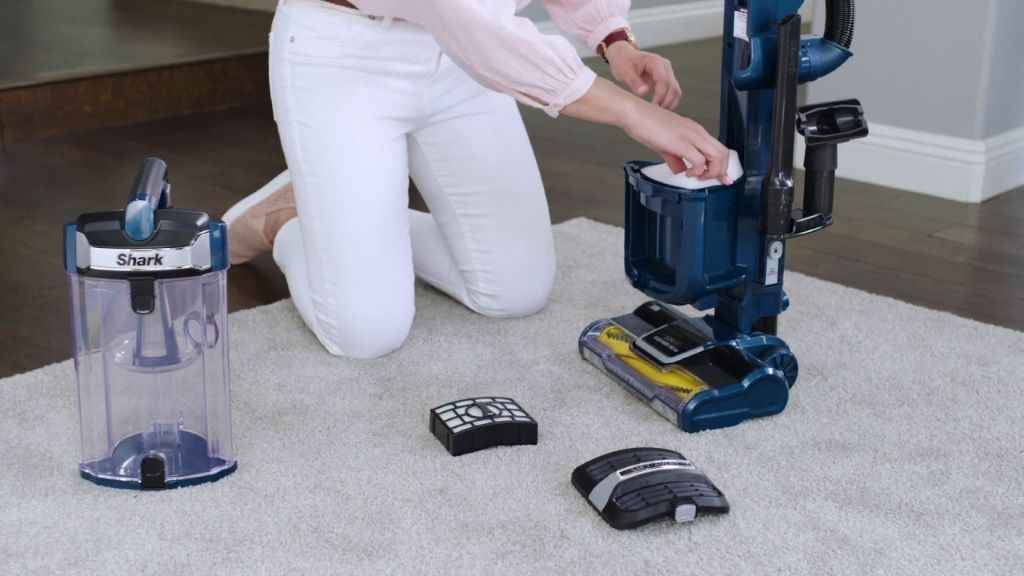
Maintaining your Shark Lift-Away vacuum is essential for optimal performance and longevity. Regular filter maintenance ensures your vacuum continues to capture dust, debris, and allergens effectively. According to Best Vacuum Cleaner, proper filter care can extend your vacuum’s lifespan by several years while maintaining strong suction power.
Your Shark Lift-Away vacuum contains multiple filters that work together to trap particles. However, these filters require regular cleaning to prevent clogs and maintain airflow. Without proper maintenance, your vacuum may lose suction, overheat, or even suffer permanent damage.
Understanding the correct techniques for cleaning filters on shark lift away models will save you money on replacements and keep your home cleaner. Additionally, clean filters improve indoor air quality by effectively capturing allergens and fine dust particles.
Understanding Your Shark Lift-Away Filter System
Shark Lift-Away vacuums typically feature two main filter types. The foam filter captures larger debris and protects the motor. Meanwhile, the HEPA filter traps microscopic particles and allergens.
These filters work in sequence to provide comprehensive cleaning. Therefore, both filters must remain clean for optimal performance. The foam filter sits closer to the dust cup, while the HEPA filter is usually located behind it.
Different Shark Lift-Away models may have slight variations in filter placement. However, the cleaning process remains similar across most models. Check your user manual to identify your specific filter configuration.
Tools and Materials Needed
Gathering the right supplies makes filter cleaning more efficient. You will need lukewarm water, mild dish soap, and clean towels. Additionally, keep a soft brush or old toothbrush handy for stubborn debris.
Avoid harsh chemicals or hot water, as these can damage filter materials. Furthermore, never use a washing machine or dishwasher for filter cleaning. These methods can destroy the delicate filter fibers.
Having a backup set of filters is helpful during cleaning cycles. This allows you to continue vacuuming while your primary filters dry completely.
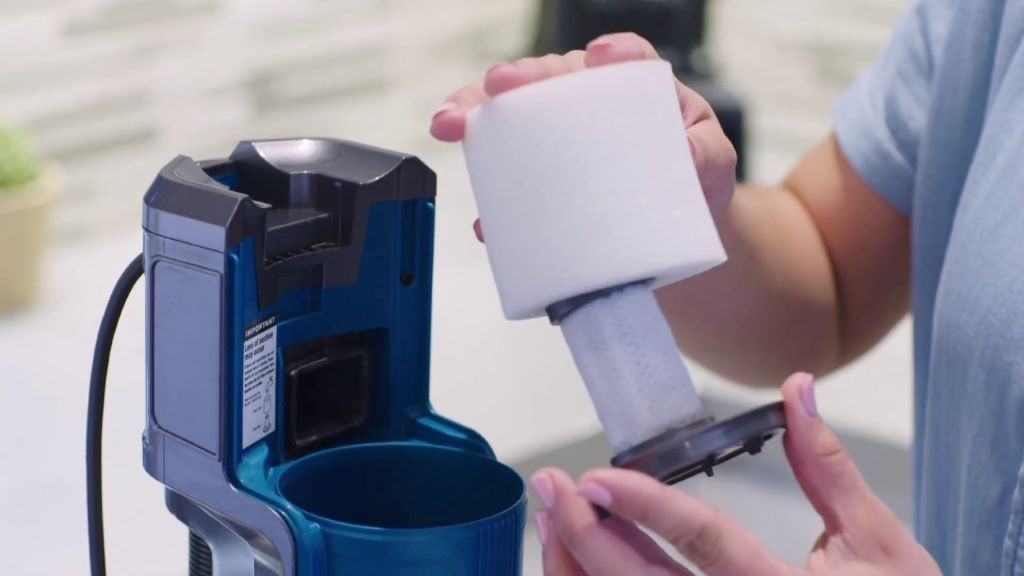
Step-by-Step Cleaning Process
Start by unplugging your vacuum and allowing it to cool completely. Remove the dust cup and locate the filter compartment. Most Shark Lift-Away models have filters that twist or lift out easily.
Removing the Filters
Gently twist the foam filter counterclockwise to remove it. The HEPA filter typically lifts straight out or may require a quarter turn. Handle filters carefully to avoid tearing the delicate materials.
Inspect each filter for visible damage before cleaning. Small tears or holes indicate the filter needs replacement rather than cleaning.
Cleaning the Foam Filter
Rinse the foam filter under lukewarm running water. Gently squeeze the filter to remove trapped debris, but avoid aggressive wringing. Use mild dish soap if the filter appears particularly dirty.
Continue rinsing until the water runs clear. Squeeze out excess water and place the filter on a clean towel. Allow at least 24 hours for complete air drying.
Cleaning the HEPA Filter
HEPA filters require more delicate handling than foam filters. Rinse gently under lukewarm water, allowing water to flow through the pleated material. Never scrub or squeeze HEPA filters aggressively.
Shake the filter gently to remove excess water. Place it in a well-ventilated area to air dry completely. HEPA filters may take up to 48 hours to dry thoroughly.
Drying and Reinstalling Filters
Proper drying prevents mold and mildew growth in your filters. Place filters in a warm, dry location with good air circulation. However, avoid direct sunlight or heat sources, which can damage filter materials.
Check filters every 12 hours during the drying process. Filters must be completely dry before reinstallation. Even slight dampness can cause motor damage or unpleasant odors.
Once dry, reinstall filters in reverse order of removal. Ensure filters sit properly in their housing before securing the dust cup.
Maintenance Schedule and Best Practices
Clean foam filters every month with regular use. HEPA filters need cleaning every three months or when suction decreases noticeably. Heavy pet owners may need more frequent cleaning cycles.
Replace filters annually or when cleaning no longer restores performance. According to Consumer Reports, regular filter maintenance can improve vacuum efficiency by up to 50%.
Keep a maintenance log to track cleaning dates and filter performance. This helps identify when replacement becomes necessary.
Troubleshooting Common Issues
Reduced suction often indicates dirty or clogged filters. If cleaning doesn’t restore performance, check for other blockages in the vacuum system. Additionally, inspect the dust cup and hose for obstructions.
Strange odors during vacuuming may indicate damp filters or trapped organic matter. Re-clean filters and ensure complete drying before use. Persistent odors suggest filter replacement is needed.
Motor overheating can result from severely clogged filters restricting airflow. Turn off the vacuum immediately and allow cooling. Clean or replace filters before resuming use.
When to Replace Rather Than Clean
Filters showing visible damage require immediate replacement. Tears, holes, or crumbling materials compromise filtration effectiveness. Furthermore, filters that remain discolored after cleaning may need replacement.
HEPA filters typically last 6-12 months with proper care. Foam filters may last longer but should be replaced if they lose their shape or density.
Cost-Saving Tips
Purchase genuine Shark replacement filters for best performance. However, some third-party options offer similar quality at lower prices. Research thoroughly before choosing alternatives.
Rotating between two filter sets extends overall filter life. While one set dries, use the backup set to maintain vacuum operation.
Frequently Asked Questions
How often should I clean my Shark Lift-Away filters? Clean foam filters monthly and HEPA filters every three months with regular use. Heavy usage or pet owners may need more frequent cleaning.
Can I use soap to clean HEPA filters? Use only mild dish soap if necessary, but plain water is usually sufficient. Harsh detergents can damage HEPA filter materials.
How long do filters take to dry completely? Foam filters need 24 hours, while HEPA filters require up to 48 hours. Ensure complete drying to prevent motor damage.
What happens if I reinstall damp filters? Damp filters can cause motor damage, unpleasant odors, and mold growth. Always verify filters are completely dry before installation.
Are aftermarket filters as good as genuine Shark filters? Quality varies among aftermarket options. Research thoroughly and read reviews before purchasing non-genuine filters.
Conclusion
Proper filter maintenance is crucial for your Shark Lift-Away vacuum’s performance and longevity. Regular cleaning every few months keeps your vacuum running efficiently while maintaining excellent air quality. Remember to allow complete drying time and replace damaged filters promptly.
Following these simple steps ensures your vacuum continues providing powerful suction and effective cleaning. Additionally, proper maintenance saves money on premature replacements and extends your vacuum’s useful life. Therefore, make filter cleaning a regular part of your home maintenance routine.
Read More:
Mental Health Support for Gig Workers: Finding Balance in the Hustle