
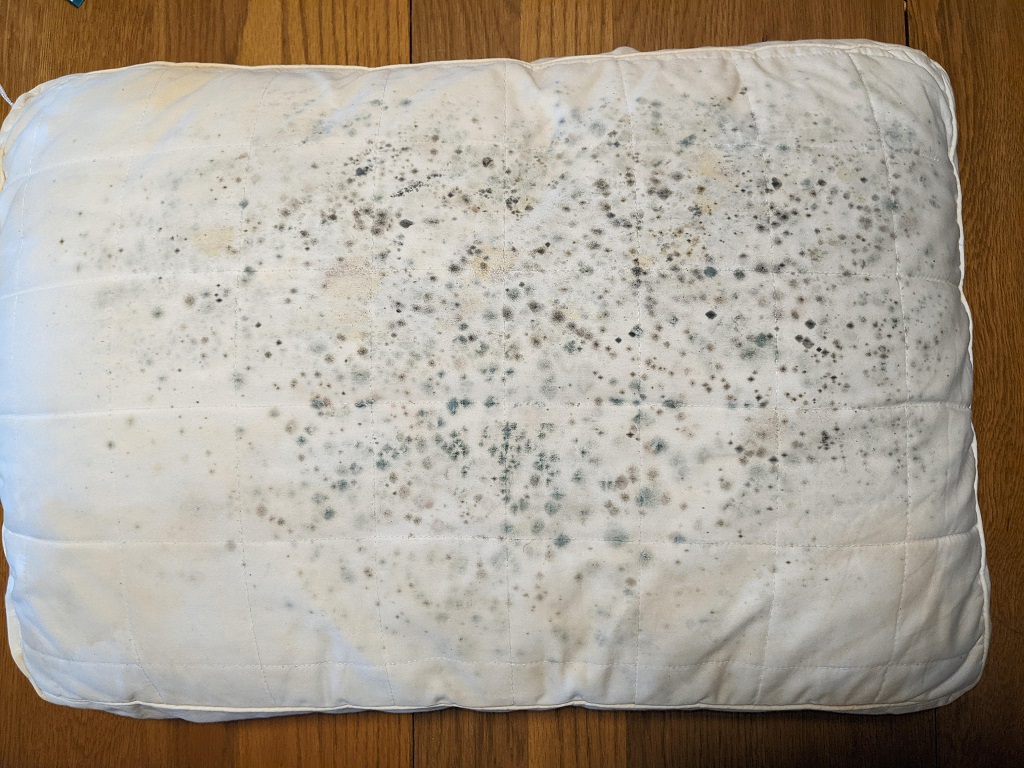
Sleeping on a comfortable pillow is essential for a good night’s rest, but what if your pillow harbors black mold? This hidden danger could pose serious health risks. At Pillow Show Case, we prioritize your sleep health and want to help you understand the dangers of using a moldy pillow. Black mold, a common household issue, thrives in damp, warm environments, and your pillow can become a breeding ground if not properly maintained. This article explores the health risks of using a pillow with black mold, how to identify it, and steps to prevent it.
Understanding Black Mold and Its Dangers
Black mold, scientifically known as Stachybotrys chartarum, is a toxic fungus that grows in moist, poorly ventilated areas. Pillows, especially those used for long periods without cleaning, can accumulate moisture from sweat, saliva, or humid environments, creating ideal conditions for mold growth. If you’re wondering what will happen if I use the pillow that has black molds, the risks range from mild discomfort to severe health issues, depending on exposure and individual sensitivity.
Mold releases spores into the air, which can be inhaled during sleep. These spores may carry mycotoxins, harmful substances that can affect your health. Prolonged exposure, especially in close proximity to your face while sleeping, increases the likelihood of adverse reactions. Therefore, recognizing the risks and taking action is crucial.
Health Risks of Sleeping on a Moldy Pillow
Using a pillow contaminated with black mold can lead to a range of health problems. The severity depends on factors like the duration of exposure, the amount of mold, and your overall health. Below are the primary risks associated with sleeping on a moldy pillow.
Respiratory Issues
Inhaling mold spores can irritate your respiratory system. Common symptoms include coughing, wheezing, and shortness of breath. For individuals with asthma or chronic obstructive pulmonary disease (COPD), exposure may trigger flare-ups or worsen existing symptoms. In severe cases, prolonged exposure can lead to chronic respiratory conditions.
Allergic Reactions
Black mold is a known allergen. Many people experience allergic reactions such as sneezing, runny nose, itchy eyes, or skin rashes after exposure. These symptoms may appear mild at first but can escalate with continued contact. If you wake up with persistent allergy-like symptoms, your pillow could be the culprit.
Infections in Vulnerable Individuals
For those with weakened immune systems, such as the elderly, young children, or people undergoing medical treatments, black mold exposure can lead to infections. Fungal infections, particularly in the lungs, can be serious and require medical intervention. Healthy individuals are less likely to develop infections, but the risk still exists with heavy exposure.
Toxic Effects from Mycotoxins
Black mold produces mycotoxins, which are toxic compounds that can cause neurological symptoms in some cases. These may include headaches, dizziness, fatigue, or difficulty concentrating. In rare instances, prolonged exposure to high levels of mycotoxins may lead to more severe effects, such as memory issues or mood changes.
Skin Irritation
Direct contact with a moldy pillow can cause skin irritation, especially for those with sensitive skin. Redness, itching, or rashes may develop on the face, neck, or other areas that touch the pillow. These symptoms can worsen over time if the moldy pillow is not replaced or cleaned.
How to Identify Black Mold on Your Pillow
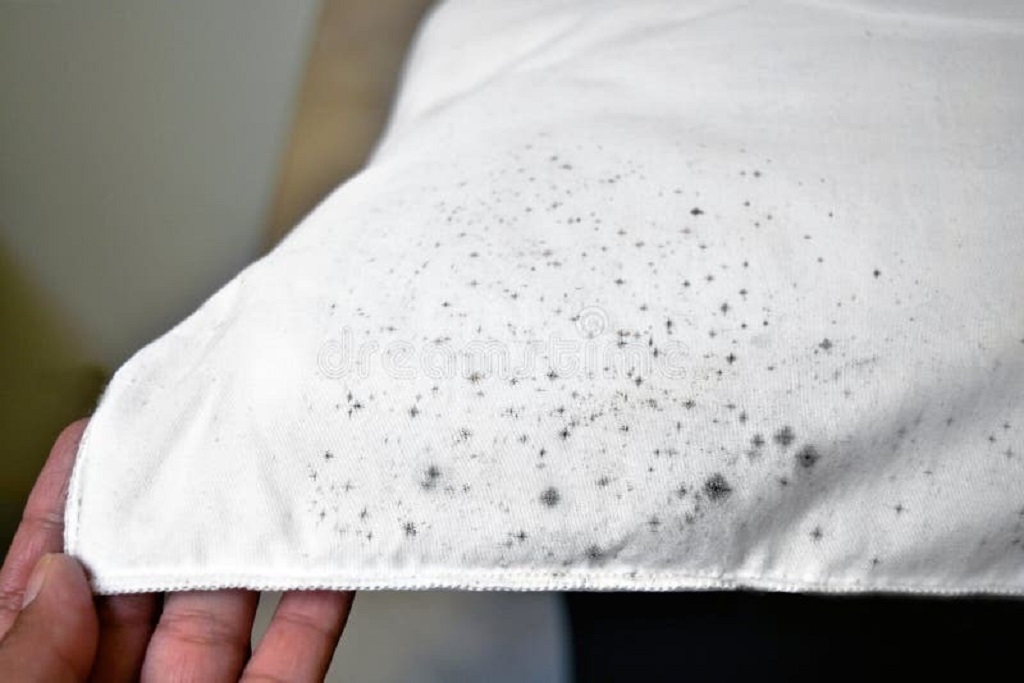
Spotting black mold on your pillow is the first step to addressing the problem. Mold often appears as dark green or black spots, sometimes with a fuzzy texture. However, it may also hide inside the pillow, making it harder to detect. Here are signs to look for:
- Visible Spots: Check for dark patches or stains on the pillowcase or pillow surface.
- Musty Odor: A strong, damp, or musty smell is a common indicator of mold.
- Allergy Symptoms: Persistent sneezing, coughing, or skin irritation after sleeping may suggest mold exposure.
- Discoloration: Yellowing or staining on the pillow, especially in humid climates, could indicate mold growth.
If you notice any of these signs, inspect your pillow immediately. Additionally, consider the pillow’s age and cleaning history. Pillows older than one to two years or those rarely cleaned are more likely to harbor mold.
Why Pillows Develop Black Mold
Pillows are prone to mold growth due to their environment and usage. Several factors contribute to this issue:
- Moisture Accumulation: Sweat, drool, or high humidity can keep pillows damp, encouraging mold growth.
- Poor Ventilation: Storing pillows in enclosed spaces or using non-breathable pillowcases traps moisture.
- Lack of Cleaning: Pillows not washed regularly accumulate dirt, oils, and moisture, creating a mold-friendly environment.
- Humid Climates: Living in areas with high humidity increases the risk of mold growth on bedding.
Understanding these causes can help you take preventive measures to keep your pillows mold-free.
How to Prevent Black Mold on Pillows
Preventing black mold is easier than dealing with its consequences. Here are practical steps to protect your pillows:
- Wash Regularly: Clean your pillows every four to six months, following the manufacturer’s instructions. Most pillows are machine-washable, but check the label first.
- Use Pillow Protectors: A breathable, waterproof pillow protector can shield your pillow from moisture and allergens.
- Keep Your Bedroom Dry: Use a dehumidifier in humid climates to maintain indoor humidity below 50%.
- Replace Old Pillows: Replace pillows every one to two years, as they can accumulate mold and allergens over time.
- Ensure Proper Ventilation: Allow air to circulate around your bedding by avoiding tight storage spaces.
By incorporating these habits, you can significantly reduce the risk of mold growth and maintain a healthy sleep environment.
What to Do If Your Pillow Has Black Mold
If you discover black mold on your pillow, act quickly to minimize health risks. First, stop using the pillow immediately. Wash it thoroughly if it’s machine-washable, using hot water and a mold-killing detergent. For non-washable pillows or severe mold growth, replacement is the safest option. After addressing the pillow, clean your bedding and bedroom to prevent mold from spreading. If symptoms persist after removing the pillow, consult a healthcare professional to rule out mold-related health issues.
Conclusion
Using a pillow with black mold can lead to serious health risks, including respiratory issues, allergic reactions, infections, and even toxic effects from mycotoxins. Identifying mold early and taking preventive measures, such as regular cleaning and using pillow protectors, can safeguard your health. By maintaining a dry, well-ventilated bedroom and replacing old pillows, you can enjoy restful sleep without the dangers of mold exposure. Prioritize your sleep environment to stay healthy and avoid the consequences of black mold.
Read More Also: SAP Partnership Levels Explained: Silver, Gold, Platinum & Beyond
Frequently Asked Questions
Can sleeping on a moldy pillow make you sick?
Yes, sleeping on a moldy pillow can cause respiratory issues, allergies, skin irritation, or infections, especially in sensitive individuals.
How do I know if my pillow has black mold?
Look for dark spots, a musty smell, or persistent allergy symptoms after sleeping. Inspect both the pillow and pillowcase closely.
Can I clean a pillow with black mold?
If the pillow is machine-washable, clean it with hot water and a mold-killing detergent. Otherwise, replace it to avoid health risks.
How often should I replace my pillow to prevent mold?
Replace pillows every one to two years, and use pillow protectors to reduce moisture buildup and mold growth.
What are the long-term effects of mold exposure from pillows?
Long-term exposure may lead to chronic respiratory issues, neurological symptoms, or severe allergic reactions, depending on exposure levels.