
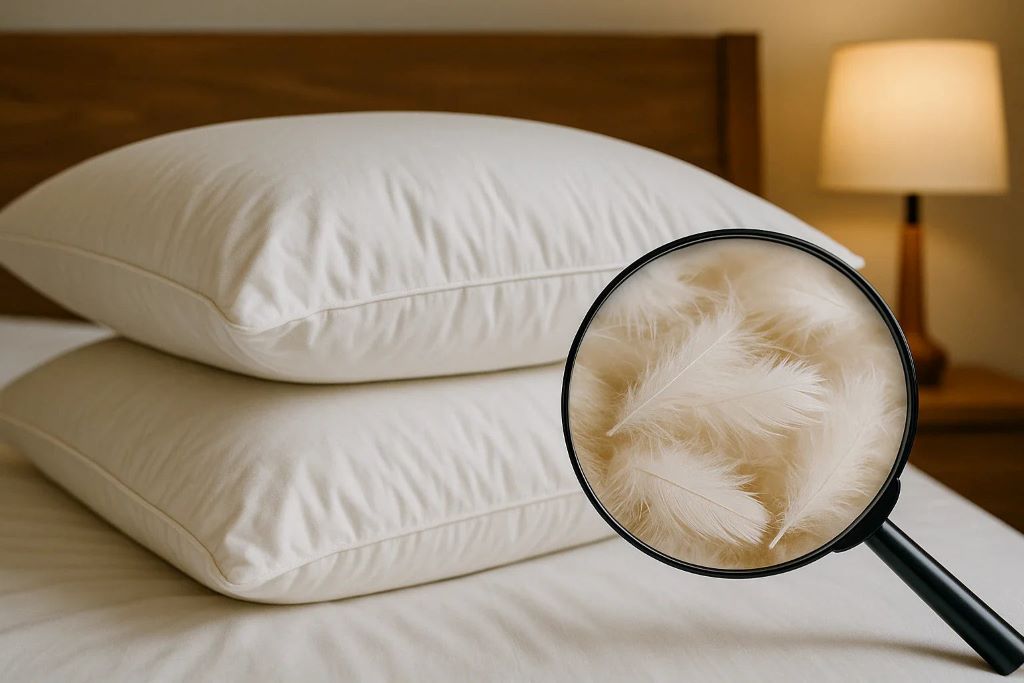
Feather pillows provide luxurious comfort and excellent support for restful sleep. However, maintaining their freshness and cleanliness requires special care and attention. Natural cleaning methods protect the delicate feathers while eliminating odors, allergens, and bacteria. Peak Pillows emphasizes the importance of proper pillow maintenance to extend lifespan and preserve sleep quality.
Many people wonder about the composition and care requirements of their bedding. Understanding what feathers in pillows actually are helps determine the best cleaning approaches. Real feathers require gentler treatment than synthetic alternatives. Additionally, natural cleaning methods preserve the feathers’ structure while maintaining their insulating properties.
The key to successful feather pillow maintenance lies in regular care and proper cleaning techniques. Natural ingredients provide effective cleaning power without harsh chemicals that might damage delicate feathers. Therefore, these time-tested methods ensure your pillows remain fresh, comfortable, and long-lasting.
Understanding Feather Pillow Construction
Types of Feather Fill Materials
Down feathers come from the soft undercoating of ducks and geese. These provide exceptional insulation and lightweight comfort. Down clusters trap air effectively, creating superior temperature regulation and softness.
Regular feathers have quills and structured shapes that provide more support than down alone. Most feather pillows combine down and feathers in various ratios. However, higher down content typically means softer, more expensive pillows.
The quality of feather fill affects cleaning requirements and durability. Premium feathers undergo thorough washing and sanitizing before use. Additionally, better-quality fills resist odors and maintain their loft longer than cheaper alternatives.
Pillow Casing and Protection
Quality feather pillows feature tightly woven cotton or microfiber casings. These fabrics prevent feathers from escaping while allowing air circulation. The thread count and weave density directly impact the pillow’s performance and longevity.
Double-stitched seams and reinforced corners prevent feather leakage during use and washing. Some pillows include inner chambers that distribute fill evenly. Therefore, understanding your pillow’s construction helps determine appropriate cleaning methods.
Pillow protectors add an extra barrier against moisture, oils, and allergens. These removable covers extend the time between deep cleanings. Additionally, quality protectors are easier to wash frequently than the pillows themselves.
Essential Natural Cleaning Ingredients
White Vinegar: The Multi-Purpose Cleaner
White vinegar serves as a natural deodorizer and antimicrobial agent. Its acidic properties break down soap residues and mineral deposits. Additionally, vinegar neutralizes odors without leaving artificial fragrances.
Diluted vinegar solutions work effectively for spot cleaning and freshening. The smell dissipates quickly, leaving pillows odor-free. However, always test vinegar solutions on inconspicuous areas first to ensure fabric compatibility.
Vinegar also helps maintain the natural pH balance of feathers. This prevents degradation and maintains their structural integrity. Therefore, regular vinegar treatments extend pillow lifespan while improving cleanliness.
Baking Soda: Nature’s Deodorizer
Baking soda absorbs moisture and neutralizes odors naturally. Its fine particles penetrate fabric fibers to eliminate embedded smells. Additionally, baking soda is completely safe for sensitive skin and respiratory systems.
Sprinkling baking soda on pillows before vacuuming removes surface odors and freshens the fill. This method works particularly well for smoke odors and pet smells. However, ensure complete removal to prevent residue buildup.
Baking soda also helps maintain proper moisture levels in feather fills. Excess moisture can lead to mold growth and feather clumping. Therefore, regular baking soda treatments prevent these common problems.
Essential Oils: Natural Fragrance and Antimicrobial Properties
Lavender essential oil provides natural antimicrobial benefits while adding pleasant fragrance. Tea tree oil offers powerful antifungal and antibacterial properties. Additionally, eucalyptus oil repels dust mites and other allergens.
Essential oils must be properly diluted to prevent staining or overwhelming fragrances. A few drops mixed with water create effective pillow sprays. However, some people may be sensitive to certain oils, so test small areas first.
Quality essential oils provide therapeutic benefits beyond cleaning. Lavender promotes relaxation and better sleep quality. Therefore, incorporating these oils enhances both cleanliness and sleep experience.
Step-by-Step Natural Cleaning Methods
Daily Maintenance Routine
Fluffing pillows daily helps maintain their shape and prevents feather clumping. Gentle shaking redistributes the fill evenly. Additionally, this process allows air circulation that prevents moisture buildup.
Airing pillows outside on sunny, dry days naturally freshens and sanitizes them. Ultraviolet light kills bacteria and mold spores effectively. However, avoid direct sunlight for extended periods, which might fade fabric colors.
Rotating and flipping pillows weekly ensures even wear patterns. This practice extends pillow lifespan significantly. Additionally, regular rotation prevents permanent indentations and maintains support levels.
Weekly Deep Freshening Treatment
Create a natural pillow spray using distilled water, white vinegar, and essential oils. Mix one cup water, two tablespoons vinegar, and five drops of lavender oil. Additionally, this solution provides antimicrobial benefits without harsh chemicals.
Lightly mist pillows with the solution, focusing on areas that contact skin most frequently. Allow complete air drying before use. Therefore, apply treatments in the morning to ensure thorough drying by bedtime.
Vacuum pillows using upholstery attachments to remove surface dust and debris. Work gently to avoid damaging feathers or fabric. Additionally, this process removes allergens and improves overall cleanliness.
Monthly Intensive Cleaning Process
Remove pillow protectors and cases for separate washing. Check pillows for stains, odors, or damage before proceeding. Additionally, assess whether professional cleaning might be necessary for severely soiled pillows.
Sprinkle baking soda generously over entire pillow surfaces. Allow it to sit for several hours or overnight to absorb odors and moisture. Therefore, plan this treatment when pillows won’t be needed for sleeping.
Vacuum away all baking soda residue using upholstery attachments. Ensure complete removal to prevent buildup. Additionally, shake pillows vigorously to redistribute feathers after vacuuming.
Machine Washing Feather Pillows Naturally
Preparation and Pre-Treatment
Check care labels carefully before attempting machine washing. Some feather pillows require professional cleaning only. However, many high-quality pillows can be safely machine washed with proper techniques.
Pre-treat stains using natural paste made from baking soda and water. Apply to stained areas and let sit for 30 minutes before washing. Additionally, add white vinegar to the rinse cycle for extra deodorizing power.
Use front-loading or commercial-sized machines when possible. Top-loading agitators can damage feathers and fabric. Therefore, choose gentle washing environments to protect pillow integrity.
Natural Washing Solutions
Create natural detergent using soap flakes, baking soda, and white vinegar. This combination cleans effectively without harsh chemicals. Additionally, natural detergents rinse away completely, preventing residue buildup.
Add half cup white vinegar to the rinse cycle for natural fabric softening and odor elimination. Vinegar also helps remove soap residues that might cause skin irritation. However, never mix vinegar with bleach or hydrogen peroxide.
Consider adding wool dryer balls during the wash cycle to help maintain agitation without damage. These natural alternatives to fabric softeners are gentler on delicate feathers. Additionally, they reduce drying time and prevent clumping.
Drying Techniques for Optimal Results
Air Drying Methods
Air drying provides the gentlest treatment for feather pillows. Lay pillows flat on clean, dry surfaces with good air circulation. Turn periodically to ensure even drying throughout the fill.
Outdoor drying on breezy, sunny days works exceptionally well. Fresh air naturally deodorizes while sun provides mild sanitizing effects. However, avoid direct sunlight that might fade colors or overheat feathers.
Indoor air drying requires adequate ventilation and patience. Position fans to improve air circulation around drying pillows. Additionally, allow extra time since indoor drying typically takes longer than outdoor methods.
Machine Drying with Natural Aids
Use low heat settings exclusively when machine drying feather pillows. High temperatures can damage feathers and cause clumping. Additionally, check pillows frequently during the drying process to prevent overheating.
Add clean tennis balls or wool dryer balls to maintain fluffiness during drying. These items help separate feathers and prevent clumping. Therefore, pillows emerge fuller and more comfortable than without these aids.
Remove pillows while slightly damp and finish air drying to prevent over-drying. This technique preserves feather flexibility and prevents brittleness. Additionally, final air drying helps achieve optimal fluffiness.
Stain Removal Using Natural Ingredients
Common Stain Types and Solutions
Sweat stains respond well to paste made from baking soda, water, and lemon juice. Apply to affected areas and let sit before washing. Additionally, this natural bleaching action works without harsh chemicals.
Oil-based stains require different treatment using cornstarch or talcum powder. Sprinkle generously and let absorb oils overnight. Therefore, these absorbent powders lift stains naturally before washing.
Blood stains should be treated immediately with cold water and hydrogen peroxide. Never use hot water, which sets protein stains permanently. Additionally, enzyme-based natural cleaners work effectively on biological stains.
Odor Elimination Strategies
Smoke odors require intensive treatment using activated charcoal and baking soda. Place pillows in sealed containers with these odor absorbers overnight. Additionally, multiple treatments may be necessary for complete odor removal.
Pet odors often penetrate deeply into feather fills. White vinegar solutions neutralize urine odors effectively. However, severe pet odors might require professional cleaning services to fully eliminate.
According to the Good Housekeeping Institute, natural cleaning methods prove as effective as commercial products while being gentler on both fabrics and health.
Preventing Future Contamination
Protective Measures
Quality pillow protectors provide the first line of defense against stains and odors. Choose breathable materials that don’t trap moisture. Additionally, wash protectors weekly to maintain their effectiveness.
Regular pillowcase changes prevent oil and bacteria buildup. Wash pillowcases in hot water to eliminate germs effectively. Therefore, clean pillowcases extend the time between pillow cleanings.
Maintain bedroom humidity levels between 30-50 percent to prevent mold growth. Use dehumidifiers in humid climates or during wet seasons. Additionally, proper ventilation reduces moisture accumulation in bedding.
Lifestyle Adjustments
Shower before bed to remove daily oils and debris from hair and skin. This simple practice significantly reduces pillow contamination. Additionally, clean hair and skin improve overall sleep hygiene.
Avoid eating or drinking in bed to prevent spills and crumbs. Food particles attract insects and create staining risks. Therefore, maintaining eating boundaries protects bedding investments.
Train pets to sleep in their own beds rather than on pillows. Pet oils, fur, and dander accelerate pillow deterioration. However, if pets must share sleeping space, increase cleaning frequency accordingly.
Professional vs. DIY Cleaning Decisions
When to Seek Professional Help
Heavily soiled pillows may require professional cleaning equipment and expertise. Commercial machines and specialized detergents achieve results impossible at home. Additionally, professionals understand specific requirements for different feather types.
Vintage or heirloom pillows deserve professional attention to preserve their value and integrity. Home cleaning methods might damage irreplaceable items. Therefore, invest in professional services for precious bedding.
Multiple failed cleaning attempts indicate the need for professional intervention. Continued DIY efforts might cause permanent damage. However, quality pillows usually respond well to proper professional treatment.
Cost-Benefit Analysis
Professional cleaning costs typically range from $20-50 per pillow depending on location and services. Compare this to replacement costs when making decisions. Additionally, factor in the time and effort required for home cleaning.
Quality feather pillows can last decades with proper care. Professional cleaning every few years maintains their performance and appearance. Therefore, professional services often prove cost-effective for premium pillows.
DIY cleaning suits most routine maintenance needs effectively. Natural methods cost pennies compared to professional services. However, combine both approaches for optimal pillow care and longevity.
The Sleep Foundation recommends replacing pillows every 1-2 years, but proper maintenance can significantly extend their useful life.
Health Benefits of Clean Pillows
Allergen Reduction
Regular cleaning removes dust mites, pollen, and other allergens that accumulate in pillows. Natural cleaning methods are particularly beneficial for sensitive individuals. Additionally, clean pillows reduce nighttime allergy symptoms significantly.
Proper maintenance prevents mold and mildew growth that can trigger respiratory problems. Natural antifungal treatments using essential oils provide ongoing protection. Therefore, clean pillows contribute to better overall health.
Eliminating bacteria and germs through regular cleaning reduces illness transmission. This is particularly important during cold and flu seasons. Additionally, natural antimicrobial ingredients provide ongoing protection between cleanings.
Improved Sleep Quality
Fresh, clean pillows enhance comfort and promote better sleep quality. Odor-free bedding creates more pleasant sleeping environments. Additionally, properly maintained pillows retain their support properties longer.
Natural cleaning methods avoid harsh chemical residues that might cause skin irritation or respiratory sensitivity. This is particularly important for children and sensitive individuals. Therefore, natural approaches support both cleanliness and health.
Well-maintained pillows retain their shape and support characteristics longer than neglected ones. Proper support alignment improves sleep posture and reduces neck and back pain. Additionally, comfortable pillows contribute to falling asleep faster and staying asleep longer.
Conclusion
Natural cleaning methods provide effective, safe solutions for maintaining feather pillow freshness and longevity. These time-tested techniques use common household ingredients to eliminate odors, stains, and allergens without harmful chemicals. Additionally, regular maintenance prevents major cleaning challenges while preserving pillow quality.
The combination of daily fluffing, weekly freshening treatments, and monthly intensive cleaning keeps feather pillows in optimal condition. Natural ingredients like white vinegar, baking soda, and essential oils provide powerful cleaning action while protecting delicate feathers. Therefore, these methods balance effectiveness with gentleness.
Key strategies include using appropriate washing techniques, proper drying methods, and preventive measures to reduce contamination. Understanding when to attempt DIY cleaning versus seeking professional help ensures optimal results while protecting valuable bedding investments. Consistent care using natural methods extends pillow lifespan while promoting healthier sleep environments.
Frequently Asked Questions
How often should I clean my feather pillows naturally? Clean feather pillows thoroughly every 3-4 months with natural methods. However, perform weekly freshening treatments and daily fluffing to maintain cleanliness between deep cleanings. Additionally, wash pillow protectors weekly for optimal hygiene.
Can I machine wash all types of feather pillows? Most quality feather pillows can be machine washed using gentle cycles and natural detergents. However, always check care labels first, as some specialty or vintage pillows require professional cleaning only. Additionally, use front-loading machines when possible to prevent damage.
What natural ingredients work best for removing pillow odors? White vinegar, baking soda, and essential oils provide excellent natural odor elimination. Baking soda absorbs odors, vinegar neutralizes them, and essential oils add pleasant fragrance with antimicrobial benefits. Therefore, combining these ingredients creates powerful natural deodorizing solutions.
How do I prevent my feather pillows from clumping during cleaning? Add tennis balls or wool dryer balls during washing and drying to maintain separation and fluffiness. Additionally, use gentle agitation, avoid over-wetting, and ensure complete drying to prevent feather clumping and maintain pillow shape.
Are natural cleaning methods as effective as commercial products? Natural cleaning methods prove equally effective for routine pillow maintenance while being gentler on both feathers and health. However, heavily soiled pillows or set-in stains might require commercial products or professional cleaning for complete removal.
Read More: