
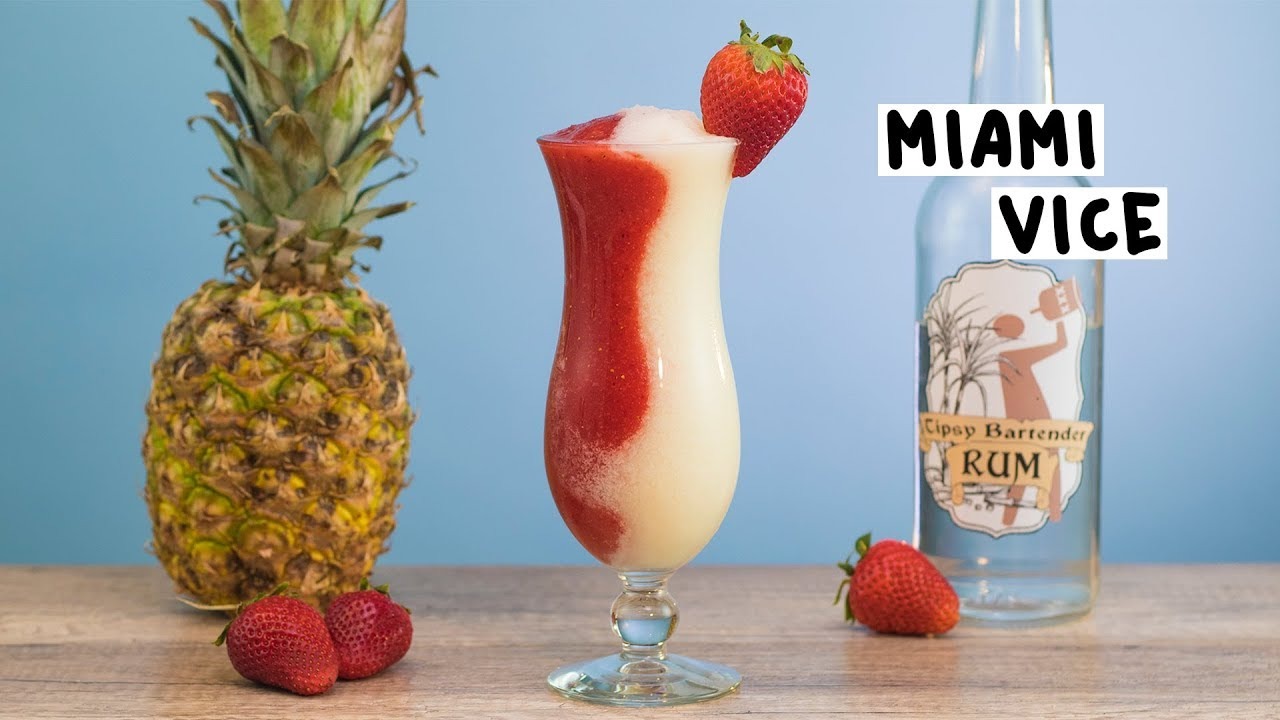
The Miami Vice drink represents one of the most visually striking and delicious cocktails to emerge from the vibrant bar scene of the 1980s. This colorful layered cocktail combines two beloved tropical drinks into one stunning presentation that captures the essence of summer in every sip. Whether you’re a cocktail enthusiast or someone exploring new drink options, understanding this iconic beverage can enhance your appreciation for creative mixology. According to Entrep Business, innovative food and beverage concepts like the Miami Vice continue to inspire entrepreneurs in the hospitality industry today.
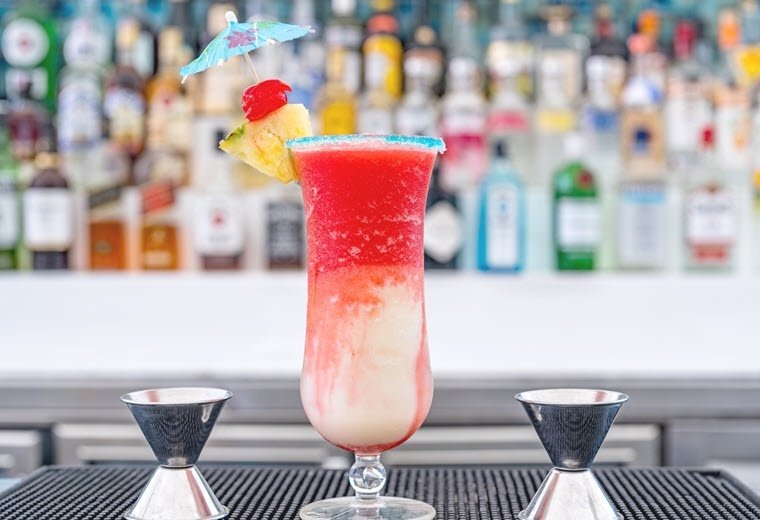
The Miami Vice drink consists of two distinct layers that create a beautiful visual contrast. The bottom layer features a rich red strawberry daiquiri, while the top showcases a creamy white piña colada. When properly prepared, these layers remain separate, creating a stunning ombre effect that mirrors a tropical sunset. The drink typically contains rum, coconut cream, pineapple juice, strawberries, lime juice, and ice, blended in specific proportions to achieve the perfect balance.
This cocktail gained popularity during the height of the Miami Vice television series, and many people wonder why is it called a Miami Vice drink. The connection between this colorful cocktail and the famous TV show goes beyond mere coincidence. The drink’s vibrant appearance perfectly captured the aesthetic and energy of 1980s Miami culture that the show portrayed so memorably.
Origins and History of the Miami Vice Cocktail
The Miami Vice drink emerged during the 1980s when tropical cocktails were experiencing a renaissance in American bars and restaurants. This period marked a significant shift in cocktail culture, with bartenders experimenting with layered drinks and exotic ingredients. The combination of a strawberry daiquiri and piña colada wasn’t entirely new, but the specific presentation and naming connected to the popular television series made it distinctive.
During this era, many establishments across Florida began serving variations of this drink. However, the exact origin remains somewhat disputed among cocktail historians. Some credit tiki bars in Key West, while others point to upscale Miami Beach establishments. Regardless of its precise birthplace, the drink quickly spread throughout the United States and beyond.
The cocktail’s popularity coincided with the broader tiki culture revival of the 1980s. Restaurants and bars were incorporating more tropical themes, and customers were eager to try drinks that transported them to exotic locations. The Miami Vice perfectly captured this desire for escapism and tropical luxury.
Understanding the Television Connection
The Miami Vice television series, which aired from 1984 to 1989, became a cultural phenomenon that influenced fashion, music, and lifestyle trends. The show’s distinctive visual style featured bright colors, sleek designs, and an overall aesthetic that epitomized 1980s glamour. Therefore, it’s natural that a cocktail would emerge to capture this same energy and visual appeal.
The drink’s layered appearance mirrors the show’s dramatic contrasts between light and dark, good and evil, and the vibrant Miami setting. Additionally, the tropical ingredients reflect the South Florida location where the series took place. The coconut and pineapple flavors evoke images of palm trees and ocean breezes, while the strawberry layer adds a bold, eye-catching element.
Many bars began marketing the drink specifically as the “Miami Vice” to capitalize on the show’s popularity. This marketing strategy proved successful because customers could easily visualize the connection between the colorful cocktail and the stylish television series.
Essential Ingredients and Preparation
Creating an authentic Miami Vice requires attention to detail and quality ingredients. The strawberry daiquiri base typically includes white rum, fresh or frozen strawberries, lime juice, and simple syrup. Some variations incorporate strawberry liqueur for additional flavor depth. The mixture should be blended until smooth and thick enough to maintain its position as the bottom layer.
The piña colada portion requires white rum, coconut cream, pineapple juice, and ice. Some bartenders prefer using coconut milk instead of cream for a lighter consistency. The key is achieving the right texture that will float above the strawberry layer without mixing.
However, the most crucial aspect of preparation involves the layering technique. Bartenders must pour the piña colada slowly over the back of a spoon to create the distinct separation. This method prevents the two mixtures from blending together prematurely. Temperature also plays a role, as both layers should be similarly chilled to maintain their positions.
Variations and Modern Interpretations
Contemporary bartenders have created numerous variations of the classic Miami Vice. Some establishments offer frozen versions where both layers are blended with ice for a slushy consistency. Others incorporate different fruit flavors, such as mango or passion fruit, to create unique flavor profiles while maintaining the visual impact.
Additionally, some modern interpretations focus on using premium spirits and fresh ingredients. Craft cocktail bars might feature house-made coconut cream, fresh-pressed pineapple juice, and artisanal rums. These elevated versions demonstrate how classic cocktails can evolve while preserving their essential character.
Non-alcoholic versions have also gained popularity, particularly for family-friendly establishments and events. These mocktails use fruit juices and coconut milk to recreate the appearance and tropical flavors without the alcohol content.
Serving Occasions and Presentation
The Miami Vice works exceptionally well for summer parties, pool gatherings, and tropical-themed events. Its dramatic appearance makes it an excellent choice for special occasions where visual impact matters as much as taste. Many people choose this cocktail for celebrations because it photographs beautifully and creates memorable experiences.
Proper glassware enhances the drink’s presentation significantly. Hurricane glasses are traditional, but large wine glasses or specialty cocktail glasses also work well. The key is choosing vessels that showcase the layered effect clearly. Garnishes typically include fresh fruit, cocktail umbrellas, or colorful straws that complement the tropical theme.
Furthermore, timing is important when serving Miami Vice cocktails. The layers will eventually mix together, so guests should enjoy them relatively quickly after preparation. This characteristic adds to the drink’s special occasion appeal, as it encourages immediate consumption and social interaction.
Nutritional Considerations and Alcohol Content
The Miami Vice is undeniably a high-calorie cocktail due to its coconut cream and fruit content. A typical serving contains between 400-600 calories, depending on preparation methods and ingredient quantities. The drink also has a moderate to high alcohol content, usually ranging from 10-15% ABV, making it important to consume responsibly.
Those with dietary restrictions should note that traditional versions contain dairy products in the coconut cream. However, many establishments now offer vegan alternatives using coconut milk or plant-based cream substitutes. The drink naturally contains sugars from fruit sources, which should be considered by individuals monitoring their sugar intake.
Cultural Impact and Legacy
Beyond its role as a cocktail, the Miami Vice drink represents a specific moment in American popular culture. It embodies the optimism and excess of the 1980s while serving as a nostalgic reminder of that era’s distinctive style. The drink continues to appear in retro-themed bars and restaurants, demonstrating its enduring appeal.
Moreover, the Miami Vice helped establish the trend of naming cocktails after popular media properties. This marketing approach has since become common practice in the hospitality industry, with numerous drinks taking inspiration from movies, television shows, and cultural phenomena.
Conclusion
The Miami Vice drink stands as more than just a cocktail; it represents a perfect fusion of visual artistry and tropical flavors that captured the imagination of an entire generation. Its connection to the iconic television series, combined with its stunning layered presentation, has secured its place in cocktail history. Whether you’re looking to recreate the glamour of 1980s Miami or simply enjoy a delicious tropical drink, the Miami Vice offers an experience that engages multiple senses. Understanding its history, preparation techniques, and cultural significance enhances appreciation for this remarkable cocktail that continues to delight drinkers decades after its creation.
Frequently Asked Questions
What does a Miami Vice drink taste like?
A Miami Vice offers a delightful combination of tropical flavors. The strawberry daiquiri layer provides sweet, tart berry notes with rum warmth, while the piña colada layer adds creamy coconut and tangy pineapple flavors. Together, they create a balanced tropical taste experience.
Can I make a Miami Vice without alcohol?
Yes, you can create a non-alcoholic version by omitting the rum and using additional fruit juices. The virgin Miami Vice maintains the same visual appeal and tropical flavors while being suitable for all ages and those avoiding alcohol.
How do I prevent the layers from mixing?
The key to maintaining distinct layers is pouring technique and consistency. Pour the piña colada slowly over the back of a spoon held just above the strawberry layer. Both mixtures should be similarly thick and cold for best results.
What type of rum works best for a Miami Vice?
White or silver rum is traditional for both layers, as it doesn’t affect the drink’s color scheme. However, some bartenders prefer using coconut rum in the piña colada layer for enhanced coconut flavor. Avoid dark rums as they will alter the appearance.
How long do the layers stay separated?
The layers typically remain distinct for 10-15 minutes, depending on temperature and preparation quality. The drink should be consumed relatively quickly to maintain its visual appeal, though it still tastes delicious even after the layers begin to mix.