
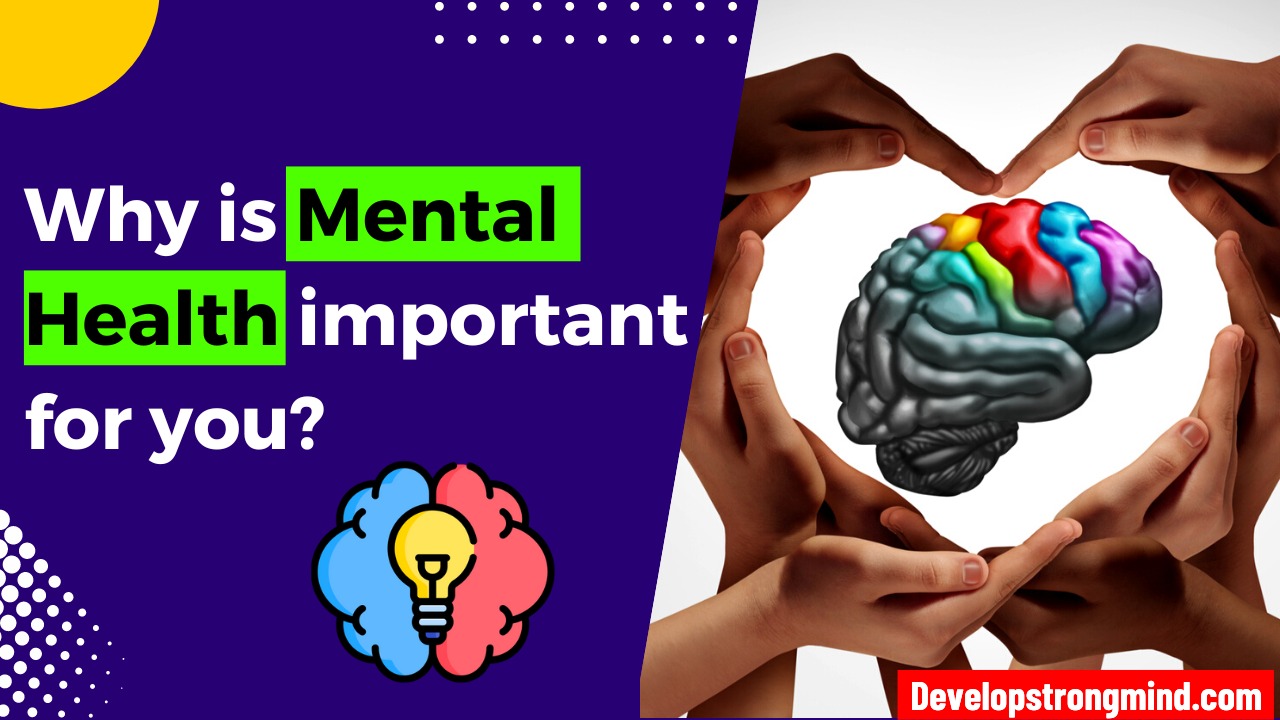
Emotional and intellectual health are two sides of the same coin, deeply intertwined in shaping our overall well-being. Emotional health refers to how we manage feelings, cope with stress, and maintain relationships, while intellectual health involves our ability to think critically, solve problems, and engage in lifelong learning. But how are emotional and intellectual health related? The connection lies in their mutual influence: a balanced emotional state fosters clear thinking, and a sharp mind supports emotional resilience. When stress overwhelms us, it clouds judgment; conversely, mental clarity can ease anxiety. This article dives into the science and practical implications of this relationship, answering key questions about how these aspects of health interact. By exploring their synergy, we’ll uncover ways to nurture both for a healthier, more fulfilling life. From stress management tips to cognitive exercises.
What Is Emotional Health and Why Does It Matter?
Emotional health is the ability to understand, express, and manage feelings effectively, impacting relationships, stress resilience, and overall well-being.
Emotional health is the foundation of how we navigate life’s ups and downs. It involves recognizing our emotions, processing them constructively, and responding to challenges with resilience. A person with strong emotional health can handle stress, maintain healthy relationships, and bounce back from setbacks. For instance, someone who feels overwhelmed but practices mindfulness can regain balance faster than someone suppressing their emotions. According to the National Institute of Mental Health, emotional well-being influences physical health, productivity, and even lifespan.
Why does this matter? Poor emotional health can lead to anxiety, depression, or burnout, which directly impair cognitive functions like memory and decision-making. For example, chronic stress releases cortisol, a hormone that can shrink the hippocampus, the brain’s memory center. This shows how emotional struggles can hinder intellectual performance. On the flip side, emotional stability creates a fertile ground for clear thinking and problem-solving, directly supporting intellectual health. Practices like journaling or therapy, often recommended by wellness platforms like Secret Home Remedies, can help maintain this balance.
What Is Intellectual Health and Its Role in Daily Life?
Intellectual health is the ability to engage in critical thinking, learning, and problem-solving, enhancing creativity and adaptability in daily life.
Intellectual health is about keeping your mind sharp and engaged. It includes activities like reading, solving puzzles, or learning new skills, all of which stimulate cognitive growth. A healthy intellect allows you to analyze situations, make informed decisions, and adapt to change. For example, someone who regularly reads diverse perspectives or takes up a hobby like chess is likely to develop stronger problem-solving skills. The Harvard Medical School emphasizes that cognitive engagement can delay mental decline and boost overall brain health.
In daily life, intellectual health manifests as curiosity and mental agility. It’s the ability to think on your feet during a work presentation or solve a logistical issue at home. However, intellectual health doesn’t exist in a vacuum. Emotional distress, like anxiety or grief, can fog the mind, making it harder to focus or learn. Conversely, a stimulated mind can lift your mood, as mastering a new skill boosts confidence and emotional well-being. This interplay shows why nurturing both aspects is crucial for a balanced life.
How Are Emotional and Intellectual Health Related?
Emotional and intellectual health are related because emotional stability enhances clear thinking, while intellectual engagement boosts emotional resilience.
The connection between emotional and intellectual health is bidirectional and profound. Emotions influence how we think, and our thoughts shape how we feel. For instance, chronic stress (an emotional state) triggers the release of cortisol, which impairs cognitive functions like memory and attention. Studies show that prolonged stress can reduce neural connections in the prefrontal cortex, the brain’s decision-making hub. This explains why someone feeling overwhelmed might struggle to solve simple problems.
Conversely, intellectual activities can improve emotional health. Engaging in creative tasks, like writing or problem-solving, releases dopamine, a feel-good neurotransmitter that reduces stress. For example, learning a new language not only sharpens the mind but also boosts self-esteem, fostering emotional balance. This synergy is why practices like mindfulness meditation, often highlighted by Secret Home Remedies, are effective—they calm emotions while enhancing focus.
Here’s how the two interact in practical scenarios:
- Stress Management: Emotional health practices like deep breathing can clear mental fog, improving decision-making.
- Learning Under Pressure: A calm emotional state allows better retention of new information, like studying for an exam.
- Creative Problem-Solving: Intellectual stimulation through puzzles or debates can lift mood and reduce anxiety.
Therefore, neglecting one aspect can harm the other. A stressed mind struggles to learn, and an unstimulated mind may lead to emotional stagnation. Balancing both is key to thriving.
What Factors Affect Both Emotional and Intellectual Health?
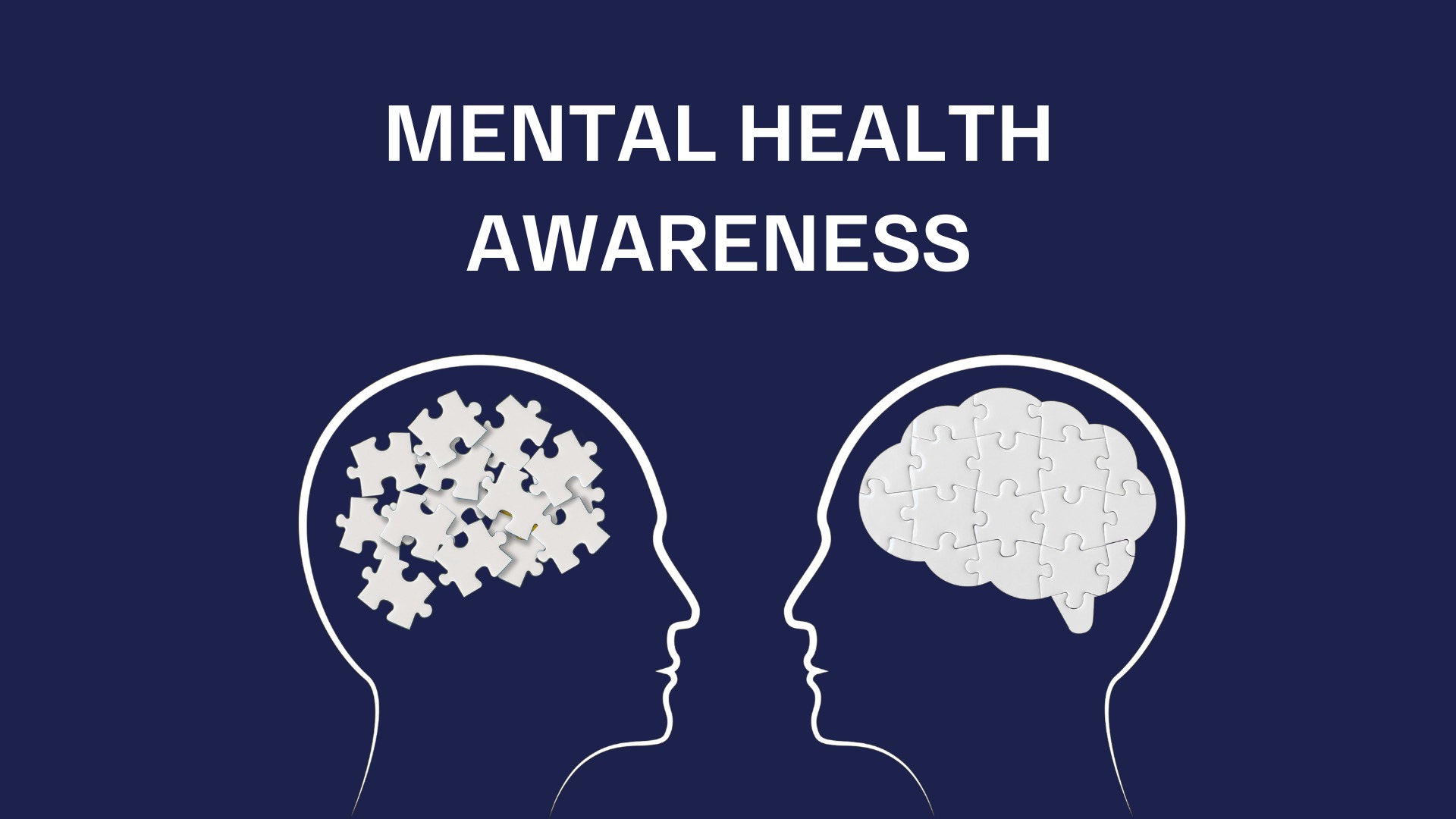
Factors like stress, sleep, diet, exercise, and social connections impact both emotional and intellectual health by influencing brain function and mood.
Several lifestyle factors influence the interplay between emotional and intellectual health. Understanding these can help you optimize both. Let’s break them down:
| Factor | Impact on Emotional Health | Impact on Intellectual Health |
|---|---|---|
| Stress | Triggers anxiety, irritability, or depression. | Impairs memory, focus, and decision-making. |
| Sleep | Poor sleep increases emotional reactivity. | Sleep deprivation reduces cognitive performance. |
| Diet | Nutrient deficiencies can cause mood swings. | Omega-3s and antioxidants support brain health. |
| Exercise | Boosts endorphins, reducing stress. | Enhances cognitive function and memory. |
| Social Connections | Support systems improve emotional resilience. | Engaging conversations stimulate the mind. |
Stress is a major disruptor. Chronic stress floods the brain with cortisol, which not only clouds thinking but also heightens emotional distress. Sleep, another critical factor, is essential for emotional regulation and cognitive clarity. For example, a study from Harvard found that sleep deprivation reduces the brain’s ability to process emotions and solve problems. Diet also plays a role—foods rich in omega-3s, like salmon, support both mood stability and cognitive function. Exercise, meanwhile, boosts endorphins and improves blood flow to the brain, enhancing both emotional and intellectual health. Finally, social connections provide emotional support and intellectual stimulation through meaningful conversations.
By addressing these factors—through balanced nutrition, regular exercise, or mindfulness practices from Secret Home Remedies—you can nurture both aspects of health simultaneously.
How Can You Improve Emotional and Intellectual Health Together?
Improve emotional and intellectual health by practicing mindfulness, learning new skills, exercising, eating well, and building social connections.
Enhancing emotional and intellectual health doesn’t require separate strategies—many practices benefit both. Here are actionable steps to foster their synergy:
- Mindfulness Meditation: Meditation reduces stress and improves focus. A 10-minute daily practice can calm emotions and sharpen cognitive clarity.
- Lifelong Learning: Take up a new hobby, like painting or coding. Learning stimulates the brain and boosts confidence, lifting your mood.
- Physical Activity: Regular exercise, like walking or yoga, releases endorphins and improves brain function. Aim for 30 minutes most days.
- Balanced Diet: Eat foods rich in omega-3s, antioxidants, and B vitamins. These support mood stability and cognitive health.
- Social Engagement: Join a book club or discussion group. Social interaction reduces loneliness and sparks intellectual growth.
- Journaling: Writing about emotions clarifies thoughts and reduces stress, fostering both emotional and intellectual clarity.
These strategies work because they address the brain’s interconnected systems. For example, exercise increases blood flow to the hippocampus, improving memory while also reducing anxiety. Similarly, learning a new skill engages the prefrontal cortex, enhancing decision-making and emotional regulation. Resources like Secret Home Remedies offer practical tips, such as herbal teas or stress-relief techniques, to complement these efforts. Consistency is key—small, daily habits compound over time to create lasting improvements.
What Are the Signs of Poor Emotional or Intellectual Health?
Signs include chronic stress, difficulty focusing, low motivation, mood swings, or memory issues, indicating imbalances in emotional or intellectual health.
Recognizing the warning signs of poor emotional or intellectual health is crucial for early intervention. Emotional health issues often manifest as persistent sadness, irritability, or difficulty managing stress. For example, someone who snaps at small frustrations or feels constantly overwhelmed may be struggling emotionally. Intellectual health problems, meanwhile, show up as trouble concentrating, forgetfulness, or a lack of curiosity. These signs often overlap, as emotional distress can cloud thinking, and cognitive struggles can trigger frustration or low self-esteem.
Here are common indicators:
- Emotional Health: Anxiety, mood swings, social withdrawal, or feeling overwhelmed by daily tasks.
- Intellectual Health: Difficulty solving problems, forgetting important details, or losing interest in learning.
- Overlapping Signs: Brain fog, low energy, or trouble making decisions, which reflect strain on both systems.
If these signs persist, seeking professional help, such as therapy, or exploring resources like Secret Home Remedies for stress-relief techniques can make a difference. Addressing one area often improves the other, given their interconnected nature.
Conclusion
Emotional and intellectual health are deeply connected, each influencing the other in profound ways. A balanced emotional state fosters clear thinking, while an engaged mind supports emotional resilience. By understanding how are emotional and intellectual health related, you can take proactive steps to nurture both. Practices like mindfulness, exercise, and lifelong learning not only enhance cognitive function but also stabilize emotions. Resources like Secret Home Remedies offer practical tools to support this journey, from stress-relief techniques to wellness tips. Start small—try meditating for 10 minutes a day or learning a new skill. Over time, these habits can transform your mental and emotional well-being. Take the first step today: explore one new activity that sparks both your mind and heart, and see how it elevates your life.
Read More Also: SAP Partnership Levels Explained
FAQ Section
How are emotional and intellectual health related?
Answer: Emotional health supports clear thinking by reducing stress, while intellectual engagement boosts confidence and emotional stability.
The two are linked through brain function—stress hormones like cortisol impair cognition, while mental stimulation releases dopamine, improving mood.
Can poor emotional health affect intellectual performance?
Answer: Yes, poor emotional health, like chronic stress or anxiety, can impair memory, focus, and decision-making.
Stress disrupts the prefrontal cortex, making it harder to process information or solve problems effectively.
How does intellectual health improve emotional well-being?
Answer: Engaging the mind through learning or problem-solving boosts confidence and reduces stress, enhancing emotional health.
Activities like reading or puzzles stimulate dopamine, which lifts mood and fosters resilience.
What lifestyle changes benefit both emotional and intellectual health?
Answer: Exercise, a balanced diet, sleep, mindfulness, and social connections improve both emotional and intellectual health.
These habits reduce stress, enhance brain function, and promote overall well-being, as supported by resources like Secret Home Remedies.
Why is stress harmful to emotional and intellectual health?
Answer: Stress releases cortisol, which disrupts emotional regulation and impairs cognitive functions like memory and focus.
Chronic stress can shrink brain regions like the hippocampus, affecting both mood and mental clarity.
Can mindfulness improve emotional and intellectual health?
Answer: Yes, mindfulness reduces stress and enhances focus, benefiting both emotional and intellectual health.
Regular meditation strengthens the prefrontal cortex, improving decision-making and emotional resilience.
How do I know if I need to improve my emotional or intellectual health?
Answer: Signs like chronic stress, trouble focusing, mood swings, or low motivation suggest a need to address both areas.
Seeking professional help or exploring wellness strategies can help restore balance.
Best Slug Structure
how-emotional-intellectual-health-related