
Picture this. You stand by the lake at dawn, rod in hand, ready for a perfect cast. Suddenly, your line twists into a knotty mess. Frustration builds. Line tangles ruin many fishing trips. Anglers face this issue often. According to the Recreational Boating and Fishing Foundation, equipment problems like tangles discourage 25% of beginners from continuing the sport. NOAA reports that discarded tangled lines harm hundreds of thousands of marine animals each year. This highlights proper gear care. If you seek a tangle free fishing reel, explore this comparison. Now, explore box and clam reels. See how they impact line management.
Understanding Box Reels in Fishing
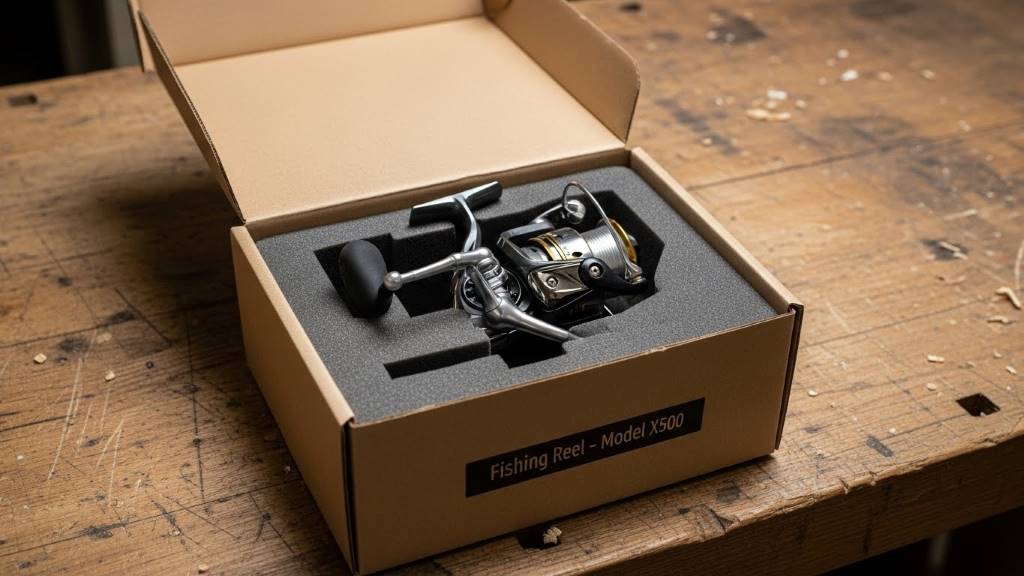
Anglers love box reels for their sturdy packaging. Manufacturers use cardboard boxes to house the reel. These boxes protect during shipping and storage. Padding inside cushions the reel against bumps. Accessories fit neatly in compartments.
Box packaging keeps dust away. It shields the spool from damage. Damaged spools lead to uneven line winding. Consequently, tangles occur more easily. Box reels arrive ready for use. You open the box and find everything organized.
Moreover, boxes stack easily in your garage. They promote long-term storage without issues. However, visibility lacks until you unbox. Still, this design emphasizes protection over display.
Exploring Clam Reels and Their Design
Clam reels come in plastic clamshell packaging. Thermoformed plastic molds around the reel. The clear material lets you see the product. Retailers hang them on hooks for easy browsing.
This packaging snaps shut securely. It guards against tampering. Dust and scratches stay out. Yet, opening requires tools like scissors. Sharp edges can cut fingers.
Additionally, clam packaging suits in-store shopping. You inspect the reel without opening. But, it offers less padding than boxes. Rough handling might dent the spool. Thus, potential for line issues increases.

How Packaging Influences Reel Performance and Line Management
Packaging seems minor. But it plays a key role in reel condition. A well-protected reel winds line smoothly. Poor protection causes misalignment. Misaligned parts create tangles during casts.
For instance, box packaging absorbs shocks better. It reduces risks of bent frames. Bent frames twist line unevenly. On the other hand, clam packaging allows quick checks. You spot defects before purchase.
Furthermore, proper packaging ensures factory settings remain intact. Factories spool line carefully. Shipping damage undoes this work. Therefore, choose packaging that safeguards integrity. Both types help, but box often excels in durability.
Common Causes of Fishing Line Tangles
Tangles frustrate every angler. Overfilled spools top the list. Excess line slips off during casts. It forms loops.
Another cause involves improper spooling. Line twists if the spool rotates wrong. Wind knots appear.
Windy conditions exacerbate problems. Gusts push line back toward the rod. Overlaps happen on the spool.
Additionally, old line stiffens. It memory coils from previous use. New casts pull it into knots.
Poor casting technique contributes too. Abrupt stops create backlash in baitcasters. Spinning reels suffer from open bails.
Lastly, damaged guides snag line. They create friction points. Tangles build from there.
Effective Tips to Prevent Line Tangles
Prevent tangles with smart habits. Start by spooling correctly. Lay the filler spool flat. Match the label side up.
Use quality line. Braided options resist twists better than mono. They lay flat on spools.
Moreover, close the bail manually. Finger pressure keeps line tight. Avoid crank-closing.
Soak line in warm water. This relaxes memory coils. Run the reel under hot tap for a minute.
Stretch new line. Pull it off the spool gently. It sets properly.
Check drag settings. Loose drag lets line slack. Tighten for control.
Finally, practice casts. Smooth motions reduce errors. Patience pays off.
Step-by-Step Guide to Spooling Without Tangles
- Secure the rod. Clamp it horizontally.
- Attach the reel. Ensure it clicks in place.
- Thread line through guides. Start from tip.
- Open bail. Tie line to spool with arbor knot.
- Apply tension. Use a pencil or finger.
- Reel slowly. Keep even pressure.
- Stop before full. Leave 1/8 inch rim.
This method ensures even layers. Tangles drop significantly.
Types of Fishing Reels and Their Tangle-Prone Nature
Different reels handle line differently. Spinning reels excel for beginners. They release line in coils. Tangles rarely form.
Baitcasting reels offer power. But backlash happens easily. Overruns create bird nests.
Spincast reels simplify use. Push-button release minimizes errors. Kids favor them for tangle-free fun.
Fly reels focus on drag. Line tangles less due to manual control.
Trolling reels spool heavy line. They resist twists under pressure.
Choose based on fishing style. Spinning suits most for low tangles.
Pros and Cons of Spinning Reels for Tangle Prevention
- Pros: Easy casting, less backlash, versatile for lures.
- Cons: Line twist with swivels needed, heavier setups.
Overall, they promote smooth experiences.
Related:
Braided vs. Monofilament: Which Fishing Line Wins the Battle?
How to Avoid Casting a Shadow While Sight Fishing in Shallow Water
Advantages of Box Packaging in Preventing Damage
Box packaging shines in protection. Cardboard absorbs impacts. Reels stay aligned.
Organized compartments hold spares. You find tools quickly.
Recyclability appeals to eco-conscious anglers. Toss in bins easily.
Stacking saves space. Garages stay tidy.
However, boxes hide contents. Trust branding for quality.
Still, durability wins for long hauls.
Drawbacks and Benefits of Clam Packaging
Clam packaging boosts visibility. See the reel color and size.
Retail display hooks grab attention. Shoppers decide fast.
Tamper-proof seals build trust. No one touches before you.
But opening frustrates. Tools risk injury.
Plastic wastes more. Recycling varies by area.
Awkward shape hinders storage. They bulge oddly.
Yet, for quick buys, clam works well.
Case Studies: Real Angler Experiences with Packaging
John, a seasoned bass angler, bought a box-packaged reel. It arrived perfect. No dents. He fished tangle-free all season.
Sarah chose clam for visibility. She spotted a loose spool in store. Swapped it out. Avoided future hassles.
A forum survey on BassResource showed 60% prefer box for protection. They reported fewer repairs.
Another study from Outdoor Life highlighted packaging damage in 15% of clam shipments. Boxes had 5%.
These stories show packaging matters indirectly for performance.
Latest Research on Line Tangle Prevention
Recent studies guide better practices. A 2023 Outdoor Life article lists common mistakes. It recommends manual bail closing.
Research from Salt Water Sportsman in 2022 details twist causes. They suggest swivels for spinning setups.
Moreover, a 2024 Captain’s Preferred Products report explains webbing. Line conditioner reduces it by 50%.
Scientists at NOAA emphasize proper disposal. Tangled discards harm wildlife.
Additionally, a Reddit discussion in 2025 shares braid tips. Users note fewer tangles with thinner lines.
These findings help anglers stay informed.
Integrating Accessories for Better Line Control
Accessories enhance tangle prevention. Swivels stop twists. Snap them between line and leader.
Line conditioners spray on. They smooth coils.
Spool bands hold line in place. Prevent slips during transport.
Bobbers add weight. They straighten casts.
Leaders absorb shocks. Reduce main line stress.
Combine these for optimal results.
Storytelling from the Shore: A Day Without Tangles
Recall my first fishing trip. Tangles stole hours. I learned fast.
Now, I check packaging first. Box reels feel secure.
One morning, calm waters beckoned. Smooth casts landed fish after fish.
Friends joined. Their clam reels showed scratches. Minor, but noticeable.
We shared tips. Laughter filled the air.
Experiences like this bond anglers. Proper gear amplifies joy.
Which Packaging Better Prevents Line Tangles?
Neither directly stops tangles. Reels perform the same regardless.
However, box packaging protects better. It minimizes damage risks.
Clam allows inspection. Catch issues early.
Ultimately, box edges out for overall safeguard.
Focus on reel quality too. Packaging supports it.
Conclusion
Box and clam reels differ in packaging. Box offers sturdy protection. Clam provides visibility. Both aid in maintaining reel condition. This reduces tangle chances. Remember common causes like overfilling. Use tips such as proper spooling. Choose spinning for low tangles. Research shows simple habits work. Apply these for better trips. Grab your rod now. Head to the water. Enjoy tangle-free fishing today.
FAQs
What Makes a Reel Tangle-Free?
Quality design and maintenance do. Smooth spools prevent slips. Regular checks catch issues early.
How Does Packaging Affect Line Tangles?
It protects the reel from damage. Intact reels wind line evenly. Damaged ones create uneven surfaces.
Are Box Reels Better for Beginners?
Yes. They arrive organized. Easy setup reduces errors.
Can Clam Packaging Cause Problems?
Opening risks scratches. But visibility helps spot defects.
What Reel Type Minimizes Tangles Most?
Spinning reels do. They release line without backlash.
References