Small coolant leaks can quickly escalate into expensive engine repairs if left untreated. These minor seepage issues often start as barely visible drips but can lead to significant overheating problems. Emergency situations require quick, affordable solutions that buy time until proper repairs can be completed. Wanna Taxi understands the importance of keeping vehicles running safely, especially when transportation reliability matters most.
Temporary radiator seals offer cost-effective solutions for minor coolant system leaks. These products work by creating barriers that stop small leaks without requiring extensive disassembly or professional installation. However, understanding when and how to use these products safely prevents further damage to your cooling system.
The relationship between coolant levels and engine temperature is critical for vehicle operation. When low coolant overheating car situations develop, immediate action prevents catastrophic engine failure. Therefore, temporary sealing products provide valuable emergency solutions when used correctly and appropriately.
Understanding Coolant Leak Types and Severity
Identifying Minor vs Major Leaks
Small coolant leaks typically manifest as slow drips or minor seepage around hose connections, gaskets, or radiator tanks. These leaks often leave small puddles under parked vehicles or cause gradual coolant level drops over several days. Additionally, minor leaks may only become apparent when the engine reaches operating temperature.
Major leaks create obvious puddles, rapid coolant loss, and visible steam from the engine bay. These situations require immediate professional attention rather than temporary fixes. However, distinguishing between minor and major leaks helps determine appropriate treatment approaches.
Visual inspection reveals most coolant leak locations through careful examination of system components. Look for wet spots, mineral deposits, or discoloration around radiator connections, hoses, and gasket areas. Therefore, proper diagnosis ensures that temporary sealing products are suitable for the specific problem.
Common Leak Locations
Radiator tanks represent frequent leak locations due to plastic degradation and thermal cycling stress. Small cracks often develop along seam lines or mounting points where different materials meet. Additionally, age-related deterioration makes older radiators more susceptible to minor leak development.
Hose connections frequently develop leaks when clamps loosen or rubber components deteriorate. These connection points experience constant pressure changes and temperature fluctuations that stress sealing surfaces. However, proper maintenance and periodic inspection prevent many hose-related leaks.
Water pump seals can develop minor weepage that appears as coolant residue around the pump housing. These leaks often start small but can progress rapidly if ignored. Therefore, early detection and temporary sealing can prevent major pump replacement costs.
Types of Temporary Radiator Sealers
Liquid Stop-Leak Products
Commercial liquid sealers work by circulating through the cooling system and forming seals at leak points. These products contain particles that expand when exposed to air, creating plugs in small openings. Additionally, some formulations include chemical components that react with coolant to form durable seals.
Popular brands include Bar’s Leaks, K-Seal, and AlumaSeal, each offering different sealing mechanisms and compatibility features. These products typically cost between $10-25 and provide temporary solutions lasting several weeks to months. However, effectiveness varies based on leak size, location, and cooling system condition.
Installation requires adding the product to the radiator or coolant reservoir while the engine is cool. Most products activate during normal engine operation as coolant circulates through the system. Therefore, following manufacturer instructions ensures optimal sealing performance and prevents system damage.
Powder-Based Sealers
Powdered sealing products offer alternative approaches for temporary leak repair. These products often contain ground materials like black pepper, oatmeal, or commercial stop-leak powders that expand when wet. Additionally, some powders include metallic particles that create more durable temporary seals.
Household alternatives include fine black pepper, which can provide emergency sealing for very small leaks. The particles circulate with coolant and lodge in small openings where they swell and create temporary plugs. However, these homemade solutions should only be used in genuine emergencies.
Commercial powder sealers offer more reliable performance than household alternatives. These products are specifically formulated for cooling systems and designed to minimize potential damage. Therefore, commercial products provide better temporary solutions while maintaining system compatibility.
Epoxy and Putty Solutions
External sealing compounds work for accessible leaks on radiator tanks, hoses, or fittings. These products create permanent patches that withstand cooling system pressures and temperatures. Additionally, epoxy solutions often provide longer-lasting repairs than internal sealers.
Radiator-specific epoxy putties cure quickly and bond effectively to wet surfaces. These products can be applied while minor leaks are active, making emergency repairs possible. However, proper surface preparation improves adhesion and seal durability.
Two-part epoxy systems offer the strongest external repairs for accessible leak locations. These products require mixing but provide professional-quality seals when applied correctly. Therefore, epoxy solutions work well for permanent temporary fixes that last until professional repairs can be scheduled.
Application Methods and Best Practices
Preparing the Cooling System
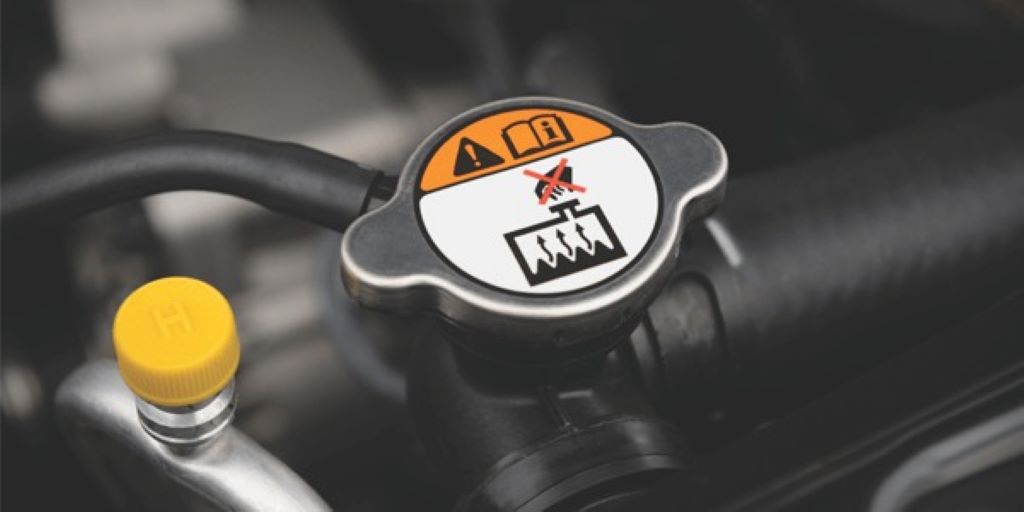
Begin repairs with the engine completely cool to prevent burns and ensure safe working conditions. Remove the radiator cap carefully, watching for any residual pressure release. Additionally, locate the leak source through visual inspection before selecting appropriate sealing methods.
Clean the leak area thoroughly to remove dirt, oil, and coolant residue that could interfere with sealing compound adhesion. Use degreasing agents and allow complete drying for external sealers. However, internal sealers work effectively without extensive cleaning requirements.
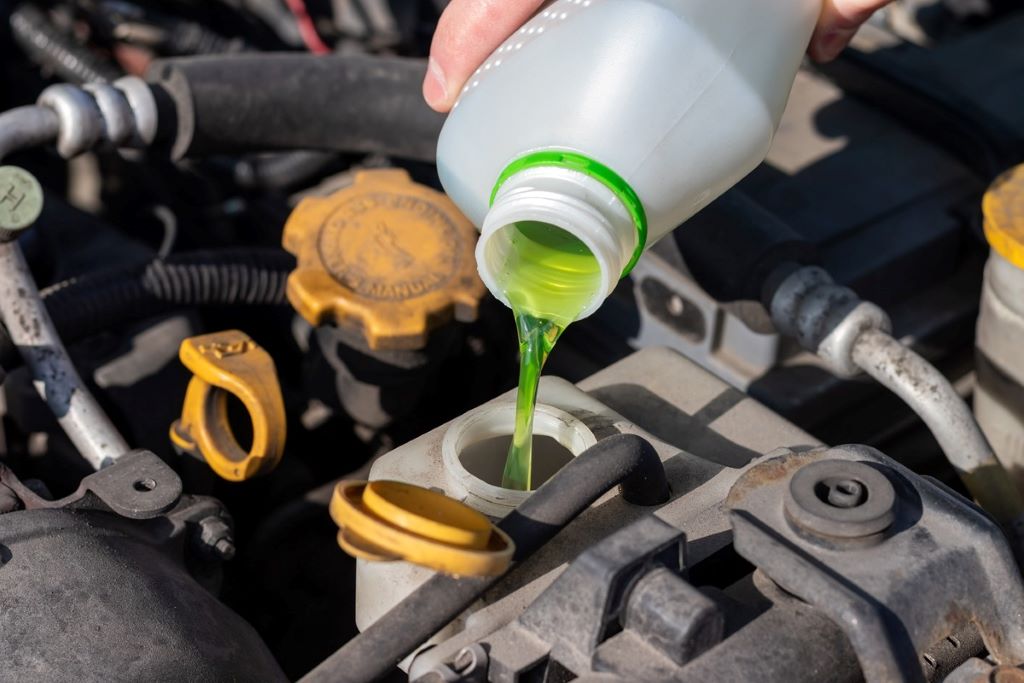
Check coolant levels and top off with appropriate coolant mixture before adding sealing products. Most liquid sealers require adequate coolant circulation to reach leak locations effectively. Therefore, proper fluid levels ensure optimal sealing product distribution throughout the system.
Internal Sealer Installation
Add liquid sealing products to the radiator or coolant reservoir according to manufacturer directions. Most products specify addition ratios based on cooling system capacity. Additionally, some formulations require engine operation at specific temperatures for proper activation.
Start the engine and allow it to reach normal operating temperature while monitoring for leaks and overheating signs. The circulation process distributes sealing compounds throughout the system where they can locate and seal minor openings. However, watch temperature gauges carefully during this process.
Drive the vehicle normally after sealer installation to complete the curing process. Most products require 15-30 minutes of operation to achieve full effectiveness. Therefore, normal driving conditions help activate sealing compounds and create durable temporary repairs.
External Patch Application
Clean and dry the leak area thoroughly before applying external sealing compounds. Remove loose paint, corrosion, or debris that could prevent proper adhesion. Additionally, slightly roughening smooth surfaces improves mechanical bonding with epoxy products.
Apply sealing compounds according to manufacturer instructions, ensuring complete coverage of the leak area plus surrounding material. Build up layers gradually rather than applying thick single coats. However, work quickly with fast-curing products to prevent premature hardening.
Allow proper curing time before adding coolant or starting the engine. Most epoxy products require 30 minutes to several hours for full strength development. Therefore, patience during curing prevents seal failure and repeat repairs.
According to automotive experts at Consumer Reports, temporary cooling system repairs should only be used as emergency measures while planning permanent solutions.
Safety Considerations and Limitations
When Not to Use Temporary Sealers
Large leaks that cause rapid coolant loss require immediate professional attention rather than temporary sealing attempts. These situations can lead to catastrophic engine overheating within minutes. Additionally, active steam production indicates temperatures too high for safe temporary repair attempts.
Leaks in pressurized areas like water pump housings or cylinder head gaskets often exceed temporary sealer capabilities. These locations experience high pressures and temperatures that quickly defeat temporary measures. However, proper diagnosis helps distinguish between suitable and unsuitable repair candidates.
Recent cooling system work or component replacement may void warranties if temporary sealers are used. Professional repairs often include guarantees that temporary products could compromise. Therefore, consider warranty implications before using any sealing products.
Monitoring System Performance
Temperature gauge monitoring becomes critical after applying temporary sealing products. Some sealers can restrict coolant flow if used excessively or in systems with existing blockages. Additionally, watch for unusual temperature fluctuations that might indicate sealer-related problems.
Check coolant levels frequently during the first few days after sealer application. Successful sealing should stop level drops, while continued loss indicates inadequate repair or multiple leak locations. However, some initial level reduction is normal as sealers cure and settle.
Listen for unusual noises from the cooling system that might indicate pump problems or flow restrictions. Grinding, squealing, or cavitation sounds require immediate attention. Therefore, audio monitoring helps detect sealer-related complications early.
Environmental and Disposal Concerns
Dispose of used sealing products and contaminated coolant according to local environmental regulations. Many areas have specific disposal requirements for automotive fluids and chemical products. Additionally, some sealing compounds contain materials that require special handling.
Avoid allowing sealing products to enter storm drains or soil where they could contaminate water supplies. Collect spills immediately and dispose of cleanup materials properly. However, most commercial sealers are designed to be environmentally responsible when used as directed.
Consider the environmental impact of temporary versus permanent repairs. While sealers provide immediate solutions, proper repairs eliminate ongoing leak risks and potential environmental contamination. Therefore, balance immediate needs with long-term environmental responsibility.
Cost Analysis and Product Selection
Budget-Friendly Options
Basic liquid stop-leak products typically cost $8-15 and provide adequate performance for minor leaks. These entry-level options work well for emergency situations or older vehicles where extensive repairs aren’t economically justified. Additionally, generic brands often perform similarly to name-brand products at lower costs.
Household emergency solutions like black pepper cost virtually nothing but should only be used when commercial products aren’t available. These alternatives provide temporary relief while obtaining proper sealing compounds. However, commercial products offer more reliable and longer-lasting results.
Powder-based sealers often provide better value than liquid alternatives for very small leaks. These products typically cost $5-12 and can seal multiple minor leaks simultaneously. Therefore, powder options suit budget-conscious repairs and emergency situations.
Premium Product Features
High-end sealing products often include additional benefits like cooling system cleaning agents or corrosion inhibitors. These formulations cost $20-40 but provide comprehensive system treatment beyond simple leak sealing. Additionally, premium products often offer longer-lasting repairs and better compatibility.
Professional-grade sealers designed for fleet maintenance typically offer superior performance and longer service life. These products cost more initially but provide better value for vehicles requiring extended temporary repairs. However, professional products may require specific application procedures.
Specialized sealers for aluminum radiators or hybrid vehicle cooling systems justify premium pricing through targeted formulations. These products address specific material compatibility requirements that generic sealers might not handle effectively. Therefore, vehicle-specific products provide better results despite higher costs.
Long-term Considerations and Planning
Transitioning to Permanent Repairs
Schedule professional repairs as soon as possible after applying temporary sealing products. Most temporary solutions have limited service lives and can complicate permanent repairs if left too long. Additionally, early permanent repairs prevent secondary damage from system stress.
Document the leak location, sealing product used, and application date for future reference. This information helps technicians understand system history and plan appropriate permanent repairs. However, inform repair shops about temporary sealers to prevent compatibility issues.
Budget for permanent repairs while temporary sealers provide transportation continuity. Use the additional time to research repair options, obtain multiple quotes, and plan for vehicle downtime. Therefore, temporary repairs provide valuable planning opportunities rather than indefinite solutions.
System Maintenance After Temporary Repairs
Monitor coolant levels more frequently after applying temporary sealers. These products can affect normal cooling system behavior and may require adjusted maintenance schedules. Additionally, watch for signs that temporary repairs are beginning to fail.
Consider more frequent coolant changes to remove sealer residues and maintain system cleanliness. Some temporary sealers can accumulate in the system over time and affect performance. However, follow manufacturer recommendations for post-sealer maintenance procedures.
Avoid mixing different sealing products without researching compatibility. Multiple products can interact negatively and cause system blockages or reduced effectiveness. Therefore, stick with single product solutions or consult professionals before combining treatments.
According to the National Highway Traffic Safety Administration, regular cooling system maintenance prevents most minor leak problems from developing into major failures.
Emergency Repair Techniques
Roadside Solutions
Carry emergency sealing supplies in your vehicle toolkit for unexpected leak situations. Small bottles of liquid sealer, basic tools, and extra coolant provide roadside repair capabilities. Additionally, emergency supplies prevent minor problems from becoming major breakdowns.
Know your vehicle’s cooling system capacity and coolant type before emergencies occur. This information ensures proper sealer application ratios and compatible coolant replacement. However, keep vehicle documentation accessible for reference during stressful situations.
Practice basic cooling system inspection techniques to quickly assess leak severity. Understanding the difference between repairable and dangerous leaks helps make appropriate decisions during emergencies. Therefore, preparation improves emergency response effectiveness and safety.
Mobile Repair Considerations
Some temporary sealing products work effectively while engines are running, allowing mobile repairs during travel. These products can buy time to reach service facilities or complete important trips. Additionally, mobile-compatible sealers provide flexibility during breakdown situations.
Understand product activation times and effectiveness windows for travel planning. Some sealers require immediate use while others provide extended protection. However, don’t rely on temporary repairs for extended travel without backup transportation plans.
Communication with roadside assistance or repair facilities becomes important when using temporary sealers. Inform service providers about products used to ensure compatible permanent repairs. Therefore, documentation and communication prevent complications during professional service.
Conclusion
Temporary radiator sealing products provide valuable emergency solutions for minor coolant leaks when used appropriately and safely. These affordable options can prevent catastrophic engine damage while providing time to arrange permanent repairs. Additionally, proper product selection and application techniques maximize effectiveness while minimizing system damage risks.
Key success factors include accurate leak assessment, appropriate product selection, and proper application procedures. Understanding limitations prevents misuse that could worsen problems or create safety hazards. However, temporary repairs should always be followed by professional permanent solutions as soon as practical.
Cost-effective temporary sealing options range from $5-40 depending on product type and features. Emergency supplies and basic knowledge provide valuable insurance against unexpected cooling system failures. Therefore, preparation and understanding help maintain transportation reliability while managing repair costs effectively.
Frequently Asked Questions
How long do temporary radiator sealers typically last? Most temporary sealers provide 2-8 weeks of effective sealing depending on leak size, system condition, and driving conditions. However, some high-quality products may last several months under ideal circumstances. Plan permanent repairs within this timeframe for best results.
Can temporary sealers damage my cooling system or engine? When used correctly, quality temporary sealers rarely cause damage to modern cooling systems. However, overuse or inappropriate products can cause blockages or pump problems. Therefore, follow manufacturer directions and use products sparingly for best safety.
Will temporary sealers work on all types of coolant leaks? Temporary sealers work best on small leaks in radiators, hoses, and minor gasket seepage. Large leaks, cracked engine blocks, or blown head gaskets typically exceed sealer capabilities. Additionally, high-pressure leaks may require professional attention immediately.
Should I flush my cooling system after using temporary sealers? Most modern sealers don’t require system flushing, but check manufacturer recommendations. Some older or aggressive formulations may benefit from flushing before permanent repairs. However, inform repair technicians about sealer use for appropriate service procedures.
What’s the difference between liquid and powder sealers? Liquid sealers offer easier application and more consistent results, while powder options often cost less and work well for very small leaks. Liquid products typically provide longer-lasting repairs, but powders can be effective emergency solutions when properly applied.
Read More:
Why Is My Car Overheating? 7 Key Causes and How to Fix Them