
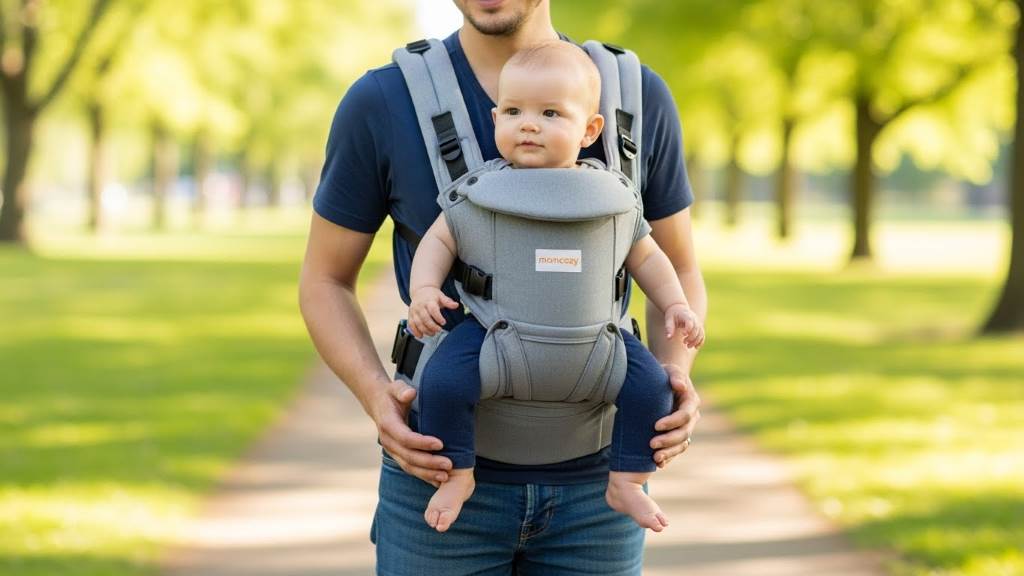
Imagine this: You’re chasing after your toddler at the park, or rushing through errands with a fussy baby in your arms. Suddenly, that familiar ache creeps into your lower back. Many parents face this every day. Studies show that up to 80% of new parents experience back pain from carrying their little ones, according to research from orthopedic sources. The good news? An ergonomic hip seat carrier like Momcozy changes everything by shifting weight to your hips and core instead of straining your spine.
This article explores how these innovative carriers ease discomfort, support your body, and keep bonding joyful. You will learn practical ways to choose and use one for real relief.
Why Back Pain Hits New Parents Hard
Carrying a baby or toddler adds constant load to your body. Traditional methods, like holding them in your arms or using outdated carriers, pull your posture forward. This strains the lumbar area and shoulders.
Biomechanical studies highlight that uneven weight distribution increases pressure on the spine. Parents often lean or twist awkwardly, leading to muscle fatigue. Over time, this builds into chronic discomfort.
A spine-friendly baby carrier addresses this by promoting natural alignment. It keeps your back straight and engages core muscles. Parents report feeling less tired after switching to better designs.
What Makes a Carrier Ergonomic?
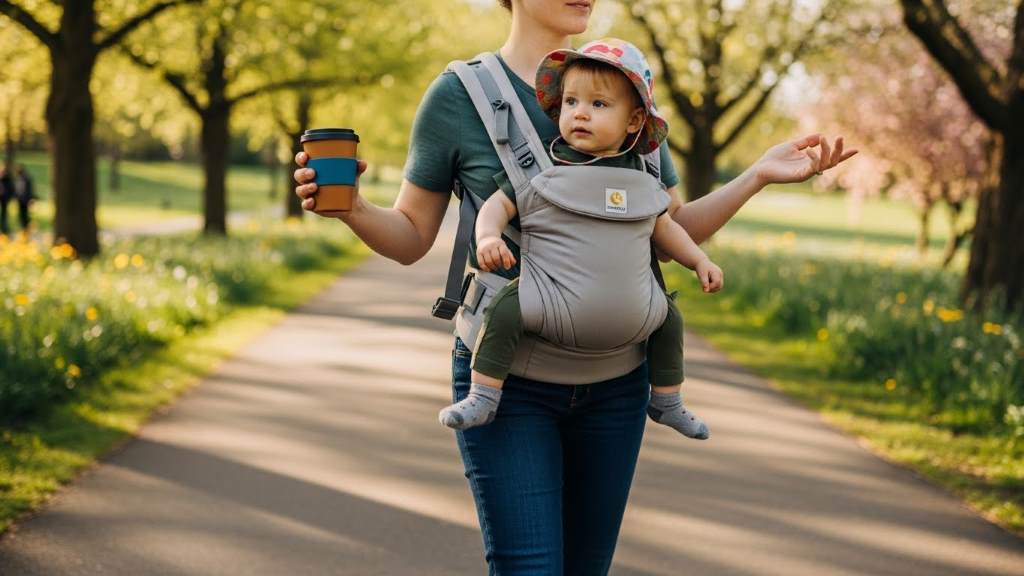
Ergonomic means supporting both parent and baby naturally. Look for padded waist belts, adjustable straps, and seats that hold the baby’s hips in an “M” position. Knees stay higher than the bottom for healthy development.
For parents, wide belts distribute weight across hips. This reduces load on the lower back. Lumbar support adds extra comfort during long wears.
Research from pediatric sources confirms ergonomic designs prevent strain. They maintain neutral spine posture, unlike dangling-leg carriers that pull you forward.
How Momcozy’s Ergonomic Hip Seat Carrier Tackles Back Pain
Momcozy stands out with thoughtful features. The widened waist belt includes an EVA massage pad for abdominal and lumbar relief. This design spreads your baby’s weight evenly across your hips.
Unlike traditional carriers that rely on shoulders, the hip seat acts like a shelf. It absorbs pressure and keeps your posture upright. Parents using Momcozy often say they carry longer without ache.
The 3D belly protector cushions the front, while X-shaped back support balances load. Multiple positions, like inward-facing or side carry, let you adjust for comfort.
Key Benefits for Parents and Babies
These carriers offer clear advantages over basic options.
Relief from Back and Shoulder Strain
Weight shifts to your strongest muscles, hips and core. This cuts pressure on the spine. Many parents notice immediate difference after short wears.
Better Posture and Core Engagement
Standing tall becomes natural. The belt encourages core activation, strengthening muscles over time. This helps prevent future issues.
Hands-Free Freedom for Daily Life
Run errands, cook, or play with siblings. The secure seat lets you move freely without constant readjusting.
Support for Baby’s Healthy Development
The seat promotes the “M” position. This aids hip joint growth and spine alignment, per hip health guidelines.
Versatility for Growing Kids
Suitable from newborns to toddlers up to 45 pounds. Switch positions as your baby grows, keeping comfort high.
Comparing Hip Seat Carriers to Traditional Ones
Traditional carriers hang babies from shoulders. This pulls you forward and strains the back quickly.
Hip seat carriers like Momcozy change that. The built-in seat supports from below. Weight stays low, reducing fatigue.
A waist seat carrier adds even more stability. It hugs your body closely, preventing shifts. Parents with back history prefer this for longer outings.
Edge cases include very active toddlers. Hip seats handle quick ups and downs better. Traditional ones might cause more bounce strain.
Practical Tips to Maximize Comfort and Avoid Pain
Follow these steps for the best results.
- Adjust the waist belt snugly at your natural waist.
- Position the seat centered for balance.
- Secure buckles firmly to prevent slipping.
- Start with short wears to build tolerance.
- Alternate sides to avoid uneven strain.
- Take breaks if you feel tension.
- Combine with gentle core exercises for extra support.
Proper fit matters most. Tighten straps so baby stays high and close. This keeps weight centered.
Related:
How to Get Baby to Crawl: Expert Tips and Techniques
Baby Bouncer Weight Limits When to Stop
Real Stories from Parents
Many share how Momcozy transformed their days. One parent said, “I carried my 18-month-old for hours at a museum without any back pain.” Another noted the seat saved their shoulders during long walks.
These experiences highlight real value. Parents with prior issues find relief fast.
Conclusion
Ergonomic hip seat carriers like Momcozy offer smart relief from back pain. They distribute weight evenly, support posture, and promote bonding without discomfort. Features like lumbar padding and versatile positions make them ideal for busy families.
Ready to feel the difference? Explore the Momcozy ergonomic hip seat carrier today and enjoy pain-free carrying. Your back will thank you, and your baby will stay happy and close.
FAQs
What age can babies use an ergonomic hip seat carrier?
Babies can start from newborn stage with proper support. Most models suit up to toddlers around 45 pounds. Always check guidelines for safe fit.
How does a hip seat carrier differ from a spine-friendly baby carrier?
A hip seat focuses on hip-level support to ease lower back strain. A spine-friendly baby carrier emphasizes overall alignment for both parent and baby. Many combine both for best results.
Can a waist seat carrier help with postpartum recovery?
Yes, the wide belt provides gentle abdominal support. It reduces pressure on recovering muscles while distributing weight evenly.
Is back pain normal when using any baby carrier?
No, proper ergonomic designs prevent pain. If discomfort occurs, adjust fit or try a different style. Consult a professional if pain persists.
How long can I wear my baby in a hip seat carrier safely?
Many parents wear for hours with no issues. Start short and build up. Listen to your body and take breaks as needed.
References