
Flowers have spoken the language of love across civilizations for thousands of years. From ancient Rome to modern-day Japan, different cultures have assigned unique meanings to various blooms. Understanding these floral symbols helps us appreciate how humanity has expressed affection throughout history. Additionally, this knowledge allows us to choose meaningful flowers for loved ones from diverse backgrounds.
The Universal Language of Flowers
The Victorian era popularized floriography, or the language of flowers, in Western societies. However, floral symbolism existed long before this period. Ancient civilizations used flowers in courtship rituals and wedding ceremonies. Therefore, many blooms carry romantic meanings that transcend cultural boundaries while maintaining distinct interpretations in different regions.
Every culture has developed its own vocabulary of love through flowers. These meanings often reflect local beliefs, mythology, and historical events. Moreover, the same flower can represent different emotions depending on geographical location. This rich diversity makes the study of floral symbolism endlessly fascinating.
Red Roses in Western Traditions
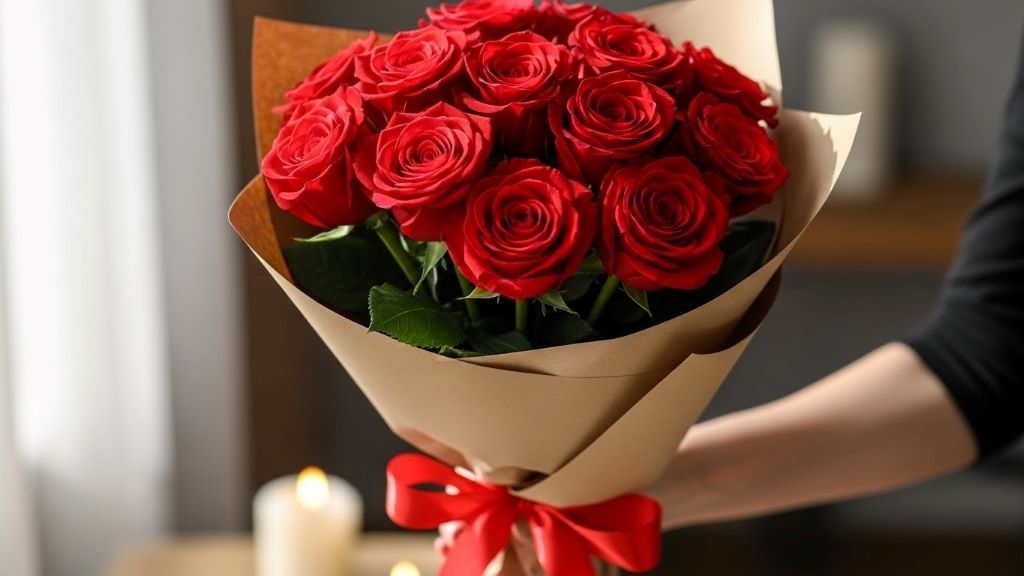
Red roses reign supreme as symbols of passionate love in Western culture. This association dates back to ancient Greek and Roman mythology. The goddess Aphrodite, known as Venus in Rome, was closely linked to red roses. According to legend, red roses grew from the blood of Adonis, her mortal lover.
During the Victorian era, red roses became the definitive symbol of romantic love. Suitors would send these blooms to express deep affection and desire. Today, red roses remain the most popular choice for Valentine’s Day and anniversaries. However, different numbers of roses carry specific meanings, with a dozen symbolizing complete devotion.
Lotus Flowers in Asian Cultures
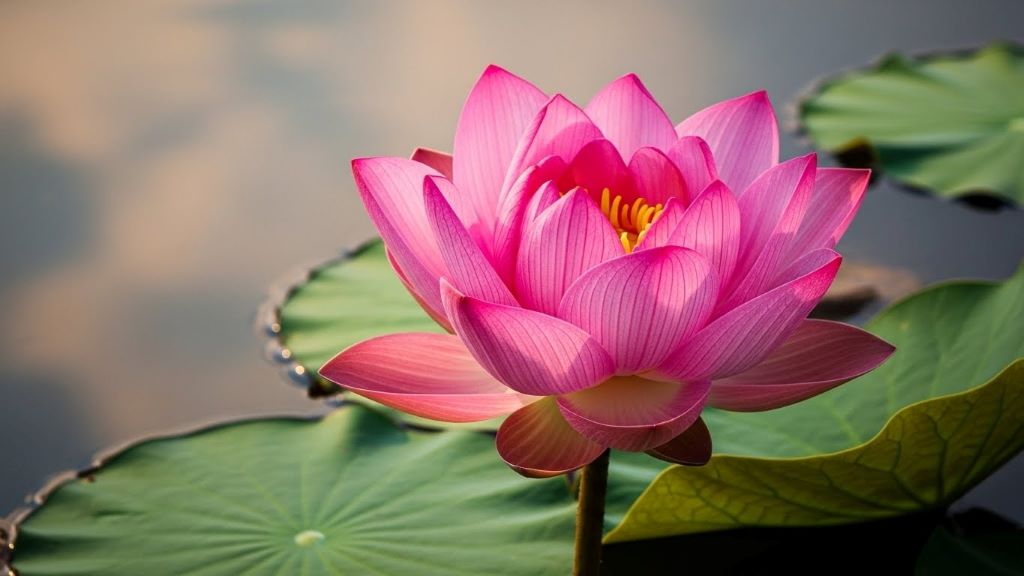
The lotus holds profound significance in many Asian traditions, particularly in India, China, and Southeast Asia. In Hindu and Buddhist philosophy, the lotus represents purity, enlightenment, and divine love. The flower grows from muddy waters yet emerges pristine and beautiful. Therefore, it symbolizes the journey from worldly desires to spiritual awakening.
In Indian weddings, lotus motifs appear frequently in decorations and ceremonies. The flower represents the love between deities like Lakshmi and Vishnu. Additionally, pink lotus flowers specifically symbolize devotion and romantic love in Buddhist traditions. Chinese culture also associates the lotus with harmony between couples and marital bliss.
Cherry Blossoms in Japanese Culture
Cherry blossoms, or sakura, hold special meaning in Japanese culture beyond simple romantic love. These delicate pink flowers symbolize the fleeting nature of life and beauty. However, they also represent the purity and intensity of love. The brief blooming period reminds people to cherish precious moments with loved ones.
During hanami, or cherry blossom viewing season, couples gather under blooming trees. This tradition celebrates both natural beauty and human connections. Moreover, cherry blossoms appear frequently in Japanese wedding ceremonies. The flowers represent new beginnings and the delicate nature of romantic relationships that require careful nurturing.
Jasmine in Middle Eastern and Indian Traditions
Jasmine flowers carry powerful romantic symbolism across Middle Eastern and South Asian cultures. The intoxicating fragrance makes jasmine a favorite in perfumes and wedding garlands. In Arabian traditions, jasmine represents sensuality and eternal love. The white blooms also symbolize purity and modesty.
Indian brides often wear jasmine garlands in their hair during wedding ceremonies. The flower’s sweet scent is believed to attract love and happiness. Additionally, jasmine holds religious significance in Hindu ceremonies. The National Geographic Society has documented how flowers play crucial roles in cultural rituals worldwide, including jasmine’s prominence in South Asian weddings.
Tulips in Persian and Turkish Cultures
Tulips originated in Central Asia and hold deep meaning in Persian and Turkish traditions. In Persian poetry, red tulips symbolize perfect love and passion. The flower appears frequently in classical Persian literature as a metaphor for lovers’ hearts. Turkish culture elevated tulips to national importance during the Ottoman Empire.
The Ottoman Empire celebrated tulips so extensively that one historical period is called the Tulip Era. These flowers represented paradise on earth and divine love. Moreover, giving someone a tulip indicated a declaration of love. Different colored tulips carried varied meanings, with red expressing passionate love and yellow symbolizing hopeless love.
Plumeria in Hawaiian and Polynesian Cultures
Plumeria, also called frangipani, holds romantic significance throughout Polynesian cultures. In Hawaii, these fragrant flowers appear in leis given to express love and welcome. The placement of plumeria flowers carries specific messages. Women wearing plumeria behind their right ear signal they are single and available.
Throughout Polynesia, plumeria represents new beginnings and romance. The flower’s delicate beauty and sweet fragrance make it ideal for expressing affection. Additionally, plumeria blooms are popular choices for tropical wedding ceremonies. The BBC has explored various cultural traditions surrounding flowers and their meanings in different societies.
Orchids in Chinese and Greek Traditions
Orchids symbolize love, beauty, and refinement in Chinese culture. These elegant flowers represent perfect couples and happy marriages. Parents traditionally gave orchids to newlyweds as blessings for their union. Additionally, orchids symbolize numerous offspring and family prosperity.
Ancient Greek culture also associated orchids with love and fertility. The name orchid comes from the Greek word for a specific anatomical part, linking the flower to virility. However, modern interpretations focus on the orchid’s representation of rare and delicate love. Purple orchids specifically symbolize admiration and respect in romantic relationships.
Carnations in Korean Culture
Carnations carry special romantic meaning in Korean tradition, particularly on specific holidays. Red and pink carnations express admiration and gratitude toward loved ones. Parents’ Day in Korea involves children giving carnations to their parents. However, romantic partners also exchange these flowers on special occasions.
In Korean flower language, red carnations specifically represent deep love and affection. The layered petals symbolize the multiple dimensions of love. Moreover, carnations are more affordable than roses, making them popular choices for everyday romantic gestures. This accessibility has helped carnations maintain their popularity in modern Korean dating culture.
Peonies in Chinese Culture
Peonies hold the title of king of flowers in Chinese culture. These lush blooms represent prosperity, honor, and romantic love. In traditional Chinese weddings, peonies symbolize a happy marriage and good fortune. The flower’s full, rounded shape represents completeness and feminine beauty.
Chinese art and poetry frequently feature peonies as symbols of passionate love. The flowers also represent bashfulness in young love and courtship. Additionally, peonies are believed to attract romantic partners and strengthen existing relationships. Many Chinese families grow peonies in their gardens to invite love and happiness into their homes.
Marigolds in Mexican and Hindu Traditions
Marigolds serve dual purposes in Mexican and Hindu cultures, representing both love and remembrance. In Mexican tradition, marigolds guide spirits during Día de los Muertos celebrations. However, these vibrant flowers also symbolize the sun’s warmth and passionate love. The bright orange and yellow colors represent the fire of affection.
Hindu traditions use marigolds extensively in wedding ceremonies and religious festivals. The flowers symbolize the sun’s positive energy and the brightness of true love. Moreover, marigolds are believed to bring good luck to new couples. Their abundant blooms represent fertility and the flourishing of love over time.
Conclusion
Flowers serve as powerful symbols of love across every culture and tradition worldwide. From the passionate red roses of Western romance to the enlightened lotus of Asian philosophy, each bloom carries unique meanings. These floral symbols reflect cultural values, historical influences, and universal human emotions. Understanding different cultural interpretations enriches our appreciation of how love is expressed globally.
The next time you choose flowers for a loved one, consider their cultural background and traditions. This thoughtful gesture demonstrates respect and deepening understanding. Moreover, exploring floral symbolism across cultures reminds us that love, though expressed differently, remains a universal human experience that transcends boundaries and brings people together.
Frequently Asked Questions
What flower symbolizes eternal love?
The lotus flower represents eternal love in many Asian cultures, particularly in Hindu and Buddhist traditions. Additionally, jasmine symbolizes eternal love in Middle Eastern cultures, while amaranth represents undying love in Western flower language.
Are red roses universally recognized as symbols of love?
Red roses are widely recognized symbols of romantic love in Western cultures and have gained global popularity. However, different cultures have their own traditional love flowers that hold deeper local significance, such as peonies in China or lotus flowers in India.
What do white flowers symbolize in different cultures?
White flowers typically represent purity and innocence across many cultures. However, white flowers can symbolize death and mourning in some Asian traditions, while representing new beginnings and pure love in Western weddings. Context matters significantly when interpreting white flower meanings.
Can I give any flower to express love?
While many flowers can express love, it’s important to research cultural meanings before giving flowers internationally. Some blooms that represent love in one culture might carry negative connotations in another. Consulting local customs ensures your romantic gesture is properly understood.
How many roses should I give to express true love?
In Western tradition, twelve red roses represent complete devotion and are considered the classic expression of true love. However, a single red rose can also meaningfully express love at first sight, while two dozen roses indicate your love is constant and unwavering.
Related Topics:
How to Keep Them Chasing After a Breakup
One Simple Thing You Can Do In 5 Minutes To Fix Your Relationship