Building a home gym requires careful thought about space, budget, and your fitness goals. Among the various options available, bike rollers offer a unique way to maintain your cycling fitness without leaving your house. These simple yet effective training tools have been helping cyclists improve their skills for decades, and they deserve consideration when planning your home workout space.
Unlike stationary trainers that hold your bike in place, rollers require you to balance while pedaling. This creates a more realistic riding experience and engages your core muscles throughout your workout. Additionally, rollers take up minimal floor space and store easily when not in use, making them an attractive option for homes with limited room.
This comprehensive guide will walk you through everything you need to know about integrating bike rollers into your home gym. From choosing the right model to setting up your space and developing your roller skills, you’ll discover how this compact fitness gear can transform your indoor training routine.
Understanding What Bike Rollers Are and How They Work
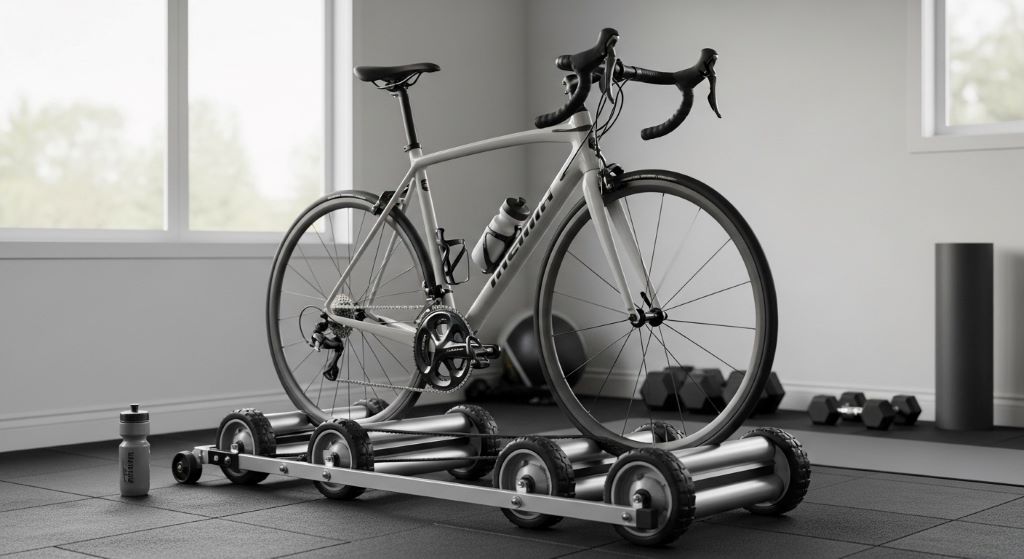
Bike rollers consist of three cylindrical drums mounted on a frame. Your bicycle sits on top of these drums without any attachment or support. The front wheel rests on one drum, while the rear wheel sits on two drums connected by a belt or chain. When you pedal, the drums rotate, creating the sensation of riding on the road.
The design forces you to maintain balance continuously. Small steering corrections and core engagement keep you centered on the rollers. This constant balancing mimics outdoor riding more closely than stationary trainers, which is why many serious cyclists prefer them for maintaining bike-handling skills during bad weather.
Different roller models offer varying drum diameters, materials, and features. Standard rollers have drums between three and four inches in diameter. Larger drums create a smoother, more stable ride that feels closer to road cycling. Smaller drums produce more resistance and can make balancing slightly more challenging for beginners.
The frame length matters when selecting rollers. Longer frames provide more margin for error and feel more stable, especially for taller riders or those with longer wheelbase bikes. Shorter frames pack away more compactly but require more precise balance and positioning.
Evaluating the Benefits of Roller Training
Training on rollers develops skills that transfer directly to outdoor riding. The balance requirement strengthens your core and improves your bike-handling abilities. Cyclists who train regularly on rollers often find they feel more stable and confident when riding on the road, particularly in challenging conditions like crosswinds or technical descents.
Rollers also promote smooth, circular pedaling technique. Because jerky or uneven pedal strokes can cause you to lose balance, you naturally develop a more efficient pedaling motion. This improved technique translates to better power transfer and reduced fatigue during longer rides.
Furthermore, rollers operate quietly compared to most stationary trainers. The gentle hum of drums and wheels won’t disturb household members or neighbors. This makes them ideal for early morning or late evening workouts when noise concerns might otherwise limit your training options.
The portability of rollers makes them perfect for warming up before races or events. Many competitive cyclists bring rollers to race venues to prepare their legs and nervous system for the effort ahead. After your event, rollers can help with active recovery by allowing easy spinning to flush out metabolic waste products.
Choosing the Right Rollers for Your Needs
When shopping for rollers, consider your experience level first. Beginners benefit from models with wider drums or resistance units that provide more stability. Some manufacturers offer rollers with small side rails or a resistance unit that makes the initial learning process less intimidating.
Your typical riding style influences which features matter most. If you focus on high-intensity interval training, look for rollers that pair with resistance units or smart trainers. These additions allow you to vary the difficulty and simulate climbing or sprinting efforts. However, basic rollers without resistance still provide excellent workouts for maintaining fitness and technique.
Budget considerations play a significant role in your decision. Entry-level rollers start around one hundred dollars and provide everything you need for effective training. Mid-range options offer better construction, smoother operation, and longer durability. Premium models include features like integrated resistance, smartphone connectivity, and travel-friendly folding frames.
Material quality affects both performance and longevity. Aluminum drums are lightweight and durable, though they can be noisy. Composite or polymer-coated drums reduce noise and provide better grip, especially if you train without a trainer tire. The frame material should be sturdy enough to handle your weight plus the dynamic forces created during intense efforts.
Preparing Your Space for Roller Setup
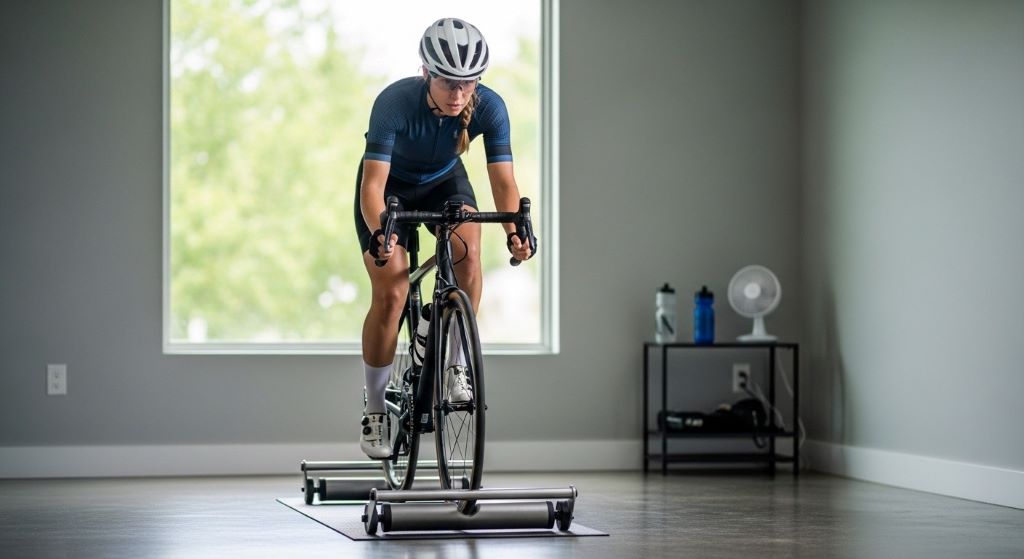
Finding the right location in your home is crucial for safe and enjoyable roller sessions. You need a flat, stable surface with enough clearance on all sides. A minimum of three feet of clear space on each side provides safety margin for those moments when your balance wavers.
The flooring type impacts both stability and noise transmission. Concrete basement floors work perfectly, providing a solid, level surface. Hardwood floors also work well but might benefit from a protective mat underneath. Carpet can work but may cause the rollers to shift slightly, especially during hard efforts.
Consider placing your indoor cycling equipment near a doorway or sturdy furniture piece. Having something to grab when mounting or dismounting makes the process much safer, particularly when you’re learning. A wall within arm’s reach provides reassurance without interfering with your training.
Ventilation matters more than many people realize. Riding indoors generates significant heat because you lack the cooling effect of moving air. Position your rollers near a window you can open or set up a fan to provide airflow. Proper ventilation keeps you comfortable and allows for longer, more productive workouts.
Lighting considerations shouldn’t be overlooked. Good visibility helps you focus and maintain awareness of your position on the rollers. Natural light from windows works well, but avoid direct sunlight that might create glare or excessive heat. Overhead lighting should illuminate your setup evenly without casting shadows that could be distracting.
Setting Up Your Rollers Correctly
Assembly of most roller systems is straightforward. The frame typically unfolds or snaps together in minutes. Check that all connections are secure before placing your bike on the drums. Loose components can shift during use, creating instability and potential safety issues.
Positioning your bike properly on the rollers makes a significant difference in your experience. The rear axle should sit roughly in the center of the rear drums. This balanced position provides the most stable platform. If your bike is too far forward or back, it will feel twitchy and difficult to control.
Before your first ride, practice mounting and dismounting without clipping in. Stand beside the rollers with your bike in position. Step over the bike and place one foot on a pedal while holding onto your support point. Once you feel stable, place the other foot on its pedal and begin pedaling smoothly. Maintain a steady cadence as you find your balance.
Therefore, having someone hold your bike steady during your first few attempts can build confidence quickly. They can provide stabilization while you get used to the feeling of riding on rollers. Most people develop basic proficiency within two or three sessions, though mastering rollers takes consistent practice.
Adjust your resistance if your rollers include this feature. Start with minimal resistance while learning. As your balance improves, you can increase resistance to create more challenging workouts. Remember that resistance units generate more noise than basic rollers, which might influence when and where you train.
Developing Your Roller Skills Progressively
Learning to ride rollers requires patience and realistic expectations. Your first session might last only five or ten minutes. That’s perfectly normal. Focus on maintaining a smooth, steady cadence rather than trying to ride hard. Consistency and relaxation are far more important than power output when you’re beginning.
Start each session with a mental checklist. Look straight ahead, not down at your wheels. Relax your upper body and grip the handlebars lightly. Keep your pedaling smooth and circular. These simple cues help your body find the right balance point naturally.
Common beginner mistakes include gripping the handlebars too tightly, staring at the front wheel, and pedaling in uneven bursts. All these habits make balancing harder. Instead, treat your bike as an extension of your body. Small, subtle movements and adjustments work better than large corrections.
As your confidence grows, gradually extend your session duration. Add five minutes each week until you can comfortably ride for thirty or forty minutes. Once you reach this point, you can incorporate structured workouts with varying intensities.
Advanced techniques like riding without hands, sprinting, or even standing up are possible on rollers. However, these skills require extensive practice and should only be attempted after you’ve mastered basic roller riding completely. Many cyclists never attempt these advanced maneuvers and still benefit tremendously from roller training.
Creating Effective Roller Workouts
Structured workouts prevent boredom and ensure you’re making fitness gains. Even without resistance, you can create challenging sessions by varying your cadence and effort level. High-cadence drills at ninety to one hundred revolutions per minute improve your pedaling smoothness and cardiovascular fitness.
Interval training works exceptionally well on rollers. Try alternating between two minutes of moderate effort and one minute of easy spinning. Repeat this pattern six to ten times for a highly effective workout. The balance requirement keeps you mentally engaged throughout, making time pass quickly.
Endurance sessions at conversational pace help maintain aerobic fitness during periods when outdoor riding isn’t possible. These longer, steady efforts might feel monotonous, so consider pairing them with entertainment. Music, podcasts, or video content can make the time more enjoyable without compromising workout quality.
Single-leg drills develop pedaling efficiency remarkably well. Unclip one foot and pedal with only the other leg for thirty seconds to a minute. Switch legs and repeat. This exercise reveals any dead spots in your pedal stroke and helps you develop more even power application throughout the entire revolution.
Recovery rides on rollers provide active recovery without the risks associated with riding in traffic or bad weather. Spin easily for twenty to thirty minutes, focusing on form and relaxation. These gentle sessions promote blood flow and help your body adapt to harder training.
Integrating Rollers with Other Training Equipment
Rollers complement other pieces of compact fitness gear beautifully. Combining roller sessions with strength training creates a well-rounded fitness program. After completing a roller workout, use resistance bands, dumbbells, or bodyweight exercises to build overall strength.
A yoga mat near your rollers facilitates pre- and post-ride stretching. Flexibility work reduces injury risk and helps you maintain optimal position on the bike. Even five minutes of stretching before and after roller sessions pays dividends in comfort and performance.
Heart rate monitors or power meters provide valuable data about your training intensity. While not essential, these tools help you track progress and ensure your workouts hit appropriate intensity zones. Many cyclists find that monitoring metrics keeps them motivated and focused during indoor sessions.
Smart devices can transform basic rollers into interactive training platforms. Some newer roller models include sensors that communicate with training apps. Even without built-in sensors, you can use wheel speed sensors or power meters to participate in virtual rides and structured training programs.
A laptop or tablet mounted within view allows you to follow workout instructions or watch entertainment while riding. Various mounts attach to your handlebars or nearby furniture. Positioning your screen at eye level helps you maintain good posture throughout your session.
Maintaining Your Rollers for Longevity
Regular maintenance keeps your rollers operating smoothly and safely. After each use, wipe down the drums to remove dust, sweat, and tire debris. This simple habit prevents buildup that can affect grip and create noise. Use a damp cloth for most cleaning, avoiding harsh chemicals that might damage drum coatings.
Check all bolts and connections periodically. The vibrations and forces generated during use can gradually loosen hardware. Tightening everything every few weeks ensures stability and prevents premature wear. Pay special attention to frame joints and drum mounting points.
The belt or chain connecting the rear drums requires occasional inspection. Look for signs of wear, fraying, or stretching. Replacing a worn belt before it breaks prevents potential damage to your bike or injury from sudden failure. Most manufacturers sell replacement parts directly.
Proper storage extends roller lifespan significantly. If you fold or disassemble your rollers between uses, do so carefully to avoid bending or damaging components. Store them in a dry location away from extreme temperatures. Moisture can corrode metal parts, while excessive heat might warp plastic components.
Your tires wear faster on rollers than on roads, particularly the rear tire. Consider using an old tire or a specific trainer tire when riding indoors. These tires are designed to withstand the friction and heat generated by roller and trainer use. They’re also typically quieter than regular tires.
Troubleshooting Common Roller Issues
Excessive noise usually indicates a problem that needs attention. Squeaking or creaking sounds often come from loose bolts or dry bearings. Tighten all connections and apply a small amount of lubricant to bearing points if needed. Consult your manufacturer’s instructions for recommended lubricant types.
If your rollers feel unstable or shift during use, check that all frame components are properly locked into place. Verify that the surface beneath your rollers is level. Even slight slopes can cause the rollers to want to migrate across the floor. A mat with rubberized backing can help prevent unwanted movement.
Difficulty maintaining balance might stem from improper bike positioning on the drums. Ensure your rear axle sits centered on the rear drums. Adjust your bike’s position forward or backward slightly to find the sweet spot. Some bikes balance more easily than others due to weight distribution differences.
Excessive tire wear suggests you’re running too much tire pressure or the drum surface is too aggressive. Reduce your tire pressure by ten to fifteen PSI compared to your outdoor riding pressure. This creates a larger contact patch and reduces friction. Switch to a trainer-specific tire if you continue experiencing rapid wear.
Boredom during roller sessions is perhaps the most common issue. Combat this by varying your workouts, training with music or videos, or joining virtual group rides. Some cyclists even set up their rollers outdoors in nice weather for a change of scenery while maintaining the balance benefits of roller training.
Safety Considerations for Roller Training
Despite their simple design, rollers present some injury risks if used carelessly. Always have something to grab when mounting and dismounting. A wall, doorframe, or piece of sturdy furniture should be within easy reach. Never attempt to start riding without this safety backup until you’ve become highly proficient.
Wearing a helmet during roller sessions might seem excessive, but it provides protection if you fall. Falls from rollers are relatively rare, but they can happen suddenly. A helmet is especially important when attempting higher-intensity efforts or learning new skills on the rollers.
Keep the area around your rollers clear of obstacles. Falling off rollers typically involves rolling or stepping off to the side. Furniture, weights, or other equipment in your landing zone could cause injury. Maintain that three-foot safety buffer on all sides whenever possible.
Stay hydrated throughout your session. The lack of cooling airflow means you’ll sweat profusely even at moderate intensities. Keep water within easy reach and drink regularly. Dehydration affects balance and coordination, increasing fall risk.
Listen to your body and take breaks as needed. The concentration required for roller riding can be mentally fatiguing. If you feel your focus slipping or notice your balance becoming less stable, stop for a brief rest. Pushing through fatigue increases the likelihood of mistakes.
Maximizing Your Investment in Rollers
Bike rollers represent excellent value among indoor cycling equipment options. Their durability means a single purchase can last decades with proper care. Unlike electronic trainers that may become obsolete as technology advances, rollers remain relevant and functional indefinitely.
However, consistent use is key to getting your money’s worth. Set a regular training schedule and stick to it. Three to four roller sessions per week maintain fitness effectively during periods when outdoor riding isn’t possible. Even short fifteen-minute sessions provide benefits if done consistently.
Track your progress to stay motivated. Note the duration you can ride, your average cadence, or how stable you feel during each session. Seeing improvement over weeks and months reinforces your commitment to training. Many cyclists find they actually look forward to roller sessions once they develop proficiency.
Consider the time savings rollers provide. No driving to a gym or waiting for equipment availability. You can complete a quality workout in the time it takes to get dressed and leave the house. This convenience makes it easier to maintain training consistency even during busy periods.
The skills you develop on rollers enhance every aspect of your cycling. Better balance, improved pedaling technique, and stronger core stability all contribute to faster, more comfortable, and safer riding. These benefits extend far beyond the time spent on the rollers themselves.
Conclusion
Adding bike rollers to your home gym setup provides an effective, space-efficient way to maintain cycling fitness year-round. These simple devices develop balance, improve technique, and deliver challenging workouts without requiring much space or making excessive noise. Whether you’re a serious cyclist looking to maintain skills during bad weather or a fitness enthusiast seeking variety in your training, rollers offer compelling benefits.
Choosing the right rollers involves considering your experience level, available space, and training goals. Proper setup and progressive skill development ensure safe, enjoyable sessions from day one. With consistent practice, most riders develop confidence quickly and discover that roller training becomes a valuable part of their fitness routine.
The versatility of rollers means they grow with you as your fitness improves. From easy recovery spins to intense interval sessions, rollers accommodate all training intensities. Combined with other compact fitness gear in your home gym, they create a comprehensive training environment that supports your cycling and overall fitness goals throughout every season.
Frequently Asked Questions
How much space do I need for bike rollers in my home gym?
You need approximately six feet of length and five feet of width for safe roller setup. This provides the rollers themselves plus safety clearance on both sides. The actual footprint of most rollers is only about two feet by five feet, but having extra space on each side ensures you won’t hit furniture or walls if your balance wavers. Height clearance should allow you to sit comfortably on your bike with at least one foot of space above your head.
Can beginners use bike rollers or are they only for experienced cyclists?
Beginners can absolutely learn to use rollers, though they require more initial practice than stationary trainers. Most people can ride rollers confidently after three to five practice sessions. Starting with a support point to grab, keeping sessions short, and maintaining patience during the learning process are key. Some roller models include training wheels or resistance units that provide extra stability for beginners. The skills you develop are worth the initial challenge.
How do rollers compare to smart trainers for indoor cycling?
Rollers and smart trainers serve different purposes. Rollers excel at developing balance, bike-handling skills, and pedaling technique while taking up minimal space and operating quietly. Smart trainers provide precise resistance control, structured workouts, and virtual riding experiences but require more space and cost significantly more. Many serious cyclists own both, using rollers for skill work and easy rides while using smart trainers for structured interval workouts.
Do I need a special bike or tire to use rollers?
Any standard road bike or mountain bike works on rollers without modifications. However, using a dedicated trainer tire on your rear wheel extends its life and typically reduces noise. Trainer tires have harder compounds designed to withstand the heat and friction of indoor training. If you use your regular tires, expect the rear tire to wear faster than when riding outdoors. Lower your tire pressure by ten to fifteen PSI compared to outdoor riding for better grip and reduced wear.
How long should my roller training sessions last?
Session length depends on your fitness level and goals. Beginners might start with just five to ten minutes while learning balance. As proficiency improves, twenty to forty-five minute sessions provide excellent workouts for maintaining fitness. Experienced riders might extend sessions to sixty or ninety minutes for endurance training. Quality matters more than duration, so focused thirty-minute sessions often deliver better results than longer, less structured rides. Listen to your body and adjust duration based on your energy and concentration levels.
Related Topics:
Conquer Hills with Confidence: Bike Tuning Tips for Smooth Shifting
How Bike Helmet Should Fit: Expert Tips for Safety and Comfort