

When your little one suffers from allergies, every detail in their sleep environment matters. Selecting the right pillow becomes more than just a comfort decision. It transforms into a health priority that can significantly impact your child’s quality of sleep and overall wellbeing.
Parents often underestimate how much allergens accumulate in bedding. However, pillows serve as prime breeding grounds for dust mites, mold, and other irritants. Therefore, understanding what makes a pillow truly hypoallergenic can make all the difference for your toddler’s restful nights.
Understanding Toddler Allergies and Sleep
Children with allergies face unique challenges during sleep. Their developing immune systems react strongly to environmental triggers. Consequently, symptoms like sneezing, congestion, and itchy eyes can disrupt their much-needed rest.
Allergens in the bedroom accumulate quickly. Dust mites thrive in warm, humid environments and feed on dead skin cells. Additionally, traditional pillow materials can trap moisture and harbor mold spores. These microscopic invaders multiply rapidly, creating an unhealthy sleep space.
The impact on sleep quality extends beyond immediate discomfort. Children who experience nighttime allergies often wake frequently. Moreover, they may develop breathing difficulties that prevent deep, restorative sleep cycles. This ongoing sleep disruption can affect growth, mood, and cognitive development.
What Makes a Pillow Hypoallergenic
Not all pillows marketed as hypoallergenic meet the same standards. Therefore, understanding the key features helps you make an informed choice. A truly hypoallergenic pillow combines several protective elements working together.
The pillow material itself plays a crucial role. Natural and synthetic fills each offer distinct advantages. Furthermore, the outer covering must provide a barrier against allergens while remaining breathable and comfortable.
Manufacturing processes matter significantly. Pillows treated with chemical allergen barriers may ironically trigger sensitivities in some children. Consequently, seeking certified hypoallergenic products ensures safety and effectiveness.
Key Features to Look For
Allergen-Resistant Materials
The foundation of any allergy friendly toddler pillow starts with its core materials. Memory foam, latex, and certain synthetic fibers naturally resist dust mites. These materials create an inhospitable environment for allergens to settle and multiply.
Organic cotton fills offer another excellent option. When grown without pesticides and processed without harsh chemicals, organic cotton provides a natural barrier. Additionally, it breathes well and regulates temperature effectively.
Microfiber fills have gained popularity recently. These ultra-fine synthetic fibers pack tightly together, leaving no space for dust mites to penetrate. Moreover, they dry quickly and resist moisture buildup.
Protective Covers and Cases
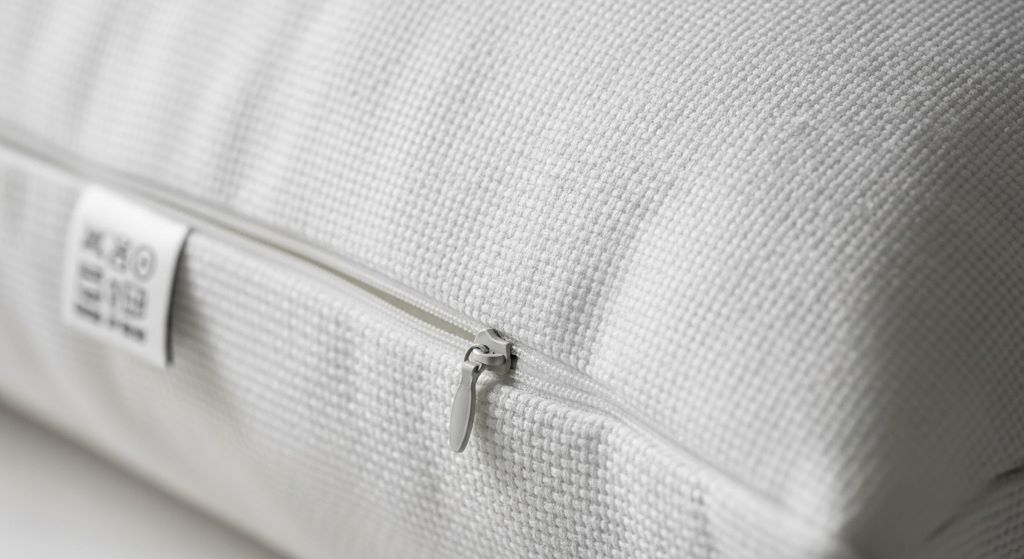
A dust mite resistant pillow often features specialized outer coverings. These tightly woven fabrics create physical barriers that allergens cannot penetrate. The thread count matters, but weave density proves more important.
Look for covers with pore sizes smaller than ten micrometers. This specification ensures even the tiniest dust mites cannot pass through. Furthermore, these protective barriers should extend completely around the pillow with secure closures.
Removable, washable covers add another layer of protection. Being able to clean the outer case regularly removes accumulated allergens. Therefore, pillows with zippered covers that can withstand frequent washing provide superior long-term protection.
Certifications and Testing
Third-party certifications offer peace of mind when selecting bedding products. The OEKO-TEX Standard 100 certification indicates testing for harmful substances. Similarly, CertiPUR-US certification applies to foam products and ensures low emissions.
Greenguard Gold certification focuses on indoor air quality. Products earning this designation meet stringent chemical emission limits. Consequently, they contribute to healthier indoor environments for sensitive children.
Allergy organizations sometimes endorse specific products. The Asthma and Allergy Foundation of America’s Certified asthma and allergy friendly mark represents rigorous testing. However, not all quality products carry every certification, so research individual brands carefully.
Choosing the Right Size and Firmness
Toddler pillows differ significantly from adult versions. Their smaller size matches a young child’s proportions better. Additionally, proper dimensions prevent awkward sleeping positions that could affect spinal alignment.
Standard toddler pillows measure approximately 13 by 18 inches. This size supports the head and neck without overwhelming a small frame. Furthermore, it fits appropriately on toddler beds and cribs approved for pillow use.
Firmness preferences vary among children. However, toddlers generally need thinner, less firm pillows than adults. Their lighter weight requires less cushioning to maintain neutral spine alignment. Moreover, overly thick pillows can tilt the head forward uncomfortably.
Consider your child’s sleeping position when evaluating firmness. Back sleepers typically need minimal loft. Side sleepers require slightly more support to fill the gap between shoulder and head. Stomach sleepers, though this position is less recommended, need the flattest pillows available.
Material Options Explained
Memory Foam Options
Memory foam pillows conform to your child’s head shape, providing customized support. The dense structure naturally repels dust mites and allergens. Additionally, quality memory foam maintains its shape over time without clumping.
However, traditional memory foam can retain heat. This warmth might feel uncomfortable for some children. Therefore, gel-infused or ventilated memory foam options offer better temperature regulation.
Shredded memory foam provides another alternative. These pillows contain small foam pieces rather than solid blocks. Consequently, they offer adjustability and improved airflow while maintaining allergen resistance.
Natural Latex Benefits
Natural latex comes from rubber tree sap. This material inherently resists mold, mildew, and dust mites. Furthermore, it provides responsive support that quickly returns to shape.
The springy quality of latex appeals to many children. It feels neither too firm nor too soft. Moreover, natural latex breathes exceptionally well, preventing moisture accumulation.
Ensure any latex pillow carries certification confirming natural rather than synthetic latex. Synthetic versions lack many benefits of the natural material. Additionally, verify that processing avoids harsh chemicals that could trigger sensitivities.
Synthetic and Organic Fills
Polyester fiber fills represent the most common synthetic option. When labeled as hypoallergenic, these fills typically feature hollow fibers that resist clumping. They also dry quickly and resist moisture-related allergen growth.
Organic cotton and wool provide natural alternatives. Wool naturally wicks moisture and regulates temperature. It also possesses antimicrobial properties that discourage bacterial growth. Cotton offers softness and breathability familiar to most parents.
Bamboo-derived fibers have entered the market recently. These materials naturally resist odors and bacteria. However, processing methods vary widely, so research the specific product thoroughly.
Maintenance and Care Guidelines
Even the best allergy friendly toddler pillow requires proper maintenance. Regular cleaning removes accumulated allergens and extends pillow life. Therefore, establishing a consistent care routine protects your investment and your child’s health.
Wash pillow covers weekly in hot water. Temperatures above 130 degrees Fahrenheit kill dust mites effectively. Additionally, use fragrance-free, hypoallergenic detergents to avoid introducing new irritants.
The pillow itself needs periodic cleaning too. Many hypoallergenic pillows withstand machine washing. Follow manufacturer instructions carefully regarding water temperature and drying methods. Air drying often proves safest for maintaining pillow integrity.
Sun exposure provides natural sanitization. When weather permits, place pillows in direct sunlight for several hours. The UV rays naturally kill dust mites and reduce moisture. Furthermore, this method requires no chemicals or energy consumption.
Consider using pillow protectors underneath decorative cases. These additional barriers extend time between deep cleanings. Moreover, they add another defense layer against allergen penetration.
When to Replace Your Toddler’s Pillow
No pillow lasts forever, regardless of quality. Recognizing replacement signs prevents exposure to deteriorating materials. Generally, toddler pillows need replacement every two to three years.
Physical signs indicate replacement time clearly. Lumps, flat spots, or persistent odors suggest the pillow no longer performs optimally. Additionally, visible staining that does not wash out indicates deep contamination.
Your child’s changing needs also dictate replacement timing. As toddlers grow, their support requirements evolve. A pillow perfect at age two may prove inadequate by age four. Therefore, reassess pillow appropriateness annually.
Increased allergy symptoms despite proper maintenance signal potential problems. If your child experiences more frequent reactions, the pillow might harbor allergens. Consequently, replacing it might resolve unexplained symptom increases.
Budget Considerations Without Compromising Quality
Hypoallergenic pillows range dramatically in price. However, expensive does not always mean better. Understanding what drives costs helps identify good values.
Premium materials naturally cost more. Natural latex and organic fills command higher prices than synthetic alternatives. Nevertheless, synthetic options can perform equally well for allergen resistance.
Brand reputation influences pricing too. Established companies often charge premiums for their names. Conversely, newer brands may offer competitive quality at lower prices to build market share.
Consider the cost per night when evaluating prices. A pillow lasting three years at sixty dollars costs roughly five cents per night. That represents excellent value for improved sleep quality and reduced allergy symptoms.
Watch for sales and promotions strategically. Many bedding retailers offer significant discounts during seasonal sales events. Additionally, buying directly from manufacturers sometimes provides cost savings over retail markup.
Creating an Allergen-Free Sleep Environment
A dust mite resistant pillow works best within a comprehensively protected sleep space. Therefore, addressing other bedroom allergen sources maximizes benefits.
Encase the mattress in allergen-proof covers similar to pillow protectors. Mattresses accumulate even more allergens than pillows due to their larger size. Furthermore, mattress protectors prevent spills from penetrating and creating mold growth opportunities.
Wash all bedding weekly in hot water. Sheets, blankets, and stuffed animals all collect allergens. Consequently, maintaining clean bedding complements your pillow choice effectively.
Control bedroom humidity levels between thirty and fifty percent. Dust mites struggle to survive in drier environments. Additionally, reduced humidity prevents mold growth on various surfaces.
Vacuum regularly using HEPA-filtered machines. These filters trap tiny particles that ordinary vacuums recirculate into the air. Moreover, focus on areas around the bed where allergens concentrate.
Signs Your Toddler Needs a Hypoallergenic Pillow
Recognizing allergy symptoms helps determine whether specialized bedding could help. However, symptoms sometimes mimic other conditions, making identification challenging.
Frequent morning congestion suggests nighttime allergen exposure. If your child consistently wakes with a stuffy nose, bedroom allergens likely contribute. Additionally, watch for rubbing eyes or scratching skin upon waking.
Persistent coughing during sleep indicates respiratory irritation. Allergens in bedding can trigger these reactions. Furthermore, restless sleep and frequent position changes might signal discomfort from allergic reactions.
Dark circles under the eyes often accompany allergy-related sleep disruption. These “allergic shiners” result from chronic nasal congestion affecting blood flow. Moreover, they indicate that allergens are impacting sleep quality significantly.
Consult your pediatrician before attributing symptoms solely to bedding allergens. Professional evaluation rules out other conditions requiring different treatments. Therefore, combine medical advice with environmental modifications for best results.
Conclusion
Selecting the right hypoallergenic pillow for your allergy-prone toddler requires careful consideration of multiple factors. The material composition, protective features, and proper sizing all contribute to creating a healthier sleep environment. Additionally, understanding certifications and maintenance requirements ensures your investment provides lasting benefits.
Remember that an allergy friendly toddler pillow works best as part of a comprehensive approach to bedroom allergen control. Regular cleaning, humidity management, and frequent bedding changes complement your pillow choice effectively. Moreover, staying attentive to your child’s changing needs ensures their sleep support evolves appropriately.
By prioritizing allergen resistance without sacrificing comfort, you can significantly improve your child’s sleep quality. The right pillow reduces nighttime symptoms, promotes deeper rest, and supports healthy development. Therefore, investing time in selecting quality hypoallergenic bedding pays dividends in your toddler’s wellbeing and your family’s peace of mind.
Frequently Asked Questions
When should I introduce a pillow to my toddler’s bed?
Most experts recommend waiting until children reach 18 to 24 months before introducing pillows. At this age, toddlers have better head and neck control and can reposition themselves if needed. However, consult your pediatrician if your child has specific health conditions or developmental concerns that might affect this timeline.
Can I wash a dust mite resistant pillow in my regular washing machine?
Many hypoallergenic pillows are machine washable, but always check the manufacturer’s care instructions first. Use hot water above 130 degrees Fahrenheit to kill dust mites effectively. Additionally, ensure the pillow dries completely to prevent mold growth, either in a dryer on low heat or through thorough air drying.
How often should I replace my toddler’s hypoallergenic pillow?
Replace toddler pillows every two to three years under normal circumstances. However, replace sooner if you notice lumps, persistent odors, visible staining, or if your child’s allergy symptoms worsen despite proper maintenance. Additionally, consider replacement as your child grows and their support needs change.
Are expensive hypoallergenic pillows always better than affordable options?
Price does not always indicate superior allergen protection. While premium materials like natural latex cost more, quality synthetic options can provide excellent allergen resistance at lower prices. Focus on certifications, material quality, and protective features rather than price alone when making your selection.
What is the difference between hypoallergenic and allergen-proof pillows?
Hypoallergenic pillows use materials less likely to trigger allergic reactions and resist allergen accumulation. Allergen-proof typically refers to tightly woven protective covers that create physical barriers preventing dust mites from penetrating. The most effective solutions combine hypoallergenic fill materials with allergen-proof protective covers for comprehensive protection.
Related Topics:
Natural Cleaning Hacks for Feather Pillows
Plus-Size Breastfeeding Support: Pillows Designed for Every Body Type