
Introducing children to golf can be one of the most rewarding decisions a parent makes. However, selecting the right equipment requires careful consideration. The market offers numerous options, and making an informed choice ensures your young golfer develops proper techniques while enjoying the game. This guide walks you through everything you need to know about evaluating youth golf club sets.
Understanding Age and Height Requirements
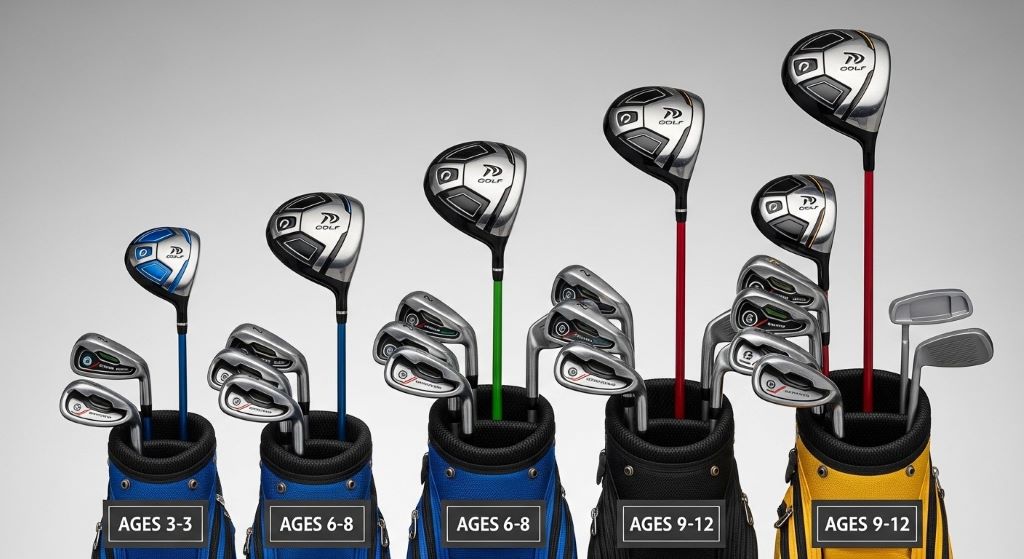
The first step in choosing youth golf clubs involves matching equipment to your child’s physical dimensions. Manufacturers typically categorize sets by age groups, but height matters more than age alone. A tall eight-year-old might need clubs designed for older children, while a petite twelve-year-old could benefit from a smaller set.
Most companies offer sizing charts that correlate height with appropriate club length. Measure your child from the floor to their wrists while standing naturally. This measurement helps determine the correct shaft length. Furthermore, consider that children grow quickly. Some parents prefer adjustable options that extend the equipment’s usable life.
Weight also plays a crucial role. Clubs that are too heavy cause fatigue and encourage poor swing mechanics. Lightweight materials like graphite shafts help younger players maintain proper form throughout their practice sessions. Therefore, always check the total weight specifications before purchasing.
Evaluating Set Composition and Club Selection
Youth golf sets come with varying numbers of clubs. Starter sets typically include three to five clubs, while comprehensive packages might contain seven to nine pieces. Beginners often do well with simplified sets that include a driver, a fairway wood, a hybrid or iron, a wedge, and a putter.
However, as skills progress, young golfers benefit from additional clubs that offer more shot-making options. Consider your child’s current skill level and commitment to the sport. A beginner experimenting with golf needs different equipment than a dedicated junior player competing in tournaments.
The quality of individual clubs within a set varies significantly. Check that each club features appropriate loft angles for youth players. Drivers should have higher lofts than adult versions, making it easier to achieve proper ball flight. Additionally, examine the putter length and weight, as this club sees the most use during rounds.
Material Quality and Construction Standards
Construction quality directly impacts performance and durability. Premium youth sets feature clubs with similar construction methods as adult equipment, just scaled down appropriately. Look for clubs with proper weighting, quality grips, and durable shafts.
Shaft material represents a significant consideration when evaluating junior golf equipment analysis. Graphite shafts offer lightweight flexibility that suits most young players. Steel shafts, while more durable, add weight that can hinder swing development. Most experts recommend graphite for junior players under fourteen years old.
Club heads should feature appropriate sizes. Oversized heads provide a larger sweet spot, which helps beginners make consistent contact. However, extremely large heads can feel cumbersome for smaller children. Moreover, inspect the quality of the club face. Cheaper sets sometimes use inferior materials that dent or scratch easily.
Grip quality often gets overlooked but significantly affects performance. Youth-specific grips feature smaller diameters that fit young hands properly. Worn or poorly sized grips make it difficult to maintain proper hand position throughout the swing. Therefore, ensure the set includes age-appropriate grips in good condition.
Price Ranges and Value Propositions
Youth golf sets span a wide price spectrum, from budget-friendly options under one hundred dollars to premium packages exceeding five hundred dollars. Understanding what you get at each price point helps make a smart investment.
Entry-level sets typically cost between fifty and one hundred fifty dollars. These packages work well for children trying golf for the first time. They provide basic functionality without a significant financial commitment. However, the quality might not support long-term use or rapid skill development.
Mid-range options, priced from one hundred fifty to three hundred dollars, offer better construction and materials. These sets typically include more clubs and feature improved weight distribution and shaft quality. They represent good value for families whose children show genuine interest in continuing with golf.
Premium youth sets cost three hundred dollars and above. These packages often come from established golf brands and feature technology adapted from adult lines. They include comprehensive club selections, high-quality materials, and sometimes come with matching bags and headcovers. Serious junior golfers benefit most from this investment level.
Brand Reputation and Customer Reviews
Researching manufacturer reputation provides valuable insights before purchasing. Established golf brands bring decades of equipment design experience to their youth lines. Companies like Callaway, TaylorMade, Cobra, and Wilson offer youth sets that reflect their adult equipment expertise.
Additionally, specialty junior golf brands focus exclusively on young players. These companies understand the unique biomechanics of developing golfers and design equipment accordingly. Read customer reviews to learn about real-world performance and durability.
Pay attention to feedback about customer service and warranty coverage. Quality manufacturers stand behind their products with reasonable warranty terms. Furthermore, companies with responsive customer service can address issues quickly if problems arise.
Online reviews reveal common issues with specific sets. Look for patterns in feedback rather than focusing on individual complaints. If multiple reviewers mention that clubs break easily or grips wear quickly, consider those red flags. Conversely, consistent praise for durability or performance indicates a reliable product.
Examining Kids Golf Set Pros and Cons
Every youth golf set comes with advantages and limitations. Understanding these trade-offs helps align your purchase with your child’s needs and your family’s budget.
Complete sets offer convenience and value. Purchasing all necessary clubs together typically costs less than buying individually. They also ensure that all clubs match in terms of design and quality standards. However, complete sets might include clubs your child rarely uses, and you cannot customize the selection.
Individual club purchases allow precise customization. You can select exactly which clubs your child needs and upgrade specific pieces as skills improve. This approach works well for dedicated young golfers with specific preferences. Nevertheless, buying clubs individually usually costs more overall and requires more research time.
Used equipment presents another option worth considering. Junior golfers outgrow clubs quickly, so the secondary market offers gently used sets at reduced prices. This route maximizes value, especially for beginners who might not continue with golf long-term. On the other hand, used clubs might show wear, and you cannot return them if they do not meet expectations.
Fitting and Comfort Considerations
Proper fitting makes a substantial difference in a young golfer’s development. Clubs that fit correctly promote good swing mechanics and make the game more enjoyable. Conversely, poorly fitted equipment can instill bad habits that prove difficult to correct later.
Visit a golf shop that offers youth fitting services when possible. Professional fitters assess your child’s height, arm length, and swing characteristics. They can recommend appropriate club lengths, lie angles, and grip sizes. Many retailers provide this service free with equipment purchases.
If professional fitting is not available, use manufacturer sizing guides carefully. Measure your child accurately and consult multiple sources to confirm recommendations. Remember that sizing charts provide general guidance, and individual needs may vary.
Comfort extends beyond physical fit. Consider the visual appeal of the equipment. Children respond positively to clubs they find attractive. Many youth sets feature bright colors and appealing designs that make practice more engaging. While aesthetics should not override functional considerations, they do matter to young players.
Bag and Accessories Included
Most complete youth sets include a carrying bag, though quality varies considerably. Examine the bag’s construction, strap comfort, and storage capacity. Young golfers need space for clubs, balls, tees, and personal items like water bottles and snacks.
Lightweight bags with comfortable straps prevent fatigue during practice or play. Some sets include stand bags that remain upright on the course, while others provide simple carry bags. Stand bags offer convenience but add weight. Consider how your child will transport their equipment when evaluating bag styles.
Additional accessories enhance the package’s value. Some sets include headcovers that protect club heads during transport. Others come with golf balls, tees, or divot tools. While these extras are nice, prioritize club quality over accessories when comparing options.
Growth and Adjustment Features
Children grow rapidly, and equipment that accommodates this growth provides better long-term value. Some manufacturers design clubs with adjustable features that extend usable life. Extendable shafts allow you to lengthen clubs as your child grows taller.
However, adjustable clubs sometimes sacrifice some performance for versatility. Fixed-length clubs typically offer better feel and consistency. Weigh the trade-offs based on your child’s age and growth patterns. Younger children who will outgrow equipment quickly benefit more from adjustable options.
Plan for equipment updates as skills develop. Even the best youth set will not serve your child indefinitely. Most junior golfers need new clubs every two to three years as they grow and improve. Factor these future costs into your initial decision-making process.
Testing Before Buying
Whenever possible, let your child test clubs before purchasing. Many golf shops and practice facilities offer demo clubs or allow young players to hit balls with display models. This hands-on experience reveals whether clubs feel comfortable and suit your child’s swing.
Watch how your child swings the clubs. They should be able to complete a full swing without struggling with weight or length. The clubs should feel balanced and controllable throughout the motion. Additionally, observe whether your child can make consistent contact with the ball.
Some retailers offer return policies that let you try equipment at home or on the course. Take advantage of these opportunities when available. A few practice sessions reveal more about suitability than any amount of research alone can provide.
Making the Final Decision
After researching options and considering all factors, trust your judgment. Select equipment that matches your child’s current needs while providing room for growth and development. Remember that the perfect set does not exist, but the right set for your child does.
Consider starting with a quality mid-range set unless your child demonstrates exceptional commitment to golf. These options balance cost with performance effectively. You can always upgrade individual clubs later as skills progress and preferences emerge.
Keep the focus on enjoyment and development rather than equipment perfection. The best clubs are those that encourage your child to practice and play regularly. Proper equipment removes obstacles to learning, but enthusiasm and dedication drive real improvement.
Conclusion
Selecting youth golf club sets requires balancing multiple factors including size, quality, price, and your child’s commitment level. Start by ensuring proper fit based on height rather than age alone. Evaluate construction quality, particularly shaft materials and club head design. Consider your budget realistically and choose equipment that provides appropriate value for your situation.
Research brands thoroughly and read customer reviews to identify reliable options. Understand the kids golf set pros and cons of complete packages versus individual purchases. When possible, arrange for professional fitting or at least test clubs before buying. Remember that junior golf equipment analysis should focus on supporting skill development and maintaining enthusiasm for the game.
Ultimately, the right equipment helps young golfers build confidence and proper technique. By following this comprehensive comparison approach, you will make an informed decision that supports your child’s golf journey. The investment in appropriate equipment pays dividends in skill development and lasting enjoyment of this wonderful sport.
Frequently Asked Questions
What age should children start using real golf clubs instead of toy sets?
Children can transition to proper youth golf clubs around age four or five, depending on their interest and physical development. Real clubs designed for juniors help develop correct swing mechanics from the start. Toy sets rarely provide appropriate weight or balance for learning proper techniques.
How often should youth golf clubs be replaced?
Most junior golfers need new clubs every two to three years due to growth and skill development. Monitor your child’s height changes and swing improvements. When clubs feel too short or your child consistently outperforms their equipment capabilities, consider upgrading.
Are expensive youth golf sets worth the investment?
Premium sets justify their cost for dedicated young golfers who practice regularly and show commitment to improvement. For beginners or casual players, mid-range options provide excellent value. Match your investment level to your child’s genuine interest and frequency of play.
Can my child use cut-down adult clubs instead of youth-specific equipment?
While cutting down adult clubs saves money, this approach creates problems. Adult clubs have incorrect weight distribution, shaft flex, and swing weight for young players even after shortening. Youth-specific clubs are engineered for junior biomechanics and typically produce better results.
What is the most important factor when choosing youth golf clubs?
Proper fit matters more than any other consideration. Clubs that match your child’s height and strength allow them to develop correct swing mechanics and enjoy playing. Even expensive clubs perform poorly if they do not fit properly, while correctly sized budget clubs support better development.
Related Topics:
Top-Rated Irons, Drivers, and Putters: The Best Golf Clubs of 2025
Best Golf Clubs for NYC Players Top Picks & Local Stores Reviewed