
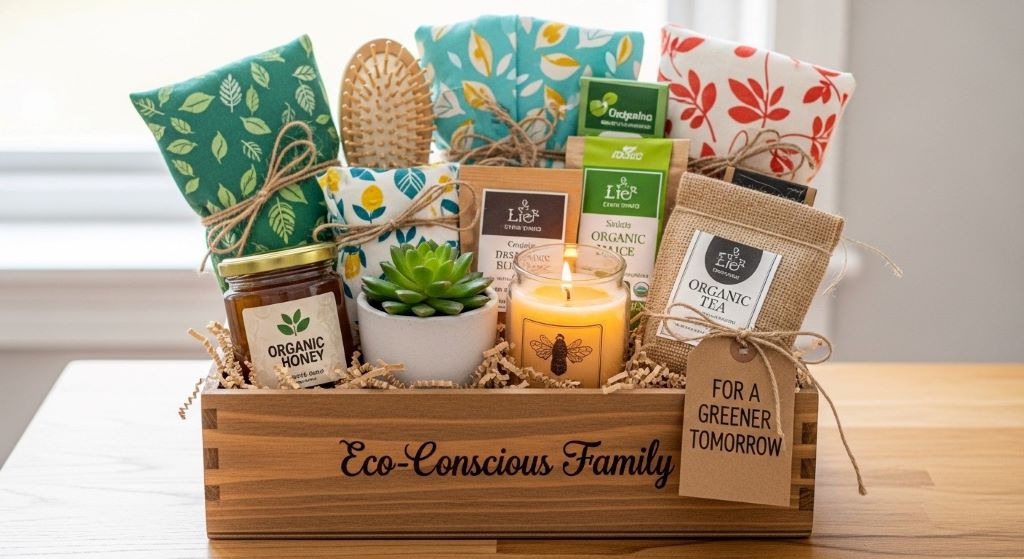
Finding the perfect gift for environmentally aware families can feel challenging. You want to show you care while respecting their values and commitment to the planet. Fortunately, thoughtful sustainable options exist that delight recipients without contributing to waste or environmental harm.
Understanding what makes a gift truly eco-friendly helps you make better choices. It’s not just about buying something labeled “green.” Instead, it involves considering the entire lifecycle of a product, from materials and manufacturing to packaging and eventual disposal. This guide will help you navigate the world of sustainable gifting and choose presents that align with green parenting tips and support a sustainable family lifestyle.
Understanding What Eco-Conscious Families Value
Before selecting gifts, take time to understand the priorities of environmentally minded families. These households typically focus on reducing consumption, choosing quality over quantity, and supporting ethical companies. They often prefer items that serve multiple purposes or encourage outdoor activities and creative play.
Many eco-aware parents actively avoid plastic toys, disposable items, and products with excessive packaging. They appreciate gifts that contribute to their values rather than create clutter or guilt. Therefore, your thoughtfulness in choosing appropriate presents demonstrates respect for their lifestyle choices.
These families often prioritize experiences over material possessions. They value time together, learning opportunities, and activities that connect them with nature. Keep this perspective in mind as you explore gift options.
Choosing Gifts Made from Sustainable Materials
The materials used in a product significantly impact its environmental footprint. Natural, renewable, and recycled materials make better choices than virgin plastics or synthetic fabrics. However, even natural materials have varying degrees of sustainability.
Organic cotton products avoid pesticides and harmful chemicals. This makes them safer for children and better for the environment. Look for certifications like GOTS (Global Organic Textile Standard) to ensure genuine organic production.
Bamboo grows quickly without pesticides, making it an excellent renewable resource. Bamboo products range from clothing to kitchen items to toys. The material is naturally antibacterial and incredibly durable.
Wood from sustainably managed forests provides another excellent option. Seek FSC (Forest Stewardship Council) certification to ensure responsible forestry practices. Wooden toys, furniture, and household items often last for generations.
Recycled materials give new life to existing resources. Gifts made from recycled plastic, glass, or metal help reduce waste while creating useful products. Many companies now create beautiful, high-quality items from reclaimed materials.
Experience-Based Gifts That Create Lasting Memories
Experiences often make the most meaningful gifts for eco-conscious families. These presents create memories without adding physical items to their homes. Additionally, experiences encourage family bonding and often support local businesses.
Museum memberships provide year-round educational opportunities. Children can explore science, art, history, or nature repeatedly. Many museums offer special programs and events exclusively for members.
Zoo or aquarium passes combine entertainment with education about wildlife and conservation. These venues often participate in breeding programs and environmental initiatives, making your gift support important causes.
National or state park passes encourage outdoor exploration. Families can hike, camp, and connect with nature throughout the year. This gift promotes physical activity and environmental appreciation.
Classes and workshops offer hands-on learning experiences. Consider cooking classes, art lessons, gardening workshops, or outdoor skills training. These gifts provide new skills that families can enjoy together.
Concert tickets, theater performances, or sporting events create exciting shared experiences. Choose options that align with the family’s interests and values.
Practical Eco-Friendly Items for Daily Life
Sustainable household items make excellent gifts because families use them regularly. These practical presents help reduce waste and support environmentally friendly habits.
Reusable food storage solutions replace disposable plastic bags and containers. Silicone bags, beeswax wraps, and stainless steel containers keep food fresh without single-use plastics. These items pay for themselves over time through reduced waste.
Water bottles and coffee cups designed for repeated use help families avoid disposable bottles and paper cups. Insulated options keep beverages at the desired temperature for hours. Many beautiful designs appeal to both adults and children.
Cloth napkins and kitchen towels reduce paper waste. Choose organic cotton or linen in patterns that match the family’s style. These items become more absorbent and softer with each wash.
Shopping bags and produce bags made from recycled or organic materials support waste-free grocery shopping. Lightweight mesh bags work perfectly for fruits and vegetables. Sturdy tote bags handle heavier items.
Composting equipment helps families reduce food waste. Countertop composters, worm bins, or outdoor compost systems suit different living situations. This gift supports gardening efforts and reduces landfill contributions.
Educational Gifts That Inspire Environmental Stewardship
Books and educational materials help children understand environmental issues and solutions. These gifts plant seeds of awareness that grow into lifelong environmental consciousness.
Children’s books about nature, conservation, and sustainability teach important concepts through engaging stories. Look for books printed on recycled paper with soy-based inks. Many publishers now specialize in environmental themes for all age groups.
Science kits focused on renewable energy, ecology, or environmental science provide hands-on learning. Solar-powered robots, weather stations, or microscopes for nature observation combine education with entertainment.
Gardening kits designed for children teach about plant growth, pollination, and food production. These sets often include seeds, tools, and instructions appropriate for young gardeners. Growing food connects children to nature and nutrition.
Nature exploration tools encourage outdoor discovery. Binoculars, magnifying glasses, bug-catching kits, and field guides help children observe and identify plants, insects, and animals. These tools foster curiosity and appreciation for biodiversity.
Subscription boxes focused on environmental education deliver monthly activities and lessons. Many options cater to different age groups and interests. These gifts provide ongoing engagement throughout the year.
Toys That Nurture Creativity Without Harming the Planet
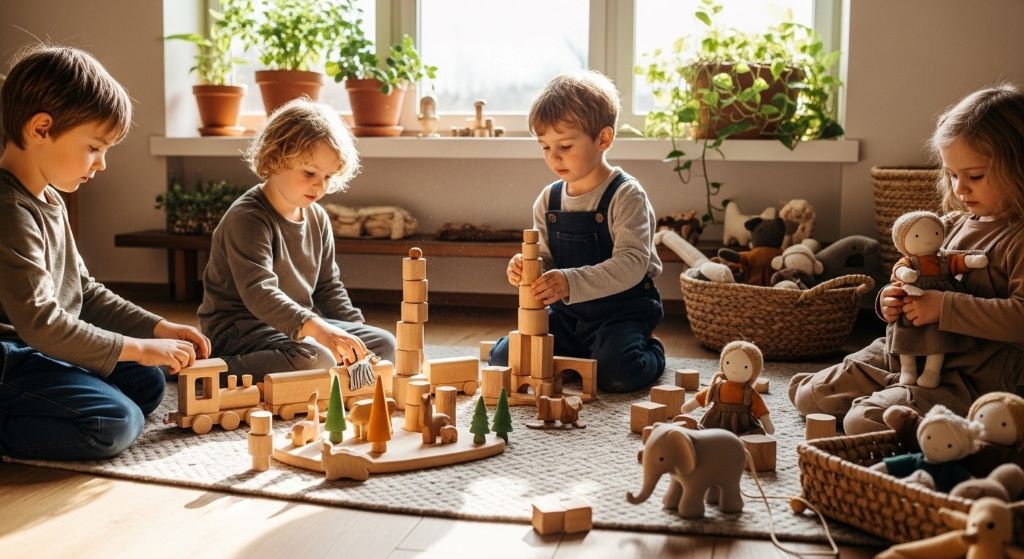
Selecting toys for eco-conscious families requires careful consideration. The best options promote open-ended play, last for years, and avoid harmful materials or wasteful packaging.
Wooden building blocks, puzzles, and construction sets offer endless creative possibilities. Unlike plastic alternatives, quality wooden toys often become family heirlooms. They develop spatial reasoning, problem-solving, and fine motor skills.
Natural fiber dolls and stuffed animals provide comfort without synthetic materials. Organic cotton, wool, or silk filling creates soft, safe toys. These items often feature minimal dyes and simple designs that encourage imaginative play.
Art supplies made from natural or recycled materials support creativity sustainably. Beeswax crayons, plant-based paints, and recycled paper products let children express themselves without toxic chemicals. Look for non-toxic, washable options.
Outdoor play equipment encourages physical activity and nature connection. Balance boards, climbing structures, and sports equipment get children moving. These items promote healthy development and reduce screen time.
Second-hand or vintage toys offer sustainable alternatives to new purchases. Many classic toys were built to last and still function perfectly. Cleaning and repairing used toys gives them new life while reducing manufacturing demand.
Supporting Ethical and Sustainable Businesses
Where you purchase gifts matters as much as what you buy. Supporting companies committed to environmental and social responsibility amplifies the positive impact of your gift.
Look for certified B Corporations, which meet rigorous standards for social and environmental performance. These businesses balance profit with purpose. Their certification provides assurance of genuine commitment to sustainability.
Fair trade certification ensures workers receive fair wages and work in safe conditions. Many eco-friendly products also carry fair trade labels. This dual certification supports both environmental and social justice.
Local artisans and small businesses often use sustainable practices and materials. Shopping locally reduces transportation emissions and supports your community. Many craft fairs and farmers markets feature eco-friendly vendors.
Companies with transparent supply chains allow you to verify their environmental claims. Research businesses before purchasing. Read their sustainability reports and check third-party certifications.
Some companies donate portions of profits to environmental causes. Your purchase directly supports conservation efforts, reforestation projects, or clean water initiatives. This multiplies the positive impact of your gift.
Gifts That Support Green Parenting Tips
Certain gifts directly support parents in their efforts to raise environmentally conscious children. These items make sustainable choices easier and more convenient for busy families.
Cloth diapering systems reduce waste significantly compared to disposables. Modern cloth diapers feature easy-to-use designs with adjustable sizing. Starter sets provide everything needed to begin cloth diapering.
Organic baby clothing and bedding protect sensitive skin from chemicals while supporting sustainable agriculture. Natural fibers breathe better and often last longer than synthetic alternatives. These items can be passed down to younger siblings or other families.
Reusable baby food pouches and feeding supplies reduce packaging waste. Families can make their own baby food and store it conveniently. Silicone bibs, plates, and utensils replace disposable options.
Baby carriers and wraps made from organic or recycled materials support attachment parenting and reduce stroller dependency. These items promote bonding while lowering the family’s carbon footprint.
Sustainable personal care products for children avoid harsh chemicals and excessive packaging. Shampoo bars, natural sunscreen, and plant-based lotions protect health and environment. Many companies offer unscented options for sensitive skin.
Creating Gift Baskets with Multiple Sustainable Items
Curated gift baskets allow you to combine several smaller items into a cohesive present. This approach lets you tailor gifts to specific interests while maintaining environmental focus.
A zero-waste kitchen basket might include beeswax wraps, reusable produce bags, cloth napkins, and a package of organic tea. Add recipe cards for homemade household products like cleaners or beauty items.
An outdoor adventure basket could contain a reusable water bottle, trail mix in a glass jar, a field guide to local wildlife, and sunscreen in recyclable packaging. Include a map of nearby hiking trails or parks.
A craft basket with sustainable art supplies, instructions for nature crafts, and collected natural materials like pine cones or shells inspires creativity. Add a book about environmental art projects.
A gardening basket might include heirloom seeds, organic fertilizer, biodegradable pots, and gardening gloves made from natural materials. Include a journal for tracking plant growth and observations.
Present these baskets in reusable containers like wicker baskets, wooden crates, or cloth bags. Avoid plastic wrap and ribbons. Use natural materials like twine or dried flowers for decoration.
Gift Wrapping That Aligns with Sustainable Values
Your presentation should match the eco-friendly nature of your gift. Sustainable wrapping options exist that look beautiful while minimizing waste.
Reusable fabric wraps following the Japanese furoshiki technique create elegant presentations. Recipients can use the fabric for their own wrapping, as scarves, or as household textiles. This tradition transforms wrapping into part of the gift.
Recycled or recyclable paper provides another option. Choose paper made from post-consumer waste and avoid metallic or plastic-coated varieties. Brown kraft paper looks rustic and natural.
Newspaper, maps, or sheet music offer creative wrapping alternatives. These materials often create interesting conversations about their origin. Comics sections work particularly well for children’s gifts.
Reusable gift bags eliminate wrapping entirely. Choose bags made from organic cotton, recycled materials, or natural fibers. Recipients can reuse them repeatedly.
Skip ribbons and bows made from synthetic materials. Instead, use natural twine, dried flowers, or sprigs of rosemary or lavender. These touches add beauty while remaining compostable.
Understanding What to Avoid When Gift Giving
Knowing what to skip is just as important as knowing what to choose. Certain items contradict the values of eco-conscious families despite appearing sustainable.
Greenwashing describes marketing tactics that make products seem more environmentally friendly than they actually are. Look beyond claims and investigate certifications and company practices. Vague terms like “natural” or “eco-friendly” without supporting evidence should raise questions.
Fast fashion items, even those marketed as sustainable collections from major brands, often perpetuate harmful production cycles. True sustainable fashion comes from companies built around ethical practices, not conventional retailers adding limited eco-lines.
Products with excessive packaging waste negate environmental benefits. Even sustainable items lose appeal when wrapped in multiple layers of plastic. Choose minimal packaging or ask vendors about sustainable shipping options.
Battery-operated toys create waste and often break quickly. They also limit creative play compared to simple, open-ended alternatives. Exceptions exist for educational electronics, but generally, simpler toys prove more sustainable.
Trendy items that quickly go out of style contribute to consumption culture. Choose classic, timeless pieces that families will use for years. Quality and longevity matter more than following current trends.
Making Your Gift More Meaningful with Personal Touches
Adding personal elements transforms good gifts into memorable ones. These touches show extra thought and care without requiring additional purchases.
Include a handwritten note explaining why you chose this particular gift. Share how it aligns with the family’s values or how you hope they’ll enjoy it. Personal messages create lasting connections.
If giving an experience, present it creatively. Design a custom certificate or create a small preview related to the activity. Build anticipation and excitement around the upcoming adventure.
For handmade or locally sourced items, include information about the artisan or producer. Stories about who made the item and their process add depth and meaning. This transparency appeals to eco-conscious values.
Create a guide for using or enjoying the gift. For example, with gardening supplies, include a planting calendar or companion planting chart. With art supplies, suggest project ideas or techniques to try.
Offer to participate in the gift with the family. Plan to attend the museum together, help plant the garden, or join them for hiking adventures. Shared experiences strengthen relationships.
Building Long-Term Sustainable Gifting Practices
Developing consistent eco-friendly gifting habits benefits the environment and simplifies future gift-giving occasions. These practices become easier with time and experience.
Start a list of trusted sustainable brands and retailers. As you discover quality sources, keep records for future reference. Share recommendations with friends facing similar gifting challenges.
Plan ahead to avoid last-minute purchases that might compromise your values. Early shopping provides time to research options thoroughly. It also allows for shipping from smaller vendors without rush fees.
Consider establishing family gift exchanges that emphasize experiences or handmade items. These traditions reduce overall consumption while maintaining celebration and connection. Many families find these arrangements more meaningful than traditional gift-giving.
Keep wrapping supplies on hand throughout the year. Collect newspapers, fabric scraps, and natural decorations. This preparation makes sustainable wrapping convenient rather than an extra task.
Learn new skills that enable homemade gifts. Knitting, woodworking, preserving foods, or creating art provides meaningful gift options. Handmade presents often carry more significance than purchased items.
Conclusion
Supporting eco-conscious families through thoughtful gifting demonstrates respect for their values while strengthening your relationships. By choosing sustainable materials, prioritizing experiences, and supporting ethical businesses, your gifts align with green parenting tips and a sustainable family lifestyle.
Remember that the most meaningful presents often aren’t the most expensive. Instead, they reflect genuine understanding of the recipient’s values and needs. Whether you choose practical household items, educational materials, or memorable experiences, your consideration matters most.
Sustainable gifting requires initial research and planning. However, once you establish good sources and understand what to look for, the process becomes natural. Your efforts contribute to a healthier planet while bringing joy to families you care about.
By avoiding greenwashing, excessive packaging, and trendy items destined for landfills, you ensure your gifts truly support environmental values. Personal touches and thoughtful presentation complete the experience, creating lasting positive memories.
The shift toward sustainable gifting represents a small but significant step toward broader environmental consciousness. Each thoughtful choice sends a message about priorities and possibilities. Together, these individual actions create collective impact that benefits families and the planet for generations to come.
Frequently Asked Questions
What’s the most important factor when choosing eco-friendly gifts for families?
The most crucial factor is genuine sustainability throughout the product’s lifecycle, not just green marketing. Look for third-party certifications, research company practices, and consider materials, production methods, and packaging. Durability and longevity also matter significantly since items that last for years have less environmental impact than those requiring frequent replacement.
Are homemade gifts always better than purchased ones for eco-conscious families?
Homemade gifts can be excellent choices, but they’re not automatically more sustainable. Consider the materials you use and whether you’ll realistically complete and use the project. A well-made homemade gift from sustainable materials often carries more meaning and less environmental impact than purchased items. However, quality sustainable products from ethical companies also make wonderful gifts.
How can I determine if a company’s sustainability claims are legitimate?
Look for third-party certifications like B Corp, Fair Trade, GOTS, or FSC rather than relying solely on company claims. Research the company’s transparency about supply chains and manufacturing processes. Read independent reviews and check if environmental organizations recognize their efforts. Vague terms without supporting evidence often indicate greenwashing.
What should I do if I can’t afford expensive eco-friendly gifts?
Sustainability doesn’t require expensive purchases. Experiences, homemade items, second-hand treasures, and simple natural materials often cost less than conventional gifts. A thoughtful nature walk, baked goods in a reusable container, or plants grown from cuttings show care without significant expense. Your time and creativity often mean more than money spent.
Is it okay to give second-hand or vintage items to eco-conscious families?
Absolutely. Many environmentally aware families prefer second-hand items because they extend product lifecycles and reduce manufacturing demand. Clean, quality used items often appeal more than new purchases. Books, toys, tools, and household goods work particularly well. Vintage items sometimes offer better quality and durability than modern equivalents, making them especially appreciated.
Related Topics:
Chicago Anniversary and Milestone Gifts: Unique Ideas to Celebrate Every Special Moment
Gifts for Fostering a Love of Reading in Teens