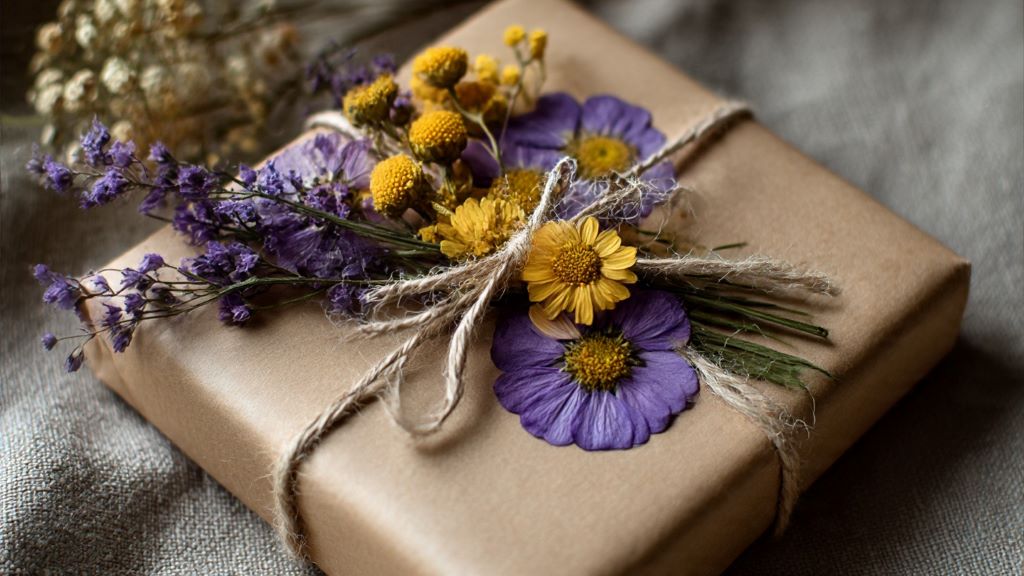
Pressed flowers add a timeless, natural elegance to any gift. These delicate botanical treasures transform ordinary wrapping into something truly memorable. Whether you’re celebrating a birthday, wedding, or simply want to show someone you care, incorporating pressed flowers into your gift presentation creates a personal touch that recipients will cherish. GiftTeen offers inspiration for creative gifting ideas that combine natural elements with thoughtful presentation.
The art of using pressed flowers on gifts has experienced a remarkable resurgence in recent years. This traditional craft brings warmth and authenticity to modern gift-giving. Moreover, pressed flowers are sustainable and eco-friendly, making them perfect for environmentally conscious gift-givers. They work beautifully on everything from simple brown paper packages to elegant gift boxes.
Creating stunning floral gift presentations requires attention to detail and proper technique. When you want your gifts beautifully packaged for present occasions, pressed flowers offer an affordable yet luxurious finishing touch. The delicate petals and leaves catch the light in unexpected ways, creating visual interest that commercial gift wrap simply cannot match. Additionally, recipients often save these decorated packages as keepsakes long after they’ve opened their gifts.
Selecting the Right Flowers for Pressing
Choosing appropriate flowers makes all the difference in your final results. Flat flowers with thin petals work best for pressing. Pansies, violets, and daisies are excellent choices for beginners. These flowers maintain their color well and press into beautiful, paper-thin specimens. Conversely, thick, fleshy flowers like roses and tulips require more advanced techniques and longer pressing times.
Harvest flowers at their peak bloom for the best colors. Morning is ideal because dew has evaporated but flowers haven’t been stressed by afternoon heat. According to the Royal Horticultural Society, properly timed flower collection significantly impacts preservation quality. Select blooms without blemishes or insect damage for professional-looking results.
Consider the color palette of your gift when selecting flowers. Pastels create soft, romantic presentations while bright blooms make bold statements. Furthermore, different flowers carry symbolic meanings that can add depth to your gift. Lavender represents devotion, forget-me-nots symbolize remembrance, and pansies signify loving thoughts.
Pressing Flowers: Methods and Techniques
The traditional book-pressing method remains popular for its simplicity. Place flowers between parchment paper sheets inside a heavy book. Stack additional books on top for weight. This method takes approximately two to three weeks for complete drying. However, flowers must be checked periodically to prevent mold growth.
Microwave pressing offers faster results for impatient crafters. Place flowers between paper towels and microwave in short bursts. This method produces pressed flowers in minutes rather than weeks. Nevertheless, it requires careful attention to prevent burning delicate petals. Start with thirty-second intervals and adjust based on flower thickness.
Professional flower presses provide consistent, reliable results. These wooden frames with tightening screws apply even pressure across multiple flowers simultaneously. They’re worthwhile investments for frequent crafters. Additionally, they allow you to press larger quantities at once, making them ideal for those who regularly create floral gift decorations.
Attaching Pressed Flowers to Gift Wrap
Adhesive selection is crucial for securing pressed flowers without damage. Craft glue works well for paper-based wrapping. Apply tiny dots to the flower’s back using a toothpick for precise placement. Avoid excessive glue, which can seep through delicate petals and create unsightly stains.
Double-sided tape offers another secure attachment method. Cut small pieces and place them strategically on thicker flower parts. This method works particularly well on fabric gift bags or textured papers. However, it’s less suitable for extremely delicate specimens that might tear.
Clear contact paper creates a protective seal while securing flowers. Place flowers on your wrapped gift, then cover with contact paper for a laminated effect. This technique protects flowers from crushing and handling. Therefore, it’s excellent for gifts that will be mailed or transported long distances.
Creative Design Ideas for Floral Gift Decoration
Minimalist designs featuring single blooms create sophisticated, modern presentations. Center one perfect flower on solid-colored paper for maximum impact. Tie with natural twine or ribbon to complete the understated look. This approach works beautifully for corporate gifts or elegant occasions.
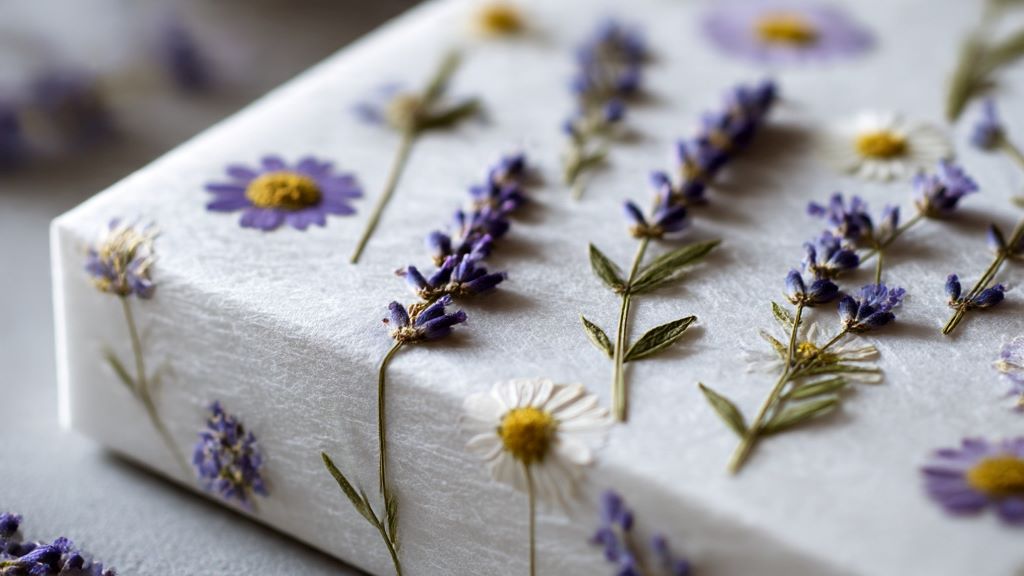
Botanical collages tell visual stories through arranged flowers and foliage. Combine different textures, shapes, and colors for dynamic compositions. Create borders along package edges or cluster arrangements in corners. According to Martha Stewart Living, layering different botanical elements adds depth and visual interest to handmade projects.
Monogram designs personalize gifts in unique ways. Arrange small flowers to form the recipient’s initial. This technique requires patience but creates stunning results. Alternatively, outline pre-printed letters with tiny flower petals for easier execution.
Protecting Your Floral Decorations
Sealed flowers last longer and survive handling better. Clear cellophane wrap stretched over decorated packages protects delicate petals. Secure edges with transparent tape for clean finishes. This protective layer allows flowers to remain visible while preventing damage.
Spray sealants designed for dried flowers add another protection layer. Hold cans approximately twelve inches away and apply light, even coats. Multiple thin layers work better than single heavy applications. Allow complete drying between coats for best results.
Tissue paper overlays provide gentle protection without completely covering designs. Wrap gifts first in decorated paper, then add a sheer tissue layer. This creates dimension while cushioning pressed flowers. Moreover, recipients can easily remove the tissue to reveal the floral design underneath.
Seasonal Flower Selections
Spring flowers bring fresh, cheerful energy to gifts. Cherry blossoms, primroses, and tulip petals capture the season’s renewal. These delicate blooms work wonderfully for Easter presents, Mother’s Day gifts, or spring birthday celebrations. Their soft colors complement pastel wrapping papers beautifully.
Summer blooms offer vibrant, bold options. Pressed daisies, cosmos, and bachelor buttons maintain brilliant colors even after drying. These hardy flowers withstand pressing well and create eye-catching decorations. They’re perfect for graduation gifts, summer wedding presents, or vacation souvenirs.
Autumn leaves and flowers create warm, rich presentations. Pressed maple leaves, chrysanthemums, and autumn foliage reflect the season’s golden palette. These materials work exceptionally well for Thanksgiving gifts, harvest celebrations, or autumn birthday packages. Combine them with rust-colored ribbons for cohesive designs.
Special Occasion Applications
Wedding gifts deserve extra-special floral treatments. Use flowers that match the wedding colors or incorporate blooms from the ceremony. This thoughtful detail shows genuine care and attention. Additionally, the decorated package becomes a wedding keepsake alongside the gift itself.
Baby shower gifts look adorable with delicate pressed flowers. Choose soft pastels and tiny blooms like baby’s breath or small daisies. Create sweet patterns like hearts or simple scattered designs. New parents often save these decorated packages in memory books.
Holiday gifts gain extra charm through seasonal pressed flowers. Christmas packages benefit from pressed holly leaves, winter berries, or evergreen sprigs. Valentine’s gifts showcase pressed rose petals or heart-shaped leaves. Halloween presents feature pressed autumn leaves in orange and red tones.
Combining Pressed Flowers with Other Elements
Natural twine and raffia complement pressed flowers beautifully. These rustic materials enhance the organic aesthetic while securing packages. Tie bows that incorporate small pressed flowers for coordinated looks. The texture contrast between rough fibers and delicate petals creates visual interest.
Calligraphy and pressed flowers make sophisticated combinations. Hand-letter gift tags and embellish them with small pressed blooms. This pairing elevates simple brown paper into gallery-worthy presentations. Furthermore, the personal handwriting adds intimacy that printed labels cannot match.
Vintage stamps and pressed flowers evoke nostalgic charm. Attach old postage stamps alongside botanical specimens for layered, collected aesthetics. This approach works wonderfully for literary-themed gifts or presents for history enthusiasts. The combination tells a story through carefully curated elements.
Storage and Preservation Tips
Store unused pressed flowers in acid-free paper between book pages. Keep them in dry, dark locations away from humidity and direct sunlight. Properly stored pressed flowers retain their colors for years. Label storage envelopes with flower types and pressing dates for easy identification.
Create a pressed flower inventory for future projects. Organize specimens by color, size, and season in labeled containers. This system makes design planning effortless when decorating multiple gifts. Additionally, you’ll know exactly what materials you have available for spontaneous gift-giving occasions.
Conclusion
Using pressed flowers on gifts transforms simple packages into memorable works of art. This timeless craft combines sustainability with personal expression, creating presentations that recipients treasure. From selecting and pressing flowers to designing and protecting your creations, each step offers opportunities for creativity and personalization. Whether you prefer minimalist single-bloom designs or elaborate botanical collages, pressed flowers add natural beauty to any gift. Start experimenting with this rewarding craft, and you’ll discover endless possibilities for making your gifts truly unforgettable.
Frequently Asked Questions
How long do pressed flowers last on gift packages?
Pressed flowers on gifts can last several months to years when properly sealed and protected from direct sunlight and moisture. Using clear cellophane wrap or spray sealant significantly extends their lifespan. However, colors may gradually fade over time, which many people find adds to their vintage charm.
Can I press flowers in the microwave safely?
Yes, microwave pressing is safe when done correctly. Place flowers between paper towels and microwave in 30-second intervals at medium power. Check frequently to prevent burning. This method works best for flowers with thin petals and produces results in just a few minutes.
What types of glue work best for attaching pressed flowers?
Craft glue, white school glue, and glue sticks all work well for pressed flowers. Apply tiny amounts using a toothpick to avoid seepage. For permanent outdoor applications, use mod podge or decoupage medium. Always test glue on a spare pressed flower first.
Do pressed flowers work on fabric gift bags?
Pressed flowers can be attached to fabric gift bags using fabric glue or by sewing them on with clear thread. For temporary applications, use double-sided tape. Sealing them with iron-on adhesive sheets creates permanent, washable decorations that last through multiple uses.
Where can I find flowers for pressing if I don’t have a garden?
Purchase fresh flowers from grocery stores, farmers markets, or florists specifically for pressing. Alternatively, forage for wildflowers in permitted areas, or ask friends with gardens to share blooms. Many craft stores also sell pre-pressed flowers and botanical specimens ready for immediate use.
Related Topics:
Unlocking Bonus Rewards Points With Gift Card Purchases: The Ultimate Strategy
What to Gift for Chinese New Year: A Comprehensive Guide