Influencer Marketing 2.0 signifies a strategic shift from celebrity-led campaigns to authentic, engagement-focused partnerships with micro- and nano-influencers, leveraging AI-driven platforms for precise targeting and campaign management. This next wave prioritizes genuine resonance, measurable impact, and data-backed insights over mere follower counts, Picture this: A teenager with 50,000 TikTok followers generates more authentic engagement for a skincare brand than a celebrity with 10 million Instagram followers. Welcome to Influencer Marketing 2.0, where the rules have completely changed, and traditional celebrity endorsements are becoming as outdated as newspaper classified ads. This evolution represents a seismic shift in how brands connect with consumers, moving beyond follower counts to embrace authentic relationships, niche communities, and innovative content formats that drive real business results.
The digital marketing landscape has transformed dramatically, with 89% of marketers reporting that influencer marketing ROI is comparable to or better than other marketing channels. But we’re not just talking about the same old sponsored posts anymore. Influencer Marketing 2.0 encompasses artificial intelligence integration, virtual influencers, micro and nano-influencer strategies, and immersive technologies that are reshaping the entire social media ecosystem.
What is Influencer Marketing 2.0?
The Evolution Beyond Traditional Influencer Marketing
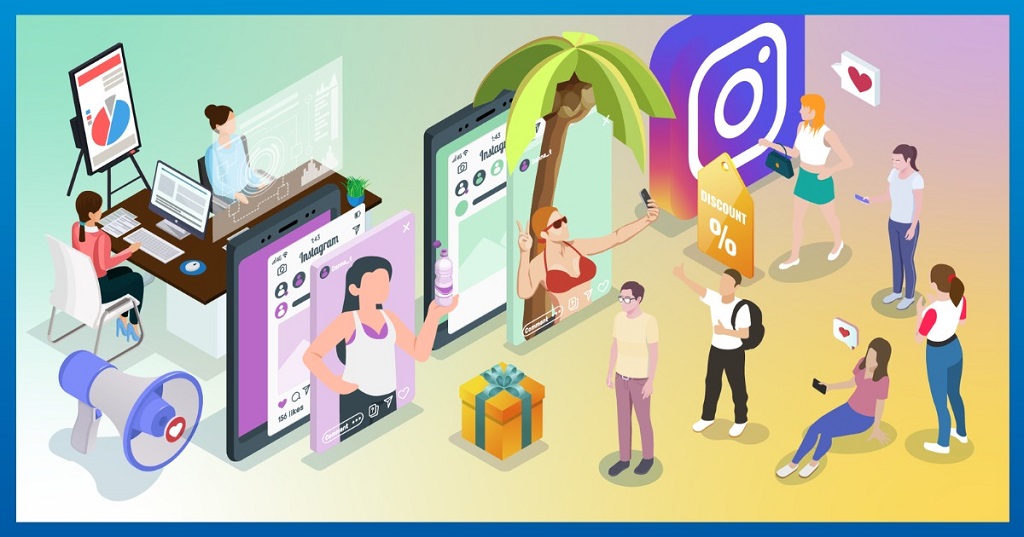
Influencer Marketing 2.0 represents the sophisticated evolution of social media marketing, moving far beyond simple product placements and sponsored posts. This new paradigm focuses on authentic storytelling, long-term brand partnerships, and data-driven strategies that prioritize engagement quality over quantity.
Unlike its predecessor, which relied heavily on celebrity status and follower counts, the next wave emphasizes genuine connections between content creators and their audiences. Modern influencer marketing leverages advanced analytics, AI-powered matchmaking between brands and creators, and multi-platform content strategies that deliver measurable business outcomes.
Key Characteristics of the New Era
The defining features of Influencer Marketing 2.0 include personalized content creation, community-driven campaigns, and performance-based partnerships. Brands now collaborate with content creators who align with their values and target demographics, creating authentic narratives that resonate with specific audience segments.
This approach emphasizes transparency, with clear disclosure requirements and authentic product experiences taking precedence over scripted promotional content. The focus has shifted toward building trust and fostering genuine relationships between brands, influencers, and consumers.
The Rise of Micro and Nano-Influencers
Why Smaller Can Be Bigger
Micro-influencers (1,000-100,000 followers) and nano-influencers (500-1,000 followers) are becoming the powerhouses of modern social media marketing. These content creators typically achieve engagement rates between 3-7%, significantly higher than mega-influencers who often see rates below 1.5%.
The secret lies in community intimacy. Smaller influencers maintain closer relationships with their followers, leading to higher trust levels and more authentic recommendations. Their audiences view them as relatable peers rather than distant celebrities, making their product endorsements feel more like friendly suggestions than paid advertisements.
Cost-Effectiveness and Authenticity
Working with micro and nano-influencers offers exceptional value for marketing budgets. Brands can collaborate with multiple smaller creators for the cost of one mega-influencer campaign, diversifying their reach across different audience segments and geographic locations.
These partnerships often result in more creative, authentic content because smaller influencers have greater flexibility in their brand collaborations. They’re more likely to genuinely use and appreciate the products they promote, leading to honest reviews and testimonials that build consumer confidence.
Technology Integration in Modern Influencer Marketing
Artificial Intelligence and Data Analytics
AI-powered platforms are revolutionizing how brands identify, evaluate, and collaborate with influencers. Advanced algorithms analyze audience demographics, engagement patterns, and content performance to predict campaign success before launch.
Machine learning tools help brands discover emerging talent, track campaign ROI in real-time, and optimize content strategies based on performance data. These technologies enable more precise targeting and budget allocation, maximizing the impact of influencer marketing investments.
Virtual Influencers and Digital Creators
The emergence of computer-generated influencers like Lil Miquela and Shudu represents a fascinating frontier in digital marketing. These virtual personalities offer brands complete control over messaging and brand alignment while generating significant audience engagement.
Virtual influencers eliminate many traditional challenges associated with human partnerships, including scheduling conflicts, personal controversies, and inconsistent content quality. As technology advances, these digital creators are becoming increasingly sophisticated and indistinguishable from human influencers.
Platform Diversification and Emerging Channels
Beyond Instagram and YouTube
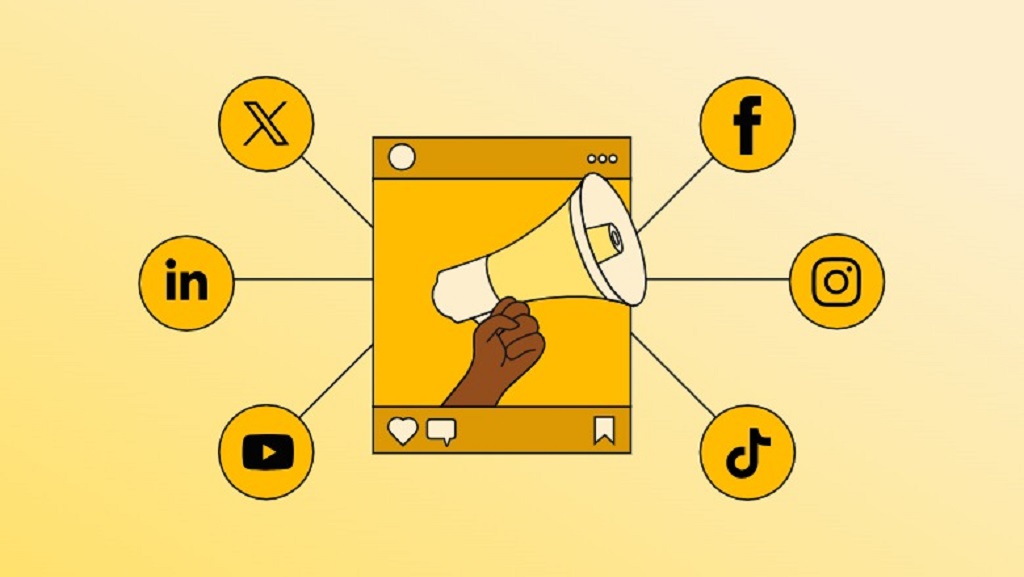
While Instagram and YouTube remain dominant platforms, Influencer Marketing 2.0 embraces emerging channels like TikTok, Clubhouse, LinkedIn, and platform-specific content formats. Each platform requires unique content strategies and offers different audience engagement opportunities.
TikTok’s algorithm-driven discovery system allows smaller creators to achieve viral reach, while LinkedIn provides B2B influencer marketing opportunities that were previously unavailable. Smart brands develop platform-specific strategies that leverage each channel’s unique strengths and audience behaviors.
Cross-Platform Content Strategies
Successful modern campaigns integrate multiple platforms to maximize reach and engagement. Content creators repurpose and adapt their material across different channels, maintaining consistent messaging while optimizing for each platform’s specific requirements and audience preferences.
This approach ensures broader audience coverage and reinforces brand messages through multiple touchpoints, increasing the likelihood of conversion and brand recall.
Measuring Success in the New Era
Advanced Analytics and KPIs
Influencer Marketing 2.0 relies on sophisticated measurement techniques that go far beyond likes, comments, and follower counts. Modern campaigns track conversion rates, customer acquisition costs, lifetime value, and brand sentiment changes to determine true ROI.
Attribution modeling helps brands understand the customer journey and identify which influencer touchpoints contribute most effectively to conversions. These insights enable continuous campaign optimization and more strategic budget allocation across different creators and platforms.
Long-term Partnership Value
The focus has shifted from one-off campaigns to building long-term relationships with content creators. Brands now measure the cumulative impact of ongoing partnerships, including brand awareness growth, customer loyalty improvements, and community building effectiveness.
Long-term collaborations allow for more authentic content development and stronger audience trust, ultimately delivering superior results compared to short-term promotional campaigns.
Challenges and Solutions in Influencer Marketing 2.0
Authenticity vs. Commercialization
Maintaining authenticity while scaling commercial partnerships remains a significant challenge. Audiences are increasingly sophisticated at identifying inauthentic content, making genuine creator-brand alignment more critical than ever.
Successful brands address this by carefully selecting partners whose values and audiences naturally align with their products. They provide creative freedom to influencers while maintaining clear brand guidelines and expectations.
Regulatory Compliance and Transparency
Increasing regulatory scrutiny requires clear disclosure practices and transparent partnership arrangements. The Federal Trade Commission and other regulatory bodies have established strict guidelines for sponsored content identification and disclosure.
Brands must ensure all collaborations comply with legal requirements while maintaining the authentic feel that makes influencer marketing effective. This includes proper hashtag usage, clear sponsorship disclosures, and honest product representations.
Future Trends and Predictions
Immersive Technologies and Virtual Reality
The integration of augmented reality (AR) and virtual reality (VR) technologies will create new opportunities for interactive influencer content. These technologies enable virtual product trials, immersive brand experiences, and innovative storytelling formats that engage audiences in unprecedented ways.
As AR filters and VR experiences become more accessible, expect to see influencers incorporating these technologies into their content strategies, creating more engaging and memorable brand interactions.
Sustainability and Social Responsibility
Modern consumers increasingly value sustainability and social responsibility in their purchasing decisions. Influencer Marketing 2.0 will continue emphasizing authentic partnerships with creators who genuinely support environmental and social causes.
This trend toward conscious consumerism will drive brands to collaborate with influencers who demonstrate genuine commitment to positive social impact, moving beyond superficial cause marketing toward meaningful advocacy and change.
Frequently Asked Questions (FAQs)
What makes Influencer Marketing 2.0 different from traditional influencer marketing?
Influencer Marketing 2.0 focuses on authentic relationships, data-driven strategies, and long-term partnerships rather than one-off promotional posts. It emphasizes engagement quality over follower quantity and leverages advanced technologies for better targeting and measurement.
How do brands measure ROI in modern influencer marketing?
Modern measurement includes conversion tracking, customer acquisition costs, lifetime value analysis, and brand sentiment monitoring. Advanced attribution models help identify which influencer touchpoints contribute most effectively to business outcomes.
Are micro-influencers more effective than mega-influencers?
Micro-influencers often deliver higher engagement rates and more authentic connections with their audiences. They’re typically more cost-effective and offer better targeting for niche markets, though mega-influencers still provide valuable reach for awareness campaigns.
What role does AI play in influencer marketing?
AI helps identify suitable influencers, predict campaign performance, analyze audience data, and optimize content strategies. Machine learning algorithms improve targeting accuracy and enable real-time campaign adjustments for better results.
How important is cross-platform strategy in Influencer Marketing 2.0?
Cross-platform strategies maximize reach and reinforce messaging across multiple touchpoints. Different platforms serve different purposes and audiences, so integrated approaches typically deliver superior results compared to single-platform campaigns.
Read More Also: SAP Partnership Levels Explained
Conclusion: Embrace the Future of Influence
Influencer Marketing 2.0 represents more than an evolution—it’s a complete transformation of how brands connect with consumers in the digital age. The winners in this new landscape will be those who embrace authenticity, leverage advanced technologies, and build genuine relationships with both creators and audiences.
The future belongs to brands that understand the power of community-driven marketing, data-informed decision-making, and authentic storytelling. As the digital landscape continues evolving, staying ahead means adapting to new platforms, technologies, and consumer expectations while maintaining the human connections that make influencer marketing so powerful.
Ready to revolutionize your brand’s social media strategy? Start by identifying micro-influencers in your niche, implementing advanced analytics tools, and developing long-term partnership strategies that prioritize authenticity over follower counts. The next wave of social media power is here—make sure your brand is riding it, not being swept away by it.
Read more about Accept Friend on Snapchat Meaning https://www.hostingcultura.com/reviews/accept-friend-on-snapchat-meaning-what-does-it-really-mean/