

Pocket doors offer a sleek, space-saving solution for modern homes. However, they require regular maintenance to function properly. When tracks become dirty or clogged, doors can stick, scrape, and cause paint damage. Bixideco provides comprehensive home improvement guidance to help homeowners tackle these common issues effectively.
Many homeowners face the frustrating problem where their pocket door always sticks, thus paint gets messed up. solution? lies in proper track maintenance and cleaning. Regular cleaning prevents debris buildup that causes doors to bind against the frame. Additionally, clean tracks ensure smooth operation and extend the door’s lifespan.
Understanding Pocket Door Track Systems
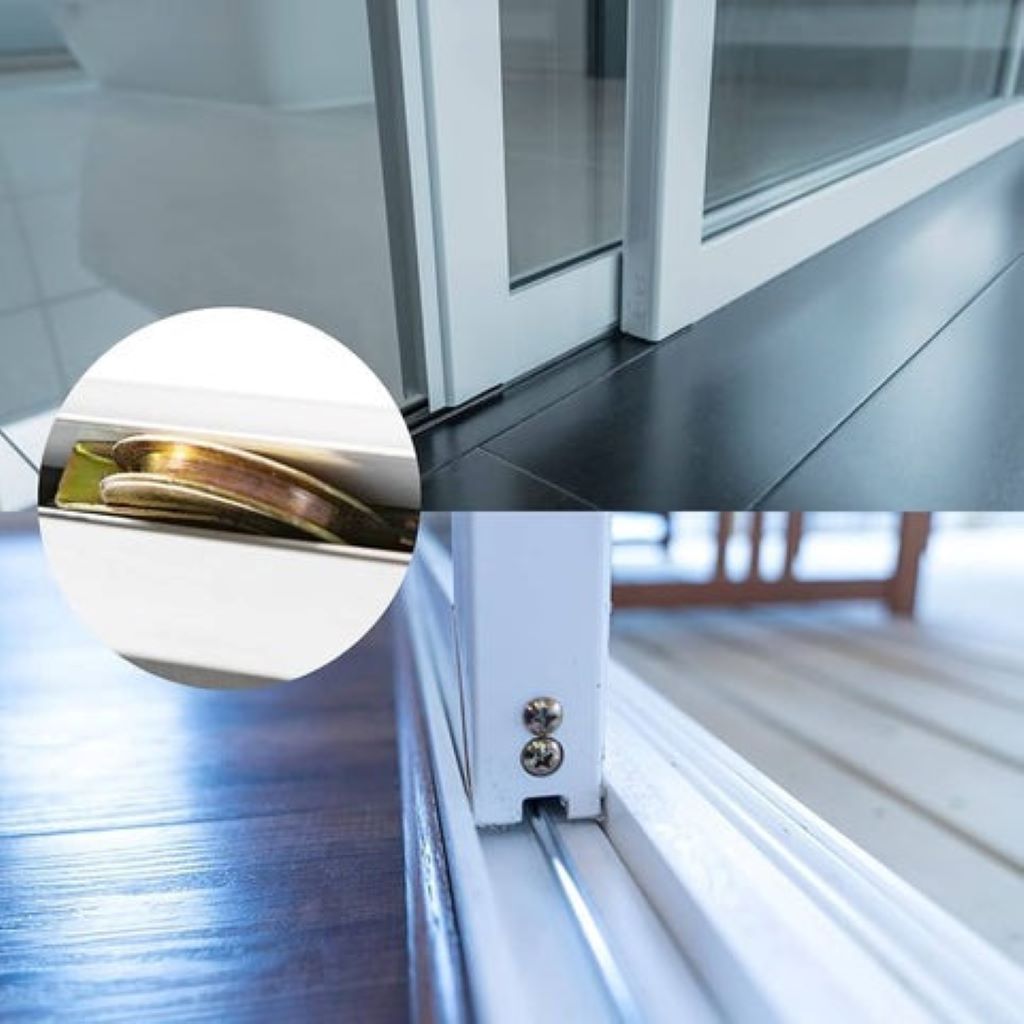
Pocket door tracks consist of several components working together. The upper track guides the door’s movement, while rollers or wheels support the door’s weight. Lower tracks may include floor guides to prevent swaying. Therefore, each component requires specific cleaning attention.
Most pocket doors use steel or aluminum tracks. These materials resist corrosion but collect dust, pet hair, and debris over time. However, proper maintenance keeps these systems functioning smoothly for years.
Common Signs Your Pocket Door Track Needs Cleaning
Several indicators suggest your pocket door track requires attention. First, the door becomes increasingly difficult to slide. Second, you hear grinding or scraping sounds during operation. Third, paint chips appear on the door edges or frame.
Additionally, visible debris accumulation in the track signals immediate cleaning needs. Dust bunnies, hair, and small objects can jam the mechanism. Therefore, regular inspection prevents these issues from escalating.
Essential Tools and Materials
Gathering the right tools makes cleaning efficient and thorough. You’ll need a vacuum cleaner with attachments, compressed air, soft brushes, and clean rags. Additionally, mild soap solution works well for stubborn grime.
Safety equipment includes protective eyewear and dust masks. Tracks often contain years of accumulated debris that can irritate eyes and respiratory systems. However, proper protection makes the job safe and comfortable.
Step-by-Step Cleaning Process
Preparing the Work Area
Start by removing the pocket door completely. This provides full access to the track system. Most doors lift slightly and slide out of the upper track. However, some systems require removing mounting hardware first.
Clear the surrounding area of furniture and belongings. Lay down protective sheeting to catch falling debris. Additionally, ensure adequate lighting for thorough inspection and cleaning.
Removing Loose Debris
Begin with thorough vacuuming using appropriate attachments. Crevice tools reach narrow track channels effectively. Work systematically from one end to the other, removing all visible debris.
Compressed air blows out stubborn particles lodged in tight spaces. Hold the canister upright and use short bursts to avoid condensation. Therefore, this step removes debris that vacuuming might miss.
Deep Cleaning the Track
Create a mild cleaning solution using warm water and gentle dish soap. Avoid harsh chemicals that might damage track finishes or door mechanisms. Dip a soft brush in the solution and scrub track surfaces thoroughly.
Pay special attention to roller contact points where grease and grime accumulate. These areas require extra cleaning effort for smooth operation. However, avoid oversaturating electrical components if present.
Cleaning and Lubricating Rollers
Inspect door rollers for wear, damage, or debris buildup. Clean each roller individually using the soap solution and soft brush. Spin rollers by hand to ensure smooth movement and check for rough spots.
Apply appropriate lubricant to roller bearings after cleaning. Use manufacturer-recommended products or high-quality bearing grease. Additionally, wipe away excess lubricant to prevent future debris attraction.
Maintenance Schedule and Prevention
Establish a regular cleaning schedule based on usage patterns. High-traffic doors require monthly attention, while occasional-use doors need quarterly cleaning. Therefore, consistent maintenance prevents major problems from developing.
Weekly quick inspections catch issues early. Look for unusual sounds, sticking points, or visible debris. Additionally, prompt attention to small problems prevents costly repairs later.
Preventive Measures
Install door sweeps or weather stripping to reduce debris entry. These simple additions significantly decrease cleaning frequency. However, ensure proper installation to avoid interfering with door operation.
Consider air filtration improvements in rooms with pocket doors. Better air quality reduces dust accumulation in tracks. According to the Environmental Protection Agency, improved indoor air quality benefits both health and home maintenance.
Troubleshooting Common Issues
Door Still Sticks After Cleaning
If cleaning doesn’t resolve sticking issues, examine track alignment. Settling foundations or loose mounting hardware can cause misalignment. Therefore, professional adjustment might be necessary for proper operation.
Check for track damage such as dents, warping, or excessive wear. These issues require repair or replacement for optimal function. Additionally, worn rollers contribute to sticking problems even with clean tracks.
Paint Damage Prevention
Proper track maintenance prevents most paint damage. However, existing damage requires touch-up work before problems worsen. Sand damaged areas lightly and apply primer before repainting.
Consider upgrading to higher-quality paint formulations that resist chipping and wear. Quality paint investments pay off through reduced maintenance needs. Therefore, choose products designed for high-wear applications.
Professional Maintenance Considerations
Some pocket door systems benefit from professional servicing. Complex mechanisms, electrical components, or structural issues require expert attention. Additionally, warranty considerations might mandate professional maintenance.
Evaluate cost-benefit ratios when deciding between DIY and professional service. Simple cleaning tasks suit most homeowners, while complex repairs justify professional costs. However, improper DIY attempts can void warranties or cause expensive damage.
Real estate experts from Realtor.com emphasize that well-maintained pocket doors add value to homes while poorly maintained systems detract from property appeal.
Conclusion
Regular pocket door track cleaning prevents sticking, paint damage, and costly repairs. The process requires basic tools, mild cleaning solutions, and systematic approach. Additionally, establishing maintenance schedules ensures long-term smooth operation.
Key steps include thorough debris removal, deep cleaning with appropriate solutions, and proper lubrication. Therefore, homeowners can maintain pocket door systems effectively with minimal investment. Prevention through regular maintenance proves more cost-effective than reactive repairs.
Frequently Asked Questions
How often should I clean my pocket door tracks? Clean high-use pocket door tracks monthly and low-use tracks quarterly. Additionally, perform quick weekly inspections to catch issues early.
What type of lubricant works best for pocket door rollers? Use manufacturer-recommended lubricants or high-quality bearing grease. However, avoid petroleum-based products that attract debris and cause long-term problems.
Can I use household cleaners on pocket door tracks? Mild dish soap solutions work well for most cleaning needs. Therefore, avoid harsh chemicals, bleach, or abrasive cleaners that might damage track finishes.
Why does my pocket door still stick after cleaning? Track misalignment, worn rollers, or structural settling might cause persistent sticking. Additionally, some issues require professional diagnosis and repair for proper resolution.
How do I prevent paint damage on my pocket door? Regular track cleaning and proper lubrication prevent most paint damage. However, install door sweeps and maintain proper track alignment for optimal protection.
Read More: