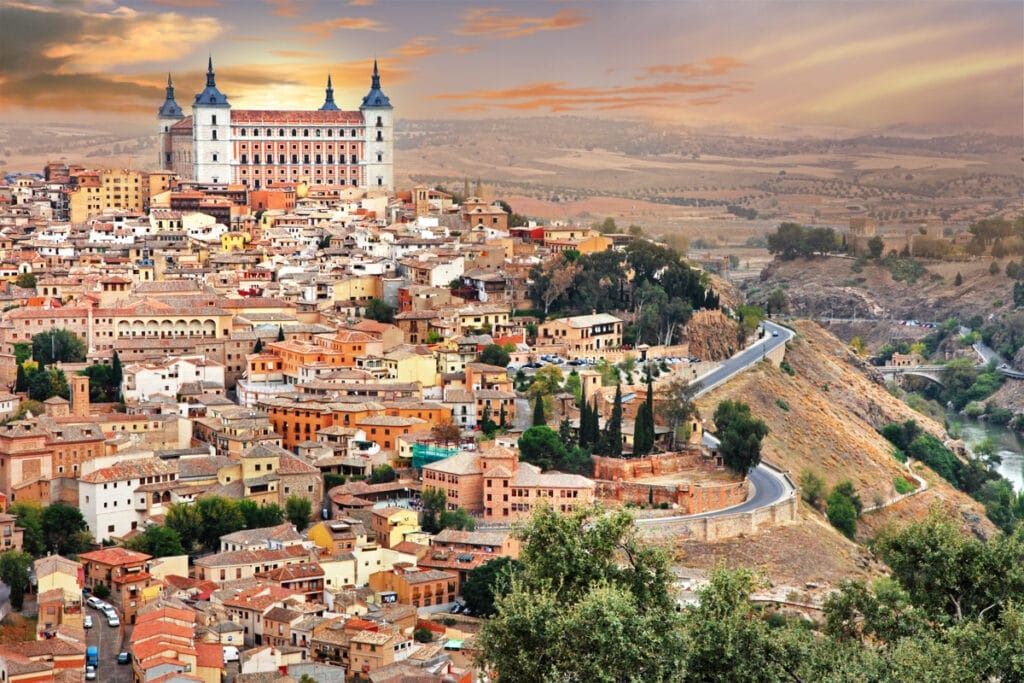
Spain offers an incredible blend of vibrant culture, stunning architecture, delicious cuisine, and diverse landscapes that captivate travelers from around the world. With limited time to explore this magnificent country, planning becomes essential to maximize your experience. Whether you’re drawn to the bustling streets of Madrid, the artistic treasures of Barcelona, or the sun-soaked beaches of Andalusia, a well-crafted 10-day itinerary can provide you with unforgettable memories. Travel enthusiasts at Jamesons Journey understand the importance of strategic planning when exploring destinations as rich and varied as Spain.
Planning your Spanish adventure requires understanding the country’s geography and prioritizing destinations based on your interests. The largest cities in Spain offer distinct experiences, from Madrid’s royal grandeur to Barcelona’s modernist architecture. However, smaller towns and regions often provide the most authentic glimpses into Spanish culture and traditions. Therefore, balancing major urban centers with charming villages creates a more comprehensive travel experience.
Days 1-3: Madrid – The Heart of Spain
Begin your Spanish journey in the capital city, where royal palaces, world-class museums, and lively neighborhoods await exploration. Madrid serves as an excellent starting point due to its central location and extensive transportation connections to other parts of the country.
The Royal Palace stands as one of Madrid’s most magnificent attractions, showcasing opulent rooms and beautiful gardens. Additionally, the nearby Almudena Cathedral offers stunning architecture and panoramic city views. The Prado Museum houses one of the world’s finest art collections, featuring masterpieces by Velázquez, Goya, and El Greco. Furthermore, the Reina Sofia Museum displays modern art, including Picasso’s famous “Guernica.”
Madrid’s neighborhoods each possess unique characteristics worth discovering. The historic center around Sol and Plaza Mayor buzzes with street performers and traditional tapas bars. Meanwhile, the trendy Malasaña district attracts younger crowds with its vintage shops and alternative culture. Retiro Park provides a peaceful escape from urban energy, perfect for afternoon strolls or boat rides on the crystal palace lake.
What to skip in Madrid includes tourist trap restaurants around major attractions, which often serve overpriced, mediocre food. Instead, venture into local neighborhoods where authentic Spanish cuisine thrives at reasonable prices.
Days 4-6: Barcelona – Modernist Marvel
Travel from Madrid to Barcelona via high-speed train, a journey taking approximately three hours through beautiful Spanish countryside. Barcelona presents a completely different atmosphere, where Catalan culture blends seamlessly with Mediterranean influences and architectural wonders.
Antoni Gaudí’s masterpieces dominate Barcelona’s skyline and capture visitors’ imagination immediately. The Sagrada Familia basilica, still under construction after more than a century, represents Gaudí’s most ambitious project. However, advance reservations are essential due to enormous popularity. Park Güell offers whimsical mosaics and unique architectural elements alongside spectacular city views.
The Gothic Quarter preserves medieval Barcelona’s essence through narrow cobblestone streets and ancient buildings. Additionally, Las Ramblas provides vibrant pedestrian energy, though pickpockets frequently target tourists here. Therefore, remain vigilant while enjoying street performances and market stalls.
Barcelona’s beaches allow for relaxation after intensive sightseeing. Barceloneta Beach offers convenient city access, while nearby Bogatell provides a more local atmosphere. Furthermore, the coastal location means excellent seafood restaurants line the waterfront areas.
Skip the overpriced souvenir shops along Las Ramblas and instead explore local markets like Mercado de San José de la Boquería for authentic food experiences and better-value purchases.
Days 7-8: Seville – Andalusian Charm
Fly or take the high-speed train from Barcelona to Seville, entering Spain’s passionate Andalusian region where flamenco rhythms and Moorish architecture create an intoxicating atmosphere. The journey takes approximately six hours by train or one hour by flight.
Seville’s Alcázar represents one of Spain’s most beautiful royal palaces, featuring intricate Islamic design and lush gardens. Moreover, the massive Gothic cathedral houses Christopher Columbus’s tomb and offers breathtaking views from its bell tower, La Giralda. The historic Santa Cruz neighborhood enchants visitors with its narrow streets, hidden plazas, and traditional whitewashed houses.
Flamenco shows provide authentic cultural experiences, particularly in intimate venues throughout the Triana neighborhood. Additionally, tapas culture reaches its zenith in Seville, where small plates accompany drinks as social traditions. The evening paseo, or leisurely stroll, allows travelers to observe local customs while enjoying mild Andalusian weather.
However, summer temperatures in Seville can exceed 40°C (104°F), making afternoon sightseeing uncomfortable. Therefore, plan indoor activities during midday hours and save outdoor exploration for early morning or evening times.
What to skip includes tourist-oriented flamenco shows in central locations, which often lack authenticity compared to neighborhood venues where locals gather.
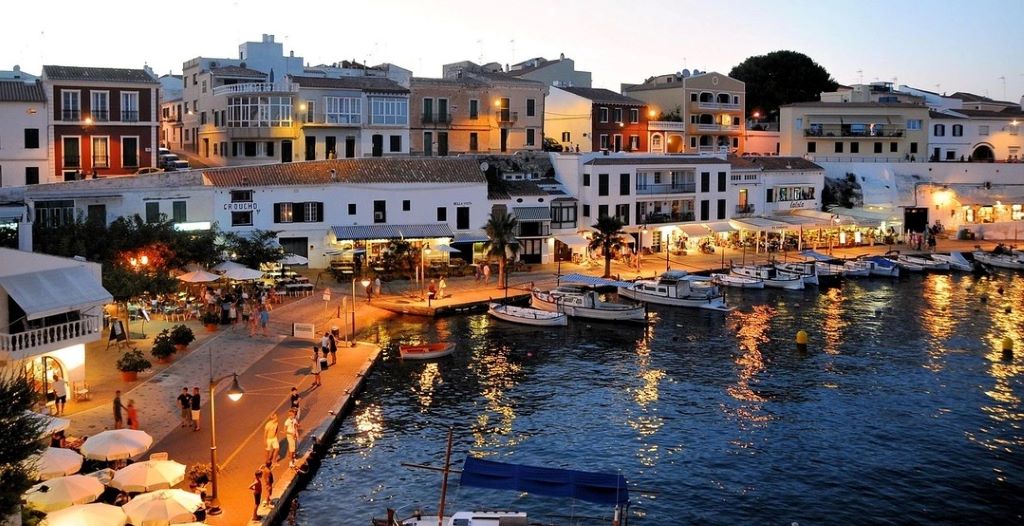
Days 9-10: Granada or Valencia – Final Impressions
Choose between Granada’s Moorish splendor or Valencia’s coastal appeal for your final Spanish destination. Both cities offer unique experiences that provide perfect endings to your Spanish adventure.
Granada houses the magnificent Alhambra palace complex, considered one of the world’s most beautiful examples of Islamic architecture. The intricate geometric patterns, peaceful courtyards, and mountain backdrop create an almost magical atmosphere. Nevertheless, advance reservations are absolutely essential, as daily visitor numbers are strictly limited. The adjacent Generalife gardens showcase sophisticated irrigation systems and aromatic plants that transport visitors to medieval times.
Alternatively, Valencia combines historical significance with modern attractions and Mediterranean beaches. The futuristic City of Arts and Sciences contrasts dramatically with the Gothic cathedral and medieval silk exchange. Additionally, Valencia claims to be paella’s birthplace, offering numerous opportunities to taste this iconic Spanish dish in its traditional form.
The coastal location provides beautiful beaches within easy reach of the city center. Furthermore, the mild climate makes Valencia pleasant year-round, unlike some other Spanish destinations that become uncomfortably hot during summer months.
Skip the overpriced tourist restaurants near major monuments in Granada, as the quality rarely matches the premium prices charged to visitors.
Transportation Tips
Spain’s excellent transportation infrastructure makes multi-city travel convenient and efficient. High-speed trains connect major cities quickly, while domestic flights offer time-saving alternatives for longer distances. Additionally, rental cars provide flexibility for exploring smaller towns and rural areas, though city center driving can be challenging due to narrow streets and limited parking.
Consider purchasing a Spain Rail Pass for multiple train journeys, as individual tickets can become expensive. However, advance booking often provides significant discounts compared to last-minute purchases.
Cultural Considerations
Spanish meal times differ significantly from many other countries, with lunch typically served between 2-4 PM and dinner rarely beginning before 9 PM. Additionally, many shops and attractions close during siesta hours (approximately 2-5 PM), particularly outside major tourist areas. Therefore, planning activities around these cultural rhythms enhances your travel experience.
Learning basic Spanish phrases demonstrates respect for local culture and often results in warmer interactions with residents. However, English is widely spoken in tourist areas and major cities.
Budget Considerations
Spain offers excellent value compared to many Western European destinations, particularly regarding food and accommodation. Nevertheless, major tourist attractions command premium prices, especially during peak season (June-August). Therefore, visiting during shoulder seasons (April-May or September-October) provides better weather, smaller crowds, and lower costs.
According to Lonely Planet, budget travelers can expect to spend €50-70 per day, while mid-range travelers typically budget €100-150 daily. However, these estimates vary significantly based on accommodation choices, dining preferences, and activity selections.
Frequently Asked Questions
Q: What is the best time to visit Spain? A: The ideal time to visit Spain is during the shoulder seasons of April-May and September-October. During these months, you’ll enjoy pleasant weather, fewer crowds, and lower prices. Summer can be extremely hot, particularly in southern regions like Andalusia, while winter temperatures are mild but some attractions may have reduced hours.
Q: Do I need to speak Spanish to travel in Spain? A: While knowing basic Spanish phrases is helpful and appreciated by locals, it’s not essential for travelers. English is widely spoken in major tourist areas, hotels, and restaurants in large cities. However, learning simple greetings and polite expressions will enhance your cultural experience and interactions with Spanish people.
Q: How much money should I budget for 10 days in Spain? A: Budget travelers can expect to spend approximately €50-70 per day, including accommodation, meals, and activities. Mid-range travelers should budget €100-150 daily, while luxury travelers may spend €200+ per day. These estimates vary based on accommodation choices, dining preferences, transportation methods, and activity selections.
Q: Is it safe to travel in Spain? A: Spain is generally very safe for tourists, with crime rates lower than many other European destinations. However, petty theft and pickpocketing can occur in crowded tourist areas, particularly in Barcelona and Madrid. Use common sense precautions like securing valuables, staying aware of your surroundings, and avoiding isolated areas at night.
Q: What should I pack for a 10-day trip to Spain? A: Pack comfortable walking shoes, lightweight layers for varying temperatures, sun protection (hat, sunscreen, sunglasses), and a small day pack for sightseeing. Include dressier clothes for evening dining, as Spanish restaurants often have higher dress standards than casual tourist establishments. Don’t forget a universal adapter for electronic devices and any prescription medications you may need.
Conclusion
A 10-day journey through Spain provides an excellent introduction to the country’s diverse regions, rich history, and vibrant culture. From Madrid’s royal grandeur to Barcelona’s modernist masterpieces, Seville’s flamenco passion, and Granada’s Moorish splendor, each destination offers unique experiences that contribute to understanding Spain’s complex identity. Success lies in balancing must-see attractions with spontaneous discoveries, allowing time for both cultural immersion and relaxation.
Remember that Spain rewards travelers who embrace local customs, from late dining hours to afternoon siestas. Therefore, approach your journey with flexibility and openness to unexpected experiences. The memories created during these 10 days will undoubtedly inspire future returns to explore Spain’s countless other treasures, from the Basque Country’s culinary excellence to the Balearic Islands’ Mediterranean beauty. Most importantly, allow yourself to be swept away by Spain’s infectious enthusiasm for life, art, and celebration.
Read More:
Ditch the Cash, Grab a Wise Card: Your Passport to Smart Spending Abroad