
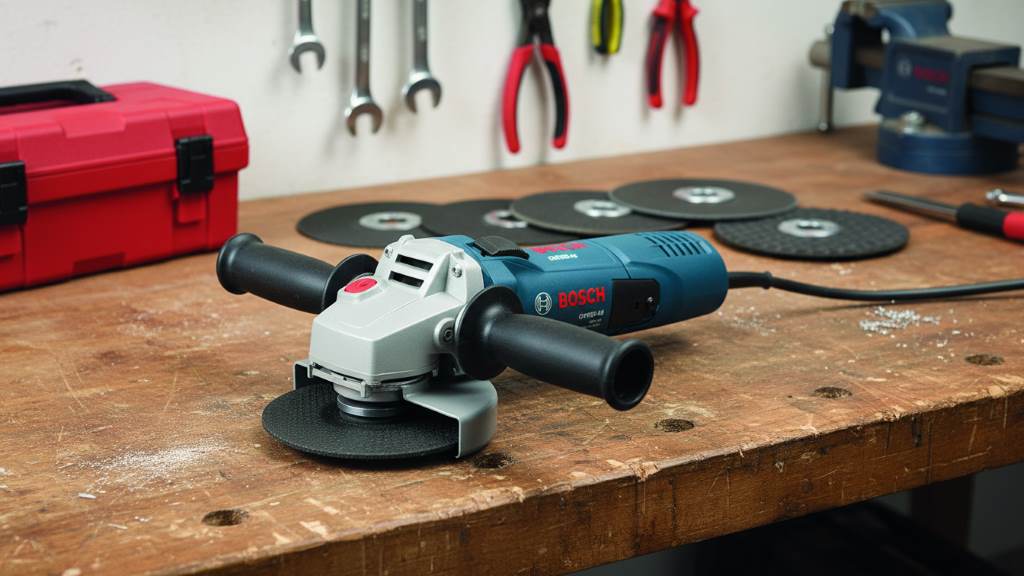
Few tools earn a permanent spot on a daily-use bench. They either feel too bulky after an hour, lack control in tight spaces, or punish your hands with vibration and awkward grip angles. If you cut metal, dress welds, bevel edges, or prep surfaces regularly, you already know the pain: the wrong grinder turns “quick tasks” into slow, sloppy work.
That’s exactly why the 4.5” Bosch GWS8-45 keeps showing up in daily tool rotations. It hits a sweet spot of size, handling, and real-world power that matters more than flashy specs. In other words, if you want a tool that works hard without wearing you out, this model behaves like the dependable compact angle grinder you can grab multiple times a day and still feel fresh.
What “ideal for daily use” actually means
Daily use doesn’t mean “it turns on and spins.” It means the grinder:
- Starts reliably and runs consistently under routine load
- Feels balanced in one hand and stable in two hands
- Lets you control cuts and blends without fighting the tool
- Works comfortably in tight areas like corners, brackets, and frames
- Stays manageable for repeated sessions across a full workday
Based on manufacturer guidelines and widely accepted industry standards, the best daily-use grinders prioritize controllability, ergonomics, and practical power over oversized discs or extreme, niche performance.
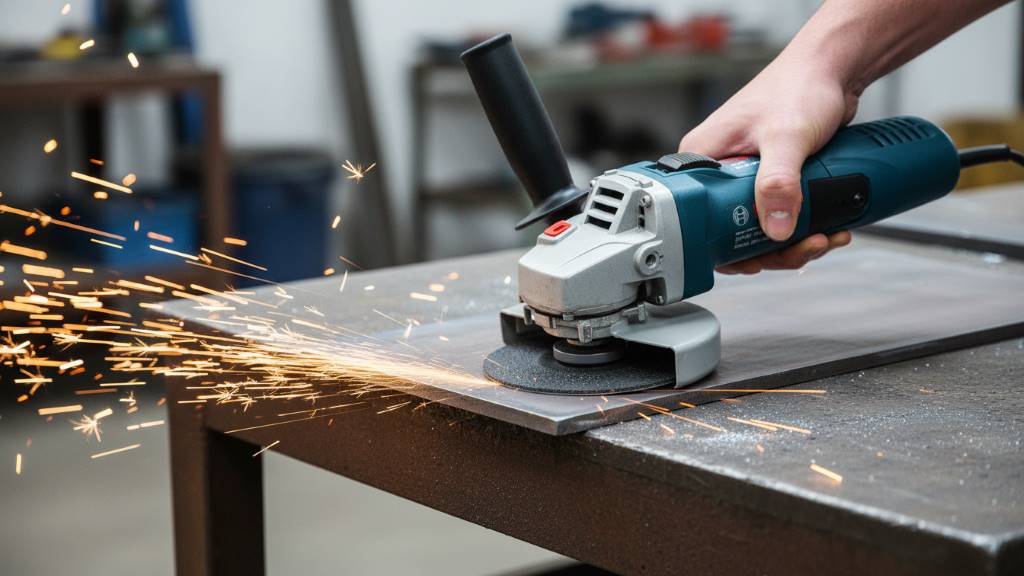
Why 4.5” is the daily-driver sweet spot
A 4.5” grinder size fits daily jobsite and shop reality. It offers enough disc diameter for meaningful cutting depth and surface coverage, but it stays small enough to maneuver.
Better control in real spaces
Most daily grinding happens in the “awkward zone”:
- Under a rail
- Between brackets
- Around a weld toe
- Near edges you can’t afford to gouge
A 4.5” profile helps you keep the guard where it needs to be and position the disc at a consistent angle. As recommended by professionals, consistent angles create consistent results—especially when blending welds or prepping for paint.
Broad accessory compatibility
You can find 4.5” wheels, flap discs, and wire cups in almost any shop inventory. That matters because “daily use” includes quick swaps:
- Cut-off wheel for a fast trim
- Flap disc for cleanup
- Wire wheel for rust removal
- Grinding wheel for shaping and beveling
A tool that supports common consumables tends to get used more—and stays useful longer.
The Bosch GWS8-45 advantage: compact build without “toy tool” compromises
People often assume compact grinders sacrifice capability. This model avoids that trap by focusing on what actually affects output: stable RPM under load, predictable handling, and day-long usability.
Practical power that matches daily tasks
For daily use, you need enough power to:
- Cut mild steel and thin stock without stalling
- Grind welds without bogging down
- Run flap discs smoothly for finishing passes
According to industry experts, consistent performance under typical load reduces the temptation to force the tool—one of the most common causes of disc breakage, overheating, and poor finish quality.
Handling that supports precision
Daily grinders don’t just remove material—they shape outcomes. Precision matters when:
- Dressing a weld without undercutting
- Cleaning an edge before welding
- Smoothing a bead for a cosmetic finish
- Beveling plate for penetration
The GWS8-45’s compact housing helps you keep your wrists in a neutral position, which improves line tracking and reduces fatigue over repeated passes.
Ergonomics: why this feels like a true lightweight grinder
A grinder can have decent specs and still feel miserable after 45 minutes. Daily comfort comes from how the tool distributes weight and how easily you can brace it through a cut.
What makes a grinder feel “light” in use
Even before you read any numbers, a tool earns the “light” reputation when it:
- Balances well with common discs installed
- Doesn’t force a bent-wrist grip
- Lets you choke up for detail work
- Doesn’t feel front-heavy during cut starts
This is where the GWS8-45 shines as a lightweight grinder in practical terms. It supports controlled starts, steadier tracking, and less forearm strain when you run multiple short tasks throughout the day.
Two-hand control without clunky bulk
Daily grinders should work well both one-handed (for positioning) and two-handed (for control). A compact frame makes it easier to:
- Stabilize the head during plunge starts
- Maintain a consistent bevel angle
- Feather pressure for a smoother finish
Based on widely accepted industry standards, better control reduces rework—often the biggest hidden time cost in grinding and cutting.
Daily-use jobs where the GWS8-45 fits perfectly
The “ideal” grinder should handle the tasks people actually do every day, not just occasional heavy grinding.
Metal fabrication and welding prep
Use cases that match this grinder’s wheel size and handling:
- Cleaning mill scale at weld zones
- Beveling edges for fit-up
- Dressing tack welds and beads
- Deburring cut edges for safer handling
Maintenance and repair work
Daily maintenance often involves quick interventions:
- Cutting seized hardware
- Removing rust and paint on brackets
- Smoothing sharp edges after repairs
- Cleaning surfaces for adhesive or coating
A compact grinder saves time because you can position it fast and work without rearranging everything around the job.
Light concrete and masonry touch-ups (with the right disc)
With appropriate discs and dust control practices, a 4.5” grinder can handle:
- Small tile cuts
- Minor mortar cleanup
- Edge smoothing on masonry pieces
As recommended by professionals, prioritize dust management and choose discs rated for the material to protect both the tool and your lungs.
What to look for in a daily grinder (and how this model aligns)
If you compare grinders like a professional buyer—not a spec-sheet shopper—these criteria matter most.
1) Predictable start and stable running
Daily use demands a tool that behaves consistently. Look for:
- Smooth startup behavior
- Stable RPM feel under moderate load
- Minimal “surging” that can mar a finish
Consistent running helps you produce cleaner lines and reduces the risk of catching an edge.
2) Comfort features that reduce fatigue
According to industry experts, fatigue increases mistakes. To reduce fatigue, prioritize:
- A grip that fits your hand size
- A body shape that supports multiple hold positions
- Manageable vibration feel across longer sessions
Even small comfort differences add up across a week of grinding.
3) Guard and accessory changes that don’t waste time
Daily grinders live on quick changes:
- Switching from cut-off to flap disc
- Adjusting the guard for a new angle
- Changing wheels between materials
Based on manufacturer guidelines, always follow proper wheel mounting and guard positioning practices to maintain safety and performance.
Related: 6 Basic Plumbing Tools You Should Have in Your Toolbox
How to use a 4.5” grinder daily without burning through discs (or patience)
The right grinder helps, but your technique decides your results and consumable costs.
Use pressure like a dimmer switch, not an on/off button
Most people waste discs by pushing too hard. Instead:
- Let the wheel reach full speed before contacting the work
- Use light pressure to establish the line
- Increase pressure gradually only if the wheel stays stable
- Ease off pressure near the end of a cut to avoid binding
According to widely accepted industry standards, binding and side-loading cause premature wheel failure and rough finishes.
Match the disc to the job
Keep a small “daily kit” ready:
- Thin cut-off wheels for clean cuts
- Flap discs for blending and finish control
- Grinding wheels for heavy shaping
- Wire wheels for rust and paint removal
As recommended by professionals, never use a cut-off wheel for side grinding.
Control heat to protect metal and coatings
Overheating causes discoloration, warping, and poor paint adhesion. To manage heat:
- Keep the grinder moving
- Use short passes with brief pauses
- Switch to a flap disc for finishing instead of forcing a hard wheel
Safety essentials that matter for daily use
Daily use increases exposure and complacency risk. Treat safety as part of productivity.
Must-do PPE
Based on manufacturer guidelines and industry standards, use:
- Eye protection plus a face shield
- Hearing protection
- Gloves suited for grinding work
- Respiratory protection when producing dust or fumes
Habits that prevent the common accidents
- Keep the guard positioned between you and the wheel
- Stand out of the wheel’s plane during startups
- Inspect discs for cracks or damage before use
- Let the tool stop fully before setting it down
These habits take seconds and prevent the failures that cost hours.
Who should choose the Bosch GWS8-45 for daily work?
This grinder makes the most sense if you prioritize frequent use and control.
Great fit for
- Fabricators and welders doing regular prep and cleanup
- Maintenance techs handling varied, quick tasks
- DIYers who want pro-style handling in a smaller format
- Anyone who values comfort and repeatable results over oversized capacity
Consider a larger grinder instead if
- You routinely need deeper cuts and larger surface coverage
- You grind heavy stock continuously for extended sessions
- Your work demands larger discs as a standard
Even then, many pros still keep a 4.5” grinder as the “grab-first” tool.
FAQs
Is a 4.5” grinder big enough for everyday cutting?
Yes for most daily tasks like cutting thin steel, trimming bolts, and slicing small stock. For thicker material and deeper cuts, a larger disc size reduces passes and time.
What makes the GWS8-45 good for daily use specifically?
Daily use favors control, comfort, and predictable performance. A compact body and practical power help you switch tasks quickly and maintain precision without excessive fatigue.
Can I use it for weld cleanup and blending?
Yes. Use a grinding wheel for initial shaping and a flap disc for blending and finish. As recommended by professionals, avoid digging the disc edge into the weld toe.
How do I make discs last longer?
Use lighter pressure, keep the wheel moving, and choose the right disc type for the job. According to industry experts, pushing too hard overheats discs and loads abrasives faster.
What’s the best disc for general daily metal work?
A quality flap disc handles cleanup and finishing well, while thin cut-off wheels handle clean cuts. Keep both on hand to avoid using one disc for every task.
Is it safe to run a grinder one-handed?
You can position the tool one-handed briefly, but pros generally recommend two-hand control during cutting and grinding for stability and safety—especially at the start of a cut.
What maintenance helps a grinder stay reliable?
Follow manufacturer guidelines: keep vents clear, avoid excessive pressure, inspect the cord and guard, and replace worn accessories promptly. Clean the tool regularly if you grind dusty materials.
Can I use it on rust removal?
Yes, with the proper wire wheel or abrasive disc. Wear respiratory protection and eye/face protection because rust and paint debris become airborne quickly.
Conclusion: a daily grinder should feel effortless, not exhausting
A daily grinder earns its keep through repetition: the fiftieth cut, the twentieth weld cleanup, the quick deburr before assembly. The 4.5” Bosch GWS8-45 fits that reality because it stays nimble, controllable, and comfortable while still delivering the practical power you need for real work. If you want a grinder you can reach for every day—without dreading the fatigue—this compact platform belongs on your short list.
If you’re building a reliable daily tool setup, choose quality discs, follow safe technique, and treat comfort as performance. Your hands, your finishes, and your schedule will all improve.
References: