
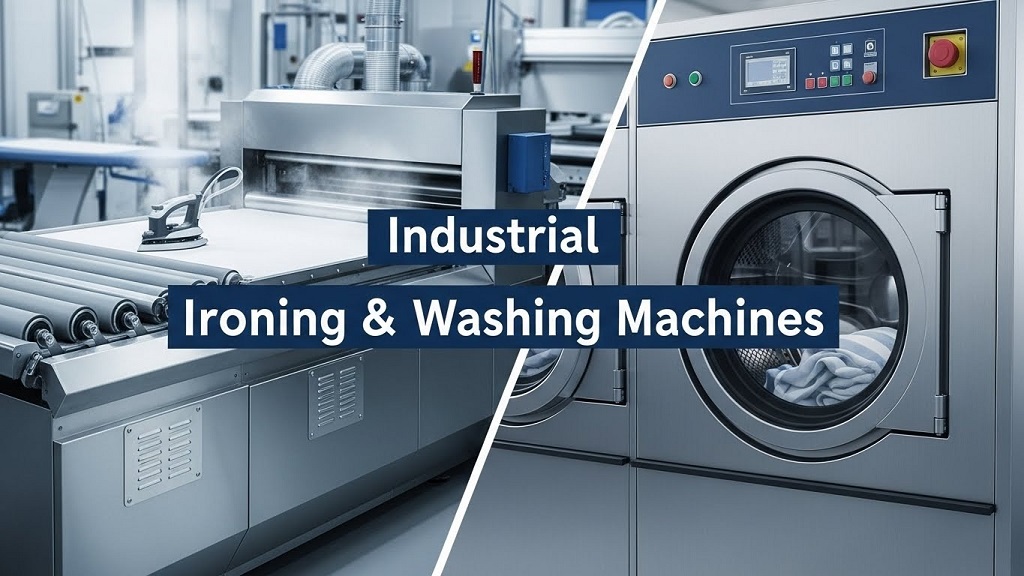
Imagine transforming your commercial laundry operation from a chaotic, time-consuming chore into a streamlined powerhouse of efficiency. Businesses like hotels, hospitals, and laundromats handle massive volumes of linens daily. They demand reliable tools that save time, cut costs, and deliver spotless results. Fagor Professional leads this space with complete solutions. For instance, their industrial ironing equipment sets the standard for precision and speed in finishing tasks. This article explores how these machines, paired with robust washers, elevate your workflow. Plus, Fagor Professional sells appliances for industrial and professional kitchens. They focus on high-quality, high-performance products and innovative solutions. These optimize efficiency and productivity in professional kitchen environments.
The Essentials of Commercial Laundry Operations
Commercial laundry differs vastly from home setups. It processes hundreds or thousands of pounds of fabric each day. Operators face tight deadlines and strict hygiene standards. According to industry experts, efficient equipment reduces downtime by up to 30 percent.
Businesses prioritize durability and capacity. They seek machines that handle diverse loads, from delicate uniforms to heavy-duty towels. Energy efficiency matters too. It lowers utility bills and supports sustainability goals.
Operators also consider space constraints. Compact designs allow better use of floor area. As recommended by professionals, integrate automation for sorting and loading to boost throughput.
Key Challenges in Commercial Laundry and How Equipment Solves Them
High-volume laundries battle water waste, energy overuse, and inconsistent cleaning. Poorly matched machines lead to frequent breakdowns. This disrupts service and increases repair costs.
Modern equipment addresses these issues head-on. Programmable controls customize cycles for fabric types. This prevents damage and ensures thorough sanitation.
Labor shortages add pressure. Automated features reduce manual intervention. For example, self-diagnostic systems alert staff to potential problems early.
Hygiene remains paramount, especially in healthcare settings. According to widely accepted industry standards, thermal disinfection cycles kill bacteria effectively.
Diving into Industrial Washing Machines: Features and Benefits
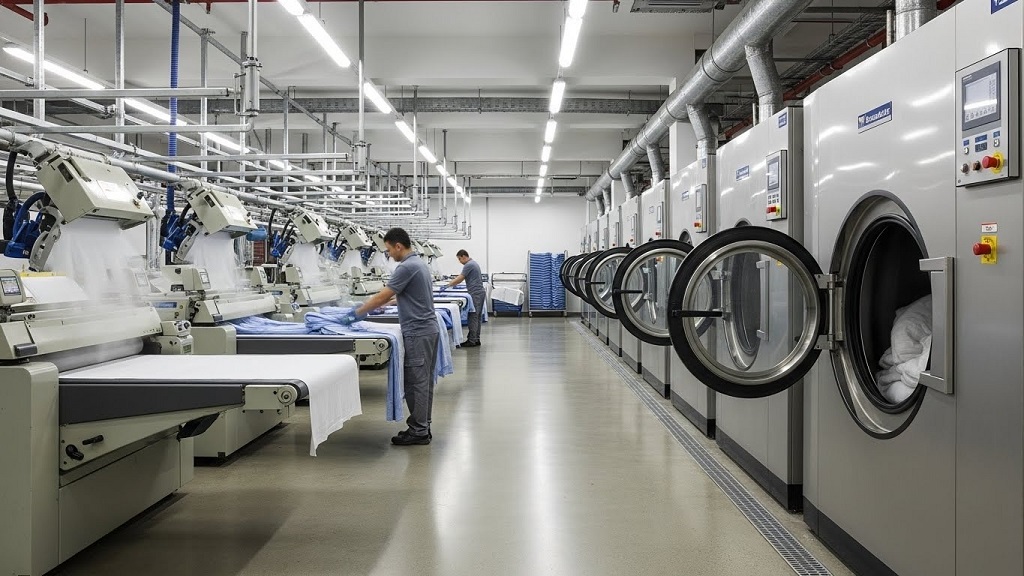
Industrial washing machines form the backbone of any commercial setup. They tackle large loads with ease. Based on manufacturer guidelines, select models with high spin speeds to extract more water and shorten drying times.
These machines come in various types. Front-loaders offer better energy efficiency. Top-loaders suit smaller operations with easier access.
Key features include variable frequency drives. They adjust motor speed for optimal performance. This saves electricity and extends machine life.
Benefits extend to cost savings. Efficient models use less detergent and water. As professionals recommend, look for ozone injection systems. They enhance cleaning power without harsh chemicals.
Durability stands out. Stainless steel construction resists corrosion. This ensures longevity in humid environments.
Integration with other systems matters. Connect washers to central dosing units for precise chemical delivery. This maintains consistent results across batches.
Practical tip: Calculate your daily load volume. Choose a machine capacity 20 percent above that to handle peaks without overload.
Types of Industrial Washing Machines for Different Needs
Commercial laundries select from several categories. Washer-extractors combine washing and spinning in one unit. They save space and time.
Tunnel washers suit ultra-high-volume facilities. They process linens continuously through compartments. This method boosts output significantly.
Barrier washers prevent cross-contamination. They feature separate loading and unloading sides. Hospitals favor them for infection control.
Each type offers specific advantages. Washer-extractors provide flexibility for mixed loads. Tunnel systems excel in uniformity for large hotels.
Consider load sizes. Models range from 50 to 500 pounds per cycle. Match this to your operation’s scale.
Energy ratings guide selections. Look for machines with low water consumption per pound of laundry. This aligns with green initiatives.
Advanced Technologies in Modern Industrial Washing Machines
Innovation drives today’s washers. Touchscreen interfaces simplify operation. Staff program cycles intuitively.
Sensor technology monitors load weight automatically. It adjusts water levels accordingly. This prevents waste.
Remote monitoring apps allow oversight from anywhere. Managers track performance and schedule maintenance proactively.
Eco-friendly options incorporate heat recovery. They reuse hot water from drains to preheat incoming supplies. According to industry experts, this cuts energy use by 40 percent.
Noise reduction features create quieter workspaces. Vibration dampeners minimize disturbances in shared buildings.
For specialized needs, some models handle waterproof fabrics. They use gentle agitation to preserve coatings.
Actionable insight: Train staff on these technologies. Proper use maximizes benefits and reduces errors.
In one section of your facility, an industrial washing machine powers through tough stains effortlessly.
The Importance of Industrial Ironing Equipment in Finishing
After washing, ironing perfects the presentation. Industrial ironing equipment handles flatwork like sheets and tablecloths efficiently. It delivers crisp, wrinkle-free results.
These machines speed up the process. Manual ironing takes hours; automated systems finish in minutes.
Quality matters for customer satisfaction. Hotels rely on smooth linens to impress guests. Based on manufacturer guidelines, consistent heat distribution prevents scorching.
Energy efficiency plays a role here too. Modern ironers recover steam to reduce consumption.
Durability ensures reliability. Heavy-duty rollers withstand constant use without wear.
Exploring Types of Industrial Ironing Equipment
Flatwork ironers dominate commercial settings. They feature heated chests and rollers. Linens pass through for even pressing.
Calendar ironers suit high volumes. Multiple rollers increase speed. They handle up to 1,000 pounds per hour.
Folding machines integrate seamlessly. They stack items neatly post-ironing. This saves labor.
Tunnel finishers work for garments. They use steam and air to remove wrinkles quickly.
Each type fits specific needs. Flatwork ironers excel for hospitality. Garment finishers suit uniform services.
Sizes vary. Compact models fit small spaces; larger ones serve industrial scales.
Practical advice: Assess your linen types. Choose equipment with adjustable pressure for delicate fabrics.
Features That Make Industrial Ironing Equipment Stand Out
Advanced controls allow customization. Set temperatures for cotton, polyester, or blends.
Automatic feeders align items precisely. This reduces jams and improves output.
Safety features protect operators. Sensors stop rollers if hands approach too closely.
Moisture detection ensures optimal dryness. It prevents over-ironing and fabric damage.
Integration with washers creates full lines. Conveyor systems move items automatically.
As recommended by professionals, opt for models with easy maintenance access. Quick part replacements minimize downtime.
Integrating Washing and Ironing for Complete Laundry Solutions
Pairing washers and ironers creates synergy. Fagor Professional offers matched systems for smooth operations.
Workflow optimization starts with planning. Position machines logically to reduce handling.
Automation links stages. Washed items feed directly into ironers.
This integration cuts labor costs. Staff focus on oversight rather than transport.
Efficiency gains compound. Shorter cycles mean faster turnaround for clients.
Sustainability benefits emerge. Combined systems use resources more wisely.
Actionable step: Map your current process. Identify bottlenecks and integrate equipment accordingly.
Maintenance Best Practices for Longevity and Performance
Regular upkeep keeps machines running smoothly. Clean filters daily to prevent clogs.
Lubricate moving parts weekly. This reduces friction and wear.
Inspect belts and hoses monthly. Replace worn items promptly.
Based on manufacturer guidelines, schedule professional servicing quarterly.
Train staff on basic troubleshooting. Quick fixes avoid major issues.
Monitor usage logs. They reveal patterns for predictive maintenance.
For ironers, descale heating elements regularly. Hard water buildup impairs efficiency.
These practices extend equipment life by years. They also maintain consistent quality.
Choosing the Right Equipment for Your Commercial Laundry
Assess your needs first. Calculate peak loads and fabric varieties.
Budget for initial costs and ongoing expenses. Energy-efficient models pay off long-term.
Consider space and utilities. Ensure adequate power and water supply.
Seek scalable options. Start small and expand as business grows.
Consult experts for demos. Test machines with your actual linens.
Fagor Professional provides tailored advice. Their solutions fit diverse operations.
Factor in warranties and support. Reliable service ensures minimal disruptions.
Practical tip: Compare total ownership costs. Include maintenance and energy in calculations.
Future Trends in Commercial Laundry Equipment
Sustainability leads innovations. Water-recycling systems gain traction.
AI optimizes cycles. It predicts loads and adjusts settings automatically.
IoT enables predictive maintenance. Sensors alert before failures occur.
Eco-materials in construction reduce environmental impact.
Modular designs allow easy upgrades. Businesses adapt without full replacements.
According to industry experts, these trends cut costs by 25 percent over time.
Stay informed. Attend trade shows for the latest developments.
Conclusion: Elevate Your Laundry Operation Today
Industrial ironing equipment and washing machines transform commercial laundries into efficient hubs. They deliver quality, save time, and reduce costs. Fagor Professional stands ready with proven solutions. Implement these insights to boost your productivity. Contact a specialist now to assess your setup and upgrade wisely.