
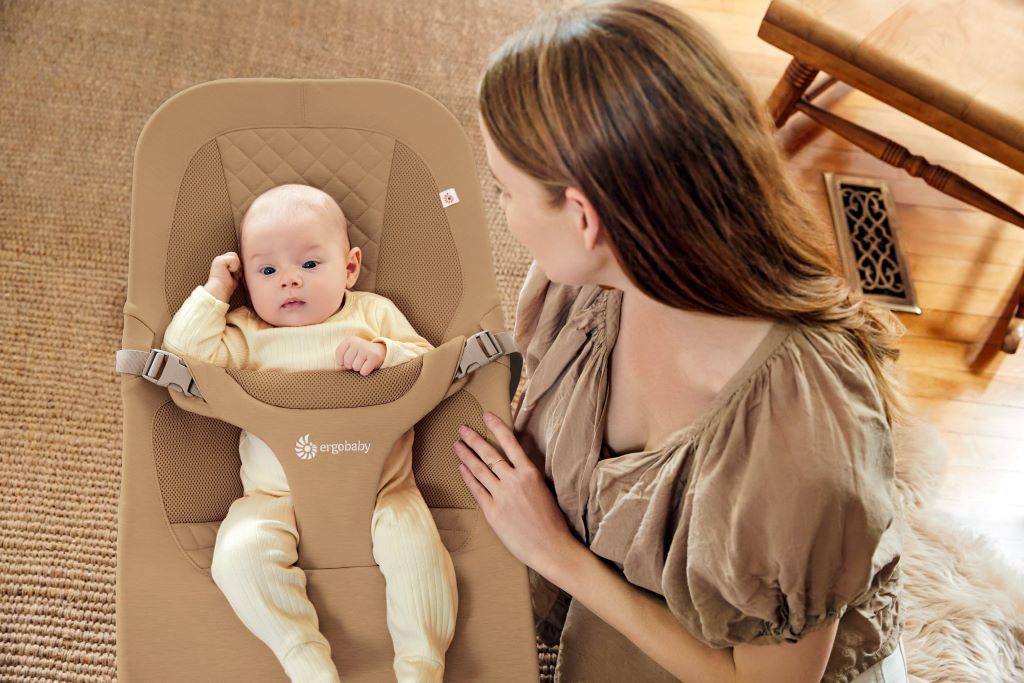
Baby bouncers provide entertainment and soothing motion for infants, but knowing when to stop using them is crucial for your child’s safety and development. These popular baby products have specific weight limits and age restrictions that parents must follow carefully. Understanding these guidelines helps ensure your baby enjoys bouncing safely while avoiding potential developmental delays or injuries. Pro Baby Guide offers comprehensive information about baby product safety and appropriate usage guidelines for concerned parents.
Most baby bouncers accommodate infants from birth until they reach 25-30 pounds or attempt to climb out independently. However, the specific timing varies based on individual development and manufacturer specifications. Additionally, pediatricians recommend limiting bouncer use regardless of weight to prevent developmental issues.
Parents frequently wonder when can kids start to use bouncers and what signs indicate it’s time to transition away from these devices. Therefore, understanding both the starting point and stopping criteria ensures appropriate bouncer usage throughout your baby’s development.
Understanding Baby Bouncer Weight Limits
Manufacturer Specifications and Safety Standards
Most baby bouncer manufacturers set weight limits between 20 and 30 pounds. These limits exist for important safety reasons related to the bouncer’s structural integrity and stability. Exceeding weight limits can cause mechanical failures, tipping hazards, or frame breakage that could seriously injure your child.
The weight limit represents the maximum safe capacity, not necessarily the ideal usage range. Many safety experts recommend stopping bouncer use before reaching the maximum weight limit. Additionally, weight limits assume proper installation and regular maintenance of the bouncer device.
Different bouncer styles have varying weight capacities. Stationary bouncers typically support more weight than doorway bouncers due to their wider base and sturdier construction. However, all bouncers require careful attention to manufacturer guidelines regardless of their design type.
Age Versus Weight Considerations
Age and weight don’t always align perfectly when determining bouncer safety. Some babies reach weight limits earlier than expected, while others may be lightweight but developmentally ready to stop using bouncers. Therefore, parents must consider multiple factors when making decisions about bouncer usage.
Developmental milestones often provide better guidance than weight alone. Babies who can sit unassisted, pull themselves up, or attempt to climb out of bouncers should transition to other activities. Additionally, babies showing signs of leg strength development may benefit from floor time rather than continued bouncer use.
Pediatricians generally recommend limiting total bouncer time regardless of age or weight. Extended periods in bouncers can delay natural movement development and muscle strengthening. However, short supervised sessions can provide safe entertainment and brief parental relief.
Recognizing Signs It’s Time to Stop Using Bouncers
Physical Development Indicators
Several physical development signs indicate it’s time to retire the baby bouncer. When babies can sit up independently without support, they’re demonstrating core strength that bouncers may actually inhibit if usage continues. Additionally, babies attempting to stand or pull up show readiness for more advanced movement activities.
Rolling over consistently and purposefully suggests your baby is developing spatial awareness and motor control. These skills develop better through floor play than bouncer confinement. Therefore, increased mobility signals the need for unrestricted movement opportunities.
Leg pushing and attempts to propel forward in the bouncer indicate growing strength and coordination. While this might seem like appropriate bouncer use, it actually suggests your baby is ready for crawling preparation activities. However, always ensure adequate floor space for safe exploration before discontinuing bouncer use.
Behavioral Changes and Safety Concerns
Babies who consistently try to climb out or escape from bouncers are clearly communicating their readiness to move on. This behavior presents serious safety risks and should prompt immediate bouncer retirement. Additionally, signs of frustration or resistance when placed in the bouncer suggest developmental readiness for new activities.
Increased fussiness during bouncer time may indicate boredom with the limited movement options. Babies naturally seek variety and challenge in their activities. Therefore, persistent unhappiness in previously enjoyed bouncers signals time for transition to more engaging alternatives.
Safety concerns arise when babies begin rocking the bouncer vigorously or attempting acrobatic movements. These behaviors exceed the device’s intended use and create tipping hazards. However, such behavior typically indicates healthy development and readiness for more active play options.
Health and Development Considerations
Potential Risks of Extended Bouncer Use
Extended bouncer use can negatively impact natural development patterns. Babies need varied positioning and movement opportunities to develop properly. Prolonged bouncer confinement may delay crawling, walking, and other important motor milestones. Additionally, excessive bouncer time can contribute to flat head syndrome in younger infants.
The American Academy of Pediatrics recommends limiting bouncer use to prevent developmental delays. Babies learn through exploration and varied sensory experiences that bouncers cannot provide. Therefore, balance is key when incorporating bouncers into daily routines without overdependence.
Research suggests that babies who spend excessive time in positioning devices may experience delays in achieving motor milestones. Natural floor time encourages muscle development and spatial awareness that contained devices cannot replicate. However, moderate bouncer use poses minimal risks when combined with plenty of free movement time.
Benefits of Timely Transitioning
Stopping bouncer use at appropriate times supports natural development progression. Babies gain confidence and strength through floor exploration and independent movement attempts. Additionally, varied positioning throughout the day promotes balanced muscle development and coordination skills.
Early transition to floor activities encourages problem-solving skills and spatial reasoning development. Babies learn cause and effect relationships through independent exploration that bouncers limit. Therefore, timely bouncer retirement supports cognitive as well as physical development.
According to research published by the Mayo Clinic, babies benefit most from varied positioning and movement opportunities rather than prolonged use of any single positioning device.

Alternative Activities After Bouncer Retirement
Floor Play and Tummy Time Options
Supervised floor play provides the best alternative to bouncer entertainment. Colorful toys, textured mats, and age-appropriate objects encourage reaching, grasping, and rolling movements. Additionally, floor play allows babies to develop at their own pace without equipment constraints.
Tummy time becomes increasingly important as babies grow stronger and more mobile. This positioning strengthens neck, back, and shoulder muscles essential for crawling and eventual walking. However, always supervise tummy time sessions and watch for signs of fatigue or frustration.
Interactive play mats with hanging toys provide entertainment while encouraging natural movement development. These mats allow babies to practice reaching and grasping skills that translate to other developmental areas. Therefore, play mats offer bouncer-like engagement with greater developmental benefits.
High Chair and Feeding Chair Alternatives
Once babies can sit independently, high chairs provide safe elevated positioning for meals and supervised play. Modern high chairs offer entertainment features while supporting proper posture development. Additionally, meal time socialization becomes possible when babies can sit at family table height.
Feeding chairs designed for floor use provide intermediate positioning between bouncers and high chairs. These chairs support babies who can sit with minimal assistance while allowing easy parent interaction. However, ensure proper supervision and use according to manufacturer guidelines.
Activity tables and stationary entertainers offer alternatives for babies who enjoy upright positioning. These devices provide toy interaction opportunities while supporting developing leg strength. Therefore, they serve as appropriate transitional activities between bouncers and independent play.
Safety Guidelines for Final Bouncer Use
Proper Inspection and Maintenance
Before each use, inspect bouncers for wear, damage, or loose components. Check fabric for tears, frame joints for stability, and toy attachments for security. Additionally, ensure all safety straps and harnesses function properly and fit snugly.
Regular cleaning maintains bouncer safety and hygiene. Follow manufacturer instructions for fabric care and frame cleaning. Avoid harsh chemicals that could damage materials or leave residues harmful to babies. However, thorough cleaning prevents bacterial growth and maintains equipment integrity.
Storage considerations become important as bouncer use winds down. Proper storage prevents damage that could affect safety during occasional future use. Additionally, clean storage prevents pest infiltration and material degradation over time.
Supervision and Time Limits
Never leave babies unattended in bouncers, regardless of age or weight. Constant supervision allows immediate response to climbing attempts or equipment malfunctions. Additionally, supervised use ensures appropriate time limits and recognition of development changes.
Establish consistent time limits for bouncer sessions. Experts recommend limiting consecutive bouncer time to 15-30 minutes maximum. Therefore, structured usage prevents over-reliance while providing appropriate entertainment and brief parental relief.
Monitor baby’s comfort and engagement during bouncer use. Signs of discomfort, boredom, or frustration indicate need for position changes or activity transitions. However, happy engagement suggests appropriate usage within established time limits.
Transitioning Strategies and Tips
Gradual Reduction Approach
Implement gradual bouncer reduction rather than abrupt elimination. This approach allows babies to adjust slowly while parents identify successful alternative activities. Additionally, gradual transitions prevent potential resistance or disruption to established routines.
Replace bouncer time with equally engaging alternatives like interactive floor play or supervised exploration. Maintain similar timing and duration to preserve routine structure while changing the activity type. Therefore, babies experience continuity despite equipment changes.
Involve older siblings or family members in transition activities when possible. Social interaction often provides more engaging alternatives to solitary bouncer time. However, ensure proper supervision regardless of who participates in alternative activities.
Creating New Routines
Establish new daily routines that incorporate age-appropriate alternatives to bouncer use. Schedule specific times for floor play, tummy time, and interactive activities. Additionally, consistent routines help babies adapt to changes while maintaining familiar structure.
Use transitional objects like favorite toys or comfort items during routine changes. Familiar objects provide security during new experiences and reduce potential anxiety. Therefore, strategic use of comfort items supports successful transitions to post-bouncer activities.
Document your baby’s progress and preferences during the transition period. Note which alternatives provide similar entertainment value and calming effects as bouncers previously did. However, remain flexible and adjust strategies based on your baby’s individual responses.
According to WebMD, establishing consistent routines helps babies feel secure during transitions while supporting healthy development patterns.
Signs of Successful Transition
Positive Development Indicators
Successful bouncer transitions result in continued or accelerated development progress. Babies should demonstrate improved mobility, strength, and coordination through floor play and alternative activities. Additionally, social interaction skills often improve when babies have varied positioning throughout the day.
Increased independence during play time indicates successful adaptation to post-bouncer activities. Babies learn to entertain themselves and explore environments more thoroughly without equipment constraints. Therefore, growing independence suggests appropriate timing for bouncer retirement.
Better sleep patterns sometimes result from increased physical activity through floor play alternatives. More varied movement throughout the day can contribute to improved rest quality. However, maintain consistent sleep routines regardless of daily activity changes.
Avoiding Common Pitfalls
Resist the temptation to reintroduce bouncers during challenging periods unless absolutely necessary for safety. Consistency in transitions helps babies adapt more quickly and completely. Additionally, temporary setbacks are normal parts of developmental progressions.
Don’t compare your baby’s transition timeline with others, as individual development varies significantly. Some babies adapt quickly while others require more time and patience. Therefore, focus on your baby’s unique needs and progress rather than external comparisons.
Avoid replacing bouncers with equally restrictive alternatives that limit movement development. The goal is increasing movement variety and independence rather than simply changing equipment types. However, appropriate alternatives should still provide safety and entertainment value.
Conclusion
Understanding baby bouncer weight limits and recognizing appropriate stopping times ensures your child’s safety and supports healthy development. Most bouncers accommodate babies up to 25-30 pounds, but developmental readiness often determines optimal retirement timing more accurately than weight alone. Additionally, signs like independent sitting, climbing attempts, and increased mobility indicate readiness for bouncer graduation.
Successful bouncer transitions require planning, patience, and appropriate alternatives that support continued development. Floor play, tummy time, and interactive activities provide better long-term benefits while maintaining entertainment value. Therefore, timely bouncer retirement supports natural development progression while maintaining daily routine structure.
Key considerations include regular safety inspections, consistent supervision, gradual transition strategies, and recognition of individual development patterns. The goal is supporting your baby’s growing independence and mobility while ensuring continued safety and engagement in age-appropriate activities.
Frequently Asked Questions
What is the typical weight limit for most baby bouncers? Most baby bouncers have weight limits between 20-30 pounds, though specific limits vary by manufacturer and model. Additionally, many safety experts recommend stopping use before reaching maximum weight limits based on developmental readiness signs.
Can I continue using a bouncer if my baby hasn’t reached the weight limit? Weight limits represent maximum safe capacity, but developmental milestones provide better guidance for appropriate usage timing. Therefore, babies showing signs of independent sitting or climbing attempts should transition away from bouncers regardless of weight.
How long should babies spend in bouncers each day? Experts recommend limiting bouncer time to 15-30 minutes per session with multiple breaks throughout the day. Additionally, total daily bouncer time should not exceed 1-2 hours to prevent developmental delays and encourage varied positioning.
What are the best alternatives to baby bouncers? Supervised floor play, tummy time, interactive play mats, and age-appropriate high chairs provide excellent bouncer alternatives. Therefore, choose alternatives that encourage natural movement while providing appropriate entertainment and safety features.
How do I know if my baby is ready to stop using a bouncer? Signs include independent sitting, climbing attempts, increased mobility, resistance to bouncer placement, and reaching developmental weight limits. Additionally, babies showing frustration or boredom with bouncer activities often benefit from transition to more challenging alternatives.
Read More: