
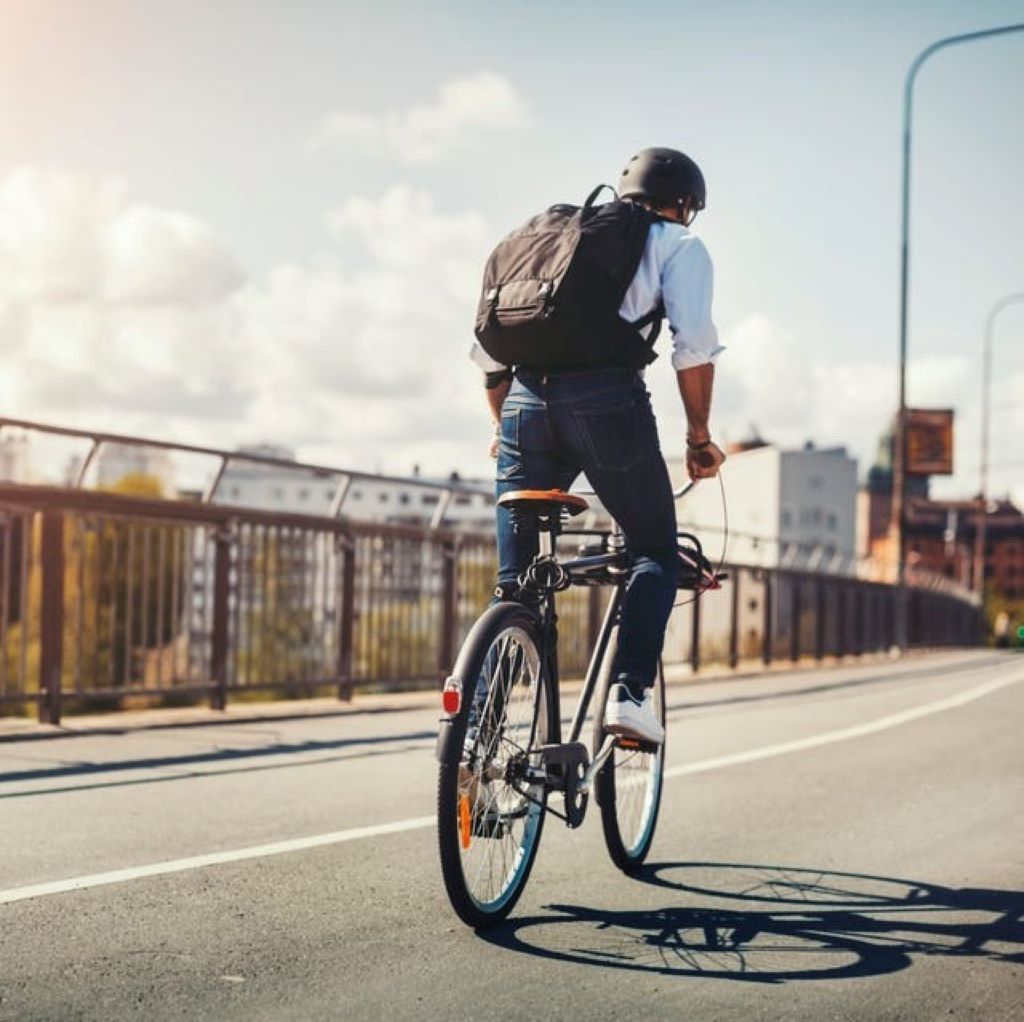
Why Bike Commuting Is Gaining Popularity
Stuck in traffic, watching the minutes tick by, and feeling your stress levels rise? You’re not alone. Millions of commuters face the same frustration every day. But what if there was a healthier, cheaper, and more enjoyable way to get to work?
Enter bike commuting—an increasingly popular alternative to driving that offers a wealth of benefits, from improved fitness to cost savings and a reduced carbon footprint. Whether you’re looking to boost your health, save money, or simply enjoy your daily commute more, cycling to work could be the perfect solution.
In this article, we’ll explore the top benefits of biking to work, practical tips for getting started, and how to make your ride safer and more enjoyable.
1. Health Benefits of Bike Commuting
a. Improved Cardiovascular Fitness
Cycling is an excellent aerobic exercise that strengthens your heart, lungs, and muscles. Regular bike commuting can:
- Lower blood pressure
- Reduce the risk of heart disease
- Improve circulation and stamina
b. Weight Management and Muscle Tone
Unlike sitting in a car, biking engages your legs, core, and even upper body (when steering and balancing). Over time, this can lead to:
- Increased calorie burn (300–600 calories per hour, depending on intensity)
- Toned muscles, especially in the legs and glutes
c. Mental Health Boost
Exercise releases endorphins, which help reduce stress, anxiety, and depression. A bike ride in the morning can:
- Clear your mind before work
- Improve focus and productivity
- Reduce fatigue compared to sedentary commutes
d. Lower Risk of Chronic Diseases
Studies show that regular cycling can decrease the likelihood of:
- Type 2 diabetes
- Obesity
- Certain cancers
2. Financial Savings: How Bike Commuting Saves You Money
a. No Fuel or Parking Costs
With gas prices fluctuating, biking eliminates fuel expenses entirely. You also avoid:
- Parking fees
- Toll roads
- Car maintenance costs (oil changes, brake repairs, etc.)
b. Reduced Public Transportation Expenses
Even if you occasionally take the bus or train, biking part of the way can cut costs significantly.
c. Long-Term Savings on Healthcare
By improving your health, you may reduce medical bills related to sedentary lifestyle diseases.
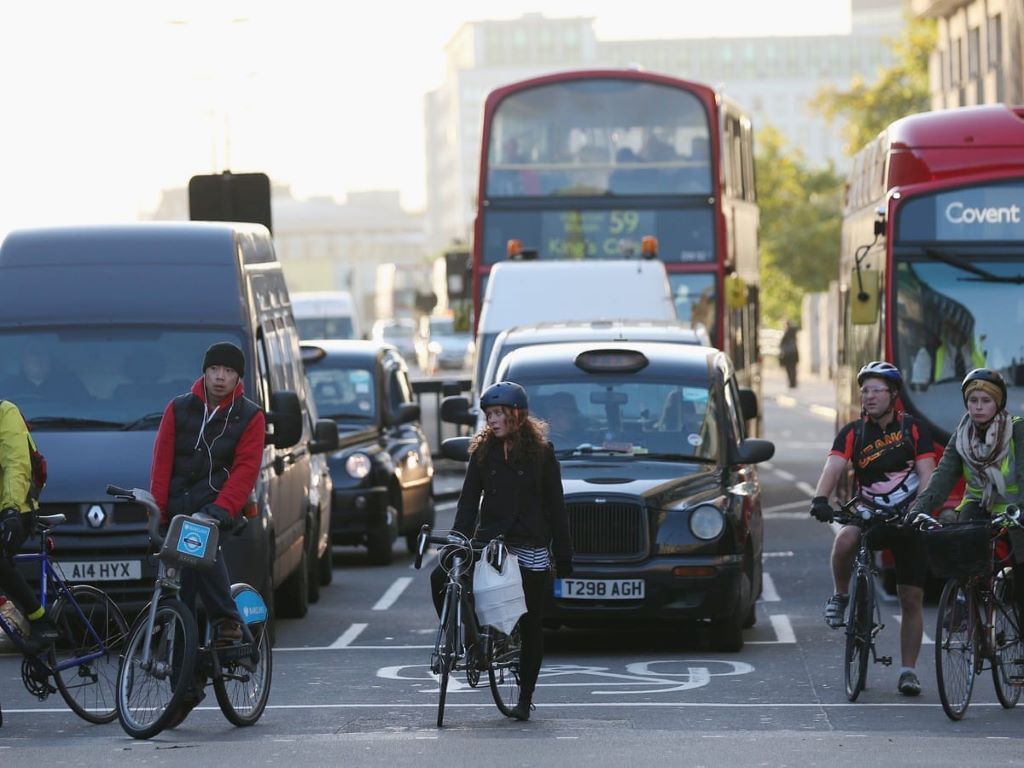
3. Environmental Benefits: Reducing Your Carbon Footprint
a. Zero Emissions
Unlike cars, bikes produce no greenhouse gases. If more people biked, cities would see:
- Cleaner air
- Lower traffic congestion
- Reduced noise pollution
b. Sustainable Transportation
Bikes require fewer resources to manufacture and maintain compared to cars, making them an eco-friendly commuting choice.
4. Time Efficiency: Beating Traffic
a. Faster in Urban Areas
In congested cities, bikes often move faster than cars during rush hour. Many cities now have:
- Dedicated bike lanes
- Bike-sharing programs
- Traffic light prioritization for cyclists
b. No More Searching for Parking
Bikes can be parked almost anywhere, saving time and frustration.
5. Practical Tips for Bike Commuting
a. Choosing the Right Bike
- Hybrid bikes – Great for city commuting
- Electric bikes (e-bikes) – Help with hills and long distances
- Folding bikes – Ideal for mixed commutes (bike + train)
b. Essential Gear for Safety & Comfort
- Helmet
- Lights and reflectors
- Puncture-resistant tires
- Waterproof backpack or panniers
c. Route Planning
Use apps like Google Maps (Bike Mode) or Strava to find the safest, most efficient routes.
d. Building Stamina
Start with shorter rides and gradually increase distance. Even biking 2-3 days a week makes a difference.
6. Overcoming Common Bike Commuting Challenges
a. Bad Weather Solutions
- Invest in waterproof gear (jacket, pants, shoe covers)
- Use fenders to avoid splashes
b. Sweat Management
- Ride at a moderate pace
- Keep a change of clothes at work
- Use baby wipes for a quick refresh
c. Safety Concerns
- Follow traffic rules
- Wear high-visibility clothing
- Use a bell or horn to alert pedestrians
Conclusion: Ready to Start Bike Commuting?
Biking to work isn’t just a trend—it’s a lifestyle upgrade that benefits your health, wallet, and the planet. Whether you’re looking to get fit, save money, or reduce stress, swapping your car for a bike could be one of the best decisions you make.
Related Topics:
Diagnosing And Treating Foot And Ankle Problems In Gloucester
Looking Good, Feeling Great In Gloucester