Thermal bridging represents one of the most overlooked causes of roof water problems in modern construction. When heat transfers through building materials, it creates temperature differences that directly impact water behavior on your roof surface. Professional roofing contractors like Roof Master Construction frequently encounter these issues during inspections and repairs.
Understanding thermal bridging becomes crucial when homeowners notice persistent moisture problems. The phenomenon occurs when conductive materials create pathways for heat transfer between interior and exterior environments. However, many property owners remain unaware of how this process affects their roofing system’s ability to manage water effectively.
These thermal pathways often explain why my roof is holding a water inside certain areas while other sections drain properly. Additionally, thermal bridging contributes to ice dam formation, condensation issues, and structural moisture damage that can cost thousands in repairs.
What Is Thermal Bridging in Roofing Systems
Thermal bridging occurs when materials with high thermal conductivity create direct pathways for heat transfer through building assemblies. In roofing systems, common thermal bridges include metal fasteners, structural supports, and continuous materials that span from interior to exterior spaces.
These bridges bypass insulation layers and create localized temperature variations across the roof surface. Metal components like steel beams, aluminum flashing, and fastening systems conduct heat rapidly compared to surrounding insulation materials. Therefore, these areas experience different thermal conditions than properly insulated sections.
The temperature differences create varying rates of snow melt, ice formation, and water evaporation across the roof surface. Consequently, water tends to collect in areas where thermal bridging creates cooler surface temperatures or disrupts natural drainage patterns.
How Thermal Bridges Create Water Collection Points
Thermal bridging disrupts uniform temperature distribution across roofing surfaces, creating distinct microclimates that affect water behavior. Areas with significant thermal bridging often remain cooler than surrounding sections, particularly during temperature fluctuations.
When snow accumulates on roofs with thermal bridging, melting occurs unevenly. Warmer areas melt snow quickly, while thermal bridge locations maintain frozen conditions longer. This uneven melting creates water flow patterns that concentrate runoff toward cooler areas where refreezing can occur.
Furthermore, thermal bridges can create localized condensation points where warm, moist air contacts cooler surfaces. These condensation zones often develop into persistent moisture problems that compromise roofing materials and create ideal conditions for standing water accumulation.
The resulting water collection points stress roofing membranes and can overwhelm drainage systems designed for uniform water distribution. Moreover, repeated freeze-thaw cycles in these areas accelerate material degradation and increase leak potential.
Ice Dam Formation Through Thermal Bridging
Ice dams represent one of the most serious consequences of thermal bridging in roofing systems. These formations occur when heat loss through thermal bridges creates uneven snow melting patterns along roof edges and gutters.
Thermal bridges near roof perimeters allow interior heat to warm specific areas while leaving others cold. Snow melts over warmer sections and flows toward cooler areas near roof edges where it refreezes. This process gradually builds ice barriers that prevent proper drainage.
The ice dams trap subsequent meltwater behind them, creating standing water conditions that can persist for weeks during winter months. Additionally, the trapped water often finds entry points through roofing materials not designed for prolonged water exposure.
According to the Insurance Information Institute, ice dams cause millions of dollars in property damage annually. However, addressing thermal bridging issues can significantly reduce ice dam formation and associated water problems.
Condensation Problems From Temperature Variations
Thermal bridging creates temperature gradients that promote condensation formation within roofing assemblies. When warm, humid air encounters surfaces cooled by thermal bridges, moisture condenses and accumulates in unexpected locations.
These condensation points often develop in areas where traditional waterproofing measures provide inadequate protection. Insulation materials can become saturated with condensed moisture, reducing their effectiveness and creating conditions for mold growth.
Moreover, condensation from thermal bridging can occur year-round, unlike ice dams that primarily affect winter months. Summer conditions can actually worsen condensation problems when air conditioning systems create greater temperature differences between interior and exterior environments.
The persistent moisture from condensation gradually compromises roofing materials and can lead to structural damage if left unaddressed. Therefore, identifying and mitigating thermal bridging becomes essential for long-term roof performance.
Identifying Thermal Bridge Locations
Professional thermal imaging surveys represent the most effective method for identifying thermal bridges in roofing systems. These surveys reveal temperature variations across roof surfaces that indicate problematic heat transfer pathways.
Common thermal bridge locations include structural connections, penetrations for mechanical systems, and areas where insulation continuity is compromised. Metal roof decking, exposed fasteners, and improperly installed insulation create obvious thermal pathways visible in thermal imaging.
Additionally, visual inspection during winter months can reveal thermal bridging through snow melt patterns. Areas that consistently melt snow faster than surrounding sections likely have significant thermal bridges requiring attention.
Water staining patterns on interior ceilings and walls often correspond to thermal bridge locations where condensation or ice dam problems develop. However, thermal imaging provides the most comprehensive assessment of thermal performance issues.
Solutions for Thermal Bridge Water Issues
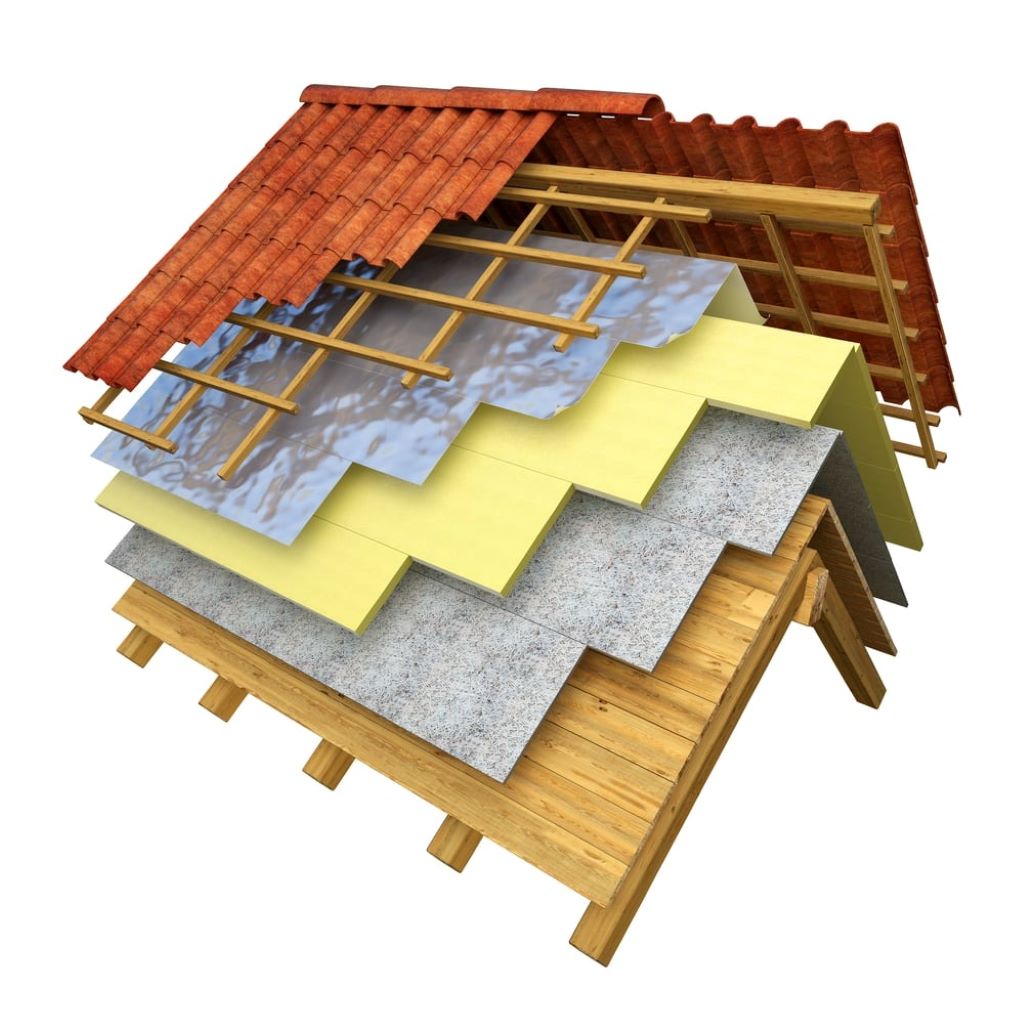
Addressing thermal bridging requires comprehensive strategies that interrupt heat transfer pathways while maintaining structural integrity. Thermal breaks, specialized materials designed to interrupt conductive heat transfer, provide effective solutions for many applications.
Installing continuous insulation systems helps minimize thermal bridging by creating uninterrupted insulation barriers. These systems reduce temperature variations across roof surfaces and promote more uniform water drainage patterns.
Furthermore, proper vapor barrier installation prevents moisture migration that can worsen thermal bridging effects. Sealed vapor barriers reduce condensation potential and protect insulation materials from moisture damage.
Professional installation becomes critical for thermal bridging solutions because improper techniques can actually worsen heat transfer problems. Therefore, working with experienced contractors ensures optimal results and long-term performance.
Prevention Strategies for New Construction
New construction projects offer the best opportunities for preventing thermal bridging water issues through proper design and material selection. Architects and engineers can specify thermal bridge-free details that eliminate problematic heat transfer pathways.
Continuous insulation systems, thermal break materials, and advanced framing techniques significantly reduce thermal bridging potential in new roofing assemblies. These approaches cost less than retrofitting existing buildings and provide superior long-term performance.
Additionally, proper construction sequencing ensures insulation continuity and prevents thermal bridging through construction details. Quality control during construction phases helps identify and correct thermal bridge issues before they become water problems.
Building codes increasingly recognize thermal bridging concerns and require improved thermal performance standards. However, exceeding minimum code requirements often provides better protection against water issues related to thermal bridging.
Professional Assessment and Repair
Professional roofing contractors possess the expertise and equipment necessary for accurate thermal bridging assessment. Thermal imaging surveys, moisture meters, and structural analysis help identify problematic areas requiring attention.
Repair strategies vary depending on thermal bridge severity and building construction methods. Some issues require extensive retrofitting, while others respond to targeted improvements in specific locations.
According to This Old House, professional assessment prevents costly mistakes and ensures appropriate solutions for specific thermal bridging problems. However, DIY approaches often fail to address underlying causes and may worsen existing issues.
Professional contractors also provide warranties and ongoing maintenance support that protect long-term investments in thermal bridging solutions. Therefore, professional involvement typically provides better value than attempting complex repairs independently.
Conclusion
Thermal bridging creates significant water management challenges in roofing systems through uneven temperature distribution and resulting moisture problems. Understanding how thermal bridges affect water behavior helps property owners recognize and address these issues before they cause extensive damage.
Professional assessment and targeted solutions can effectively eliminate thermal bridging water problems while improving overall building performance. However, prevention through proper design and construction provides the most cost-effective approach to thermal bridging management.
Addressing thermal bridging issues protects property investments and prevents costly water damage repairs. Therefore, property owners should prioritize thermal bridging assessment and remediation as part of comprehensive roof maintenance programs.
Frequently Asked Questions
How do I know if thermal bridging is causing my roof water problems?
Thermal imaging surveys reveal temperature variations that indicate thermal bridging. Additionally, uneven snow melt patterns, ice dam formation, and persistent condensation issues often signal thermal bridging problems affecting water management.
Can thermal bridging cause leaks in summer months?
Yes, thermal bridging creates condensation problems year-round that can lead to moisture intrusion. Air conditioning systems can actually worsen thermal bridging effects by creating greater temperature differences between interior and exterior environments.
What materials help prevent thermal bridging in roofing?
Thermal break materials, continuous insulation systems, and low-conductivity fasteners help interrupt heat transfer pathways. Proper vapor barriers and sealed insulation assemblies also reduce thermal bridging effects on roof water management.
How much does thermal bridging repair cost?
Repair costs vary significantly depending on thermal bridge severity and building construction. Simple solutions like thermal break installation may cost hundreds of dollars, while comprehensive retrofitting can require thousands of dollars in materials and labor.
Can I fix thermal bridging issues myself?
Most thermal bridging repairs require professional expertise and specialized materials. DIY approaches often fail to address underlying causes and may create additional problems. Professional assessment ensures appropriate solutions and proper installation techniques.
Read More: