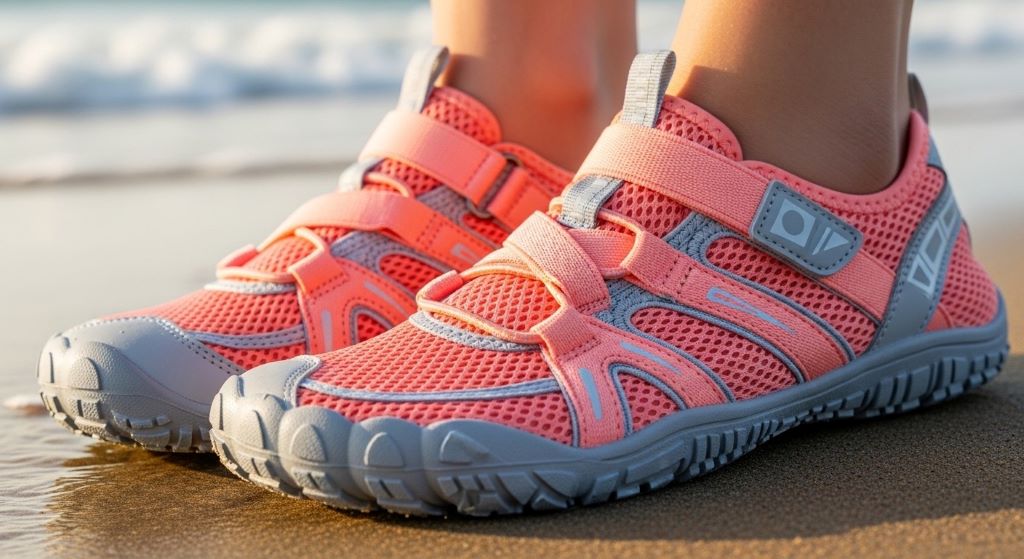
Walking barefoot on the beach sounds romantic until you step on a sharp shell, hot sand, or hidden rocks. Beach water shoes have become essential gear for women who want to enjoy coastal activities without worrying about foot injuries or discomfort. These specialized shoes protect your feet while providing the flexibility and drainage needed for water environments.
Choosing the right pair involves more than picking a cute design. You need to consider materials, fit, sole construction, and intended activities. Whether you’re planning to walk along rocky shores, participate in water sports, or simply want protection while wading in the waves, the right footwear makes all the difference.
This comprehensive guide will help you navigate the options available and select beach water shoes that combine safety, comfort, and functionality. You’ll learn what features matter most and how to avoid common mistakes that lead to blisters, slips, or shoes that fall apart after one trip.
Understanding Why Beach Water Shoes Matter
Many women underestimate the importance of proper beach footwear until they experience an injury or extreme discomfort. Regular sandals or flip-flops simply don’t provide adequate protection for many beach activities. They slip off in waves, offer no traction on wet surfaces, and leave your feet vulnerable to cuts and punctures.
Beach environments present unique hazards. Sharp shells, broken glass, sea urchins, hot sand, and slippery rocks all pose risks to bare feet. Additionally, some beaches have rough terrain that can cause abrasions or bruises. Water shoes create a protective barrier while allowing you to move naturally.
Furthermore, going barefoot in public beach areas exposes you to bacteria and fungi that thrive in warm, moist environments. Athlete’s foot and other infections spread easily in these conditions. Quality water shoes provide a hygienic barrier without sacrificing the freedom of movement you want at the beach.
The right shoes also enhance your beach experience by expanding what activities you can comfortably enjoy. You can explore tide pools, walk on pebble beaches, participate in beach volleyball, or try paddleboarding without constantly worrying about your feet.
Key Features of Quality Women’s Beach Footwear
Understanding what makes effective beach water shoes helps you evaluate options and make smart purchasing decisions. Several critical features separate quality shoes from poor performers.
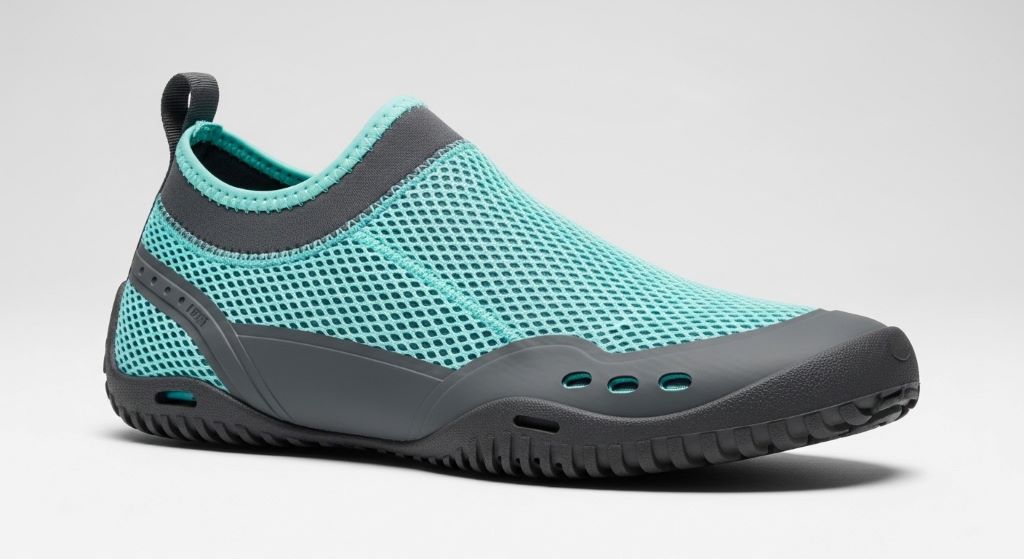
Drainage systems are essential for water shoes. Look for designs with multiple drainage ports in the sole and sides. These holes allow water to exit quickly, preventing the shoes from becoming waterlogged and heavy. Good drainage also reduces the risk of blisters by minimizing moisture accumulation inside the shoe.
Quick-drying materials make a significant difference in comfort. Shoes that stay wet for hours become uncomfortable and can cause skin irritation. Mesh uppers, perforated neoprene, and synthetic fabrics dry much faster than traditional materials. This feature is particularly important if you’ll be moving between water and dry land throughout the day.
Secure closure systems keep shoes on your feet in waves and currents. Simple slip-on designs might seem convenient, but they often come off in water. Look for adjustable straps, elastic laces, or toggle closures that you can tighten for a snug fit. The closure should be easy to adjust even when wet.
Protective toe caps shield your toes from impact with rocks, shells, or other hard objects. A reinforced toe area doesn’t add much weight but provides valuable protection. This feature becomes especially important on rocky beaches or when participating in active water sports.
Sole flexibility affects how naturally you can move. Overly rigid soles feel clunky and interfere with balance, while too-flexible soles don’t provide adequate protection. The ideal sole bends with your foot while still offering structure and protection from sharp objects underneath.
Choosing the Right Sole for Your Activities
The sole is arguably the most important component of beach water shoes. Different sole designs serve different purposes, and understanding these differences helps you select appropriately.
Tread patterns determine traction on various surfaces. Deep, multi-directional treads grip wet rocks and slippery boat decks effectively. Smoother patterns work fine for sandy beaches but become dangerous on wet, smooth surfaces. Consider where you’ll use the shoes most often when evaluating tread design.
Sole thickness balances protection with ground feel. Thicker soles protect better against sharp objects but reduce your ability to feel the surface beneath you. This can affect balance on uneven terrain. Thinner soles provide better sensory feedback but offer less protection. Most women find a medium thickness works best for general beach use.
Material composition affects both durability and performance. Rubber soles provide excellent traction and durability but can feel heavy. EVA foam soles are lightweight and comfortable but may wear out faster. TPR (thermoplastic rubber) offers a good balance of lightness, traction, and durability. Many quality lightweight surf shoes use a combination of materials to optimize performance.
Edge design prevents the sole from catching on rocks or debris. Smooth, rounded edges glide over obstacles better than sharp, squared edges. This subtle design element makes a noticeable difference when walking on rocky or uneven surfaces.
Puncture resistance varies significantly among different shoes. Some manufacturers add protective plates between the insole and outsole to prevent sharp objects from penetrating through. If you plan to walk on beaches known for sharp shells or rocky areas, this extra protection is worth seeking out.
Material Selection for Comfort and Durability
The materials used in beach water shoes directly impact comfort, durability, and performance. Different materials excel in different areas, and many quality shoes combine multiple materials strategically.
Neoprene provides excellent insulation and flexibility. It conforms to your foot shape, offering a snug, comfortable fit. Neoprene also dries relatively quickly and protects against minor scrapes. However, thicker neoprene can feel warm in hot weather. Look for perforated or thin neoprene if you’re concerned about heat.
Mesh fabrics offer superior breathability and fast drying. They’re lightweight and comfortable in warm weather. The downside is less protection against abrasions compared to neoprene. Mesh works well for the upper portions of shoes where protection is less critical.
Synthetic materials like polyester and nylon resist water absorption and dry quickly. They’re durable and typically more affordable than neoprene. Quality synthetic uppers can perform just as well as more expensive materials for many beach activities.
Stretchy fabrics that incorporate spandex or elastane conform to your foot shape for a sock-like fit. This snug fit prevents sand and small pebbles from entering the shoe. However, ensure the stretch material has adequate strength to maintain its shape over time.
Rubber and silicone components add grip and durability in high-wear areas. Heel counters, toe caps, and sole edges often incorporate these materials for added protection and longevity. These reinforcements don’t significantly increase weight but substantially improve durability.
Getting the Right Fit
Proper fit is crucial for both comfort and safety. Shoes that are too loose will slip off, while shoes that are too tight cause blisters and restrict circulation. Finding the sweet spot requires attention to several factors.
Size considerations for water shoes differ from regular footwear. Many water shoes fit snugly, almost like a sock. This tight fit is intentional and prevents the shoe from slipping off in water. However, you shouldn’t experience pinching or numbness. Your toes should be able to wiggle freely.
Try shoes on with wet feet if possible. Water shoes often fit differently when wet because materials like neoprene expand slightly. If you can’t test with wet feet, try them on after walking or standing for a while when your feet are slightly swollen. This simulates the conditions you’ll experience after hours at the beach.
Check the arch support. Many water shoes have minimal arch support, which works fine for short beach walks but becomes uncomfortable during extended wear. If you have high arches or plan to wear the shoes for several hours, look for models with built-in arch support or removable insoles you can replace with custom orthotics.
Consider width as well as length. Women’s feet vary significantly in width, and water shoes that are too narrow cause discomfort and restrict circulation. Some brands offer wide-width options. If standard widths feel tight across the ball of your foot, seek out these alternatives.
Account for thickness of socks if you plan to wear them. Some women prefer thin neoprene or synthetic socks inside their water shoes for added warmth or blister prevention. If you think you’ll use socks, try the shoes on with them.
Special Considerations for Different Beach Activities
Different beach and water activities place different demands on footwear. Understanding these specific requirements helps you choose shoes optimized for your favorite activities.
Walking on sandy beaches requires minimal specialized features. Almost any water shoe works adequately. However, lightweight designs with good drainage make the experience more pleasant. Sand inevitably gets inside your shoes, and quick-draining designs let it wash out easily.
Rocky or pebble beaches demand more protection. Look for thicker soles, protective toe caps, and secure closures. The constant impact from walking on uneven, hard surfaces requires cushioning and support. Ankle support becomes more important on very rocky terrain where twisting hazards exist.
Snorkeling and swimming benefit from extremely lightweight, low-profile designs that don’t create drag in the water. Shoes should fit very snugly to prevent them from coming off when swimming. Some snorkelers prefer shoes with thin soles for better fin compatibility.
Stand-up paddleboarding and kayaking require excellent grip on wet surfaces. Look for aggressive tread patterns and materials that maintain traction when wet. The shoes should also be comfortable for extended wear since you’ll have them on throughout your session.
Beach sports like volleyball or frisbee need shoes that provide lateral support and cushioning for jumping. Athletic-style water shoes with more structured soles work better than minimalist designs for these activities. The shoes should fit securely enough that they won’t come off during quick movements.
Tide pool exploration combines requirements from several categories. You need good traction, toe protection, secure fit, and reasonably thick soles. Additionally, shoes that drain well prevent you from carrying heavy, waterlogged footwear while walking between pools.
Color and Style Considerations
While function should drive your primary decision, color and style matter too. The right aesthetic choices can enhance both safety and enjoyment.
Light colors reflect heat and stay cooler in direct sunlight. Dark shoes absorb more heat and can become uncomfortably hot on sunny days. Additionally, light-colored shoes are easier to spot if they come off in the water. However, light colors may show stains and discoloration more readily.
High-visibility colors like bright pink, orange, or yellow make your feet visible in murky water. This visibility can prevent others from accidentally stepping on you in crowded beach areas. It also makes it easier to keep track of children wearing brightly colored water shoes.
Patterns can hide stains and wear better than solid colors. Beach shoes inevitably get dirty, and busy patterns camouflage this better than plain designs. However, ensure patterns don’t compromise visibility in water.
Style compatibility with your swimwear is a personal consideration. Some women prefer coordinating their beach footwear with their swimsuits and beach bags. While purely aesthetic, wearing gear you find attractive often encourages you to actually use it.
Consider how the closure system looks and functions. Some women find Velcro closures unattractive but highly functional. Others prefer the cleaner look of elastic laces or slip-on designs. Balance aesthetics with practicality based on your priorities.
Budget and Value Assessment
Beach water shoes range from very affordable to surprisingly expensive. Understanding what you get at different price points helps you make a value-based decision.
Budget options under twenty-five dollars can work adequately for occasional beach visits. They typically use simpler materials and construction but still provide basic protection and drainage. However, they may not last more than one or two seasons with regular use.
Mid-range shoes between twenty-five and sixty dollars offer better materials, construction, and durability. They often include features like enhanced drainage, better sole materials, and more comfortable fit systems. This price range provides the best value for women who visit the beach regularly.
Premium options above sixty dollars typically feature advanced materials, superior construction, and specialized designs for specific activities. They’re engineered for serious water sports enthusiasts or those who demand the absolute best performance and durability. The higher price reflects better research, testing, and quality control.
Consider cost per use rather than just the purchase price. Shoes that cost forty dollars but last three seasons are more economical than fifteen-dollar shoes you replace every year. Additionally, quality shoes that prevent injuries or enhance your beach experience provide value beyond their monetary cost.
Watch for end-of-season sales to get quality shoes at reduced prices. Beach footwear often goes on sale in late summer or early fall. Buying ahead for next season can save significant money without compromising quality.
Maintenance and Care
Proper care extends the life of your beach water shoes and maintains their performance. Developing good maintenance habits is simple and makes a significant difference.
Rinse thoroughly after each use, especially following saltwater exposure. Salt crystals can degrade materials and cause premature wear. A simple rinse with fresh water removes salt, sand, and other debris that can damage the shoes over time.
Air dry completely between uses. Never store wet water shoes in closed bags or dark spaces. This creates perfect conditions for mold and mildew growth. Set them in a well-ventilated area out of direct sunlight. Excessive heat and UV exposure can degrade materials.
Clean periodically with mild soap and water. Beach shoes accumulate oils, sunscreen, and grime that simple rinsing doesn’t remove. Gentle scrubbing with a soft brush and mild detergent keeps them fresh and extends their life.
Inspect regularly for wear and damage. Check drainage holes for blockages, examine soles for excessive wear, and look for loose stitching or separating seams. Catching small issues early often allows for simple repairs before complete failure.
Store properly in the off-season. Keep beach shoes in a cool, dry place away from direct heat sources and sunlight. Consider stuffing them with newspaper to help maintain their shape during storage.
Common Mistakes to Avoid
Learning from others’ mistakes saves you money and frustration. Several common errors plague first-time beach water shoe buyers.
Choosing style over function is perhaps the most frequent mistake. Cute shoes that don’t fit properly, lack adequate drainage, or provide poor traction end up unworn in your closet. Prioritize features that match your intended activities, then select the most appealing option within functional choices.
Buying shoes that are too large is counterintuitive but common. People assume water shoes should fit like regular shoes with extra room. However, properly fitted water shoes are snug. Oversized shoes fill with water, create drag when swimming, and easily slip off.
Ignoring the break-in period leads to unnecessary discomfort. Some materials, particularly neoprene, need a wearing-in period. Don’t judge shoes solely on the first five minutes of wear. Give them a chance to conform to your feet during a short test outing before a major beach trip.
Failing to test in water before traveling is risky. What feels great in the store might perform poorly in actual beach conditions. If possible, test new water shoes in a pool or on a short beach trip before relying on them for vacation activities.
Overlooking specialized needs causes problems. Women with wide feet, high arches, or circulation issues need to pay extra attention to fit and support. Don’t assume all water shoes will work for you. Seek out options designed for your specific needs.
Environmental Considerations
Increasingly, environmentally conscious consumers want beach gear that minimizes environmental impact. Several considerations can guide more sustainable choices.
Durability is the most environmentally friendly feature. Shoes that last multiple seasons reduce waste compared to disposable options you replace frequently. Investing in quality construction benefits both your wallet and the environment.
Recyclable materials are becoming more common in beach footwear. Some manufacturers use recycled plastics or offer take-back programs for worn-out shoes. Research brands committed to environmental responsibility if this aligns with your values.
Avoid shoes with excessive packaging. Some products come in elaborate boxes and wrapping that immediately becomes waste. Simple packaging doesn’t affect shoe performance but significantly reduces environmental impact.
Consider the manufacturing process if environmental impact concerns you. Some brands prioritize sustainable manufacturing practices, fair labor conditions, and reduced carbon footprints. Supporting these companies encourages more responsible production across the industry.
Conclusion
Selecting the right beach water shoes for women involves balancing comfort, safety, and functionality with personal preferences and budget constraints. Women’s beach footwear has evolved significantly, offering options for every activity level and foot type. From casual beach walks to serious water sports, appropriate shoes enhance your experience while protecting your feet from injury.
Focus on key features like drainage systems, secure closures, appropriate sole construction, and quick-drying materials. Consider your primary activities and choose shoes optimized for those uses. Lightweight surf shoes work wonderfully for active pursuits, while more substantial designs suit rocky terrain or extended wear.
Remember that proper fit is crucial. Take time to find shoes that fit snugly without pinching, and don’t be afraid to try multiple options before committing. The small investment of time in selecting quality beach water shoes pays dividends in comfort and safety throughout many beach seasons.
By following the guidance in this article, you’ll be well-equipped to choose beach water shoes that meet your specific needs. Whether you’re planning a tropical vacation, regular visits to your local beach, or exciting water sports adventures, the right footwear makes every moment more enjoyable and safe.
Frequently Asked Questions
Can I wear beach water shoes in swimming pools?
Yes, beach water shoes work perfectly well in swimming pools. They provide the same protection against rough pool surfaces and prevent slipping on wet decks. However, check your pool’s rules first, as some facilities have restrictions on footwear in the water. Additionally, rinse them thoroughly after pool use to remove chlorine, which can degrade materials over time.
How do I prevent sand from getting inside my water shoes?
Choose shoes with snug, sock-like fits that leave minimal gaps for sand entry. Designs with stretchy, form-fitting uppers work best. Despite this, some sand infiltration is inevitable. Look for shoes with excellent drainage that allows sand to wash out easily when you enter the water. After beach visits, rinse shoes thoroughly and shake out any remaining sand before it dries.
Are water shoes necessary for tropical beaches?
Water shoes are highly recommended for tropical beaches. Many tropical locations have coral, sea urchins, sharp shells, and other hazards that can cause painful injuries. Additionally, sand can become extremely hot in tropical sun. Water shoes protect against all these issues while allowing you to enjoy water activities comfortably. The small investment provides significant peace of mind.
How long should beach water shoes last?
Quality beach water shoes with proper care typically last two to five seasons of regular use. Durability depends on usage frequency, activity intensity, and maintenance. Shoes used weekly for active sports wear out faster than shoes used occasionally for beach walking. Regular rinsing, proper drying, and appropriate storage significantly extend lifespan. Replace shoes when you notice excessive sole wear, drainage port damage, or compromised protection.
Can I use regular athletic shoes instead of water shoes at the beach?
Regular athletic shoes aren’t ideal for beach use. They absorb and retain water, becoming heavy and uncomfortable. They take hours to dry and can develop mold or mildew. Additionally, saltwater and sand damage regular shoes quickly. While athletic shoes work in a pinch, dedicated water shoes perform much better, dry faster, and last longer in beach environments. The investment in proper beach footwear is worthwhile.
Related Topics:
Surf Slang Decoded: Talk Like a True Wave Rider
Simple Balance Exercises for Surfing at Home Without a Board