Every cyclist faces risks on the road or trail. A single fall can change everything. Helmets save lives and prevent serious injuries. According to the CDC, proper bike helmets reduce head injury risk by up to 85% and severe brain injury by 88%. These numbers come from real crashes and proven research.
Yet many riders still skip helmets or choose poorly fitting ones. This guide changes that. Welcome to your ultimate bike helmet buying guide. You will learn how to pick a helmet that protects you well and feels comfortable. We cover safety standards, types, fit, features, and more. By the end, you will choose with confidence.
Why Wearing a Bike Helmet Matters
Cycling brings joy and freedom. It also carries dangers. Head injuries cause most bicycle-related deaths. The NHTSA reports that helmets prevent thousands of injuries each year.
Moreover, helmets protect in unexpected ways. A low-speed tip-over can crack your skull without one. Studies show unhelmeted riders face far higher risks of long-term brain damage.
Additionally, laws in many places require helmets for kids. Adults benefit just as much. Wearing one sets a strong example. Safety starts with the right choice.
Understanding Bike Helmet Safety Standards
Not all helmets offer equal protection. Certifications prove they meet strict tests.
First, look for the CPSC sticker. This U.S. Consumer Product Safety Commission standard is mandatory in America. It tests impact absorption, strap strength, and stability.
Next, many helmets earn ASTM certification. This voluntary standard often exceeds CPSC requirements. European models carry EN 1078 marks.
Furthermore, Virginia Tech rates helmets independently. Their star system shows real-world performance. Higher stars mean better protection.
Finally, avoid helmets without certifications. Cheap knockoffs fail when you need them most.
Types of Bike Helmets: Find Your Match
Riders need different helmets for different styles. Choose one that fits your cycling type.
Road Bike Helmets
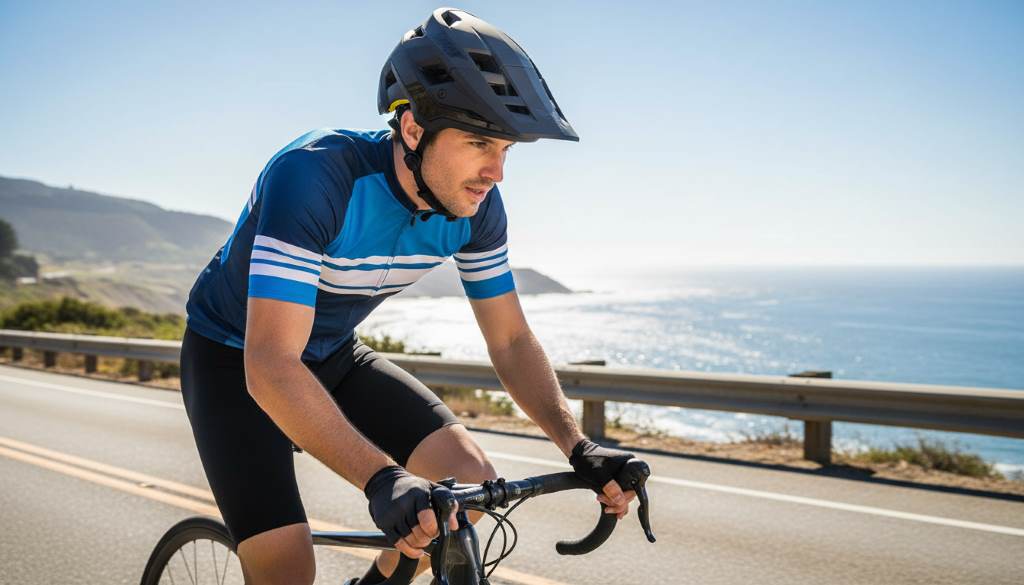
Road cyclists prioritize speed and airflow. These helmets stay lightweight and highly ventilated. Sleek shapes cut wind resistance.
They cover the top and back of the head well. Many include aero designs for racing. Ventilation keeps you cool on long rides.
However, they offer less coverage than mountain models.
Mountain Bike Helmets
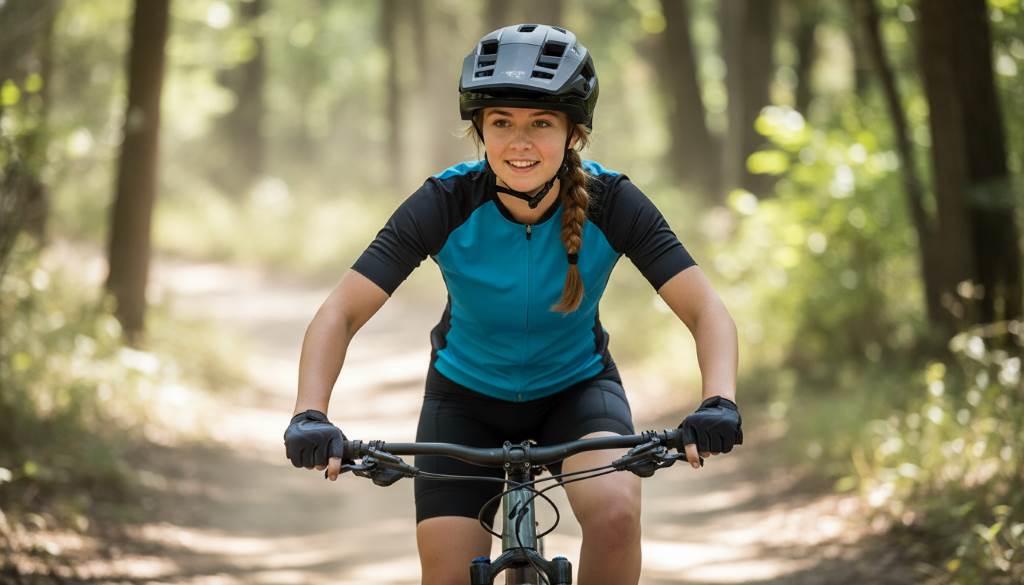
Trail riders face rough terrain. Mountain helmets extend coverage at the back and sides. Visors shield from sun and branches.
Many feature stronger shells for rock impacts. Ventilation remains generous for climbs.
For extreme downhill, full-face options add chin guards.
Commuter and Urban Helmets
City riders want style and practicality. Commuter helmets blend safety with everyday looks. Some include built-in lights or reflective details.
They often feel more comfortable for short trips. Rear coverage protects in urban falls.
Additionally, skate-style models work for casual cruising.
Full-Face Helmets
Downhill and BMX riders choose full-face protection. These resemble motorcycle helmets. Jaw guards prevent facial injuries.
Modern versions stay lighter and better ventilated. They excel in high-risk situations.
However, they feel hot for casual riding.
Kids’ Bike Helmets
Children need helmets that fit growing heads. Look for adjustable systems. Fun colors encourage wearing.
Safety standards apply equally. Proper fit prevents slipping in crashes.
Key Features to Look For in a Bike Helmet
Modern helmets include smart technologies. These boost protection and comfort.
MIPS Technology
Many crashes involve angled impacts. These cause rotational forces on the brain. MIPS adds a low-friction layer inside the helmet.
This layer allows slight movement. It reduces strain on brain tissue. Studies show meaningful protection gains.
Moreover, similar systems like SPIN or WaveCel offer alternatives.
Ventilation
Hot heads lead to discomfort. Good helmets feature large vents. Strategic placement channels airflow.
Road models maximize vents. Mountain versions balance protection and cooling.
Test ventilation on warm days.
Adjustment Systems
A secure fit requires fine tuning. Most helmets use rear dials. These tighten internal cages evenly.
Pad thickness also matters. Magnetic buckles speed fastening.
Weight
Lighter helmets reduce neck strain. High-end models drop below 300 grams. Materials like carbon fiber help.
However, never sacrifice safety for minimal weight.
Visors and Accessories
Visors block sun glare. Removable ones add versatility. Some helmets accept lights or cameras.
Ponytail ports help long-haired riders.
How to Get the Perfect Bike Helmet Fit
Fit determines everything. A loose helmet fails in crashes.
Start by measuring your head. Use a soft tape above eyebrows and ears. Compare to size charts.
Try helmets in person when possible. Shake your head side to side. The helmet should stay put without straps.
Position it level. The front edge sits one to two fingers above eyebrows. Side straps form V shapes under ears.
Tighten chin strap snugly. You should fit one finger underneath. Open your mouth wide. The helmet should pull down slightly.
Moreover, wear it for ten minutes in the store. Pressure points mean poor fit.
Finally, adjust pads and dials. Comfort lasts hours on rides.
Related:
The Benefits of Commuting to Work by Bike: Why You Should Ditch the Car
BMX Trick Tips from California’s Top Bike Spots
Materials and Construction Explained
Helmets use two main methods. In-mold fuses foam to shell. This creates lighter, stronger designs.
Expanded polystyrene foam absorbs impacts. It crushes to dissipate energy. Outer shells resist penetration.
Carbon fiber reinforcements add strength. Recycled materials appear in eco-friendly models.
Multi-density foams handle different impact speeds.
Additional Considerations for Smart Buyers
Think beyond basics. Visibility matters in traffic. Reflective elements help cars spot you.
Rain covers keep vents dry. Winter liners add warmth.
Sustainability grows important. Some brands use recycled plastics.
Glass wearers need OTG-friendly designs. Audio-compatible models allow speakers.
Helmet Maintenance and When to Replace
Care extends helmet life. Store away from direct sun. UV rays weaken materials.
Clean with mild soap and water. Avoid harsh chemicals.
Inspect regularly for cracks or dents.
Always replace after any significant impact. Foam compresses permanently.
Even without crashes, replace every three to five years. Glues and foams degrade over time.
Check manufacturer guidelines. Some suggest sooner for heavy use.
Conclusion
Choosing the right bike helmet protects your most valuable asset. Prioritize certified safety, proper fit, and riding-specific features. Invest time in trying options.
Your brain deserves the best defense. Ride smart, stay safe, and enjoy every mile.
Take action today. Measure your head, research models, and find your perfect helmet. Safe cycling starts now.
Frequently Asked Questions
How often should I replace my bike helmet?
Replace it after any crash involving head impact. Without crashes, change every three to five years. Materials break down over time.
Is MIPS technology worth the extra cost?
Yes for most riders. It adds protection against rotational forces common in real crashes. Benefits outweigh costs for safety-focused cyclists.
Can I use a mountain bike helmet for road cycling?
You can, but road helmets offer better ventilation and lighter weight. Mountain models work fine for mixed use.
How do I know if my helmet fits correctly?
It sits level, stays secure without straps, and feels snug but not tight. Straps form V shapes, and you fit one finger under the chin strap.
Are more expensive helmets always safer?
Not necessarily. All certified helmets meet minimum standards. Higher prices often bring better fit, comfort, and features.
References
- CDC Bicycle Safety: https://www.cdc.gov/pedestrian-bike-safety/about/bicycle-safety.html
- NHTSA Helmet Effectiveness Data: https://static.nhtsa.gov/nhtsa/downloads/NTI/Responsible_Walk-Bike_Activities/ComboLessons/L5Handouts/HelmetEffectDemon.pdf
- Bicycle Helmet Safety Institute: https://helmets.org/replace.htm
- Virginia Tech Helmet Ratings: https://www.helmet.beam.vt.edu/bicycle-helmet-ratings.html