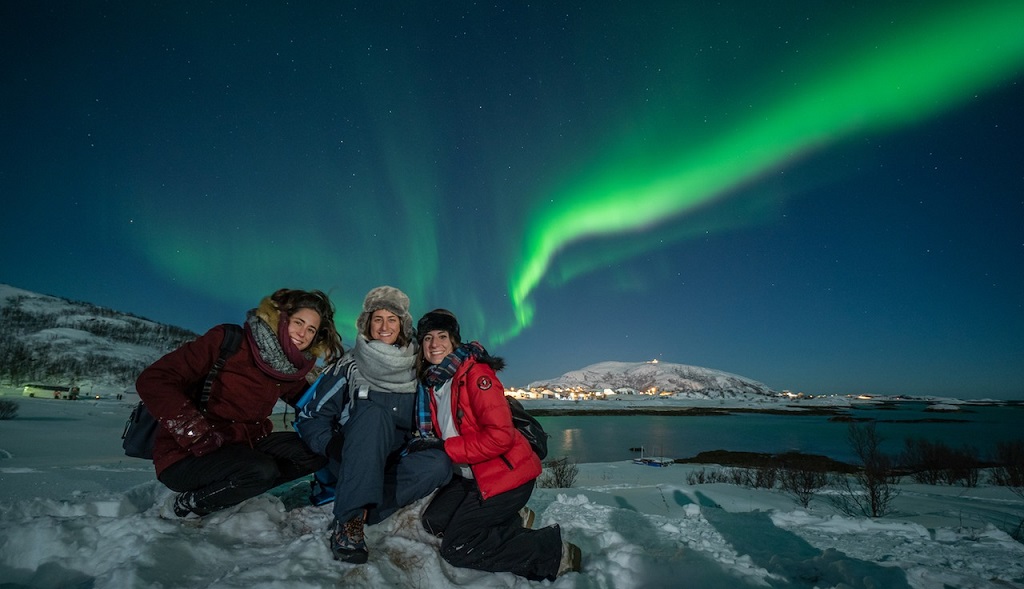
Norway stands as one of the world’s premier destinations for witnessing the magical Aurora Borealis. The country’s strategic location within the Arctic Circle, combined with its stunning landscapes and excellent infrastructure, makes it an ideal choice for aurora hunters. Whether you’re planning a quick getaway or an extended adventure, resources like Short Trip Ideas can help you craft the perfect Norwegian Northern Lights experience.
The ethereal dance of green, purple, and pink lights across the dark Arctic sky creates memories that last a lifetime. However, timing your visit correctly is crucial for maximizing your chances of witnessing this natural phenomenon. Understanding when and where to look can make the difference between a successful aurora hunting expedition and a disappointing trip.
Planning your Northern Lights adventure requires careful consideration of various factors including weather patterns, solar activity, and seasonal changes. The best time to visit Norway for northern lights depends on several elements that work together to create optimal viewing conditions. Therefore, knowing these factors will significantly enhance your chances of experiencing this breathtaking natural spectacle.
Optimal Season for Northern Lights in Norway
The Northern Lights season in Norway typically runs from late September through late March. However, the peak viewing period occurs between October and February when nights are longest and darkest. During this timeframe, you’ll have the maximum hours of darkness necessary for aurora observation.
October marks the beginning of the prime season as temperatures drop and daylight hours decrease significantly. The weather during this month remains relatively mild compared to deep winter, making outdoor activities more comfortable. Additionally, October often provides clearer skies than later winter months.
November through January represents the absolute peak season for Northern Lights viewing. These months offer the longest nights, with some northern regions experiencing polar night where the sun never rises above the horizon. The extended darkness provides ample opportunities for aurora sightings throughout the evening and early morning hours.
February and March conclude the optimal season, though aurora activity can still be excellent during these months. Weather conditions often improve as winter begins transitioning toward spring, potentially offering clearer skies for viewing. However, daylight hours start increasing, reducing the window for Northern Lights observation.
Best Months for Aurora Viewing
December and January: Peak Season
December and January offer the darkest skies and longest nights for Northern Lights viewing. During these months, northern Norway experiences polar night, providing up to 24 hours of darkness daily. The extreme darkness creates ideal conditions for observing even faint aurora displays that might be invisible during lighter months.
Weather patterns during winter months can be challenging, with frequent cloud cover and storms. However, when clear skies do appear, the viewing conditions are absolutely spectacular. The contrast between the aurora and the snow-covered landscape creates particularly stunning photographic opportunities.
October and November: Early Season Advantages
Early season viewing in October and November provides several advantages over peak winter months. Temperatures remain more moderate, making extended outdoor viewing sessions more comfortable. Road conditions are generally better, allowing easier access to remote viewing locations.
Cloud cover tends to be less persistent during autumn months compared to deep winter. This increases your chances of encountering clear skies necessary for aurora observation. Furthermore, accommodation prices are often lower during shoulder season periods.
February and March: Late Season Benefits
Late season viewing offers unique advantages as winter transitions toward spring. Weather patterns often become more stable, with fewer severe storms disrupting viewing opportunities. Days are getting longer, but nights remain sufficiently dark for aurora observation.
March particularly offers excellent conditions as geomagnetic activity often increases during the spring equinox period. This seasonal phenomenon can produce more frequent and intense aurora displays, making it an excellent time for dedicated aurora hunters.
Prime Locations in Norway for Northern Lights
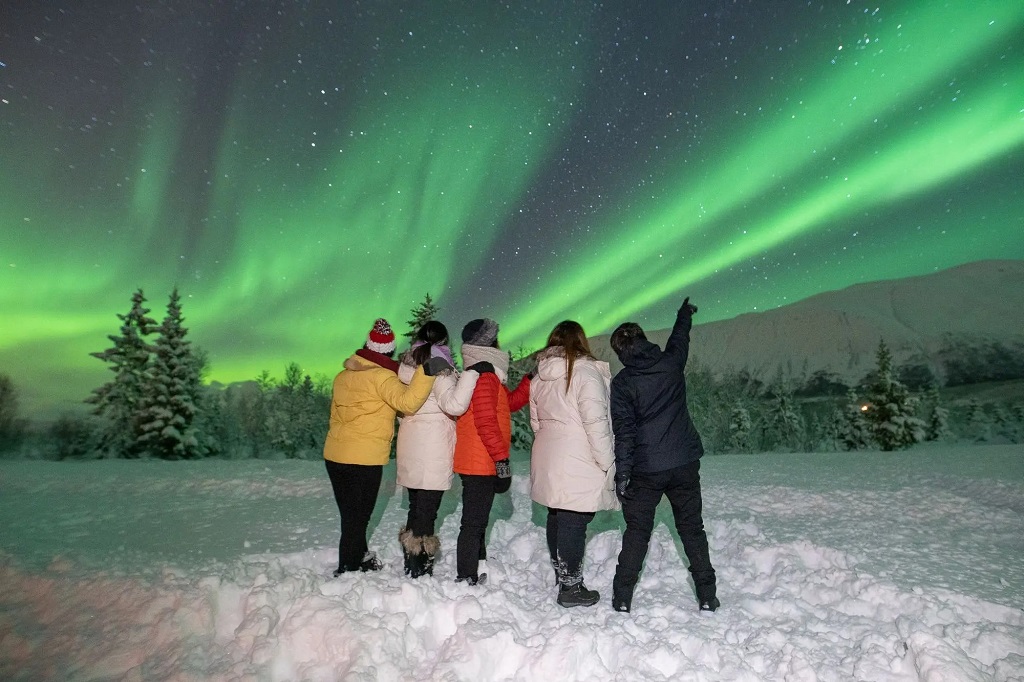
Tromsø: The Aurora Capital
Tromsø stands as Norway’s most famous Northern Lights destination, earning the nickname “Aurora Capital of the World.” Located at 69 degrees north latitude, the city sits directly beneath the Aurora Oval, the ring-shaped zone where aurora activity is most frequent.
The city offers excellent infrastructure for tourists, including specialized Northern Lights tours, aurora forecasting services, and comfortable accommodations. Tromsø’s location provides easy access to dark sky areas while maintaining urban conveniences. Additionally, the city’s numerous tour operators offer various viewing experiences, from bus tours to boat excursions.
Alta: Clear Sky Capital
Alta boasts some of the clearest skies in northern Norway, earning recognition as an exceptional aurora viewing destination. The town’s inland location reduces cloud cover compared to coastal areas, increasing your chances of clear viewing conditions.
The Alta area offers diverse viewing environments, from open tundra to frozen lakes. The region’s dry climate produces fewer cloudy nights than many coastal locations. Moreover, Alta’s strategic position provides excellent northern horizon views essential for aurora observation.
Lofoten Islands: Dramatic Landscapes
The Lofoten Islands combine spectacular aurora viewing with breathtaking landscapes. The dramatic peaks and pristine beaches create stunning foreground elements for Northern Lights photography. The islands’ position within the Aurora Oval ensures frequent aurora activity.
Weather conditions in Lofoten can be challenging due to the maritime climate, but clear nights offer incomparable viewing experiences. The combination of aurora, mountains, and coastal scenery creates some of Norway’s most photographed Northern Lights scenes.
Understanding Aurora Activity and Forecasting
Solar activity drives aurora displays, making understanding space weather crucial for successful viewing. The sun’s 11-year activity cycle influences aurora frequency and intensity. During solar maximum periods, aurora displays become more frequent and visible at lower latitudes.
Geomagnetic storms, caused by solar wind interacting with Earth’s magnetic field, create the most spectacular aurora displays. These events can be predicted several days in advance using space weather forecasting services. The KP-index measures geomagnetic activity levels, with higher numbers indicating stronger aurora potential.
Several reliable forecasting resources help predict aurora activity. The Norwegian Meteorological Institute provides detailed aurora forecasts specifically for Norway. Additionally, international space weather services offer global aurora predictions that can guide your viewing plans.
Practical Tips for Northern Lights Viewing
Clothing and Equipment
Proper clothing is essential for comfortable Northern Lights viewing in Norway’s harsh winter conditions. Layered clothing systems work best, allowing you to adjust insulation based on activity levels and temperatures. Insulated boots with good traction are crucial for walking on icy surfaces.
Essential equipment includes a sturdy tripod for photography, extra batteries that drain quickly in cold temperatures, and a reliable flashlight with red filter to preserve night vision. Hand warmers and thermal blankets can make extended viewing sessions more comfortable.
Photography Considerations
Northern Lights photography requires specific camera settings and techniques. Manual camera mode provides the best control over exposure settings. Typical settings include ISO 800-3200, aperture f/2.8-f/4, and exposure times of 10-30 seconds depending on aurora intensity.
Focus should be set to infinity, though some cameras struggle with autofocus in darkness. Pre-focusing on distant lights or stars before aurora activity begins prevents focusing difficulties during the display. Additionally, shooting in RAW format provides maximum flexibility for post-processing aurora images.
Weather Patterns and Cloud Cover
Understanding Norwegian weather patterns significantly improves your Northern Lights viewing success. Coastal areas generally experience more cloud cover than inland regions due to maritime influences. However, coastal locations often have milder temperatures and better accessibility.
High-pressure weather systems typically bring clear skies ideal for aurora viewing. These systems can be identified using weather forecasting services and often persist for several days. Conversely, low-pressure systems bring clouds and precipitation that obscure aurora displays.
According to meteorological data from the Norwegian Meteorological Institute, inland areas of northern Norway average more clear nights than coastal regions during winter months. This information can guide your location selection for optimal viewing conditions.
Accommodation and Tour Options
Northern Norway offers various accommodation options catering to aurora hunters. Glass igloos and aurora domes provide unique viewing experiences directly from your room. Traditional hotels in major cities offer comfort and convenience, while wilderness lodges provide remote locations with minimal light pollution.
Specialized Northern Lights tours range from basic bus excursions to multi-day adventures. Professional guides understand local weather patterns and optimal viewing locations, significantly increasing your success chances. Many tours include photography instruction and cultural experiences alongside aurora viewing.
Tour operators often provide aurora guarantees, offering free return trips if Northern Lights don’t appear during your visit. However, reading the fine print is important, as guarantees typically require specific conditions to be met for qualification.
Cultural Experiences and Daytime Activities
Northern Norway offers numerous daytime activities to complement your Northern Lights adventure. Reindeer sledding, dog sledding, and snowmobiling provide exciting ways to explore the Arctic landscape. These activities often extend into evening hours, potentially allowing aurora viewing during the experience.
Sami cultural experiences provide insight into indigenous Arctic peoples who have observed Northern Lights for millennia. Traditional Sami stories and legends about aurora add cultural depth to your visit. Many tour operators combine Sami cultural experiences with Northern Lights viewing for comprehensive Arctic adventures.
Ice hotels, snow sculptures, and winter festivals create unique seasonal experiences. The combination of cultural activities and aurora hunting creates well-rounded trips that remain memorable regardless of Northern Lights activity levels.
Read More Also: Five Things to Know About Meal Delivery Services
Conclusion
Successfully viewing the Northern Lights in Norway requires careful timing, location selection, and preparation. The optimal viewing season runs from October through March, with December and January offering the darkest skies and longest nights. Prime locations like Tromsø, Alta, and the Lofoten Islands provide excellent viewing opportunities with varying advantages.
Understanding aurora forecasting, weather patterns, and proper preparation significantly increases your chances of witnessing this natural phenomenon. Additionally, combining aurora hunting with cultural experiences and daytime activities creates memorable trips regardless of viewing success. Therefore, planning your visit during optimal months and choosing appropriate locations will maximize your Northern Lights adventure in Norway.
Read More Also: Eight Popular Open World Games on Android
Frequently Asked Questions
What are the chances of seeing Northern Lights in Norway?
Northern Norway offers some of the world’s highest Northern Lights viewing probabilities. During peak season (November-February), clear nights in prime locations like Tromsø typically provide 70-80% chances of aurora sightings. However, weather conditions significantly impact actual viewing success, with cloudy skies preventing observation even during active aurora periods.
How many nights should I stay to see Northern Lights?
Staying at least 5-7 nights significantly increases your Northern Lights viewing chances. Weather patterns often change every few days, so longer stays provide multiple opportunities for clear skies. Many experienced aurora hunters recommend staying 7-10 nights to account for cloudy weather and varying aurora activity levels.
Can you see Northern Lights from southern Norway?
Northern Lights are rarely visible from southern Norway due to the country’s geographic location relative to the Aurora Oval. The phenomenon typically occurs north of the Arctic Circle, making northern regions like Tromsø, Alta, and Finnmark the most reliable viewing areas. Exceptionally strong geomagnetic storms might make aurora visible further south, but this occurs infrequently.
What time of night are Northern Lights most active?
Northern Lights can appear anytime during dark hours, but activity often peaks between 10 PM and 2 AM local time. However, aurora displays can occur throughout the night, making it worthwhile to check skies regularly during evening hours. Some of the most spectacular displays occur during late night and early morning hours when tourist activity decreases.
Do Northern Lights tours guarantee sightings?
Many tour operators offer Northern Lights guarantees, but terms vary significantly between companies. Typical guarantees provide free return trips if aurora don’t appear during clear weather conditions. However, guarantees usually don’t apply during cloudy weather when aurora might be active but not visible. Reading guarantee terms carefully before booking helps set appropriate expectations.