How much sun does your garden really need? That question trips up more new growers than almost any other, and the honest answer is that it depends on what you intend to plant. Sun is measured in hours of direct light, not in vague words like "sunny" or "shady." Before you buy a single seedling, it helps to know your site honestly and to check solid beginner gardening resources so your expectations match reality. This guide walks through the numbers, the practical ways to measure light, and the mistakes that cost beginners a whole season.
Quick answer: Most vegetables and flowering plants need six to eight hours of direct sun per day, while leafy greens and many shade-tolerant plants manage on three to six. Measure your garden at several points during the day before planting, because a spot that looks bright at noon may sit in shadow by mid-afternoon.
What is much sun does your garden?
The phrase sounds awkward, but the underlying question is simple: how many hours of direct sunlight does a given spot receive on a typical clear day? Gardeners answer that question with a rough scale, and most plant labels use the same one.
Here is how the standard light categories translate into practice:
| Light category | Direct sun per day | Typical plants |
|---|---|---|
| Full sun | 6+ hours | Tomatoes, peppers, squash, most flowering perennials |
| Part sun | 4–6 hours | Root vegetables, some herbs, many shrubs |
| Part shade | 2–4 hours | Leafy greens, some ferns, woodland plants |
| Full shade | Under 2 hours | Hostas, certain ground covers, moss |
Two details matter more than the table itself. First, "direct sun" means unobstructed light on the leaves, not the soft brightness of an open sky. A spot under a pergola can feel bright all day and still log only an hour of true sun. Second, the hours do not need to be consecutive. A bed that gets three hours in the morning and four in the afternoon still counts as full sun.
Sunlight also varies by season and geography. A bed that bakes in July may be half-shadowed in October as the sun tracks lower. Northern gardens generally receive weaker light intensity than southern ones, so a plant listed for full sun may tolerate a little less in cooler regions.
Morning light is gentler and dries dew quickly, which helps reduce fungal problems. Afternoon sun is hotter and more intense. Two gardens with identical hour counts can perform quite differently based on which half of the day delivers the light.
Takeaway: Sun is counted in hours of direct light, and the label on the plant is the real starting point.
For accuracy, measure at leaf height rather than at the soil surface, since a low bed behind a hedge may sit in shadow while the tops of taller plants catch full light. Track the hours during the growing season you care about, typically late spring through early fall, and ignore winter readings that would unfairly label a productive bed as shady.
Why much sun does your garden matters
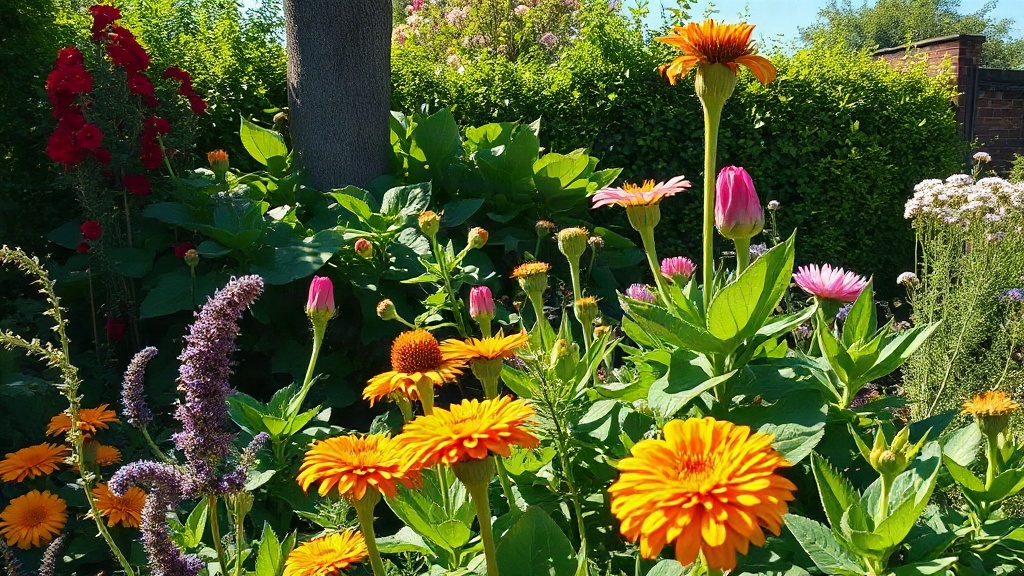
Light is the engine of plant growth. Through photosynthesis, leaves convert sunlight, water, and carbon dioxide into the sugars a plant uses to build roots, stems, fruit, and flowers. Cut the light supply and you cut the fuel supply, even if water and soil are perfect.
The consequences show up in predictable ways. A tomato in too much shade grows tall and spindly as it stretches toward light, produces few flowers, and ripens fruit slowly or not at all. Leafy crops behave differently: too much harsh sun makes lettuce bolt and turn bitter, while mild shade keeps leaves tender. Matching light to the plant is the whole game.
Light also affects moisture and disease. Sunny beds dry out faster, which suits plants that hate wet feet but demands more watering. Shaded beds hold moisture longer, which can invite mildew and rot in plants that need airflow and dry leaves. Neither condition is inherently better; each sets the rules.
Getting this wrong is expensive in time. A full season can pass before a beginner realizes the shady corner was never going to grow peppers. Measuring first costs an afternoon and saves months.
Takeaway: Light drives yield, plant shape, water needs, and disease pressure all at once, so it deserves attention before anything goes in the ground.
Timing matters as much as the total, because a plant’s growth stage sets its appetite for light. Seedlings and transplants need steady, gentle brightness while they establish roots, while fruiting plants demand peak light exactly when flowers set and fruit swells. A bed that averages six hours but delivers only two during that critical window will disappoint, even though the daily total looks fine on paper.
Best practices
Keep a simple sun log taped inside a shed or saved on your phone, recording the date, the hour, and which beds were lit. After a season, those notes reveal patterns no single day can show, such as the June week when the neighbor’s maple suddenly throws a shadow across the bed. When you rotate crops, consult the log rather than memory, because a bed that suited lettuce in April may be ideal for peppers by July. Finally, pair light zones with matching irrigation: drip lines on a separate timer for the hottest strip let you water heavily there while leaving shaded beds on a lighter schedule, which protects shallow-rooted plants from both drought and rot.
Measure before you commit
Spend one clear day tracking sun across your intended beds. Check each spot every hour from morning to late afternoon and note when direct light arrives and leaves. A cheap light meter gives a number, but honest observation works fine. Repeat the check in a different season, since spring and late summer shadows differ.
Group plants by light needs
Plant in zones rather than scattering species randomly. Put the sun-hungry crops together in the brightest strip and shade-lovers in the cooler corner. This makes watering, mulching, and rotating crops far easier. A step-by-step garden setup guide can help you lay out beds around the light you actually have.
Use shade and reflection deliberately
A simple shade cloth protects lettuce from scorching July afternoons. A light-colored wall or fence can bounce extra sun onto a bed that would otherwise fall short. Trellises and taller plants cast shadow, so place them on the side that loses light last.
Choose crops that fit the site
If your garden gets four hours, grow spinach, chard, radishes, and herbs rather than corn. Working with the site beats fighting it, and the harvest arrives faster.
Takeaway: Measure, group, adjust, and plant to the site. A modest, well-used sunny strip beats a large, half-shaded plot.
Common mistakes to avoid
The most frequent error is judging light by feel rather than hours. A garden can look bright while delivering three hours of direct sun, and beginners often plant full-sun crops on that basis. Measure it properly before you buy.
A second mistake is assuming a single measurement covers the whole season. Sun angles shift dramatically between spring and fall, and trees leaf out after winter. A bed that is sunny in March can be dappled by June. Check again once leaves are fully out.
Treating all shade as equal causes trouble too. Dappled shade under a tree differs from the deep, dry shadow beside a building, and plants respond accordingly. The soil under a tree is also drier and root-filled, which adds stress on top of low light.
Ignore the moving sun at your peril as well. New fences, sheds, and growing hedges change the picture year to year. Walk the garden at different times and note what might grow taller. Finally, resist the urge to overwater shaded beds to compensate for weak growth. Wet soil plus low light often leads to rot, not recovery.
Plants in low light use less water. Watering on a sunny-bed schedule can drown them. Check soil moisture before every watering in shaded areas.
Takeaway: Most sunlight failures come from guessing instead of measuring, and from forgetting that light changes across the year.
Another common slip is counting reflected light from a window or pale wall as direct sun. Glare brightens a corner without powering photosynthesis the way unobstructed sunlight does. Note it as a bonus, not a substitute, and base your crop choices on the hours the sun actually strikes the leaves.
FAQ
How do I measure sun hours without buying a tool?
Pick a clear day and check your bed every hour, noting when direct light hits the soil and when it disappears. Total the hours. Do this once in spring and once in midsummer for an accurate picture.
Can a garden succeed with only four hours of sun?
Yes, if you choose the right crops. Leafy greens, radishes, herbs like mint and chives, and many root vegetables grow well on four to six hours. Fruiting crops such as tomatoes and peppers will struggle.
Is morning sun better than afternoon sun?
For many plants, yes. Morning light dries dew and reduces fungal disease, while afternoon sun brings the most heat. Heat-loving crops often benefit from strong afternoon light, so the better choice depends on what you grow.
What if my garden is shady all day?
Grow shade-tolerant plants such as hostas, ferns, and certain leafy greens, or use containers in the brightest corner. Reflective surfaces and light-colored walls can add a little usable brightness.
Conclusion
The amount of sun your garden receives is the single fact that shapes everything else, from crop choice to watering routine. Measure it honestly, expect it to shift with the seasons, and match plants to the light rather than forcing the reverse. Start this week by tracking one sunny day across your beds and writing down the hours. With that simple record in hand, you can plan a garden that actually thrives in the space you have.