
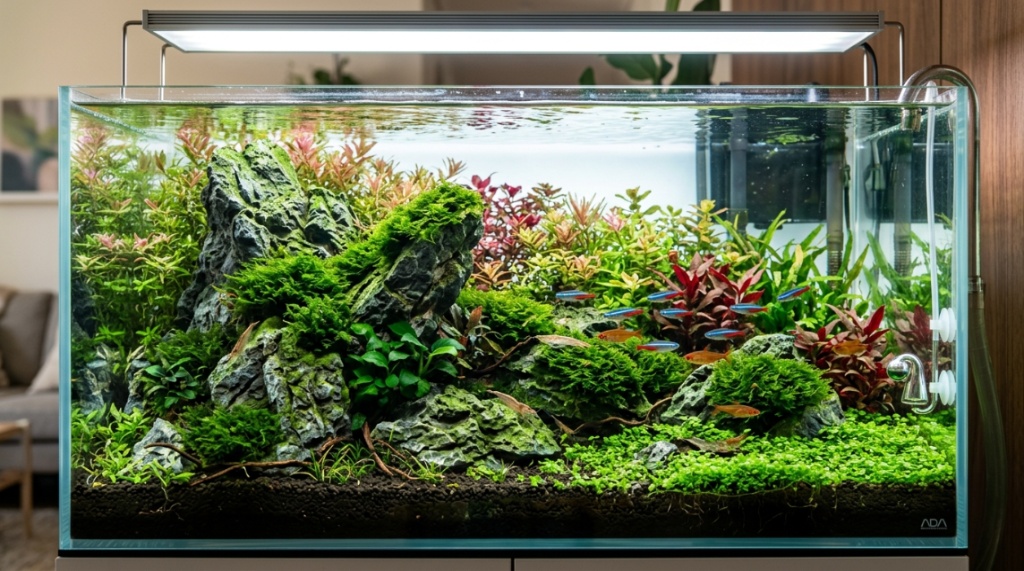
You’ve spent hours dreaming about a breathtaking underwater landscape, only to hit a wall when you see the price tags on store-bought rocks. It’s frustrating when a single, decent-looking stone costs as much as a nice lunch. The good news is that you don’t need to drain your wallet to build a jaw-dropping aquascape. The secret lies in knowing where to look, what to avoid, and how to source materials that are both beautiful and budget-friendly. This guide will show you exactly how to find natural aquascaping rocks cheap without sacrificing safety or aesthetics, turning that dream scape into a reality for pennies on the dollar.
Why Are Aquascaping Rocks So Expensive at Pet Stores?
Pet stores and aquarium shops mark up rocks significantly because they handle shipping, packaging, and marketing for convenience. A bag of two small Seiryu stones might cost you $25, while the same weight in raw stone from a landscape yard would be under $5. The markup exists because these businesses pay for overhead, staff, and the premium of offering “aquarium-safe” labeling.
The Hidden Costs of Convenience
When you buy from a big-box pet store, you are paying for the glass, the lights, and the rent on the building—not just the rock. You are also paying for the labor of someone who sorted through piles to find visually appealing pieces. By cutting out the middleman and sourcing your own materials, you avoid these added costs entirely. A trip to a local landscape supply yard can save you 70% to 80% compared to retail aquarium prices.
Understanding the “Aquarium-Safe” Premium
Many hobbyists worry that rocks from outside will poison their fish. This fear is often overblown. The “aquarium-safe” label is a marketing tool. In reality, most inert rocks (like granite, basalt, and slate) are perfectly safe after a simple cleaning and a vinegar test. You are paying a premium for a stamp of approval that you can easily verify yourself with a $2 bottle of white vinegar and a few minutes of your time.
Where Retailers Source Their Rocks
Most pet stores do not mine their own rocks. They buy in bulk from landscape suppliers, apply their own markup, and repackage the stones in smaller bags. Knowing this empowers you to go directly to the source. The very same rocks you see in a display tank at your local fish store likely originated from a regional quarry or a landscaping material yard near you.
Where Can You Find Natural Aquascaping Rocks for Free or Cheap?
The most affordable sources are often right under your nose. Construction sites, creek beds, and landscape supply yards are goldmines. The key is knowing the legalities and safety protocols for each location. With a bit of legwork, you can gather a truckload of stunning material for the cost of a little gas and elbow grease.
Landscape Supply Yards: The Best Bang for Your Buck
Landscape yards are the single best source for natural aquascaping rocks cheap. These businesses sell rocks by the pound or by the ton. You can walk through their massive piles of river rock, flagstone, and boulders. Prices are incredibly low, often $0.10 to $0.50 per pound. You can hand-pick every single stone, ensuring you get the exact shape, color, and texture you want without paying for a pre-selected “premium” bag.
Creek Beds and Riverbanks: A Cautionary Approach
Collecting rocks from natural waterways is free, but it comes with responsibilities. Always check local regulations—collecting is illegal in many national parks and protected areas. Stick to public, non-protected lands. The advantage here is that nature has already tumbled and smoothed these stones for decades. However, you must test every single rock with vinegar to ensure it won’t leach calcium and spike your water hardness. A sudden pH crash from a reactive rock can be deadly.
Construction Sites and Quarries
Builders and quarry operators often have scrap piles of broken stone that they are happy to give away for free. You need to ask permission first. A polite conversation with a site foreman can yield beautiful pieces of granite, bluestone, or slate that were destined for a crusher. Wear sturdy boots and safety glasses, and only collect from designated waste piles. This method takes a bit of courage but rewards you with some of the most unique shapes you will find anywhere.
Which Types of Rocks Are Safest for Your Aquarium?
Not all rocks are aquarium-safe. The best choices are inert rocks that will not alter your water chemistry. Reactive rocks (like limestone or dolomite) can slowly dissolve, raising your KH and pH. Understanding the difference between inert and reactive rock is critical to keeping your fish healthy. Choose rocks that are hard, dense, and non-porous for the best results.
Inert Rocks: The Safe Choice
- Granite: Extremely hard, heavy, and chemically inert. Looks great in modern, minimalist scapes. Available in greys, pinks, and blacks.
- Basalt/Lava Rock: Dark grey to black, porous but safe. Lava rock is very light, making it great for large structures without crushing glass.
- Slate: Perfect for creating ledges and terraces. It splits naturally into flat sheets. Ensure the edges are not sharp enough to cut your fish.
- Quartzite: A very hard, non-porous rock that comes in white, grey, and greenish hues. It is a premium look without the premium price tag.
Rocks to Avoid Entirely
- Limestone and Sandstone: These are very reactive. They will buffer your water and raise the hardness. Only use these if you are keeping African Cichlids that need hard, alkaline water.
- Metal Ore Rocks: Any rock that has a metallic sheen or rust-colored streaks should be avoided. Heavy metals can leach into the water and kill your livestock.
- Painted or Dyed Gravel: Do not use decorative rocks from a craft store unless they are specifically labeled for aquariums. The paint can peel and release toxins.
How to Test Rocks at Home (The Vinegar Method)
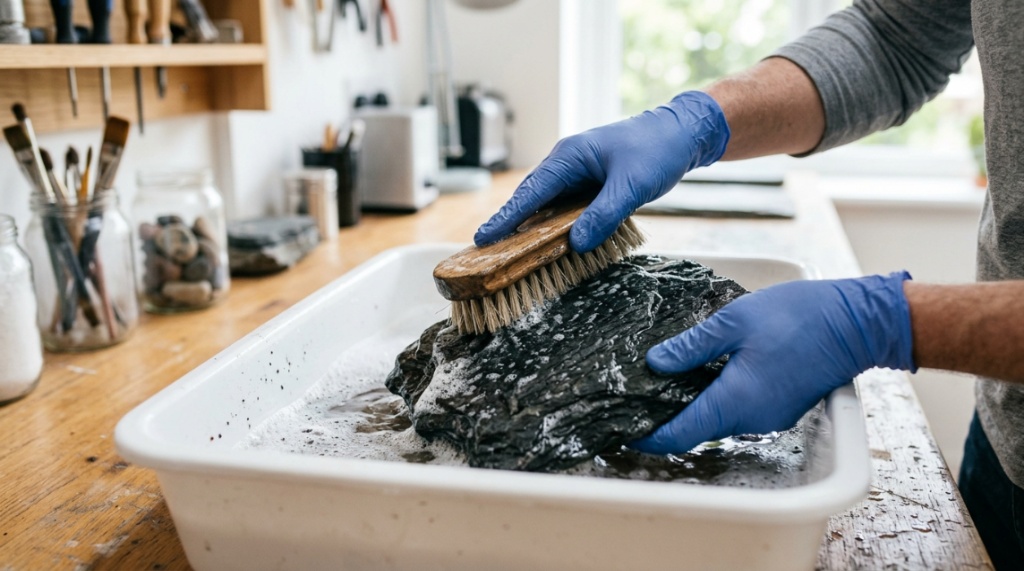
Before any rock goes into your tank, clean it with a stiff brush and hot water (no soap). Then, drop a few drops of white vinegar onto the rock. If it fizzes or bubbles aggressively, the rock is reactive and will alter your water chemistry. A gentle fizz from a dusty surface is normal, but steady bubbling means “do not use” unless you want hard water.
How to Prepare and Clean Cheap Rocks for Your Tank
Collecting rocks is only half the battle. Proper preparation ensures you don’t introduce diseases, parasites, or pollutants into your carefully balanced aquarium. The cleaning process is simple, but it requires patience. Rushing this step is the number one mistake beginners make when using cheap or free rocks.
Step 1: The Dry Scrub and Visual Inspection
Start with dry rocks. Use a stiff, dry brush to remove all loose dirt, clay, and organic matter. Look closely for insect eggs, moss, or lichen. While lichen is usually harmless, it will die underwater and rot, creating an ammonia spike. Scrape off any visible biological growth with an old butter knife or a wire brush.
Step 2: The Bleach Soak (The Only Safe Sanitizer)
To kill any lingering pathogens, soak your rocks in a 10% bleach solution (1 part bleach to 9 parts water) for 24 hours. Use plain, unscented bleach with no additives. After the soak, remove the rocks and rinse them thoroughly with a garden hose. Then, soak them in clean, dechlorinated water (or water with a heavy dose of dechlorinator) for another 24 hours to remove all traces of bleach. Once your hardscape is set and safe for fish, pair your layout with budget aquarium fertilizers to accelerate plant growth without overspending.
Step 3: The Boiling Test (For Small Rocks)
For smaller rocks, boiling them is a great backup to the bleach soak. Place the rocks in a pot of water and boil for 10 minutes. Warning: Never boil porous or layered rocks like slate or shale. Trapped air inside can expand rapidly, causing the rock to explode. Only boil dense stones like granite or quartzite.
What Is the Most Affordable Rock for a Large Aquascape?
For large tanks (55 gallons and above), the most affordable rock is lava rock. Because it is extremely lightweight compared to granite or basalt, you can achieve massive structures without exceeding the weight limit of your tank stand or risking a cracked glass pane. A giant piece of lava rock the size of a basketball weighs roughly the same as a small loaf of bread.
Why Lava Rock is the Budget King
- Weight: Extremely light. You can create towering, dramatic scenes safely.
- Cost: Often sold as “red lava rock” for BBQ grills or landscaping. A 40-pound bag costs around $8.
- Biology: The porous surface is fantastic for beneficial bacteria colonization, dramatically improving your biological filtration.
Visual Disadvantages of Lava Rock
Lava rock is not pretty in the traditional sense. It is rough, sharp, and dark red or black. It does not look like river stone or Seiryu stone. To make it work visually, you can cover it with Java Fern or Anubias, which will attach easily to the porous surface. Within a few months, the plants will hide the rock, and the structure will look like a natural mountain slope.
Can You Use Garden Center Rocks in an Aquarium?
Yes, you can, but you must be extremely selective. Garden centers often stock river pebbles, Mexican beach pebbles, and polished stones. The biggest risk is that these rocks are often coated with dust, oils, and sometimes even sealants to make them look shiny. A thorough cleaning and rigorous vinegar test are non-negotiable here.
Best Picks from the Garden Center
Look for bags labeled “natural river pebbles” or “mountain stone.” Avoid anything that says “polished,” “tumbled,” or “colored.” The dull, matte finishes are almost always natural and untreated. Stick to simple, generic grey and brown stones. These are often the exact same product sold at aquarium stores but at a fraction of the cost.
Risks of Cheap Sealants and Oils
Some garden rocks are sprayed with a light wax or oil to make them look wet and vibrant. If you place these in your tank, the oil will form a rainbow sheen on the water surface, blocking oxygen exchange. To test this, place the rock in a bucket of hot water and look for a film on the surface. If you see one, scrub the rock with a degreasing dish soap (like Dawn) and rinse extremely well before using it.
How to Create a Hardscape on a Tight Budget
Building a stunning hardscape does not require expensive, exotic dragon stone. You can create beautiful Iwagumi or nature-style layouts using common materials like broken concrete, if you know the trick. However, a safer and more popular budget method is mixing two different cheap rocks to create visual contrast.
The Two-Rock Trick for Depth
Use a light-colored rock (like river pebbles) for the foreground and a dark-colored rock (like basalt or lava rock) for the background. This creates an instant illusion of depth. The contrast makes each rock appear more valuable than it is. A single piece of basalt placed next to a pebble looks like a majestic boulder when placed correctly.
Sourcing Local “Garbage” Rock
Check local Facebook Marketplace or Craigslist for “free rock” ads. People demolishing patios or driveways often have piles of broken concrete or flagstone they need to get rid of. Concrete is not safe for aquariums (it leaches lime), but flagstone and bluestone are perfect. You can often get 100 pounds of high-quality stone for the cost of driving to pick it up.
When to Splurge vs. When to Save
If you are building a hardscape for a show tank or competition, you might want to spend a bit on a unique centerpiece rock. But for the bulk of your structure—the base and the support stones—use cheap natural aquascaping rocks cheap from a local yard. Spend your money on one or two hero stones and use budget rocks for everything else.
Is It Safe to Stack Cheap Rocks Without Glue?
Stacking rocks without adhesive is risky if the pieces are not perfectly stable. A falling rock can crack your tank glass, kill fish, or ruin your aquascape. However, cheap lava rock and slate are naturally grippy. Their rough textures create natural friction that holds them in place better than smooth, polished stones.
Creating a Stable Base with Egg Crate
Always place a sheet of egg crate (light diffuser from a hardware store) under your substrate in the areas where you will stack rocks. This plastic grid disperses the weight of the heavy stones across the entire bottom pane of glass, preventing stress fractures. It also prevents sharp rocks from scratching your glass.
Using Sand as a “Mortar”
Instead of expensive epoxy, use your substrate as a natural mortar. Dig a shallow trench in your sand or gravel, position the rock, and then push the substrate back up against the base of the rock. This locks the stone in place. For taller stacks, backfill with more substrate behind the rock. The weight of the substrate pressing against the rock creates incredible stability.
Frequently Asked Questions
Can I use rocks from the beach in my aquarium?
Yes, but they require extensive preparation. Beach rocks are saturated with salt and minerals. You must soak them in fresh water for 2–3 weeks, changing the water daily, to remove salt. Failure to do so will kill freshwater fish. Also, test them with vinegar for calcium content.
How do I know if a rock has heavy metals?
Look for bright, unnatural colors like neon green, yellow, or red. Rust-colored streaks are also a red flag. If you are unsure, perform a “bleed test.” Place the rock in a bucket of water for a week. If the water changes color, the rock is leaching heavy metals and should be discarded.
Is dragon stone safe for all fish?
Dragon stone (Ohko stone) is inert and safe for most fish. However, it has extremely sharp edges. It is not recommended for fish with delicate barbels or long fins (like goldfish or betta fish) as they can injure themselves while foraging for food.
What is the best cheap rock for shrimp tanks?
Slate or flat river pebbles are best for shrimp tanks. Shrimp love to graze on biofilm that grows on flat surfaces. Slate also provides excellent hiding places for baby shrimp, increasing survival rates.
How much rock do I need for a 20-gallon tank?
A general rule is 1 to 1.5 pounds of rock per gallon of water for a moderate hardscape. For a 20-gallon tank, aim for 20 to 30 pounds of rock. This will create a solid base without overcrowding the tank or leaving too little swimming space for your fish.
Conclusion
Finding stunning natural aquascaping rocks cheap is entirely possible if you are willing to step outside the pet store and into the real world. Landscape yards, construction sites, and even your local garden center offer incredible materials for a fraction of the retail price. The key is to focus on inert, safe rocks like lava rock, granite, basalt, and slate. Always test your finds with vinegar and clean them thoroughly to protect your aquatic life.
Don’t let high prices kill your aquascaping dreams. Start scouting local suppliers this weekend, bring a pair of gloves and a bucket, and be patient. Your dreamscape is out there, buried in a pile of dirt and waiting to be discovered. The money you save can be better spent on quality plants, a better filter, or that dream species of fish you have been eyeing.