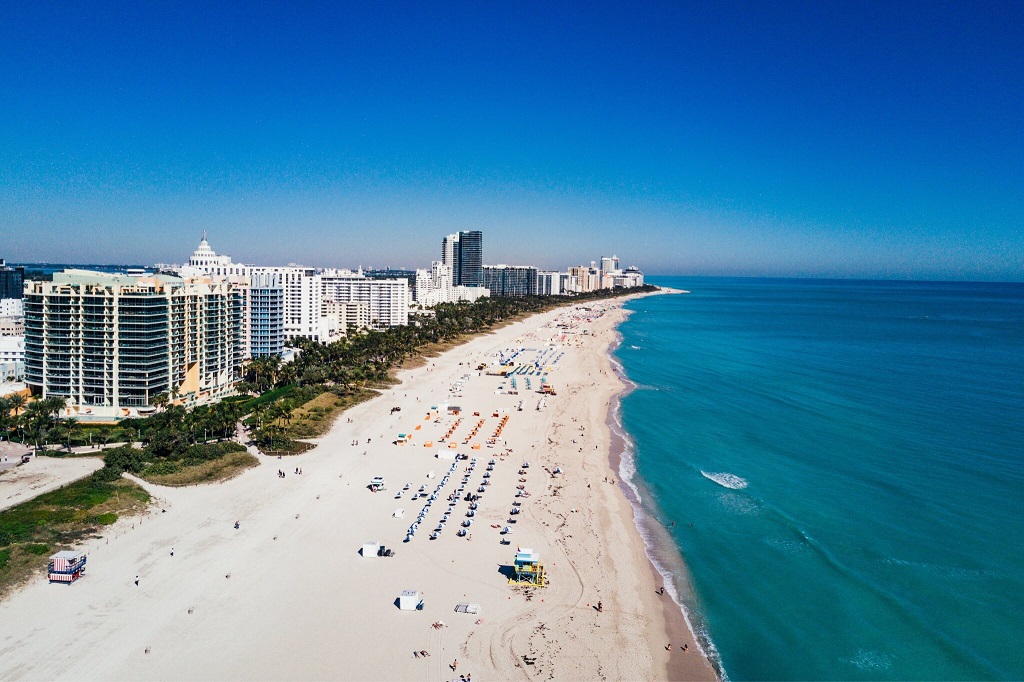

You step off the plane in paradise. The air smells like plumeria and salt. You can already feel the sun warming your skin. Yet within hours, that dreamy vacation turns into a painful wince with every step. The culprit? Chafing—that raw, stinging burn caused by skin rubbing against skin or fabric. In Hawaii’s tropical humidity, chafing isn’t just uncomfortable; it can ruin an entire day of hiking, surfing, or even a casual walk on the beach. The problem is real, but the solution is simpler than you think. Learning how to stay chafe-free Hawaii means understanding your body, your environment, and the right products before you pack your bag.
What Exactly Causes Chafing in Hawaii’s Tropical Climate?
Chafing happens when moisture, friction, and heat combine to irritate the top layer of your skin. Hawaii’s climate amplifies every single one of these factors, making chafing almost inevitable without preparation.
The Role of Humidity in Skin Breakdown
Hawaii averages 60–80% humidity year-round. When your skin stays damp from sweat that cannot evaporate, it softens and becomes more vulnerable. This weakened skin tears more easily under friction, creating the raw, stinging sensation you feel after a long day of activity.
Common Chafing Hotspots for Visitors
Most people experience chafing on their inner thighs, underarm area, nipples (especially for runners and surfers), and along bra or waistband lines. In Hawaii, the combination of sand, salt water, and wet clothing speeds up the process significantly.
Why Your Usual Routine May Fail Here
Powders that work in dry climates clump in humidity. Lotions wash off instantly in the ocean. Even some sports creams can melt in your bag before you use them. Hawaii requires a different strategy, one built for constant moisture and intense activity.
How Can You Prevent Chafing Before You Even Arrive?

Prevention starts long before you step onto Hawaiian soil. Smart preparation eliminates most chafing problems before they begin.
Choosing the Right Clothing for Island Activities
Look for moisture-wicking fabrics like nylon, polyester, or merino wool. Avoid cotton at all costs—cotton absorbs sweat and stays wet, turning into sandpaper against your skin. Seamless shorts, rash guards, and compression gear create a protective barrier between your skin and friction points.
Packing Your Anti-Chafing Kit
Your kit should include at least two types of protection: a long-lasting balm for all-day wear and a quick-dry powder for touch-ups. Do not rely on a single product. Hawaii demands layering your defenses just like you layer sunscreen.
Pre-Treating High-Risk Areas
Apply your chosen anti-chafing product 10–15 minutes before you get dressed. This allows it to absorb or form a proper film. Reapply after swimming, heavy sweating, or towel drying. Even waterproof products lose effectiveness after prolonged water exposure.
Which Anti-Chafing Products Actually Work in Hawaii?
Not all products are created equal. The tropical environment demands something that stays put, survives sweat and salt water, and feels comfortable for hours.
Balm vs. Powder vs. Stick: What Works Best
Sticks and balms generally outperform powders in Hawaii because they create a longer-lasting physical barrier. Powders absorb moisture but wash away quickly. Balms with beeswax, shea butter, or silicone-based formulas provide the best staying power. For specific product recommendations, check out this curated guide to stay chafe-free Hawaii with products tested for local conditions.
Ingredients to Look For and Avoid
Look for zinc oxide (which also offers sun protection), dimethicone, or natural waxes. Avoid products with alcohol, fragrance, or petroleum jelly alone—petroleum traps heat and can worsen irritation when mixed with sand.
How to Test a Product Before a Full Day of Activity
Apply a small amount to your inner wrist or behind your knee. Wear it for an hour while walking around. If you feel any stinging, burning, or greasiness, try a different formula. Your skin will tell you immediately whether a product works.
Can You Surf and Stay Chafe-Free at the Same Time?
Yes, but surfing presents unique challenges. The combination of salt water, board friction, and repetitive paddling makes chafing almost guaranteed without proper preparation.
Pre-Surf Application Techniques
Apply anti-chafing balm to your inner thighs, underarms, and any area where your rash guard rubs. Pay special attention to your neck and collarbone area where the board often rests. Allow the balm to set for five minutes before hitting the water.
Post-Surf Recovery and Skin Care
Rinse thoroughly with fresh water immediately after surfing. Salt crystals left on your skin will continue to irritate. Pat dry (do not rub), then apply a soothing cream containing aloe vera or calendula. This helps repair the skin barrier before your next session.
The Best Wetsuit and Rash Guard Choices
Choose a rash guard with flatlock seams or seamless construction. If you wear a wetsuit, look for one with smoothskin neoprene on the inside to reduce friction. Avoid rental gear if possible—it often has salt-embedded fabric that causes instant irritation.
Is There a Difference Between Hiking and Beach Chafing Prevention?
Absolutely. Hiking introduces additional factors like dirt, backpacks, and longer periods without opportunity to reapply.
Hiking-Specific Problem Areas
Backpack straps create friction on shoulders and collarbones. Waist belts rub against hip bones. In Hawaii’s volcanic terrain, steep inclines increase sweat production and leg friction simultaneously. These areas require thicker application and more frequent reapplication.
Beach and Water-Specific Concerns
Sand acts like microscopic razor blades when trapped between skin layers. Salt water dries out skin, making it crack more easily. Wind dries product off your skin faster than you expect. Reapply every hour if you are actively swimming or sitting in the sand.
How to Adjust Your Strategy for Different Activity Levels
Light walking requires less protection than intensive hiking or surfing. Scale your application based on anticipated sweat level and friction duration. When in doubt, apply a little extra. You can always blot off excess, but you cannot fix chafing once it starts without stopping your activity.
When Should You Reapply Anti-Chafing Protection?
Timing matters just as much as the product itself. Reapplying too late means you are treating damage instead of preventing it.
General Reapplication Guidelines for Tropical Conditions
Reapply every two hours under normal conditions. After swimming, reapply immediately. After heavy sweating, reapply when you notice product has worn away. After toweling dry, reapply before dressing again.
Signs You Need to Reapply Immediately
If you feel any burning, stinging, or the sensation of skin pulling, stop and reapply immediately. Do not wait. Once you feel that warning, you already have the beginning of chafing damage.
How to Reapply Without Interrupting Your Day
Keep a travel-sized stick or balm in your pocket, bag, or even your car. You can apply most stick products through clothing without fully undressing. Powder formats work well for quick touch-ups in bathrooms or secluded beach spots.
What Natural or DIY Solutions Work for Chafe Prevention?
Many travelers prefer natural options for environmental or skin sensitivity reasons. Several home remedies provide effective chafing protection in Hawaii.
Coconut Oil: The Local Favorite
Coconut oil offers natural lubrication and antimicrobial properties. It works well for short periods but breaks down quickly in direct sun and salt water. Use it for morning walks or casual beach days, not extended water activities.
Shea Butter and Beeswax Blends
These create a thicker barrier that lasts longer than pure oils. You can find local Hawaiian brands that incorporate kukui nut oil or noni extract, both known for skin-healing properties. These blends work well for all-day protection in most conditions.
Aloe Vera for Aftercare
Pure aloe vera gel soothes already irritated skin. Keep a bottle in your cooler or fridge for cooling relief after sun exposure. Use it as a recovery treatment, not a preventative—it lacks the staying power needed for friction prevention.
How Do You Treat Chafing That Has Already Started?
Despite your best efforts, chafing can still happen. Treating it quickly prevents it from worsening and allows you to continue enjoying your trip.
Immediate First Aid Steps
Clean the affected area with fresh water and mild soap. Pat dry gently with a clean towel. Apply a thin layer of petroleum jelly or zinc oxide cream to create a protective seal. Cover with a non-stick gauze pad if the area will experience further friction.
What to Avoid When Treating Chafed Skin
Do not use alcohol-based wipes or perfumed lotions. Do not scrub the area. Do not wear tight clothing over the wound. Avoid swimming in salt water until the skin has healed, as salt will cause intense stinging and delay recovery.
How Long Does Healing Take in Tropical Conditions?
Mild chafing heals in 24–48 hours with proper care. Severe chafing may take 3–5 days. Because Hawaii’s humidity slows wound healing, keep the area clean and dry. Apply a light dusting of cornstarch or medicated powder to absorb moisture during the healing process.
Which Fabrics Should You Avoid in Hawaii Absolutely?
Your clothing choices can make or break your chafe-free experience. Some fabrics are simply disasters waiting to happen in this climate.
The Worst Offenders for Tropical Travel
Cotton leads the list—it absorbs moisture, takes forever to dry, and becomes rough against skin. Linen, while breathable, wrinkles and creates friction points. Denim is heavy, non-breathable, and causes chafing on thighs and waistlines within hours,The combination of saltwater, sand, and repetitive movement is a recipe for friction. If you are planning to take out an Inflatable Paddle Board for Family Fun, make sure to apply a silicone-based chafing gel to your underarms and inner thighs before hitting the water.
Why Nylon and Polyester Are Your Best Friends
These synthetic fabrics wick moisture away from your skin and dry quickly. They also create a slippery surface that reduces friction. Look for fabrics labeled as quick-dry, moisture-wicking, or performance-grade. These are widely available in Hawaii’s surf shops and outdoor retailers.
How to Test Fabric Before Buying
Rub a small section of fabric between your thumb and forefinger. If it feels rough or catches on your skin, it will cause chafing. If it glides smoothly, it is likely safe. Test this on all seams and tags, not just the main fabric body.
Frequently Asked Questions
Can I use diaper rash cream for chafing in Hawaii?
Yes. Diaper rash creams containing zinc oxide work very well for chafing prevention and treatment. They create a thick, waterproof barrier that stays on during swimming and heavy sweating. Apply a thin layer to prevent staining on clothing.
Is baby powder effective for preventing chafing?
Baby powder works temporarily but fails quickly in Hawaii’s humidity. It clumps when wet and loses friction protection after about 30 minutes of activity. Use talc-free powders designed for athletes instead of standard baby powder.
How often should I shower to prevent chafing?
Shower at least twice daily in Hawaii—once after morning activities and once before bed. Rinse immediately after swimming in salt water or pools. Salt crystals and chlorine residue continue irritating skin even after you dry off.
Does sunscreen prevent or cause chafing?
Sunscreen alone does not prevent chafing. In fact, alcohol-based sunscreens can dry out skin and increase friction. Use a mineral-based sunscreen underneath your anti-chafing balm to avoid irritation from chemical sunscreens mixing with sweat.
Can I wear the same anti-chafing product for surfing and hiking?
Yes, but choose a waterproof, long-lasting formula designed for both activities. Water-resistant balms work best. Avoid powder-based products for surfing since they wash off instantly. A solid stick or balm serves both purposes effectively.
Is it normal to chafe more in Hawaii than other humid destinations?
Yes. Hawaii’s combination of ocean salt, volcanic sand, high humidity, and intense sun creates a uniquely challenging environment. The trade winds also dry product off your skin faster than in still, humid air. Many visitors need to adjust their usual routine for this specific climate.
What should I do if chafing blisters form?
Do not pop the blisters. Clean the area gently, apply an antibiotic ointment, and cover with a sterile bandage. Avoid any activity that stresses that area until the skin heals fully. Seek medical attention if you notice signs of infection such as redness spreading, warmth, or pus.
Conclusion
Staying chafe-free in Hawaii comes down to three simple actions: prepare before you arrive, choose the right products and fabrics, and reapply on schedule. The humidity, salt water, and sand make this tropical paradise uniquely challenging for your skin, but they do not have to limit your fun. Pack a reliable anti-chafing balm, wear moisture-wicking clothing, and listen to your body’s signals before discomfort turns into injury. Your Hawaiian adventure deserves your full attention, not a constant battle against raw skin. Commit to a good prevention routine now, and you will thank yourself on day one of your trip. Your skin—and your vacation—will be much happier for it.