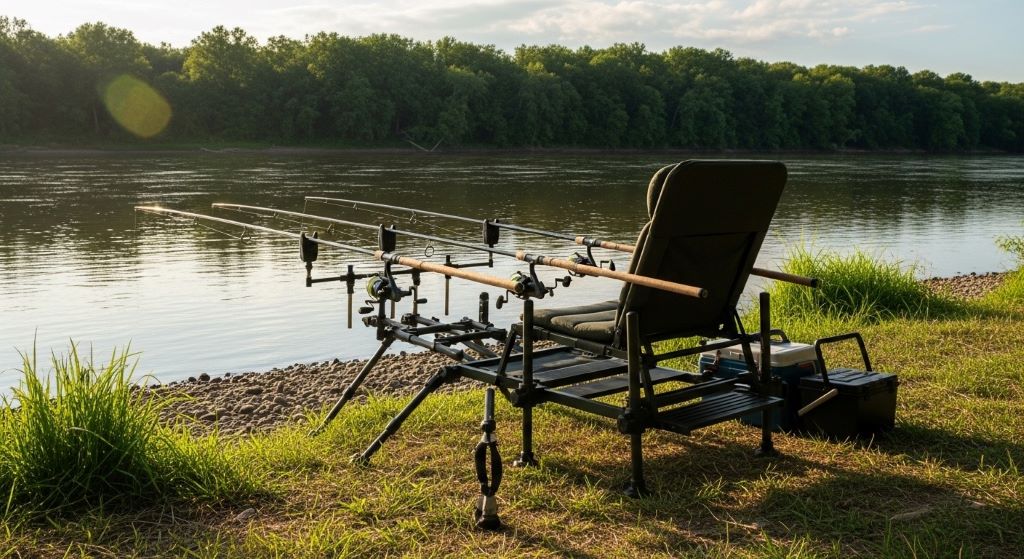
Bank fishing offers a peaceful way to enjoy your favorite pastime without needing a boat. However, standing for hours can be exhausting and uncomfortable. A fishing chair with built-in rod holders transforms your experience by providing comfort while keeping your equipment organized and accessible.
Many anglers overlook the strategic advantages that proper seating provides. Beyond simple comfort, the right setup allows you to fish multiple rods simultaneously, respond quickly to bites, and enjoy longer sessions without fatigue. This guide will show you how to maximize your bank fishing success using a rod holder chair effectively.
Whether you’re a beginner learning the basics or an experienced angler looking to refine your technique, understanding how to set up and use your fishing chair properly makes a significant difference. You’ll catch more fish, enjoy greater comfort, and develop a more efficient fishing system.
Understanding the Benefits of a Rod Holder Chair
Using a specialized fishing chair changes how you approach bank fishing entirely. Traditional folding chairs force you to lean your rods against trees, rocks, or stake them in the ground separately. This scattered arrangement makes monitoring multiple lines difficult and increases the chances of missing bites.
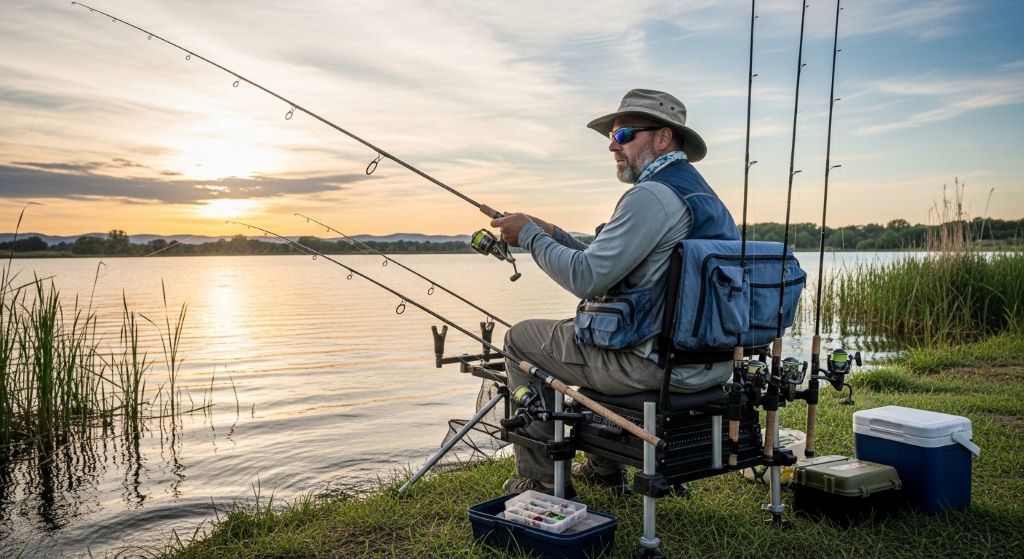
A rod holder chair consolidates everything within arm’s reach. You can watch several rods simultaneously while sitting comfortably. This efficiency becomes particularly valuable when you’re fishing with multiple baits or techniques at once.
Additionally, elevated rod holders keep your line off the ground and away from snags. They position your rods at optimal angles for detecting bites and setting hooks. The height advantage also helps prevent tangles when fishing near vegetation or rocky shorelines.
Comfort directly impacts your fishing success. When you’re comfortable, you stay focused and alert for longer periods. You notice subtle bites that you might miss while shifting positions or dealing with discomfort. Therefore, investing in quality seating pays dividends in your overall fishing effectiveness.
Choosing the Right Location for Your Setup
Before setting up your chair, scout the fishing area carefully. The perfect spot combines fish-holding structure with comfortable, accessible terrain. Look for areas where you can position your chair on level ground while keeping your rods angled toward productive water.
Consider the sun’s position throughout your fishing session. Setting up with the sun behind you reduces glare on the water and makes it easier to watch your rod tips and line. However, be mindful that shadows falling on the water might spook fish in very clear, shallow conditions.
Bank angle affects your setup significantly. Steep banks require different positioning than gradual slopes. On steep banks, place your chair further back from the edge for safety and stability. Gradual slopes allow you to sit closer to the water, reducing the distance you need to cast.
Check for overhead obstacles like tree branches that might interfere with your casts. Ensure you have enough clearance behind and to the sides for comfortable casting. Additionally, consider wind direction. Positioning yourself so the wind doesn’t constantly blow your line creates fewer tangles and better bait presentation.
Access to your gear matters too. Position your chair where you can easily reach your tackle box, bait cooler, and landing net. Creating an efficient workspace around your chair minimizes movement and keeps you fishing rather than constantly standing up to grab equipment.
Setting Up Your Angler Chair Setup Properly
Once you’ve selected your spot, proper setup becomes crucial for comfort and functionality. Start by ensuring your chair sits level and stable. Uneven ground causes discomfort and can make your chair tip if you lean to grab equipment or land a fish.
Most fishing chairs have adjustable legs. Use these to compensate for uneven terrain. Take a moment to adjust each leg until the chair feels solid and level. A wobbly chair creates unnecessary fatigue as you constantly adjust your balance.
Position your chair at the right distance from the water’s edge. You want to be close enough to easily land fish and monitor your rods, but far enough back to stay dry if waves splash up. Leave enough room in front of your chair to stand quickly when setting hooks or fighting fish.
Orient the rod holders based on how many rods you plan to use. If fishing two rods, angle them slightly apart so the lines don’t cross. When using three or more rods, space them evenly to maintain clear sight lines to each rod tip.
Adjust the rod holder angles to match your fishing technique. For bottom fishing with bait, angle the holders more vertically to keep your line tight and detect subtle bites. When using floats or bobbers, a more horizontal angle works better. Most quality chairs offer adjustable holders that accommodate different techniques.
Test your setup before baiting hooks. Cast a practice line to ensure your angle works well and you can retrieve comfortably while seated. Make adjustments now rather than after you’ve got multiple lines in the water.
Organizing Multiple Rods Effectively
Using multiple rods simultaneously is one of the biggest advantages of a rod holder chair. However, this requires organization and planning to avoid tangles and confusion.
Start with your strongest or primary rod in the most accessible position. This should be the rod you’ll grab first if you get a bite or need to make a quick cast. Place it in the holder closest to your dominant hand.
Space additional rods to prevent line crossing. Cast each rod to a slightly different area or depth. This strategy not only prevents tangles but also helps you determine where fish are holding. If one rod consistently gets bites, you know that depth or distance is productive.
Use different techniques on each rod when possible. One rod might fish on the bottom with cut bait, another at mid-depth with a suspended rig, and a third with a float near the surface. This versatility increases your chances of finding what the fish want.
Color-code your rods or use distinctive rod holders if your chair has interchangeable holders. This system helps you quickly identify which rod to grab when you see a bite. Some anglers use different colored tape on rod handles or grips for instant identification.
Keep each rod’s drag set appropriately before placing it in the holder. A fish hitting a rod with improperly set drag can pull the entire rod from the holder or, worse, pull your chair over if it’s a large fish. Set drags tight enough to resist the initial pull but loose enough to give line when needed.
Maximizing Bite Detection
One key advantage of rod holder chairs is improved bite detection. When rods are secured at consistent angles, you can more easily spot subtle movements that indicate fish activity.
Watch the rod tips rather than staring at the water. Small twitches, dips, or unusual movements often precede major runs. Train yourself to notice these subtle signals. They frequently indicate a fish picking up your bait before committing to a full bite.
Use visual bite indicators to enhance detection. Small bells attached to your rod tips audibly signal bites. Clip-on LED lights help during low-light conditions. These simple additions mean you don’t have to watch your rods constantly, allowing you to relax while staying alert.
Line watching provides another detection method. Keep your line relatively tight, and watch where it enters the water. Movement, sudden slack, or sideways motion all indicate fish activity. This technique works especially well when fishing in current or wind.
However, don’t over-tighten your line. Excessive tension causes fish to feel resistance and drop the bait before you can set the hook. Find a balance where you maintain enough tension to detect bites without creating so much pressure that fish become suspicious.
Position yourself so you can see all your rod tips without constantly turning your head. This arrangement reduces neck strain and ensures you don’t miss bites on rods outside your immediate field of vision.
Responding to Bites From a Seated Position
When a fish takes your bait, responding quickly and effectively from your seated position requires practice and technique. The goal is to set the hook firmly without falling out of your chair or tangling other lines.
Keep one hand free and ready. Don’t get so comfortable that you can’t react quickly. Many experienced anglers keep their dominant hand resting near their primary rod, ready to grab it at the first sign of a bite.
Stand up to set the hook on larger fish. While it’s possible to set hooks while seated, standing gives you better leverage and power. Practice standing smoothly from your chair without losing balance. This movement should become second nature.
After setting the hook, quickly check your other rods. If you’re fishing multiple lines, other fish might hit while you’re fighting the first one. Alternatively, the hooked fish might swim toward your other lines and tangle them. A quick glance helps you prevent problems.
Fight the fish while managing your chair. Larger fish require you to move, but don’t abandon your setup completely. Keep one eye on your chair and other rods. If you need to walk down the bank to land the fish, reel in your other lines first to prevent tangles.
Use your landing net effectively. Position it nearby but not so close that you trip over it. Some chairs include net holders that keep your net accessible but out of the way. If yours doesn’t, lean the net against the chair where you can grab it quickly.
Adapting to Different Fishing Techniques
Rod holder chairs work for various fishing methods, but each technique requires slight adjustments to your setup.
For still fishing with bait, position rod holders nearly vertical. This angle keeps your line tight to the bottom and makes subtle bites more visible. The rod tip acts as a sensitive indicator of any fish touching your bait.
When float fishing, angle your rods more horizontally. This position reduces the angle between your rod and float, making it easier to set hooks when the float disappears. Additionally, a more horizontal rod creates less resistance when fish pull the float under.
For catfishing with multiple rods, space your holders widely and use heavier weights to keep baits stationary. Catfish often pick up bait and swim with it before committing, so having rods that can bend significantly without pulling from holders helps.
Carp fishing requires very sensitive setups. Position rods horizontally with just the tip pointing up. Many carp anglers use additional rod pods in front of their chairs for ultra-precise positioning. Electronic bite alarms attached to the rod holders provide immediate notification of takes.
When fishing in current, angle your rods downstream. This positioning reduces line pressure from the current and helps keep your bait in place. The current’s force on your line can create false bites, so understanding how current affects your setup prevents unnecessary hook sets.
Maintaining Comfort During Long Sessions
Successful bank fishing often requires patience and long hours. Your angler chair setup should support extended sessions without causing discomfort or fatigue.
Invest in a chair with adequate padding and back support. Cheap chairs might save money initially but become uncomfortable quickly. Quality padding distributes your weight evenly and reduces pressure points that cause numbness and pain.
Adjust your position periodically. Even the most comfortable chair requires occasional movement. Stand up, stretch, and walk around every hour or so. This movement improves circulation and keeps you alert.
Use a cushion or pad if your chair lacks sufficient padding. Gel seat cushions or memory foam pads transform basic chairs into comfortable seating. These additions are inexpensive and significantly improve comfort during marathon fishing sessions.
Consider chairs with armrests. Armrests reduce shoulder and neck strain by giving you somewhere to rest your arms between casts. They also make standing up easier, particularly important for older anglers or those with mobility concerns.
Bring a footrest or small stool for your feet. Elevating your feet slightly reduces leg fatigue and improves circulation. This simple addition makes a noticeable difference during all-day fishing trips.
Stay hydrated and nourished. Keep water and snacks within reach of your chair. Dehydration and hunger cause fatigue and reduce your focus. A small cooler positioned next to your chair keeps refreshments accessible.
Weather Considerations for Chair Fishing
Different weather conditions require adjustments to your rod holder chair setup. Adapting to conditions ensures comfort and effectiveness regardless of what nature throws at you.
On hot, sunny days, position your chair in shade when possible. If shade isn’t available, use an umbrella attached to your chair or bring a portable shade structure. Sun exposure leads to fatigue and reduces your fishing effectiveness.
During rain, waterproof chair covers protect your seat when you’re not using it. Some chairs come with built-in rain covers, while others require separate purchases. Staying dry prevents the misery that comes from sitting in a wet chair all day.
Wind affects both comfort and fishing. Position your chair so wind blows from behind or to the side rather than directly in your face. This arrangement reduces wind chill and prevents constant wind in your eyes. However, remember that wind direction affects your casting and line control.
Cold weather fishing demands extra preparation. Insulated seat cushions prevent cold from seeping up through your chair. Dress in layers and bring blankets. Some anglers use portable heaters positioned safely near their chairs.
In extreme conditions, consider whether chair fishing is the best approach. Sometimes walking the bank and actively fishing is more effective and comfortable than sitting stationary in harsh weather.
Essential Accessories for Your Setup
Several accessories enhance your rod holder chair setup and improve your overall fishing experience.
A side table or tray attachment provides a flat surface for bait, tools, and beverages. This accessory keeps everything organized and prevents items from getting knocked over or lost in the grass.
Rod holders beyond those built into your chair offer flexibility. Additional ground-mounted holders let you fish even more rods or provide backup options if built-in holders break.
A quality landing net sized appropriately for your target species is essential. Some chairs include built-in net holders, but a separate net stand works too. Position it where you can grab it quickly without standing up completely.
Tackle storage that attaches to your chair keeps frequently used items within arm’s reach. Magnetic lure holders, bait boxes, and tool holders that clip onto chair arms or legs organize your workspace efficiently.
An umbrella or canopy attachment protects you from sun and rain. Many fishing chairs have built-in umbrella holders or accept attachable canopy systems. This protection extends your fishing time in less-than-perfect weather.
A headlamp or clip-on light enables fishing into dusk or nighttime. Position lights to illuminate your workspace without shining on the water and spooking fish.
Safety Considerations
While fishing chairs improve comfort, they also introduce safety considerations that responsible anglers must address.
Always position your chair on stable ground away from steep drop-offs. Banks can erode unexpectedly, and being seated reduces your ability to react quickly if the ground gives way.
Wear a life jacket when fishing near deep water, particularly if you can’t swim well. Even though you’re on the bank, accidents happen. Slipping while landing a fish or losing your balance could put you in the water.
Never leave your setup unattended with valuable equipment. Fishing chairs with expensive rods attract theft. If you must leave, secure your equipment or take it with you.
Be aware of your surroundings, particularly in areas with wildlife. Sitting low in a chair reduces your visibility of approaching animals. In bear country or areas with aggressive wildlife, consider whether sitting stationary is wise.
Keep a first aid kit accessible. Minor cuts from hooks, fish spines, or sharp rocks happen frequently. Having supplies nearby lets you treat injuries immediately.
Check weight limits on your chair. Exceeding the rated capacity risks collapse, particularly when leaning or shifting weight suddenly to fight a fish.
Maintaining Your Equipment
Proper maintenance extends the life of your rod holder chair and ensures it functions properly when you need it most.
Clean your chair after every fishing trip, especially after saltwater use. Salt corrodes metal components and degrades fabric. A quick rinse with fresh water and wipe-down prevents long-term damage.
Inspect all moving parts regularly. Tighten loose screws and bolts before they fall out. Lubricate adjustable components so they continue operating smoothly.
Check rod holders for cracks or damage. Plastic holders become brittle over time, particularly with sun exposure. Replace damaged holders before they break during use.
Store your chair in a dry location out of direct sunlight. UV rays degrade fabric and plastic components. A garage or shed provides better storage than leaving your chair outside.
Replace worn padding or fabric. Most chairs allow you to replace these components without buying an entirely new chair. Fresh padding restores comfort and extends your chair’s usable life.
Keep replacement parts on hand for your specific chair model. Having spare rod holders, adjustment knobs, or leg caps ensures quick repairs without cutting your fishing trip short.
Conclusion
Using a rod holder chair effectively transforms your bank fishing experience by combining comfort with functionality. The right setup allows you to fish multiple rods efficiently while maintaining comfort during extended sessions. By choosing appropriate locations, positioning your angler chair setup correctly, and organizing your equipment thoughtfully, you create a productive fishing station.
Remember that successful chair fishing requires more than just sitting down and casting out. Pay attention to rod positioning, bite detection, and quick response techniques. Adapt your approach based on fishing methods, weather conditions, and target species. Invest in quality equipment and maintain it properly to ensure years of reliable service.
The comfort and organization that a rod holder chair provides directly translates to better fishing results. When you’re comfortable and your equipment is organized, you stay focused, alert, and ready to capitalize on opportunities. You’ll fish longer, catch more, and enjoy the experience more fully.
Whether you’re a casual weekend angler or a serious bank fishing enthusiast, mastering the use of a fishing chair with rod holders elevates your approach. Take time to experiment with different setups, learn what works best for your fishing style, and continually refine your system for maximum effectiveness.
Frequently Asked Questions
How many rods can I fish with from a rod holder chair?
Most fishing chairs accommodate two to four rods, depending on the model and built-in holder configuration. However, local regulations often limit the number of rods you can legally fish simultaneously, so always check your area’s fishing rules before setting up multiple lines. Three rods is typically a practical maximum for most anglers to monitor effectively without missing bites or creating tangles.
What’s the best way to prevent my chair from tipping when I hook a large fish?
Position your chair on level, stable ground and ensure all legs are properly adjusted before fishing. When you hook a fish, stand up rather than fighting it while seated. If you must remain seated, lean back and use your body weight to counterbalance the pull. Some anglers stake their chairs to the ground using cord and tent stakes for additional stability when targeting large species.
Can I use a regular camping chair with separate rod holders?
Yes, you can combine a standard camping chair with ground-mounted or clamp-on rod holders. This approach offers flexibility and often costs less than specialized fishing chairs. However, dedicated fishing chairs provide better integration, proper rod positioning, and features designed specifically for angling. The choice depends on your budget and how frequently you bank fish.
How do I keep multiple lines from tangling when using a rod holder chair?
Cast each rod to slightly different areas and depths, spacing them apart. Angle the rod holders so lines diverge rather than converge. Use heavier weights on outside rods to keep them stationary. Avoid casting crosswind with multiple rods, as wind pushes lines together. When you hook a fish, quickly check other rods and reel in nearby lines if necessary to prevent the hooked fish from swimming across them.
What features should I prioritize when buying a fishing chair with rod holders?
Look for adjustable, sturdy rod holders that can accommodate various rod sizes and angles. Ensure the chair itself is comfortable with good back support for long sessions. Check the weight capacity and frame durability. Portability matters too—consider how far you’ll carry the chair and whether it folds compactly. Additional features like side tables, cup holders, and storage pockets add convenience but aren’t essential for basic functionality.
Related Topics:
Are Adjustable Rod Holders Worth It? Here’s What Anglers Say
Box vs Clam Reel: Which One Prevents Line Tangles?