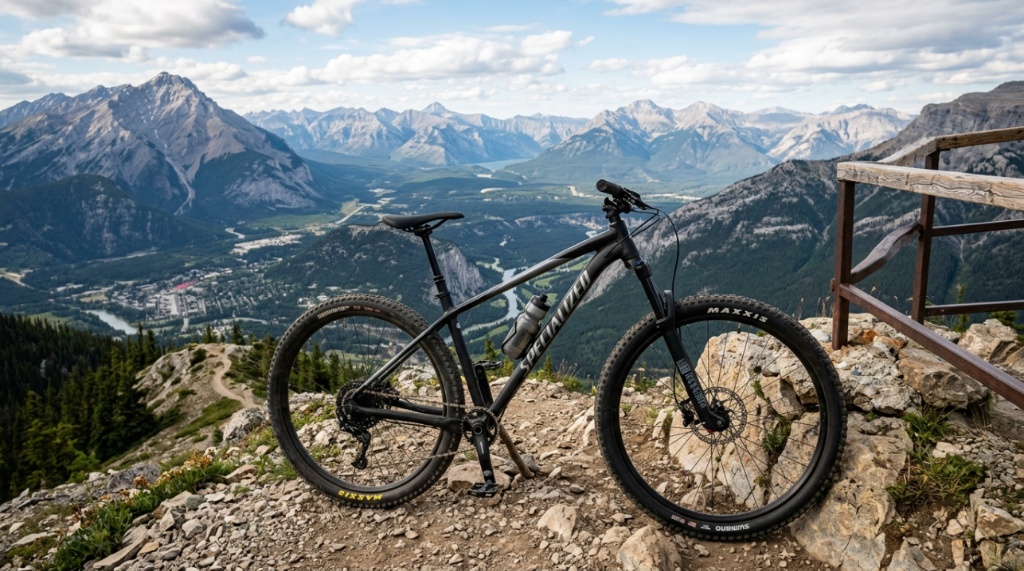
Direct answer: The best budget mountain bike for trail riding is the one that fits correctly and prioritizes hydraulic disc brakes, trail-capable tires, and a reliable drivetrain over flashy features. If you’re choosing a trail mountain bike on a budget, spend on safety and traction first—those are what keep you riding.
Most “budget bike” regret comes from one moment on a trail: you squeeze the brakes and they feel weak, the front tire washes on a turn, or the bike feels unstable on small bumps. That’s when the cheap spec decisions show up. The good news: you can avoid that without overspending. This guide is structured like the questions people actually ask—so you can decide quickly and confidently, even if you’re buying online.
What makes a budget mountain bike truly trail-worthy?
Direct answer: Trail-worthy budget bikes have dependable braking, traction-focused tires, stable geometry, and parts that can be serviced or upgraded without proprietary headaches.
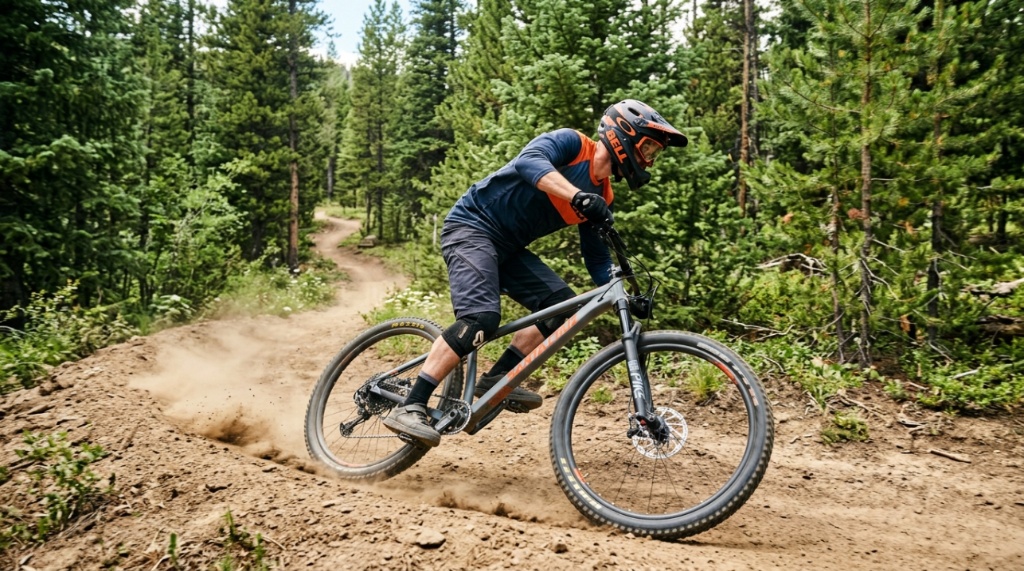
Trail riding demands control more than speed. A bike can be inexpensive and still trail-capable if it covers the fundamentals:
- Brakes you trust: Consistent stopping power on descents
- Tires that grip: Adequate width and tread for your soil
- Fit and stability: Correct size and predictable handling
- Durability: Wheels that stay true, drivetrain that shifts reliably
People also ask: Can a cheap mountain bike handle real trails?
Direct answer: Yes, if it’s sized correctly and has strong brakes and trail tires; many cheap bikes fail because they cut corners on those exact items.
How do you pick the right category: XC hardtail, trail hardtail, or full-suspension?
Direct answer: Most budget trail riders should choose a trail-leaning hardtail; full-suspension is usually better after your budget is high enough for quality rear suspension.
At the same price, a hardtail usually delivers better brakes, wheels, and drivetrain than an entry-level full-suspension. Those matter every ride.
- XC hardtail: Great if your trails are smooth and you climb a lot.
- Trail hardtail: Best all-around for mixed trail conditions.
- Full-suspension: Worth it when trails are consistently rough and long descents cause fatigue—assuming the suspension design is quality.
What should you prioritize first on a best budget mountain bike shortlist?
Direct answer: Prioritize fit, brakes, tires, and drivetrain reliability—in that order.
These four choices determine safety, comfort, and long-term cost.
1) Fit: How do you know the bike is the right size?
Direct answer: The right size gives you comfortable standover, relaxed reach, and room to move when standing on trails.
- Check the brand’s size chart for your height/inseam.
- On a test ride, you should be able to stand and hinge at the hips without feeling stretched.
- If between sizes, many trail beginners prefer sizing down for confidence.
2) Brakes: Which brakes are best on a budget trail mountain bike?
Direct answer: Hydraulic disc brakes are the best budget choice for trail riding because they provide stronger, more consistent control with less hand fatigue.
If a budget bike uses mechanical discs, ensure the levers feel firm and stopping power is adequate. Weak braking is not a “later upgrade” if you’re riding trails—treat it as non-negotiable.
3) Tires: What tire features matter most for trail riding?
Direct answer: Tire width and tread pattern matched to your dirt matter more than brand name; correct pressure is the fastest performance upgrade.
Trail tires should support cornering grip (side knobs) and predictable braking traction. Many stock budget tires are fine, but some are hard rubber compounds that slip on roots and loose corners.
4) Drivetrain: Is 1x better for budget trail bikes?
Direct answer: Usually yes—1x drivetrains are simpler, quieter, and less prone to chain issues off-road.
What matters is usable climbing range. If you live in steep terrain, a wide-range cassette is more important than a high top speed gear.
People also ask: What’s the best upgrade for a budget trail bike?
Direct answer: Tires (and dialing tire pressure) are usually the best first upgrade for grip, comfort, and confidence.
What suspension should a budget trail mountain bike have?
Direct answer: A serviceable front suspension fork that moves smoothly and can be tuned to your weight is ideal; extra travel is less important than good performance.
In budget ranges, forks vary widely. Look for:
- Smooth compression without grinding or sticking
- No oil leaking around seals
- Adjustability that matches your needs (at least preload; ideally rebound/air pressure)
People also ask: Is an air fork necessary on a budget bike?
Direct answer: Not required, but an air fork can feel better and be easier to tune for rider weight; a good coil fork can still work for light trail use.
How do you spot “bad value” on budget mountain bikes?
Direct answer: Bad value shows up as weak brakes, heavy/harsh suspension, poor tire quality, and proprietary parts that are costly to replace.
- Cheap full-suspension frames with low-quality shocks
- Unbranded components with no service support
- Wheels that go out of true quickly
- Drivetrains that skip under load on climbs
How do you compare budget trail bikes quickly?
Direct answer: Use a simple comparison grid: brakes, tire readiness, drivetrain simplicity, fork quality, and upgrade path.
| Feature | Best budget target | Why it matters on trails |
|---|---|---|
| Brakes | Hydraulic discs | Safer control on descents, less fatigue |
| Tires | Trail tread with side knobs | Cornering grip and predictable braking |
| Drivetrain | 1x with wide-range cassette | Simpler shifting, fewer chain issues |
| Fork | Serviceable, smooth travel | Traction and comfort over bumps |
| Fit | Correct size + stable geometry | Confidence and control in technical sections |
Want to sanity-check common budget specs (like wheel sizes and drivetrain setups) before you buy? This best budget mountain bike review-style breakdown is useful for understanding what tradeoffs show up at lower price points.
Should you buy a budget trail mountain bike new or used this year?
Direct answer: Buy used if you can verify condition and fit; buy new if you want warranty support and predictable maintenance costs.
Used value can be excellent, but worn drivetrains and neglected forks can add immediate costs. If you buy used, inspect brakes, drivetrain wear, wheel trueness, and bearing play. If you buy new, factor in the cost of initial setup and a tune-up after a few rides.
Most affordable trail bikes come with cheap plastic pedals that slip easily. For a massive upgrade in stability, check out our guide to the Best BMX Pedals for Maximum Grip and Control This Year, which work phenomenally well on rugged mountain bike trails too.
Conclusion: How do you choose the best budget mountain bike for trail riding this year?
Direct answer: Choose the bike that fits, stops confidently, and grips your local dirt—then upgrade only after you can describe a real performance problem.
Budget trail riding is absolutely doable when you focus on fundamentals. Prioritize hydraulic brakes, trail-ready tires, and a simple drivetrain. Avoid “too much bike” that steals value from safety and reliability. If you share your typical trail type (hardpack, loose, rocky, wet) and your budget range, I can help you narrow to the exact category and spec checklist that fits your area.
FAQ
What is the best budget mountain bike for trail riding?
Direct answer: The best budget trail bike is usually a hardtail with hydraulic disc brakes, trail tires, and a reliable drivetrain in the correct size.
How much should I spend on a budget trail mountain bike?
Direct answer: Spend enough to get safe brakes and a proper fit; then reserve money for helmet, basic tools, and initial tuning.
Is a 1x drivetrain necessary on a budget trail bike?
Direct answer: Not necessary, but it’s usually the simplest and most trail-friendly setup for beginners and intermediate riders.
Can I upgrade a budget mountain bike over time?
Direct answer: Yes—start with tires and brake pads, then consider a dropper post and fork only if your riding demands it.
What wheel size is best on a budget trail bike?
Direct answer: Choose the wheel size that fits your height and handling preference; both can work well with good tires and fit.
What’s the biggest red flag when buying a cheap mountain bike?
Direct answer: Weak brakes and poor fit are the biggest red flags because they impact safety and comfort immediately.
Should I buy a full-suspension bike on a budget?
Direct answer: Usually no—budget full-suspension bikes often compromise key components; a hardtail typically offers better trail value.