If you are new to cycling, start with safety, visibility, comfort, and basic repair gear. The right accessories include a properly fitted helmet, front and rear lights, a lock, repair kit, pump, and suitable storage. In the United States, more than 1,000 bicyclists die in traffic crashes during many recent years. Additionally, bicycle crashes send hundreds of thousands of riders to emergency departments annually, making practical safety gear worth prioritizing.
Start With Your Actual Riding Needs
Before buying accessories, think about where, when, and how you will ride. A commuter needs different equipment from someone riding recreational trails on weekends.
Your riding environment should determine your first purchases. Consider these factors:
- Riding location: Streets, bike paths, trails, neighborhoods, or mixed routes
- Riding frequency: Occasional trips, weekly rides, or daily commuting
- Distance: Short errands, moderate rides, or long-distance cycling
- Weather: Dry conditions, rain, heat, cold, or changing seasons
- Storage: Backpack, panniers, saddle bag, or handlebar bag
- Safety concerns: Traffic, low visibility, theft, and mechanical problems
Once you understand these needs, avoid buying accessories simply because experienced cyclists use them. Beginners usually benefit more from a small, useful setup than an expensive collection.
Build Your Beginner Bike Accessory System
Think of your accessories as a system rather than separate purchases. Every item should solve a specific problem during your ride.
A useful beginner setup usually includes:
- Helmet
- Front and rear bike lights
- Reflective equipment
- Bike lock
- Portable pump
- Spare tube or tubeless repair supplies
- Tire levers
- Multitool
- Water bottle and cage
- Small storage bag
- Basic first aid supplies
- Phone mount when genuinely useful
You do not need everything immediately. Start with safety and reliability equipment, then add comfort accessories as your riding habits develop.
Put Helmet Fit Above Style
A helmet remains one of the most important accessories for a beginner. However, buying a helmet only because it looks attractive can create a poor safety decision.
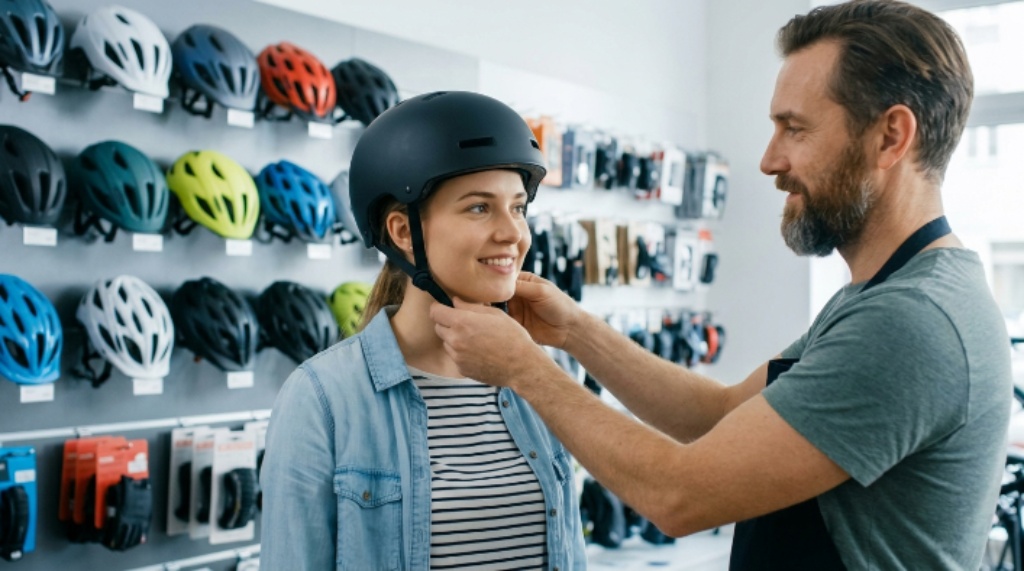
Look for a properly certified bicycle helmet that fits your head securely. The helmet should sit level, remain stable, and feel comfortable without excessive pressure.
Check These Helmet Fit Points
A useful helmet fit test takes less than a minute:
- Position the helmet level across your forehead.
- Keep the front edge above your eyebrows.
- Adjust the side straps around your ears.
- Tighten the chin strap without making it painful.
- Shake your head gently to test movement.
- Replace a helmet after a serious impact.
Your helmet should stay in position when you move naturally. If it slides backward or rocks excessively, adjust it before riding.
Make Yourself Visible
Visibility accessories matter even when you rarely ride after dark. Drivers and pedestrians need enough time to notice your position and movement.
Use a white or amber light toward the front and a red light toward the rear. Choose rechargeable lights when you ride often because they reduce battery replacement and encourage regular use.
Match Lights To Your Routes
Urban riding usually benefits from lights that help others notice you. Dark roads require stronger forward lighting that helps you see the riding surface.
Consider these situations:
- Daytime commuting: Daytime visible front and rear lights
- Evening streets: Front and rear lights with strong visibility
- Dark roads: Brighter front light with a suitable beam
- Bike paths: Moderate lighting with attention to other riders
- Rainy conditions: Water resistant lights with secure mounting
Reflective elements provide another visibility layer. Add reflective ankle bands, clothing details, or reflective accessories when riding around traffic.
Choose A Lock Based On Your Parking Habits
A lock protects your bicycle when you leave it unattended. However, the best lock depends on where you park and how long you leave your bike.
For short stops in relatively controlled areas, a compact lock may provide enough convenience. For longer parking periods, use a stronger lock that makes unauthorized removal harder.
Think About Locking Technique
A strong lock cannot protect a bicycle if you attach it incorrectly. Secure the frame and wheel to a fixed, legitimate bike rack whenever possible.
Also check the rack before locking your bicycle. Avoid damaged, loose, or temporary objects that thieves could easily remove.
Carry A Pump And Flat Repair Gear
Flat tires remain one of the most common mechanical problems beginners encounter. Therefore, every regular rider should carry basic inflation and repair equipment.
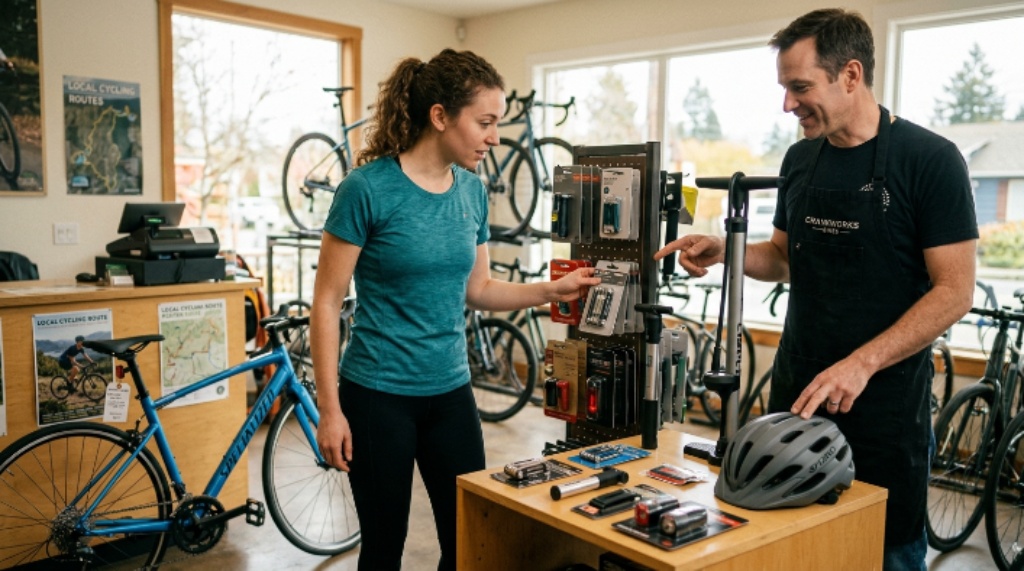
A portable pump gives you an immediate way to restore tire pressure. Tire levers help remove the tire from the rim, while a spare tube can provide a faster roadside solution.
Your Basic Repair Kit
Keep these items together:
- Compact bicycle pump
- Tire levers
- Correct spare inner tube
- Multitool
- Patch kit
- Small disposable gloves
- Tubeless plugs if your tires require them
Learn how your repair kit works before your first long ride. Practicing at home feels much easier than learning beside a roadside.

Pick The Right Multitool
A bicycle multitool can solve several common adjustment problems without filling your bag. Beginners should focus on useful functions rather than maximum tool count.
Look for common hex sizes, a Phillips screwdriver, and other tools matching your bicycle components. Some models also include a chain tool, which can help experienced riders handle chain problems.
However, more features do not automatically mean better value. A compact tool that you understand can serve you better than an advanced tool you never use.
Keep Water Within Easy Reach
Hydration becomes increasingly important as riding distance and temperature increase. A bottle cage keeps water accessible without forcing you to stop repeatedly.
For most beginners, one bottle provides enough capacity for shorter rides. Longer rides may require additional bottles or a larger hydration system.
Choose a cage that holds your bottle firmly without making removal difficult. Test the bottle before riding because loose cages can eject bottles over bumps.
Add Storage Without Overloading Your Bike
Storage accessories should carry essentials without making the bicycle unnecessarily heavy. A small saddle bag often works well for basic repair supplies.
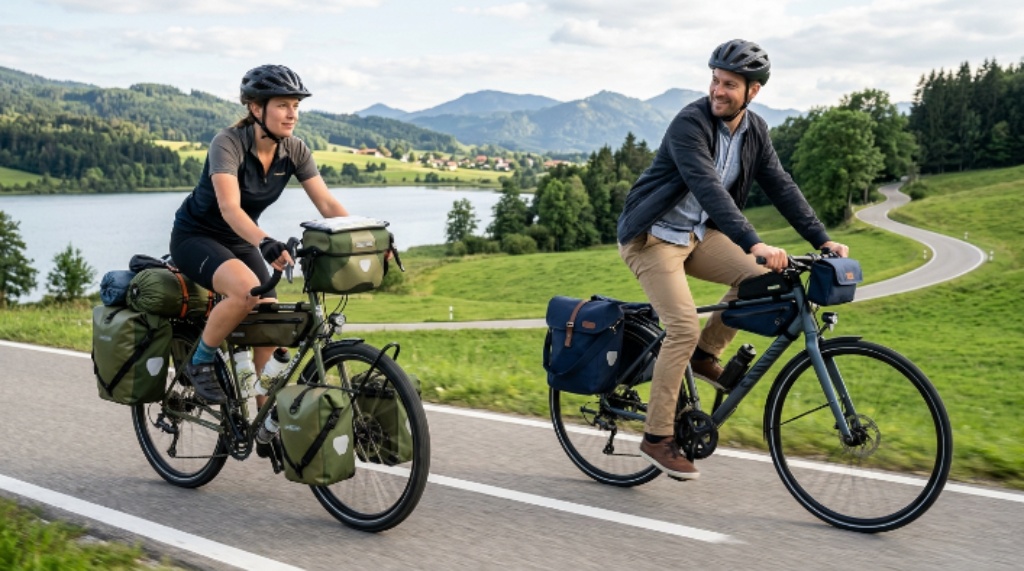
Handlebar bags provide convenient access to snacks, phones, and small personal items. Panniers become more useful when commuting requires clothing, groceries, or larger belongings.
Match Storage To Your Routine
Use a simple approach:
- Short rides: Small saddle bag
- Casual commuting: Compact handlebar bag
- Longer rides: Larger saddle bag or frame bag
- Regular commuting: Panniers or larger carrying systems
- Minimal setup: Bottle cage plus small repair pouch
Avoid hanging heavy objects loosely from handlebars. Uneven weight can affect steering and make handling less predictable.
Consider A Phone Mount Carefully
A phone mount can help with navigation, route tracking, or emergency access. However, it can also encourage riders to focus on screens instead of traffic.
Choose a secure mount that fits your phone and protects against unexpected movement. Position it where you can glance briefly without changing your riding posture.
Never type messages or interact with your phone while riding. Stop somewhere safe whenever you need extended screen use.
Add Comfort Accessories After The Basics
Comfort matters, but beginners often buy comfort accessories before addressing safety and reliability. Reverse that order to spend money more effectively.
Cycling gloves can reduce hand pressure and improve grip. Sunglasses can protect your eyes from wind, dust, insects, and bright sunlight.
Padded cycling shorts may help during longer rides. However, beginners do not necessarily need specialized clothing for short recreational trips.
Use Fenders If Weather Requires Them
Fenders become particularly useful when you ride after rain or through wet streets. They reduce water and road spray reaching your clothing and bicycle.
Full coverage fenders provide stronger protection for regular wet weather riding. Smaller options can work when you want lighter equipment and easier installation.
Check your bicycle’s frame clearance before purchasing fenders. Some bikes have limited space around the tires, brakes, or frame.
Think About Tire Compatibility
Accessories should match your bicycle rather than simply match a recommendation online. Tire size, valve type, wheel design, and mounting points can affect compatibility.
Check your tire sidewall before buying a spare tube. The valve type also matters because different rims can require different valve designs.
Similarly, confirm your bottle cage mounts, rack mounts, and light mounting options. A few minutes of checking can prevent unnecessary returns.
Avoid Buying Accessories You Rarely Need
Beginners often overspend because cycling equipment looks exciting. More gear can also create extra weight, maintenance, and clutter.
Before buying anything, ask three questions:
- What problem does this item solve?
- How often will I use it?
- Can another accessory already solve that problem?
If you cannot answer those questions clearly, postpone the purchase. Your riding experience will reveal what you actually need.
Build Your Gear In The Right Order
A smart purchasing order keeps your initial budget focused. It also prevents comfort accessories from replacing essential safety equipment.
First Priority: Safety
Buy these items first:
- Certified helmet
- Front light
- Rear light
- Reflective accessory
- Suitable bike lock
These accessories address the most important risks surrounding everyday cycling.
Second Priority: Reliability
Next, prepare for basic mechanical problems:
- Portable pump
- Spare tube
- Tire levers
- Multitool
- Patch kit
- Small storage bag
This setup can turn a minor mechanical issue into a manageable roadside repair.
Third Priority: Comfort
Finally, consider:
- Cycling gloves
- Sunglasses
- Water bottle
- Fenders
- Phone mount
- Padded cycling clothing
Choose these based on actual riding conditions rather than assumptions about what cyclists should own.
Set A Realistic Beginner Budget
You do not need premium accessories to create a reliable setup. Spend more on items where fit, durability, or safety directly affects performance.
Helmet fit deserves priority over decorative features. Lights should provide dependable visibility, while your lock should match your parking environment.
For repair tools, prioritize compatibility and usability. A modest kit that fits your bicycle can outperform an expensive kit containing unnecessary tools.
Test Every Accessory Before A Long Ride
Never make your first equipment test during a long-distance ride. Small installation problems become much harder to solve when you are far from home.
Take a short local ride after installing new accessories. Check whether lights stay attached, bottles remain secure, bags avoid your wheels, and locks work smoothly.
Also listen for rattling or movement. If something shifts repeatedly, fix the mounting problem before extending your route.
Create A Simple Pre Ride Check
A short inspection can prevent many avoidable problems. You do not need advanced mechanical knowledge to perform a useful check.
Before riding, check:
- Tire pressure
- Brake operation
- Chain condition
- Wheel security
- Helmet fit
- Light operation
- Bag attachment
- Water supply
Then confirm that nothing hangs near the wheels or moving drivetrain. This simple routine takes little time but builds excellent riding habits.
Know When To Upgrade Your Accessories
Your first accessory setup should change as your riding changes. New equipment becomes worthwhile when your existing gear creates a real limitation.
For example, longer rides may justify better storage and additional hydration. Frequent commuting may justify stronger lights, panniers, weather protection, and a more secure lock.
Likewise, regular trail riding may require different repair tools and equipment. Upgrade according to experience rather than pressure from cycling trends.
The Best Beginner Setup Is Simple
A beginner does not need a garage full of cycling accessories. The strongest starting setup combines safety, visibility, basic repairs, hydration, and practical storage.
Start with a properly fitted helmet, dependable lights, a suitable lock, and flat repair equipment. Then add comfort and convenience accessories as your riding routine reveals genuine needs.
Frequently Asked Questions
What bike accessories should beginners buy first?
Beginners should start with a helmet, front and rear lights, lock, pump, spare tube, tire levers, multitool, and water bottle.
Do beginners need expensive cycling accessories?
No, beginners need reliable and compatible equipment rather than expensive accessories with features they rarely use.
Is a bike helmet really necessary?
Yes, a properly fitted helmet provides an important layer of protection during everyday cycling and unexpected falls.
What should I carry on every bike ride?
Carry basic repair tools, inflation equipment, identification, a charged phone, water, and any essentials your route requires.
How do I know which accessories fit my bike?
Check your bicycle’s tire specifications, mounting points, component sizes, and manufacturer compatibility information before purchasing accessories.
Conclusion
Choosing bike accessories becomes easier when you solve real riding problems first. Prioritize protection, visibility, security, repairs, hydration, and storage before spending on optional upgrades.
Start with a small setup and test every item during short rides. As your distance, route, and riding frequency increase, add equipment that supports those specific needs.
Most importantly, ride with gear that you understand and trust. Build your setup around your actual habits, and every accessory will earn its place on your bicycle.