
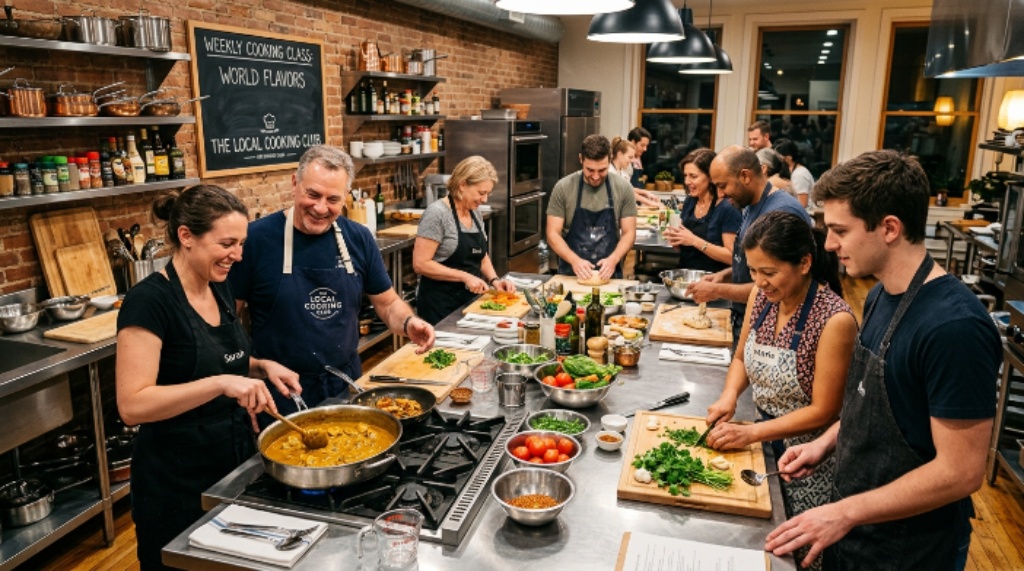
Finding the right cooking club changed how I learned recipes, improved kitchen confidence, and met people with similar interests. Many community programs report strong participation because hands on cooking builds practical skills and encourages healthier eating habits. Research also shows that most children completing structured culinary programs enjoy the experience and improve cooking confidence. Therefore, choosing the right club matters more than joining the closest option.
Why Joining a Cooking Club Makes Sense
Cooking clubs offer far more than recipe practice. Members learn planning, food safety, teamwork, and creative thinking through regular kitchen activities.
Many clubs welcome beginners without previous cooking experience. Others focus on advanced techniques for experienced home cooks.
Furthermore, cooking together creates accountability. Members often stay motivated because each session introduces fresh challenges and new ingredients.
Another advantage involves social interaction. Shared cooking experiences naturally build friendships through collaboration and enjoyable conversations.
I Started With My Personal Goals
Before searching, I decided exactly what I wanted from a cooking club. Clear goals helped me ignore programs that matched someone else’s interests.
My checklist included practical expectations.
- Learn everyday cooking skills
- Improve baking techniques
- Discover healthier recipes
- Build meal planning habits
- Meet people with similar interests
Having clear priorities made every comparison much easier.
I Searched Within My Local Area
Local options usually provide better attendance consistency. Short travel times also reduce missed sessions during busy weeks.
I searched community centers, recreation facilities, culinary schools, libraries, and neighborhood organizations. Each location offered different learning experiences.
Additionally, I checked seasonal programs because many cooking clubs operate in spring, summer, and autumn sessions.
I Compared Club Types Carefully
Every cooking club serves different audiences. Understanding each format prevented disappointment later.
Community Cooking Clubs
These clubs usually welcome all experience levels. Sessions often focus on practical meals and friendly learning.
Culinary School Workshops
Professional instructors frequently teach structured lessons. These programs suit members seeking technical cooking knowledge.
Family Cooking Clubs
Parents and children prepare recipes together. These clubs strengthen family communication while teaching valuable life skills.
Specialty Cooking Groups
Some clubs focus entirely on baking, international cuisine, grilling, vegetarian meals, or healthy cooking.
I Evaluated the Instructor
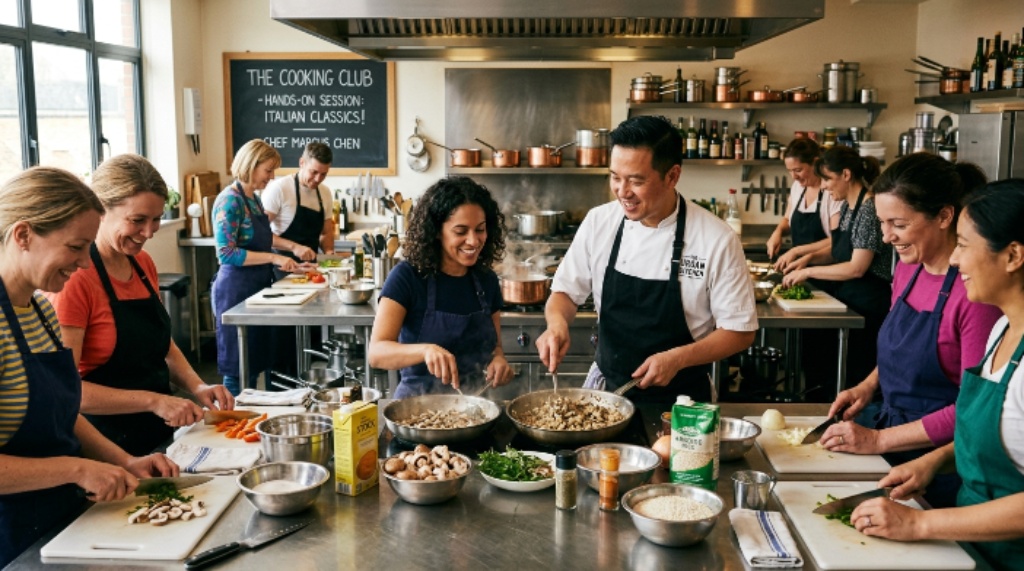
A skilled instructor influences every class. Great teachers simplify difficult techniques without overwhelming beginners.
I looked for instructors demonstrating patience, organization, and clear communication. Practical experience also increased my confidence.
Moreover, enthusiastic teachers created welcoming environments where mistakes became valuable learning opportunities.
I Reviewed the Weekly Curriculum
A detailed curriculum reveals whether a cooking club delivers real value.
I preferred clubs covering several important topics.
- Knife safety
- Food preparation
- Ingredient selection
- Cooking temperatures
- Baking basics
- Nutrition awareness
- Kitchen organization
- Meal presentation
Balanced lesson plans usually indicate thoughtful program development.
I Looked at Class Size
Small classes provide more individual attention. Members receive quicker feedback while practicing cooking techniques.
Large groups may reduce personal instruction. However, they sometimes create stronger social experiences and wider networking opportunities.
Therefore, I selected a club balancing interaction with practical hands on learning.
I Considered Equipment Quality
Good kitchens improve learning significantly. Proper equipment allows everyone to practice confidently and safely.
I checked whether clubs supplied utensils, cookware, measuring tools, and protective equipment during sessions.
Clean, organized kitchens also reflected professional management.
I Asked About Ingredients
Fresh ingredients improve every cooking lesson. High quality produce creates better tasting meals while introducing proper food handling practices.
Some clubs include ingredients within membership fees. Others require members to bring selected items.
Knowing these expectations prevented unexpected expenses later.
I Compared Membership Costs
Price never became my only decision factor. Instead, I evaluated the value received for every session.
I compared several important details.
- Session length
- Number of classes
- Included ingredients
- Equipment availability
- Instructor qualifications
- Extra learning materials
Sometimes slightly higher fees delivered significantly better learning experiences.
I Checked the Schedule
Convenient scheduling supports long term participation. Even excellent clubs lose value when members frequently miss classes.
Evening sessions worked best for my routine. Weekend options also offered greater flexibility during busy weeks.
Therefore, I selected consistent weekly meeting times.
I Read Member Feedback Carefully
Reviews often reveal details unavailable through advertisements. Previous members usually describe teaching quality, organization, and overall atmosphere.
I focused on repeated themes rather than isolated opinions. Consistent praise generally indicated reliable experiences.
Likewise, repeated complaints deserved careful consideration before registering.
I Visited Before Joining
Whenever possible, I observed a class before making my decision.
Watching members interact revealed the club’s culture immediately. Friendly conversations often reflected supportive learning environments.
Additionally, observing instructors demonstrated teaching style more accurately than promotional descriptions.
I Asked Important Questions
Speaking directly with organizers clarified many practical details.
Helpful questions included the following.
- What experience level fits this club?
- How many members attend each class?
- Are ingredients included?
- What should participants bring?
- Can beginners join immediately?
- Are makeup sessions available?
Clear answers showed organized management.
I Chose a Club That Encouraged Practice
The best clubs encourage learning beyond scheduled meetings.
Some instructors assign simple recipes between sessions. Others provide cooking challenges for additional practice.
Consequently, members continue improving after every weekly class.
I Looked for Skill Progression
Good cooking clubs build knowledge step by step. Beginners gradually develop confidence before attempting advanced techniques.
Structured progression prevents frustration while maintaining steady improvement.
Each completed lesson creates a stronger foundation for future cooking skills.
I Valued Safety Standards
Kitchen safety deserves serious attention in every cooking environment.
I checked whether instructors emphasized proper knife handling, food storage, sanitation, and safe cooking temperatures.
Strong safety practices create confident cooks while reducing unnecessary risks.

I Appreciated a Positive Learning Environment
Supportive classmates make learning enjoyable. Encouragement often increases confidence more than perfect recipes.
Mistakes become valuable lessons instead of embarrassing moments. That mindset keeps members motivated throughout the program.
Positive energy also encourages creativity during every cooking session.
Signs I Found the Right Cooking Club
Several indicators confirmed I made the right choice.
- I looked forward to every session.
- My kitchen confidence improved weekly.
- Cooking became faster and more enjoyable.
- I tried unfamiliar ingredients confidently.
- Family members enjoyed my meals more.
- New friendships developed naturally.
These improvements extended far beyond cooking skills.
Common Mistakes to Avoid
Many beginners join the first available cooking club. Unfortunately, rushed decisions often create disappointing experiences.
Avoid these common mistakes.
- Ignoring instructor experience
- Choosing only by price
- Skipping member reviews
- Overlooking class schedules
- Ignoring travel distance
- Expecting instant mastery
Careful planning increases long term satisfaction.
Final Thoughts
Finding the best cooking club near me required patience, research, and clear priorities. However, the effort rewarded me with practical cooking skills, greater confidence, and meaningful social connections. Start by defining your goals, compare several local options, and visit whenever possible. Then join the club matching your learning style and enjoy every opportunity to grow inside the kitchen.
FAQs
How do I find the best cooking club near me?
Search local community centers, culinary schools, recreation programs, and neighborhood organizations before comparing their offerings.
Are cooking clubs suitable for beginners?
Yes, many cooking clubs welcome complete beginners and teach essential skills gradually.
What should I bring to my first cooking club?
Bring comfortable clothing, closed toe shoes, and any requested supplies from the instructor.
How often do cooking clubs meet?
Most cooking clubs meet once each week, although schedules vary by organization.
Are cooking clubs worth joining?
Yes, cooking clubs improve practical skills, confidence, healthy habits, and social connections through regular hands on learning.