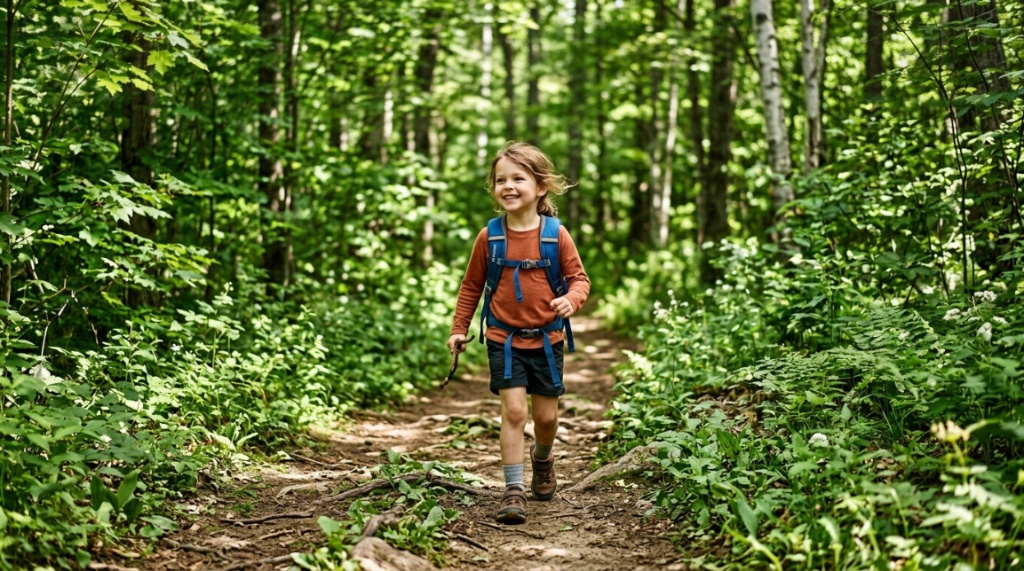
Planning a family trip across Michigan presents a unique challenge: keeping your child’s essentials organized, comfortable, and accessible. Whether you’re heading to the sandy shores of Lake Michigan, hiking the trails of the Upper Peninsula, or taking a road trip to Mackinac Island, the right gear makes all the difference. The problem is that children’s backpacks often fall into two categories: cheap, poorly constructed options that fall apart, or oversized hiking packs that overwhelm a small frame. This guide breaks down exactly how to choose a durable, comfortable, and practical kids travel backpack Michigan that your child will actually want to wear.
Key Takeaways
- Prioritize fit over size: A pack should sit above the hips and shoulders, with adjustable sternum straps to distribute weight safely.
- Match capacity to age: Younger children need 10-15 liters, while older kids can handle 20-30 liters for longer excursions.
- Look for water resistance: Michigan’s unpredictable weather and lake activities require fabrics that can handle moisture without adding heavy weight.
- Consider organizational layout: Multiple compartments help kids find items independently, reducing frustration for parents on busy travel days.
- Think about local durability needs: Zippers, seams, and materials must withstand sand, forest trails, and temperature swings specific to the region.
Why Local Conditions in Michigan Require Specific Features
Michigan is not just another state; it’s a land of distinct microclimates and terrains. A backpack suitable for suburban Detroit or Grand Rapids may not survive a weekend in the Porcupine Mountains or a day at Sleeping Bear Dunes. The state’s geography—bordered by four of the five Great Lakes—creates high humidity, sudden wind shifts, and sandy environments that can destroy poorly sealed zippers or cheap fabrics.
Parents often overlook the fact that children run, jump, and drop their bags constantly. In Michigan, that bag is likely to land in a puddle, on sandy beach soil, or against a rocky trail surface. Therefore, the construction quality of the stitching and the type of zippers used are not minor details—they are the primary factors determining whether the bag lasts until the end of summer or fails by Memorial Day. Furthermore, the weight of the empty bag matters significantly; a bag that weighs three pounds empty leaves less room for the actual travel essentials you need to pack.
Identifying the Correct Backpack Size and Fit
Before considering brand or color, focus on the child’s torso length and hip placement. Children’s spines are still developing, and a poorly fitting pack can cause back pain or discourage them from carrying their own items. The top of the backpack should sit level with the top of the child’s shoulders, and the bottom should rest no lower than the child’s waistline.
Understanding Liter Capacity for Different Ages
Capacity is measured in liters, and choosing the right range prevents either an empty, floppy bag or a stuffed, bulging one. A child who is 4–6 years old generally needs about 10–15 liters for a change of clothes, a snack, and a small toy. Elementary-aged children (7–10 years) can handle 15–25 liters, which accommodates a school–style day pack or a day trip to the beach. Teenagers or older kids heading on a multi-day campout require 25–35 liters to include a sleeping bag and extra layers.
Remember that the listed liter capacity is the total volume; you don’t want the bag packed to the brim. Machine washability is another factor often missed by parents. Considering how frequently kids drop packs in sand at locations like Grand Haven State Park, a bag with a removable washable lining is a massive convenience.
Critical Features for Structural Support
Once you’ve narrowed the size, examine the support system—this is where cheap bags fail. Look for a padded back panel with breathable mesh channels. In Michigan’s summer humidity, a foam slab that traps heat will make the child miserable within twenty minutes.
The harness system is equally critical. A curved, ergonomic shoulder strap prevents the pack from sliding side to side. Additionally, a sternum strap is non-negotiable. This clip–style strap, located across the chest, transfers weight from the shoulders to the torso, improving posture and comfort. Many parents mistakenly purchase a bag without this feature and wonder why the child complains, “It’s too heavy!” when the bag weighs less than two kilograms. A hip belt is less critical for very young children but essential for older kids carrying dense items like water bottles or camping gear.
The Impact of Weight Distribution on Posture
Children in Michigan participate in outdoor activities year-round—snowshoeing in the winter and hiking in the summer. A bag that distributes weight evenly prevents them from leaning forward. You can test this at home: fill the potential bag with a towel and a book, then observe how the child stands. If they lean forward to compensate for the weight, the harness is failing to distribute the load correctly.
Also, consider load-lifter straps on higher–end models. These small straps at the top of the shoulder harness pull the pack closer to the body. While not essential for toddlers, they provide significant comfort for older children walking the 2.5-mile stretch to the Mackinac Bridge viewpoint.
Durability Requirements for Michigan’s Variable Weather
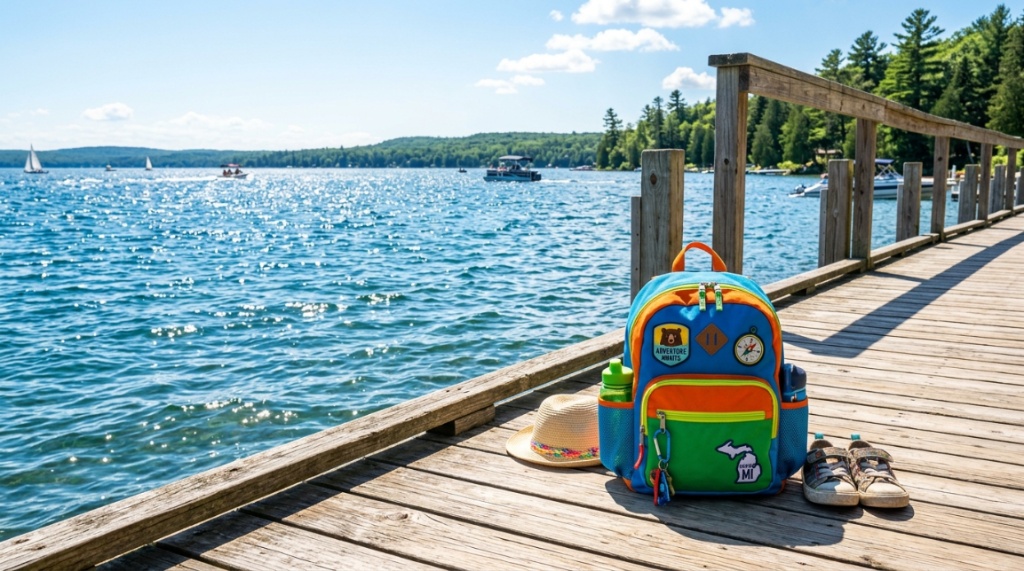
The weather in Michigan is notoriously unpredictable—sunny and 70 degrees in the morning can turn into a 40-degree rainstorm by afternoon. Your child’s backpack needs to protect its contents from this variability. This means the fabric must be coated or treated to resist water penetration.
Look for materials like ripstop nylon or high-denier polyester, which offer both abrasion resistance and low water absorption. Avoid canvas or cotton-blend materials; they absorb water and become incredibly heavy once wet. Furthermore, check if the pack features a rain cover stored in a small pocket at the bottom of the bag. While the anchor text suggests a specific solution for the region, this feature is crucial for the lakeshore’s sudden squalls.
Zipper and Seam Quality: The Weakest Links
In coastal environments, salt and sand can corrode metal zippers and grind into the teeth of plastic ones. Choose packs with YKK zippers or another high-quality brand known for self-lubricating polymers. Seams should be taped or sealed internally to prevent water from seeping through the stitching lines—this is a mark of a premium pack that generic brands often lack.
Additionally, pay attention to the attachment points for straps. A common failure point is where the sternum strap attaches to the shoulder harness. A reinforced bartack stitch (a dense zigzag stitch) is a sign of good craftsmanship. If the bag has a daisy chain or gear loops, ensure they are stitched securely to the main body rather than just glued,Planning a family getaway beyond the local trails? Check out these recommendations for the Safest Places to Travel During Summer.
Organizational Features That Help Kids Stay Independent
One of the main benefits of giving a child a travel backpack is teaching them responsibility. However, a single large compartment makes it impossible for them to find anything. Choose a bag with a variety of pockets and compartments that serve explicit purposes.
A labeled inside pocket for underwear or socks is handy for keeping soiled clothes separate. Webbed side pockets are excellent for water bottles, but only if they have a cinch closure at the top—otherwise, the bottle falls out when the child bends over to tie their shoes. For camping trips in the state parks, a front junk pocket that is expandable and made of stretch mesh is perfect for storing a jacket or a shell you grab on and off.
Visibility and Safety in Crowded Tourist Spots
Locations like the Detroit Zoo or the Michigan’s Adventure amusement park can get crowded. Consider a backpack with a reflective print or a bright, high-visibility color (like orange or neon yellow). While some kids might prefer a dark navy or black, these colors make it easy to lose sight of a small child in a sea of adults. A bright bag is a simple visibility hack that costs nothing extra but offers peace of mind.
Another overlooked safety feature is the lack of a waist belt. If you are in a large crowd, a properly fitted waist belt prevents a pickpocket from quickly lifting the bag off the child’s shoulders. This is a real-world consideration for families visiting Chicago and Milwaukee—which are frequent weekend trips for Michigan residents—or even busy Detroit events.
Practical Considerations for Camping and School Combo Use
Many parents want a bag that serves double duty: it works for a weekend camping trip and also fits as a school bag. This is a smart way to maximize investment, but there are trade-offs. Hiking–specific backpacks often have a bucket–style opening (like a stuff sack) that is great for stuffing clothes, but terrible for organizing school supplies.
If you need a dual-purpose bag, prioritize a panel-loading design—this opens like a suitcase, allowing the entire main compartment to be exposed. This zipper style is heavier than a top loader, but it simplifies packing for both camping cubbies and school desks.
Managing Weight Limits and Excessive Gear
It is vital to teach children that they cannot pack their entire wardrobe. A well-fitted bag is useless if it’s overloaded. A general rule of thumb is that a child should carry no more than 10–15% of their body weight. For an 80-pound ten-year-old, that’s a maximum of 8–12 pounds.
Consider the weight of the pack itself. Many premium camping packs for adults weigh 4-5 pounds empty; that’s too much for a small child. Look for specific “kids” models that typically weigh less than 2.5 pounds. If you are driving between destinations, you can always leave the heavy items in the car and only carry the daily necessities in the child’s back.
How to Test the Backpack Before Buying
You can’t always buy online and expect perfection. If possible, visit a local outfitter like REI, Moosejaw, or a local co-op in Ann Arbor or Traverse City. Have the child try on the bag with some weight in it.
First, loosen all straps and put the bag on. Then, tighten the hip belt (if present) first, then the shoulder straps, and finally the sternum strap/clip. The pack should feel like it’s part of the child’s body—it should not bounce when they walk on a treadmill or hop.
Ask the child to raise their arms above their head. The shoulder straps should not dig into their armpits. Also, ensure there is no gap between the child’s back and the pack’s frame; a sagging bag indicates that the shoulder straps are tightened too much and the hip belt is too loose. A proper fit will allow the child to turn their head side to side without the bag hitting the back of their head.
Frequently Asked Questions
What is the ideal weight for an empty kids travel backpack?
The empty backpack should ideally weigh between 1.5 and 2.5 pounds. Anything heavier reduces the carrying capacity for actual supplies and will tire the child out quickly on a long walk.
Can a toddler use a hiking backpack for travel?
Yes, but it is better to use a kid-specific frame pack designed for that age. These have special internal harnesses to keep the toddler safe and tall. Standard travel backpacks lack the necessary head and neck support for a napping toddler.
How do I clean a kids backpack after a sandy beach trip?
Shake out the loose sand, then unzip all pockets and use a handheld vacuum to remove grit from the crevices of the zippers. Use a damp cloth with mild soap to scrub the exterior. Do not put the bag in a washing machine unless the manufacturer specifically lists it as machine-washable.
Is a water-resistant backpack enough for Michigan winter, or do I need a waterproof one?
For snow and light rain, water-resistant is sufficient. However, if you are sledding or spending time near open water, a waterproof roll-top design is better. To keep gear dry in heavy downpours, a packable rain cover is the most effective solution for any pack.
Are expensive top-brand kids backpacks worth the price?
In most cases, yes. Brands like Osprey or Deuter offer lifetime warranties and superior materials. They also provide better adjustments for growing bodies. If you camp more than twice a year, the higher upfront cost pays off in longevity and performance. Cheap grocery-store backpacks often fail within one season.
Conclusion
Selecting the perfect kids travel backpack for Michigan adventures requires more than picking the coolest cartoon character. You must analyze the fit, capacity, weather resistance, and organizational layout to ensure the pack is safe and practical for the region’s diverse conditions. From the cool breezes of the Upper Peninsula to the sunny beaches of the Lower Peninsula, the right backpack will serve as a reliable companion for exploration. Use this guide as a checklist, prioritize high-quality zippers and comfortable harnesses, and involve your child in the selection process having their buy-in ensures they’ll happily carry their load on your next family adventure.