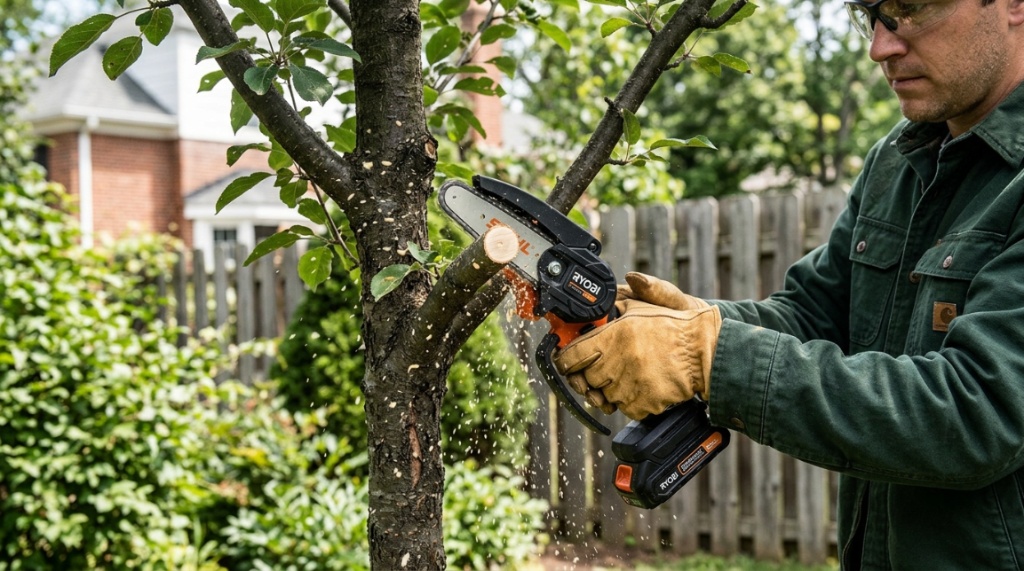
You have a backyard tree with a few troublesome branches, a stack of scrap lumber, or a pile of firewood that needs splitting down to size. Dragging out a full-size gas chainsaw feels like overkill, and wrestling with extension cords is just plain frustrating. You need something compact, quiet, and ready to go in seconds. That is exactly where a 6-inch cordless chainsaw earns its place in your garage or shed. It is a purpose-built tool for light trimming, pruning, and DIY cutting tasks—not a replacement for a professional felling saw. This guide breaks down what actually matters when choosing the best 6-inch cordless chainsaw, helping you match the tool to your real-world needs without overspending or undershooting your expectations.
Key Takeaways
- A 6-inch chainsaw suits light pruning, limbing, and small DIY cuts—not felling trees or bucking large logs.
- Battery system and runtime genuinely matter more than peak motor power for intermittent small jobs.
- Bar length determines cut capacity; a 6-inch bar typically maxes out around 5 inches of wood thickness.
- Manual oiling systems are common and acceptable at this size, but automatic chains offer an easier experience.
- Weight and one-handed ergonomics separate a genuinely useful tool from a tiring novelty.
Why Choose a 6-Inch Cordless Chainsaw Over Other Sizes?
Size matters more than you might think. A 6-inch bar puts this tool into a unique category: essentially a powered pruning saw that fits comfortably in one hand. It is not designed to compete with 10-inch or 12-inch models. It is designed to excel at a specific set of tasks where larger saws are clumsy and manual tools are slow.
The defining advantage is accessibility. You can climb a ladder with one hand holding the saw and the other gripping the rail. can reach into tight crotches between branches that a longer bar simply cannot navigate. can make precise cuts on ornamental trees without damaging surrounding growth. For homeowners, gardeners, and RV owners, this precision is the primary selling point.
Another critical advantage is safety. A smaller bar means less kickback risk, less torque reaction, and less cutting force if you make a mistake. It is an approachable tool for beginners who need occasional cutting capability without the intimidation factor of a large chainsaw.
Where a 6-Inch Saw Excels
Think of these tasks:
- Trimming small branches (under 4–5 inches thick)
- Pruning shrubs and overgrown bushes
- Cutting PVC pipe, lumber scraps, or pallets
- Campfire wood preparation
- Clearing brush and saplings on trails
- Emergency storm cleanup on small limbs
These are quick, frequent, low-stakes cuts. The 6-inch form factor makes them fast and effortless compared to hand pruners or a manual saw.
Limitations to Understand Before Buying
Be honest about its limitations. A 6-inch bar cannot handle a 6-inch diameter log. The usable cutting depth is limited by both the bar length and the saw’s motor power. In practice, you should expect to cut through wood that is roughly 4 to 5 inches in diameter. Attempting anything larger will stall the motor, bind the bar, or require cutting from multiple angles—at which point a larger saw becomes the better tool.
Additionally, these saws are not built for extended continuous use. They are intermittent tools with short duty cycles. Expect to make a series of cuts, pause, and allow the motor to cool. Battery life typically ranges from 20 to 40 minutes of actual cutting, depending on load and battery capacity.
What to Look for in a Quality 6-Inch Model
Not all 6-inch chainsaws are created equal. The market includes everything from well-engineered tools to cheap novelties that struggle to cut through a single branch. Knowing what separates a useful tool from a frustration waiting to happen will guide your purchase, Need to tidy up your workspace after tackling yard projects? Check out our top picks for the Best Vacuum Cleaners Under $200 to keep your home spotless.
Battery Voltage and Capacity
Most 6-inch saws run on 4V, 8V, or 20V battery platforms. The voltage determines the torque headroom, while the capacity (amp-hours) decides runtime. A 4V saw is adequate for very light twig trimming but will stall easily on denser wood. An 8V system offers more headroom for general pruning. A 20V model delivers the most robust cutting performance but adds weight and bulk, somewhat defeating the compact purpose.
The battery platform matters as much as the saw itself. If you already own tools from a specific brand—Milwaukee, DeWalt, Ryobi, WORX—buying a bare tool from that system lets you share batteries and saves money. If this is your first cordless tool, consider the overall ecosystem you want to build.
Chain Speed and Automatic Oiling
Chain speed, measured in feet per second, influences cut quality and efficiency. Faster chain speeds cut more cleanly but drain batteries quicker. Look for a balance suited to your tasks.
Chain lubrication is non-negotiable. A dry chain generates friction, produces excessive heat, dulls quickly, and can damage the bar. Some budget models require manual oiling before each use. That is workable if you remember to do it, but automatic oilers that dispense lubricant continuously are far more convenient and help ensure consistent performance.
Tool-Free Chain Tensioning
Chains stretch during use and require periodic adjustment. A tensioning system that does not require tools—usually a dial or knob on the side—makes maintenance quick and easy. This feature is worth seeking out. The chain stays properly tensioned, which prolongs bar and chain life while improving cutting performance.
Weight, Balance, and Grip
Since this is a one-handed tool, weight distribution directly impacts usability. A saw that feels nose-heavy will fatigue your wrist quickly. Look for a model with a rear handle design that places the battery pack as a counterbalance. An ergonomic grip with a rubberized coating provides comfort and control, particularly during overhead cuts.
Build Quality and Materials
Inspect the bar and chain quality. A low-quality chain dulls quickly and may not stay sharp. Look for hardened steel cutters and a durable guide bar. The housing should feel solid, not flimsy. Lower-priced models often use thinner plastic housings that crack if dropped. A quality unit feels substantial without being heavy.
Brand Reputation and Support
Choose established brands with proven track records in outdoor power equipment. Blink, Greenworks, Worx, Makita, and Skil all produce 6-inch saws with varying feature sets. A well-known brand offers replacement parts, customer service, and warranty support. Off-brand options might save money upfront but can leave you stranded if parts break.
How to Use a 6-Inch Cordless Chainsaw Safely

Compact does not mean harmless. A chainsaw, regardless of size, demands respect and proper technique. Following these safety practices will help you avoid injuries and get cleaner cuts.
Safety Gear and Pre-Use Checks
Always wear eye protection—sawdust and debris fly at high speed. Gloves protect against vibration and minor cuts. Hearing protection is less critical with electric saws, but still wise for extended use. Boots with toe protection are sensible, especially if you are cutting near the ground.
Before starting, inspect the chain tension and sharpness. A dull or loose chain is dangerous. Ensure the bar and chain are properly lubricated. Confirm the battery is securely seated. Check that the chain brake operates correctly.
Proper Cutting Technique
Use both hands whenever possible, even if the saw is designed for one hand. Two hands provide maximum control and reduce the risk of the saw kicking back. Position yourself firmly with feet shoulder-width apart. Let the saw do the work—do not force it into the cut. Apply steady, even pressure and allow the chain speed to pull the saw through the wood.
Start cutting with the saw’s bottom section of the bar, which gives you better control. Support the workpiece to avoid the cut binding. If the branch is long, make a relief cut on the underside before your final cut to prevent the wood from splitting and pinching the bar. Working with gravity rather than fighting it makes each cut safer.
Maintaining Your Saw
After each use, clean sawdust and debris from the bar groove and sprocket area. Check and adjust the chain tension—chains stretch as they heat up during use. Keep the chain sharp. A sharp chain produces fine, consistent wood chips. If you see sawdust instead of chips, the chain needs sharpening.
Store the saw with the chain guard in place. This prevents accidental starts and protects the chain from damage. If you use vegetable-based chain oil, it will break down naturally in the environment, which is an advantage for tree work.
Comparing the Best 6-Inch Cordless Chainsaw Options
The best model for you depends on your specific needs, existing battery ecosystem, and desired performance level. Here is a snapshot of where each type of option fits.
| Model Type | Voltage | Ideal For | Key Consideration |
|---|---|---|---|
| Ultra-Compact Pen-Style | 4V | Twigs, small shrubs | Very light-duty, low runtime |
| General Pruning Saw | 8V | Branches up to 4 inches | Balance of power and portability |
| High-Performance Compact | 20V | Dense cutting tasks | Better runtime, more weight |
| Battery Ecosystem Models | 12V–40V | Matching existing tools | Compatibility with current batteries |
The 8V category generally offers the sweet spot for most homeowners—enough cutting performance for routine pruning without sacrificing the compact form factor. If you are regularly cutting longer cuts or tougher wood, a 20V model will breathe easier and run longer, even if it carries a little extra weight.
If you are just starting your search, a solid option worth investigating is the CEEPUP 6-inch model, which aims to balance affordability with genuine cutting capability for users in Pennsylvania and beyond.
Common Mistakes to Avoid When Buying a Small Chainsaw
Many buyers end up disappointed because they hold unrealistic expectations. The most common mistake is attempting to cut wood that exceeds the saw’s designed capacity. The second biggest mistake is prioritizing price over battery quality. Cheap batteries lose capacity quickly and fail within a season. A saw is only as good as its battery.
Another frequent error involves skipping the oil. Running a chainsaw without chain oil causes overheating and permanent bar damage. If the oil system is manual, verify you are applying oil consistently. Many first-time users overlook chain tension until the chain flies off the bar.
It is also worth mentioning that some buyers fall for the marketing of products that are simply too small for real work. A 4V saw might seem charming in the store, but you will likely exhaust its capabilities quickly. Use realistic expectations regarding motor power and bar length relative to your cutting tasks.
Finally, read the manual when you buy. Unboxing, assembling, and learning the correct way to tension the chain and use the safety features prevents most avoidable issues. Getting familiar with your saw before you need it is a habit that pays off.
Which Battery System Should You Invest In?
Your first cordless chainsaw often opens the door to a broader battery platform. If you intend to buy more cordless tools later, choose a saw that uses a recognized battery system. This strategy saves you money in the long run and reduces clutter in your garage.
Consider how frequently you will use the saw. For occasional light trimming, a single included battery is sufficient. If you will use it for longer sessions, a spare battery keeps the work moving. Many brands sell additional batteries that suit their whole lineup of tools. This flexibility means one battery can power your chainsaw, drill, and leaf blower.
Frequently Asked Questions
Can a 6-inch chainsaw cut firewood?
Yes, for small-diameter branches and split logs. Anything beyond 5 inches thick will require a larger saw. A 6-inch saw is appropriate for cutting kindling and smaller campfire wood, not for bucking full logs.
How thick a branch can a 6-inch chainsaw cut?
Expect to comfortably cut branches up to 4–5 inches in diameter. The actual bar length does not equal cutting depth. The bar’s effective cutting capacity is usually about one inch less than the total bar length. Attempting thicker cuts risks stalling or damaging the motor.
Are 6-inch chainsaws good for pruning trees?
Yes, they are excellent for pruning small branches and shaping ornamental trees. Their compact size allows access to tight spaces. It is important to avoid using them for overhead limbs thicker than 5 inches, where a standard chainsaw is better.
How do you sharpen a 6-inch chainsaw chain?
Use a 4mm or 5/32-inch round file and follow the existing cutter angles. File each cutter with a consistent number of strokes to maintain uniformity. Alternatively, take the chain to a local hardware store for professional sharpening if you lack confidence.
Can you get replacement chains for a 6-inch chainsaw?
Replacement chains are widely available. Consult your saw’s manual for the specific pitch, gauge, and link count. Ordering the correct size ensures compatibility with your bar and sprocket. Avoid mixing pitches between different chain types.
Is a 6-inch chainsaw good for beginners?
Yes, largely due to its compact bar length, low kickback potential, and lightweight design. The reduced cutting force and lighter weight make mistakes less consequential. Still, the same safety rules apply to all chainsaws.
Conclusion
Choosing the best 6-inch cordless chainsaw comes down to matching the tool’s capacity to your actual cutting needs. For pruning branches, trimming shrubs, and handling light DIY cutting, this compact tool is a convenient and safe investment. The key is to focus on voltage, battery system, chain quality, and ergonomics rather than chasing raw power. Understanding the tool’s limitations—especially around wood thickness and runtime—will set you up for success without frustration. If your tasks are genuinely small, a 6-inch saw is a smart addition to your collection.