You want sun protection without the sunburn on your wallet. The problem is that the market is flooded with cheap, low-quality rash guards that fade, pill, or stretch out after a single wash. You are looking for budget rash guards affordable swimwear that actually lasts, and the real challenge is separating genuine value from marketing fluff. This guide is your shortcut. We will walk you through the exact features that matter, the red flags to avoid, and the smart shopping strategies that ensure every dollar you spend delivers real protection and durability. You will learn how to get the performance of a premium rash guard for a fraction of the price.
What Exactly Is a Budget Rash Guard?
A budget rash guard is a sun-protective, quick-drying top designed for water sports that costs significantly less than premium brand options, typically between $15 and $40. They are made from synthetic materials like polyester and spandex, and they offer the same UPF 50+ protection as expensive versions, but with fewer frills and simpler construction. The key is that “budget” does not automatically mean “low quality.” Many affordable options now use recycled polyester and flatlock seams, matching the durability of mid-range competitors. You are essentially paying for the core fabric and fit, not for brand marketing or fancy packaging.
What Is the Difference Between a Budget and a Premium Rash Guard?
The main differences are in seam construction, fabric feel, and longevity. Premium rash guards often use welded seams and titanium-dyed fabrics that resist chlorine and saltwater longer. Budget versions typically use flatlock or overlock stitching and standard dye processes. However, a well-chosen budget rash guard can still last one to two seasons with proper care, making it an excellent entry point for beginners or occasional swimmers.
Why Do Some Cheap Rash Guards Fall Apart So Quickly?
Cheap rash guards fail because manufacturers cut corners on three critical factors: fabric quality, seam strength, and UV stabilizers. Many sub-$15 options use thin polyester that lacks elastane, causing the fabric to sag and lose shape. They also use standard stitching instead of flatlock seams, which chafe and unravel under tension. Additionally, low-cost fabrics often lack UV-resistant coatings, meaning the garment degrades faster in sunlight. The result is a rash guard that looks faded and stretched after just a few uses, forcing you to buy another one, which ultimately wastes more money.
The Hidden Cost of Buying the Cheapest Option
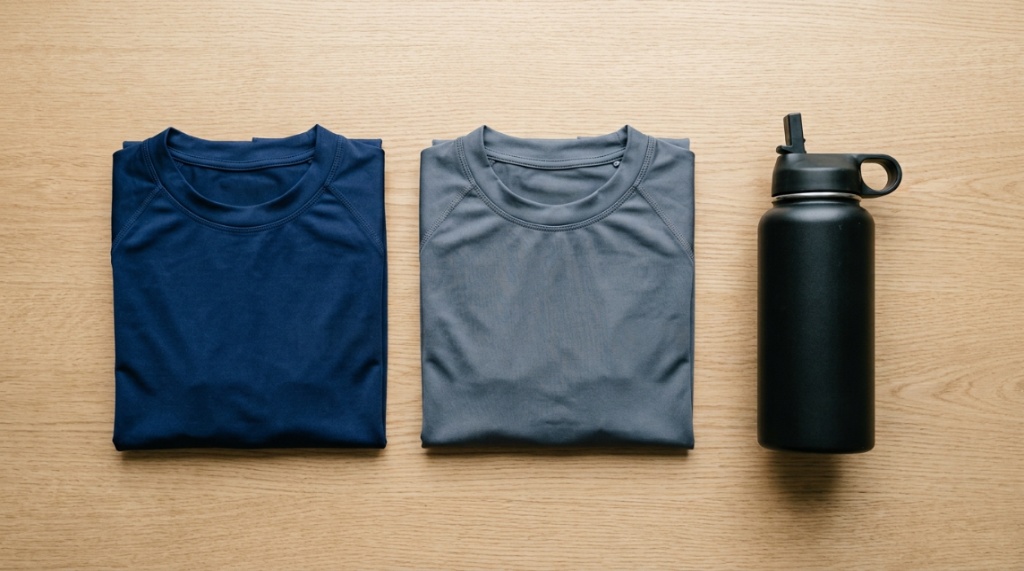
Consider this: a $10 rash guard that lasts three wears costs you $3.33 per wear. A $30 budget rash guard that lasts 30 wears costs you $1.00 per wear. The “cheap” option is actually three times more expensive in the long run. Smart shoppers always calculate the cost-per-wear instead of just the sticker price.
How to Identify a High-Quality Budget Rash Guard
Look for four specific markers: 20% or higher elastane content, flatlock seams, UPF 50+ labeling, and reinforced stitching at stress points. Turn the garment inside out and check the care label. A good budget rash guard will have a fabric composition of 80% polyester and 20% spandex or elastane. This blend provides the necessary compression and shape retention. Next, run your hand along the inside seams. Flatlock seams are smooth and sit flat against the skin, preventing chafing. Finally, budget rash guards affordable swimwear that meet these criteria will perform nearly identically to high-end options for casual surfing, paddleboarding, or beach days.
Check the UPF Rating Before You Buy
UPF 50+ means the fabric blocks 98% of UV rays. Any rash guard without a clear UPF label is a gamble. Some budget brands print “UV protection” but do not certify it. Look for a tag that explicitly states “UPF 50+” and preferably includes a testing standard like ASTM or AS/NZS. This is non-negotiable for sun safety.
Which Materials Should You Look for in Affordable Swim Tops?
For budget swim tops, the best materials are nylon-spandex blends and recycled polyester-spandex blends. Nylon is softer, more flexible, and resists fading better than standard polyester. Recycled polyester (often labeled REPREVE or Econyl) is a sustainable choice that offers similar durability. Both materials dry quickly, resist chlorine and saltwater, and maintain their shape. Avoid 100% polyester options under $20—they often feel stiff and are prone to pilling.
| Material | Pros | Cons | Best For |
|---|---|---|---|
| Nylon-Spandex | Soft, flexible, fade-resistant | Can snag on rough surfaces | Surfing, paddleboarding |
| Recycled Polyester-Spandex | Eco-friendly, durable, quick-drying | Slightly less stretchy than nylon | Swimming, beach lounging |
| Standard Polyester | Very cheap, lightweight | Pills easily, loses shape | Occasional use only |
For long-term value, prioritize nylon-spandex or recycled polyester-spandex blends. These are the “sweet spot” for budget buyers who want performance without the price tag.
Can You Find a Good Rash Guard for Under $30?
Yes, absolutely. Many reputable brands offer excellent rash guards between $20 and $30. You just need to know where to look. Focus on direct-to-consumer brands, end-of-season sales from major retailers, and outlet stores. Online marketplaces like Amazon also have good options, but you must carefully read reviews and check for the material composition. A $25 rash guard from a brand like Speedo, O’Neill, or Roxy (during sales) often provides UPF 50+, flatlock seams, and 20% elastane. The trick is to avoid the absolute cheapest options from unknown sellers.
Where to Score the Best Deals on Budget Rash Guards
- End-of-season clearance: August and September are prime months for markdowns. Last season’s colors can be 50-70% off.
- Outlet stores: Brand-specific outlets often have last-year’s models for $15-$25.
- Sustainable brands: Companies like Patagonia and REI have “Worn Wear” programs with used rash guards at steep discounts.
- Local surf shops: They often have discount racks or seasonal sales on basic models.
How to Choose the Right Fit Without Trying It On
Measure your chest, waist, and torso length, then compare them to the brand’s size chart. Rash guards are designed to be snug, like a second skin, but not restrictive. A good rule is that you should be able to move your shoulders freely without the hem riding up. If you are between sizes, size up for a looser fit (better for lounging) or size down for maximum compression (better for active water sports). Check reviews for specific fit notes—some brands run small, others run large.
The “Bend and Reach” Test
Once you receive the rash guard, perform this simple test: put it on, bend over to touch your toes, and then raise both arms straight above your head. If the fabric pulls uncomfortably at the shoulders or the hem lifts significantly, the fit is wrong. A properly fitted rash guard should feel secure without pinching or sagging.
When Should You Replace a Budget Rash Guard?
Replace a budget rash guard when you notice any of these signs: permanent stretching at the neckline, thinning fabric that lets light through, visible pilling on the surface, or failed seams. Typically, a budget rash guard lasts 30 to 60 wears if cared for properly. For someone who surfs twice a week during summer, that is roughly one full season. When you see the first signs of fabric degradation, start looking for a replacement. Riding a worn-out rash guard is a waste of money because it no longer provides effective sun protection.
How to Extend the Life of Your Budget Rash Guard
- Rinse immediately in cold freshwater after each use. Chlorine and salt crystals grind fabric fibers down.
- Hand wash only with mild soap. Machine washing accelerates wear.
- Never wring it out. Squeeze excess water gently, then lay flat to dry away from direct sunlight.
- Avoid heat. Heat breaks down elastane. Do not iron or use a dryer.
Is UPF 50+ Really Necessary for Budget Swimwear?
Yes, it is absolutely necessary. UPF 50+ provides the highest level of sun protection available for clothing, blocking 98% of UVB and UVA rays. This is especially important for budget swimwear because thinner fabrics used in affordable options actually let in more light, making the UPF rating even more critical. Without certified UPF 50+, you might as well be wearing a regular cotton t-shirt, which offers only about UPF 5-8 when wet. Paying for UPF 50+ is not an upsell—it is a baseline safety feature.
What Are the Best Brands for Affordable Swimwear?
Several brands consistently deliver quality at budget prices. For women, look at Roxy’s basic long-sleeve tops, Speedo’s sun protective swimwear, and O’Neill’s women’s line. For men, consider Quiksilver’s basic rash guards, Baleaf’s UPF tops, and Coolibar (which offers certified UV protection, though slightly pricier). A notable mention is Baleaf, which frequently offers UPF 50+ tops for under $25 with flatlock seams and 20% spandex. Online, search for “best value rash guard” and focus on products with over 1,000 reviews and a 4.2+ star rating.
How to Shop Smartly on Amazon and Other Marketplaces
Sort by “Average Customer Review” and filter for the “Climate Pledge Friendly” tag to find sustainable options. Ignore promotional images and focus on customer photos—these show real-world wear, fading, and fit. Read the “critical reviews” section first. Look for people who mention the fabric after three months of use. Also, check the “frequently returned” metric if available. A high return rate is a major red flag for poor quality or inaccurate sizing.
One Critical Red Flag on Online Listings
If a product description says “UV protection” but does not specify a UPF number, it is likely a marketing trick. Always scroll to the product specifications section and look for the exact “UPF 50+” text. If it is absent, assume the protection is minimal.
Frequently Asked Questions
Can I wear a budget rash guard for surfing?
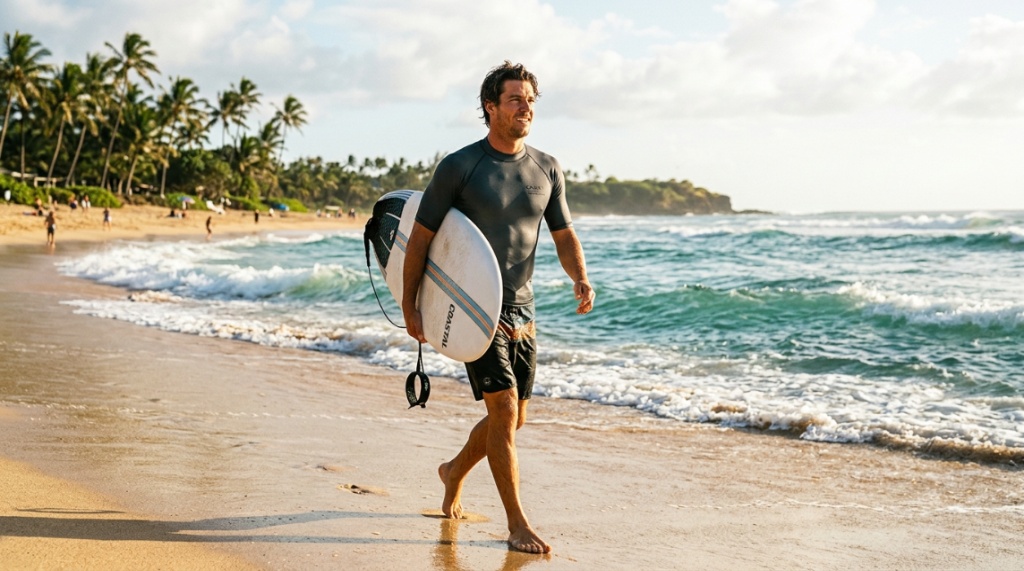
Yes, absolutely. A quality budget rash guard with UPF 50+, flatlock seams, and at least 20% spandex provides excellent protection for surfing. It will protect you from sunburn and chafing from the board. Just ensure it fits snugly to prevent it from riding up during paddling.
How do I wash a rash guard to make it last longer?
Rinse it in cold freshwater immediately after use. Hand wash with a mild, non-detergent soap like Nikwax Base Wash or a gentle baby shampoo. Never use bleach, fabric softener, or hot water. Lay it flat to dry in the shade. This routine can double the life of any rash guard.
Are men’s and women’s budget rash guards different?
Yes, they are typically cut differently. Women’s rash guards have a narrower shoulder width, more tapered waist, and often longer torso length. Men’s versions have broader shoulders and a straighter cut. You can wear either, but the fit will not be optimal. Always follow the brand’s specific size chart for the gender the garment is designed for.
Is a rash guard the same as a UV shirt?
Yes, the terms are often used interchangeably. A rash guard is specifically designed for water sports, with a snug fit and fabric that resists pulling or tearing. A UV shirt is a broader term that can include looser-fitting tops. For active water use, a rash guard is superior because of its close fit and seam construction.
How often should I replace a budget rash guard?
Replace it after 30 to 60 wears, or when you notice the fabric becoming thin, stretched out, or visibly pilled. If you can see light through the fabric when held up, it is time for a new one. The sun protection drops rapidly once the fabric starts to degrade.
Can I wear a rash guard for swimming laps in a pool?
Yes, but be aware that pool chlorine is harsh on elastane. Look for a “chlorine-resistant” label on the tag. Budget rash guards without this label will degrade faster in a chlorinated pool compared to saltwater or freshwater. Rinse immediately after pool use.
What is the best color for a sun-protective rash guard?
Darker colors generally offer slightly better UPF protection than lighter ones, but the difference is minimal (around 1-2% more UV block) when the fabric is rated UPF 50+. Bright colors like orange, yellow, and red are better for visibility in the water. Choose based on your style preference.
When gearing up for high-impact board sports, proper skate safety gear helps men skate with confidence, and choosing the right protective clothing like a durable rash guard is just as essential for preventing painful track burns and scrapes
Conclusion
Finding the best budget rash guard is not about luck—it is about knowing exactly what to look for. Focus on materials with at least 20% spandex, certified UPF 50+ labeling, and flatlock seams. Avoid the cheapest options solely based on price, and instead calculate cost-per-wear to ensure long-term value. By rinsing immediately, washing by hand, and drying in the shade, you can make even a $25 rash guard last for a whole season. Now that you have this knowledge, you are ready to find a durable, protective, and affordable option that will keep you safe in the sun without wasting a penny. Start by checking your favorite brand’s end-of-season sale, or explore the recommended options for budget rash guards affordable swimwear that meet all these criteria.