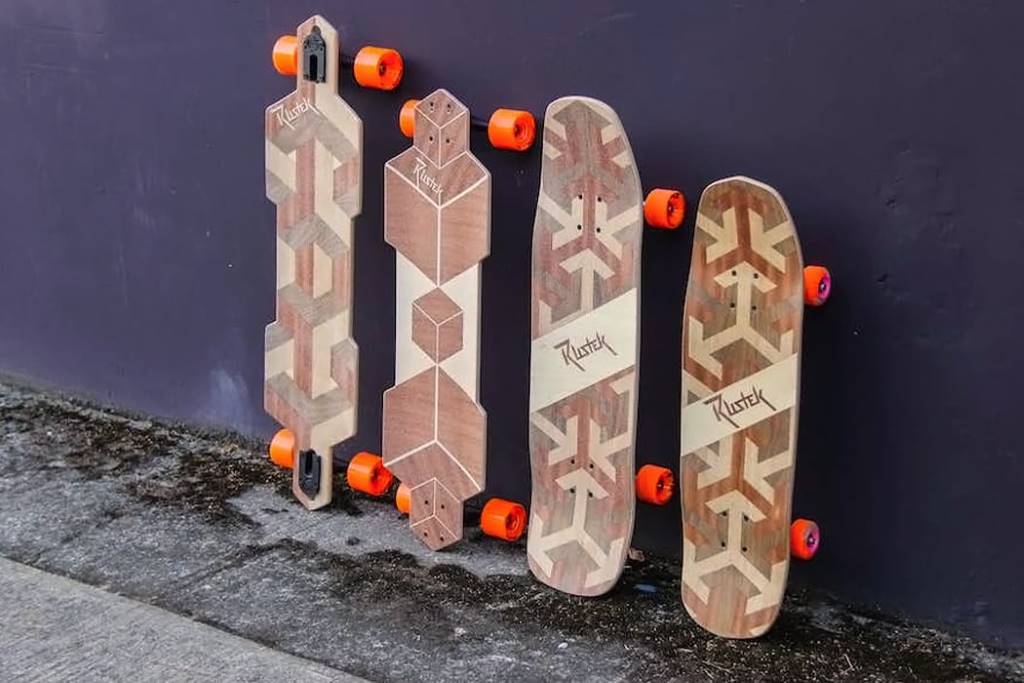
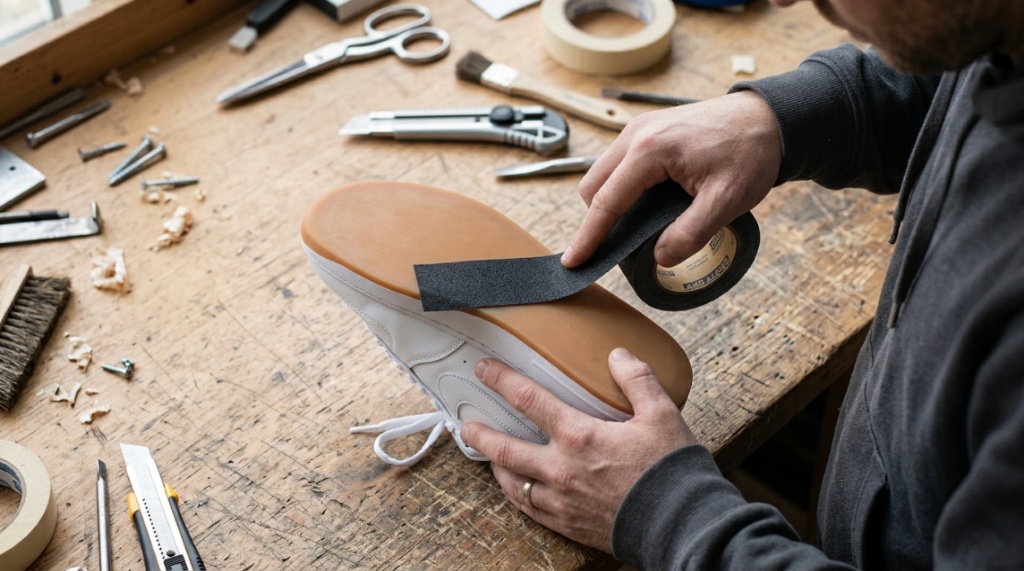
You step onto your board, push off, and immediately feel your foot slip. That sickening slide under your shoe is not just annoying—it’s dangerous. Whether you’re carving down a hill or attempting a kickflip at the local park, lack of traction destroys your confidence and ruins your session. You know you need better grip, but the thought of dropping fifty bucks on premium tape or a new deck stings. The good news? You can achieve instant grip without spending much by using clever hacks, budget-friendly products, and smart application techniques. This guide walks you through every low-cost method to lock your feet in place, keeping you safe and skating harder without draining your wallet.
What Actually Causes Poor Grip on a Skateboard?
Loss of grip usually comes down to three culprits: worn-out grip tape, surface contamination, or a poor-quality initial application. Even brand-new boards can feel slippery if the tape is cheap or the adhesive hasn’t bonded properly. Understanding the root cause saves you from wasting money on fixes that don’t work.
Worn or Clogged Grip Tape
Grip tape is abrasive by design, but over time dirt, moisture, and normal wear smooth out the grit. If your tape looks shiny or feels smooth to the touch, it’s time for a refresh. Cleaning can restore some bite, but heavily worn tape needs replacement.
Contaminants Like Wax, Oil, or Moisture
Skateparks are dusty. Your shoes pick up dirt, and your board sits on pavement that may have oil spots or moisture. Even a thin layer of grime reduces friction dramatically. This is often the cheapest problem to fix, requiring only a quick wipedown.
Low-Quality or Incompatible Tape
Some budget grip tapes use weaker adhesives or less abrasive material. They may peel at the edges or fail to provide sufficient bite, especially if you skate aggressively. Investing in quality budget options is the first step toward instant grip without spending much.
Why Cheap Grip Solutions Actually Work If Done Right
You don’t need premium products to get great traction. Many affordable grip tapes and DIY methods deliver results comparable to high-end brands when applied and maintained correctly. The key lies in technique and timing, not price tag.
Budget Tapes with Strong Adhesion
Brands like Mob, Jessup, and lesser-known alternatives offer tapes under $10 that hold up well. Look for tapes with a generous backing sheet and strong adhesive. Avoid no-name rolls that feel flimsy—they often fail within weeks.
Simple Application Tricks That Double Traction
How you apply tape matters. Applying pressure with a roller or a hard object (like a book) ensures full contact. Using a hairdryer to warm the adhesive during application helps it bond to the deck more firmly, reducing air bubbles that create weak spots.
Why Cleaning Beats Replacing in Many Cases
Before buying new tape, try cleaning your existing grip with a soft brush and mild soap. Often, that restores enough friction to get you through another month. This is the ultimate budget move—zero dollars spent for renewed traction.
How Can You Get Instant Grip Without Spending Much Using Household Items?
You probably have items in your home right now that can improve your skateboard’s grip. These DIY methods cost next to nothing and can be applied in under five minutes. They’re not permanent fixes, but they provide immediate relief when you’re in a pinch.
Sandpaper and Double-Sided Tape Hack
If you have a sheet of medium-grit sandpaper (80–120 grit) and strong double-sided tape, you can create a custom grip patch. Cut a piece to fit your standing area, attach it with the tape, and press firmly. This works especially well for one-footed tricks or cruising.
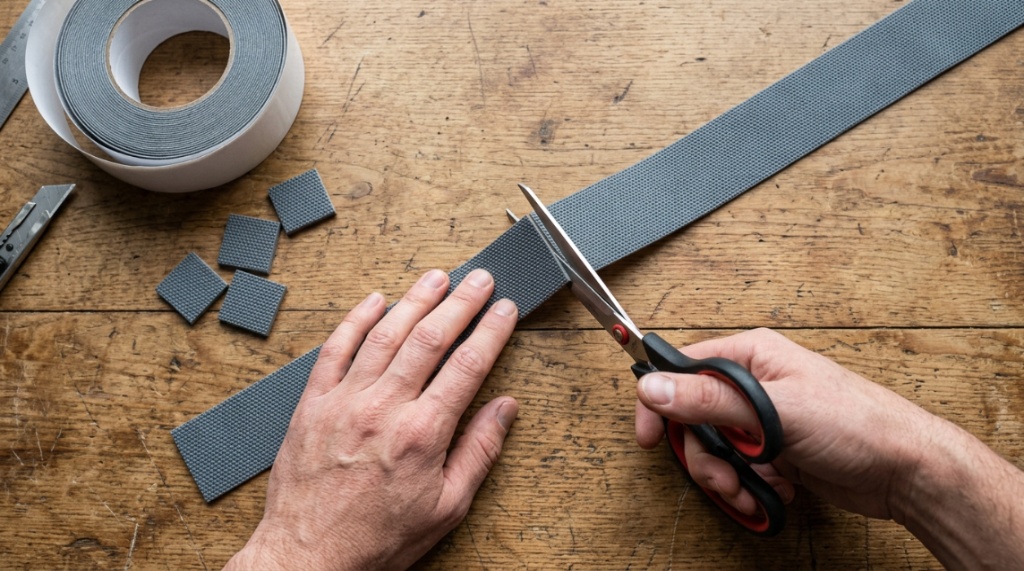
Using Rubber Shelf Liner or Grip Mats
Non-slip shelf liner (the rubbery kind) can be cut to shape and placed on top of your existing grip. It adds a sticky, grippy surface that works great for cruising and commuting. It’s not ideal for advanced tricks due to thickness, but for casual skating, it’s a fantastic cheap solution.
Cleaning with Rubbing Alcohol and a Scrub Brush
Dampen a rag with isopropyl alcohol and gently scrub your grip tape. The alcohol dissolves oils and lifts dirt without damaging the adhesive. Let it dry completely before skating. This restores much of the original bite, giving you instant grip without spending much more than a few cents, Whether you are looking to secure your footing on everyday footwear or stepping onto an Inflatable Paddle Board for Family Fun for a weekend on the water, maintaining proper traction is essential to preventing slips.
Which Affordable Grip Tape Brands Deliver Real Traction?
Not all budget tapes are created equal. Some sacrifice quality for a lower price, while others manage to balance affordability with performance. Here are the best options that actually work.
Mob Grip – The Trusted Standard
Mob grip tape is widely considered the gold standard. It costs around $7–9 per sheet and offers excellent bite and durability. It’s slightly rougher than some premium tapes, which actually helps with grip. It’s a no-brainer for budget-conscious skaters.
Jessup – Smooth Yet Sticky
Jessup is another classic budget option. It’s slightly less abrasive than Mob but still holds shoes well. It’s a good choice if you prefer a less aggressive feel while maintaining solid traction. Jessup sheets are often available in multi-packs for even lower cost per sheet.
Mini-Logo – Consistent and Cheap
Mini-Logo grip tape is surprisingly good for the price (often under $5). It uses quality adhesive and a consistent grit pattern. While it may wear faster than Mob or Jessup, it’s perfect for a quick refresh or for skaters on a tight budget.
Local Skate Shop or Generic Alternatives
Many local skate shops carry generic or store-brand tape that works well. Ask the shop staff which budget option they recommend—they often have insider knowledge on the best value picks. Avoid ordering the absolute cheapest tape online without reading reviews.
How to Apply Grip Tape Perfectly for Maximum Traction
Even the best tape fails if applied poorly. Bubbles, peeling edges, and uneven surfaces all reduce grip. Follow these steps to get a flawless application that maximizes traction from day one.
Step 1: Clean the Deck Surface
Wipe down the top of your deck with isopropyl alcohol to remove dust, oil, and residue. A clean surface allows the adhesive to bond fully.
Step 2: Align and Press Evenly
Peel the backing paper slowly and align the tape over your deck. Start pressing from the center outward to push air bubbles toward the edges. Use a roller or the edge of a book to apply firm, even pressure across the entire surface.
Step 3: Cut Edges Carefully
Score the excess tape along the edge of the deck using a skate tool or a sharp knife. Peel away the waste. For rounded edges, sand the cut perimeter lightly to prevent peeling. A tight, clean edge prevents the tape from lifting.
Step 4: Warm the Adhesive
Use a hairdryer on low heat to warm the tape after application. This softens the adhesive, helping it bond deeper into the wood grain. Let it cool for 15 minutes before skating.
When Should You Replace Your Grip Tape Instead of Fixing It?
Cleaning and DIY fixes work temporarily, but every tape has a lifespan. Knowing when to replace saves you from skating on a dangerous surface. Watch for these clear signs.
Visible Wear and Smooth Spots
If your tape has shiny, smooth patches where the grit is completely worn away, cleaning won’t help. Those areas contribute zero traction. Replace the tape before you take a hard slam.
Peeling Edges That Won’t Stay Down
When edges lift repeatedly despite pressure and heat, the adhesive has failed. This creates a tripping hazard and allows dirt to accumulate underneath. Time for a new sheet.
Deep Stains or Mold
If you skated in wet conditions or left your board in a damp spot, mold or deep staining may have compromised the tape’s structure. In this case, replacement is the only safe option.
Can You Improve Grip Without Changing the Tape at All?
Yes, absolutely. Sometimes the solution doesn’t involve the tape itself but rather your equipment or technique. These adjustments cost nothing and can dramatically improve foot hold.
Upgrade Your Skate Shoes
Shoes with flat, vulcanized rubber soles provide much better grip on any tape. Worn-out sneakers with smooth bottoms will slip regardless of tape quality. Check your shoe tread—if it’s bald, consider replacing them before the tape.
Use a Grip Enhancer Spray or Wax
Some brands sell grip-enhancing sprays (like hairspray alternatives) that temporarily increase friction. Apply a light mist onto your grip tape before a session. This is especially helpful for longboarding or downhill skating where extra bite is critical.
Adjust Your Stance and Foot Placement
Sometimes the issue is technique. Placing your front foot farther forward over the trucks or angling your back foot differently can improve leverage and reduce slipping. Experiment with stance during slow riding to find what works for you.
How to Maintain Your Grip Tape for Long-Lasting Traction
Regular maintenance extends the life of your grip tape significantly. A few minutes of care each week keeps your board feeling fresh without spending a dime on replacements.
Weekly Brush Cleaning
Use a stiff-bristled brush (an old toothbrush works) to sweep out dirt and debris from the tape’s surface. Do this after every session if you skate outdoors. It prevents grit from building up and smoothing the surface.
Alcohol Wipe Every Few Weeks
Dampen a cloth with rubbing alcohol and wipe the tape clean. This removes oils from your shoes and residual moisture. Let it dry completely before your next ride.
Store Your Board Properly
Keep your skateboard in a dry, cool place. Direct sunlight and humidity degrade the adhesive and soften the grit. Avoid leaving it in a car trunk or garage during summer heat.
What About Grip Tape for Different Skate Styles?
Your skating discipline influences what type of grip works best. A one-size-fits-all approach may leave you slipping. Tailor your choice to your style for optimal performance.
Street and Park Skating
Standard medium-grit tape (like Mob or Jessup) works perfectly. You need moderate bite for flip tricks but enough slide for board control. Avoid overly aggressive tape if you do a lot of board slides.
Downhill and Longboarding
You need maximum grip here. Look for coarse-grit tapes or even two sheets covering the entire deck. Some longboarders use grip tape with larger particles for extreme friction. Budget options like Mini-Logo can work but may wear faster.
Cruising and Commuting
For casual riding, the tape matters less. Focus on durability and moisture resistance. Rubber shelf liners or grip mats are excellent cheap alternatives for cruisers who prioritize comfort over trick performance.
When Is the Best Time to Buy Replacement Grip Tape?
Timing your purchase can save you money. Grip tape prices fluctuate, and sales happen regularly. Being strategic about when you buy ensures you always have a spare sheet without paying full price.
End-of-Season Sales
Skate shops often discount grip tape at the end of summer or during off-months. Stock up on sheets then. Prices can drop by 30–50%.
Bulk Purchases
Buying a 3-pack or 5-pack of grip tape cuts the cost per sheet significantly. If you skate frequently and go through tape quickly, this is the most economical approach.
Online Deals and Coupons
Websites like the one linked above offer excellent deals on affordable grip tape. Check for clearance or bundle offers. You can achieve instant grip without spending much by snagging quality tape during these promotions.
Is DIY Grip Tape a Viable Long-Term Solution?
DIY grip solutions like sandpaper, shelf liners, or double-sided tape patches work in a pinch, but they have limitations. They’re excellent for temporary fixes or specific use cases but shouldn’t replace proper grip tape for serious skating.
Pros of DIY Grip Solutions
- Extremely low cost (often free or under $2)
- Quick to apply and remove
- Customizable for specific foot placement
- Works for cruising and commuting
Cons of DIY Grip Solutions
- Less durable than proper grip tape
- May not hold up for flip tricks or heavy sliding
- Can leave residue or damage deck surface
- Thicker options affect board feel
Frequently Asked Questions
How often should I replace my skateboard grip tape?
Replace your grip tape every 2–3 months if you skate regularly, or sooner if you notice shiny spots, peeling edges, or reduced traction. Heavy skaters may need replacement every 4–6 weeks.
Can I use sandpaper as skateboard grip tape?
Yes, coarse sandpaper (80–120 grit) can be used as a temporary grip solution. Attach it with strong double-sided tape or spray adhesive. It works for cruising but wears quickly and may damage your shoes.
Does rain ruin grip tape?
Yes, moisture weakens the adhesive and can cause the tape to peel. It also promotes rust on hardware. If you skate in wet conditions, dry your board thoroughly and consider replacing the tape if it feels loose.
What’s the cheapest way to improve grip on my skateboard?
Cleaning your existing grip tape with rubbing alcohol and a brush is the cheapest effective method. It costs only pennies and often restores most of the original traction. For under $10, replacing with a budget tape is the next best step.
Is expensive grip tape worth the money?
Premium grip tape offers better durability and more consistent grit, but budget options like Mob, Jessup, and Mini-Logo perform nearly as well. For most skaters, the extra cost isn’t justified. Stick with proven affordable brands.
Can I put new grip tape over old grip tape?
It’s not recommended. The old tape may have residues or uneven surfaces that prevent proper bonding. Always remove the old tape completely, clean the deck, and apply fresh tape on a bare surface for best results.
Does shoe type affect grip on the board?
Absolutely. Flat-soled skate shoes with vulcanized rubber provide far better grip than running shoes or sneakers with large tread patterns. Worn-out soles significantly reduce traction regardless of tape quality.
Conclusion
Getting reliable traction on your skateboard doesn’t require spending a fortune on premium gear. From cleaning your existing tape with alcohol to applying a fresh sheet of budget-friendly grip from trusted brands, there are plenty of ways to achieve instant grip without spending much. The key is understanding what causes your board to feel slippery and picking the right low-cost fix for your situation. Whether you clean, DIY, or buy a discounted sheet, the result is the same: a safer, more confident ride. Stop slipping and start skating—apply these tips today and feel the difference on your next push. Your board (and your knees) will thank you.