
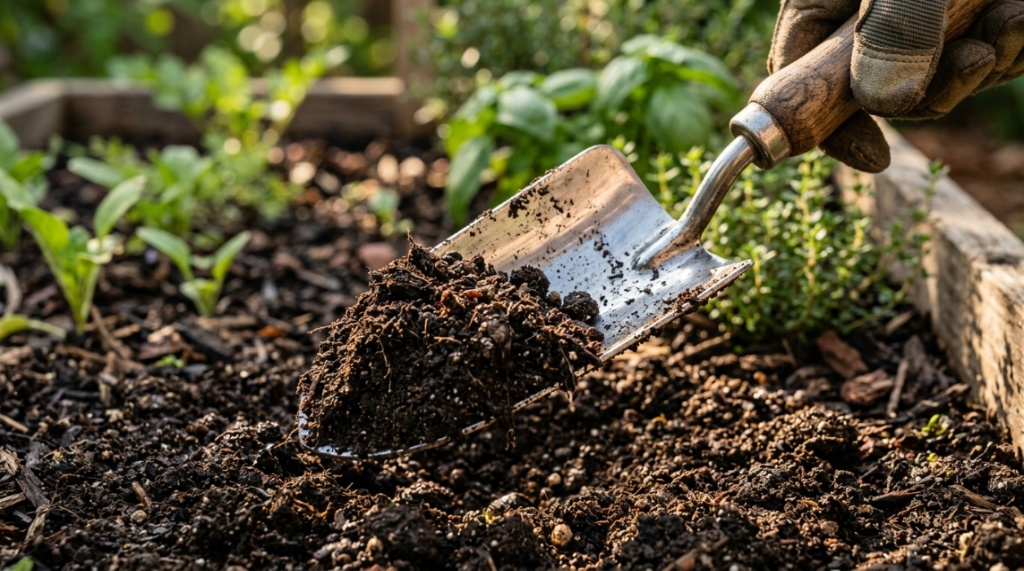
You know the feeling. You step into your garden on a Saturday morning, ready to tackle the overgrown flower beds or that stubborn patch of weeds. But thirty minutes later, you are still struggling with a flimsy trowel that bends like a wet noodle, or a pair of pruners that won’t cut through a stem. The frustration is real. The problem isn’t your gardening skills; it is your equipment. Bad tools waste your time, tire your hands, and turn a relaxing hobby into a chore. The solution is simple: you need the right gardening hand tools small gardening tools designed for efficiency and comfort. This guide will show you exactly what to look for, so you can spend less time fighting your tools and more time enjoying your garden.
What Are the Essential Gardening Hand Tools for Saving Time?
The best time-saving tools are not about gadgets; they are about multifunctional, ergonomic designs that complete tasks in one motion. Focus on a high-quality trowel, a pair of sharp pruners, a durable weeder, and a sturdy hand fork. These four tools handle 90% of daily gardening tasks.
The Core Four Tools Every Gardener Needs
Investing in the right core tools eliminates the need for constant trips back to the shed. A good trowel digs and transplants. Sharp pruners make clean cuts that heal fast, preventing disease. A weeder removes roots cleanly so weeds don’t grow back. A hand fork aerates soil without damaging surrounding plants. Together, these tools streamline your workflow.
Why Multi-Tools Don’t Always Save Time
While a multi-tool seems convenient, it often compromises on ergonomics. A dedicated tool designed for one specific task is usually sharper, stronger, and more comfortable. A cheap multi-tool might break mid-job, costing you more time searching for a replacement. Stick to specialized tools for the most common tasks.
How to Spot a Cheap Tool That Will Waste Your Time
Look for thin, painted metal that chips easily. Check for loose rivets on pruners. If the handle is slippery plastic with no grip, you will lose time struggling to hold it. A tool that feels flimsy in the store will feel worthless in the soil. Always wiggle the joint before buying.
Why Does Tool Material Matter for Time-Saving Efficiency?
Material determines how long a tool stays sharp and how much force you need to apply. Stainless steel resists rust but can bend. High-carbon steel stays sharp longer and is stronger, but requires cleaning. For handles, ash wood or reinforced fiberglass reduces fatigue the most.
Stainless Steel vs. Carbon Steel for Durability
Stainless steel is low-maintenance and resists rust, making it ideal for wet climates. However, it is softer and can dull faster. Carbon steel holds a sharper edge for longer periods, meaning you cut through roots and soil with less effort. The trade-off is that carbon steel rusts if left dirty. Choose carbon steel for pruning tools and stainless for trowels if you tend to leave tools outside.
The Importance of a Solid Grip Handle
A wooden handle absorbs shock and feels warm in your hands. A rubberized grip provides traction when your hands are sweaty or muddy. If the handle is too smooth, you will grip it tighter, leading to hand cramps. Look for an ergonomic curve that fits the natural shape of your palm.
Avoiding Blisters and Fatigue with the Right Weight
A tool that is too heavy will exhaust your arm. A tool that is too light may not have enough heft to break through hard soil. The perfect weight feels balanced. Hold the tool at the end of the handle; if it tips forward, the blade is too heavy. This imbalance forces your wrist to work harder, slowing you down.
How Can a Trowel Be a Time-Saving Tool?
A trowel is not just a tiny shovel. A proper trowel has a sharp, serrated edge that cuts through roots and a deep blade that holds soil. This design lets you dig a perfect hole in one scoop, rather than scraping the ground repeatedly. A good trowel saves you from bending over multiple times.
Serrated vs. Straight Edge Trowels
Serrated edges act like a saw, cutting through small roots and tough clay. Straight edges are better for slicing cleanly through loose, sandy soil. If your garden has tree roots or compacted clay, a serrated trowel will save you from having to switch to a different cutting tool. For most general gardening, a serrated edge is the time-saving choice.
How Blade Width Affects Digging Speed
A narrow blade (around 1.5 inches) is great for planting seedlings but slow for larger bulbs. A wide blade (2.5 inches) moves more soil per scoop, making it faster for planting perennials. Choose a medium width (2 inches) for the best balance of speed and precision. You can find quality options when researching gardening hand tools small gardening tools that offer this balance without breaking your budget.
The Hidden Benefit of Depth Markings
Many trowels now include measurement markings etched into the blade. This feature saves time by letting you dig a hole to the exact depth required for a bulb or transplant in one go. You eliminate the guesswork and the need to measure with a ruler, keeping your planting consistent and fast.
Which Pruners Cut the Most Time Off Your Work?
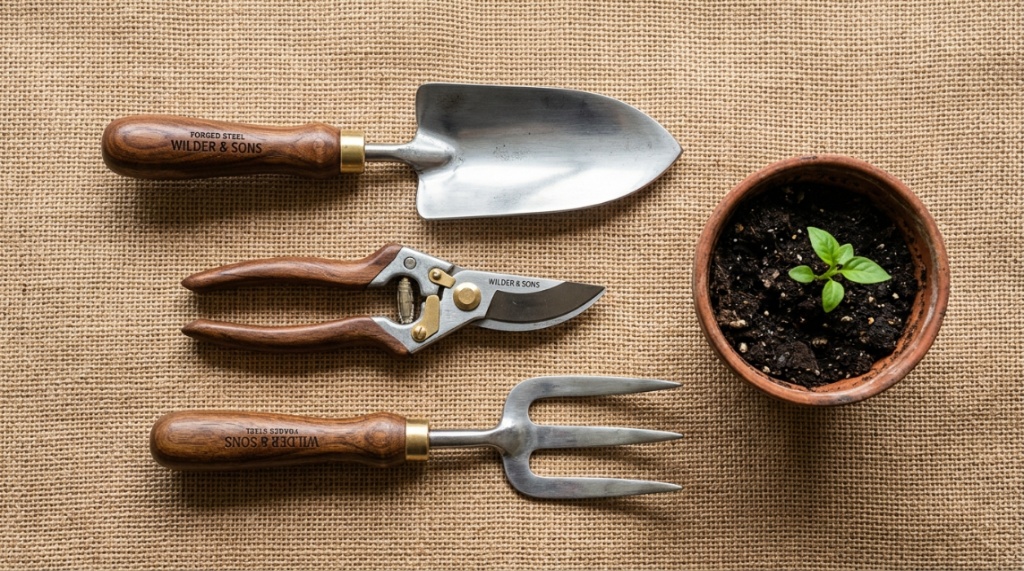
Bypass pruners are the fastest for live stems because they make a clean cut that heals quickly. Anvil pruners crush stems, which can slow plant recovery and require you to recut. For speed, choose bypass pruners with a rotating handle that reduces hand strain by up to 30%.
Bypass vs. Anvil: The Speed Test
In a head-to-head test, bypass pruners cut through a half-inch stem in one smooth motion. Anvil pruners require double the pressure and leave a ragged edge. The ragged edge invites disease, making you spend more time later treating sick plants. Bypass pruners are the clear winner for time efficiency.
Why Blade Length Determines Cutting Speed
Longer blades (around 2.5 inches) allow you to cut multiple smaller stems in one snip, like trimming a cluster of spent flowers. Shorter blades are better for precise cuts deep inside a plant. For general pruning, a longer blade means fewer snips per branch.
When Ratchet Pruners Are a Time-Saver
If you have arthritis or weak hands, ratchet pruners are a game-changer. They cut in stages, allowing you to use less force per squeeze. While the cutting motion takes slightly longer per cut, you can work for much longer without fatigue, ultimately saving time on large jobs.
How Does a Weeding Tool Save Hours of Labor?
A long-handled weeder with a forked tip removes the entire root in one pull. Without it, you snap the top off, and the weed grows back in a week. A good weeder eliminates regrowth, saving you from re-weeding the same spot. This is the single biggest time saver in garden maintenance.
The Fishtail Weeder vs. The Dandelion Digger
A fishtail weeder is great for shallow, spreading roots. A dandelion digger (with a V-notch) is designed to pry deep taproots out whole. Using the wrong weeder for the job leads to broken roots and repeat weeding. Learn which weed type is most common in your garden and buy the specific tool.
Standing vs. Kneeling Weeders
Standing weeders with long handles save your back and knees. You can clear a whole bed without bending over. Kneeling weeders are more precise for tight spaces but are slower for large areas. If time is your priority, a standing weeder will make you three times faster.
What is the Best Way to Clean Tools to Maintain Their Speed?
Clean tools stay sharp and move through soil faster. Dirty sap attracts moisture that causes rust and dulls edges. The fastest method is to rinse tools with a hose, scrubbing off soil with a stiff brush, then dry them immediately. This takes 30 seconds after each use and prevents costly downtime.
How to Prevent Rust from Slowing You Down
Rust creates friction, making it harder to push a trowel into the ground. To prevent rust, dry tools completely before storing. Apply a light coat of mineral oil on metal parts once a month. Do not use vegetable oil, as it becomes sticky and attracts dirt, slowing you down.
Sharpening Your Pruners for Instant Cuts
A dull blade requires more force and crushes stems. Sharpen your pruners every few weeks during heavy use. Use a diamond file at a 20-degree angle. A sharp blade cuts through a stem with zero resistance, saving your hand strength and your time.
Can You Store Hand Tools for Quick Access?
Proper storage saves the time it takes to locate a lost tool or untangle a messy shed. Hang your tools on a pegboard or magnetic strip. Keep the most-used tools at eye level. A 5-second retrieval time versus a 2-minute search adds up quickly over a season.
The One-Minute Tool Cleanup Routine
Keep a bucket of sand mixed with mineral oil near your garden entrance. After using a tool, plunge it into the sand a few times. The sand cleans the blade and the oil protects it. This routine takes less than one minute and keeps tools ready for immediate use.
Why Portability Matters for Saving Time
If your garden is large, you waste time walking back and forth to the shed. Use a tool belt or a sturdy tote with pockets. Carry your trowel, pruners, and weeder with you. This eliminates trips and keeps your workflow continuous. A dedicated tote can save you 10 minutes per gardening session.
How to Test a Tool for Comfort Before Buying?
The fastest tool is the one you don’t have to put down because your hand hurts. Test the grip by holding the tool for 30 seconds. If your fingers start to ache, the tool is wrong for your hand size. Look for adjustable handles or ergonomic padding.
The “One Hand” Test for Efficiency
Can you perform the tool’s primary task with one hand? A trowel should dig a hole with one scoop. Pruners should cut with one squeeze. If you need two hands or have to reposition your grip, the tool is inefficient. The best tools feel like an extension of your arm.
Checking for Balance and Weight Distribution
Hold the tool at a 45-degree angle. Does it feel nose-heavy? A well-balanced tool requires zero effort to keep it in position. Poor balance forces your muscles to work continuously, leading to fatigue. A balanced tool keeps you working faster for longer.
Choosing tools with ergonomic handles doesn’t just make your backyard chores faster—it also protects your body from unnecessary strain. Using the right gear minimizes joint fatigue, allowing you to easily enjoy the 6 Secret Health Benefits of Home Gardening while keeping your hands pain-free during long planting sessions.
Frequently Asked Questions
What is the most versatile gardening hand tool?
A Japanese hori-hori knife is the most versatile. It can dig, cut roots, weed, and measure depth. It replaces a trowel, weeder, and small pruning saw in one tool, making it a top time-saver for small garden tasks.
How often should I replace my gardening hand tools?
Quality tools last 10–20 years with proper care. Replace a trowel when the blade bends or cracks. Replace pruners when the blade no longer sharpens or the spring breaks. Cheap tools may need replacing every season, costing you time and money.
Are expensive garden tools worth the time investment?
Yes, for frequently used tools like pruners and trowels. A $50 pair of pruners cuts cleaner and lasts longer than a $10 pair. The time saved on sharpening, cleaning, and re-cutting stems justifies the higher cost within a single season of heavy use.
What is the best size for a hand trowel?
A blade length of 4 to 5 inches with a total tool length of 12 to 14 inches is best for most adults. This size balances digging power with maneuverability. Smaller trowels are too slow for large holes, while larger ones are clumsy in containers.
Can I use kitchen knives instead of garden tools?
You can, but it is not time-efficient. Kitchen knives are not designed for soil and roots. They dull quickly, rust easily, and their handles lack the grip needed for hard digging. A dedicated garden tool will outperform a knife in every gardening task.
How do I know if my pruning shears are sharp enough?
Try cutting a piece of paper. If the shears cut cleanly without tearing, they are sharp. If they crush the paper or require extra force, they are dull. Dull shears will triple the time it takes to prune a bush.
Should I buy tools with cushioned grips?
Yes, if you have arthritis or garden for extended periods. Cushioned grips reduce impact shock and prevent blisters. However, they can become sticky over time. Look for grips made from thermoplastic rubber (TPR), which lasts longer and stays comfortable.
Conclusion
Choosing the right gardening hand tools is not about buying the most expensive set. It is about selecting tools with the correct materials, ergonomic design, and specific blade types for your tasks. A sharp trowel, a precise weeder, and comfortable pruners cut your work time in half. Remember to test the weight in your hand, check for a solid grip, and clean your tools after every use. These small habits prevent the frustration of broken equipment and the fatigue of poor designs. Step into your garden tomorrow with confidence. Invest in tools that work as hard as you do, and you will reclaim your weekends.