
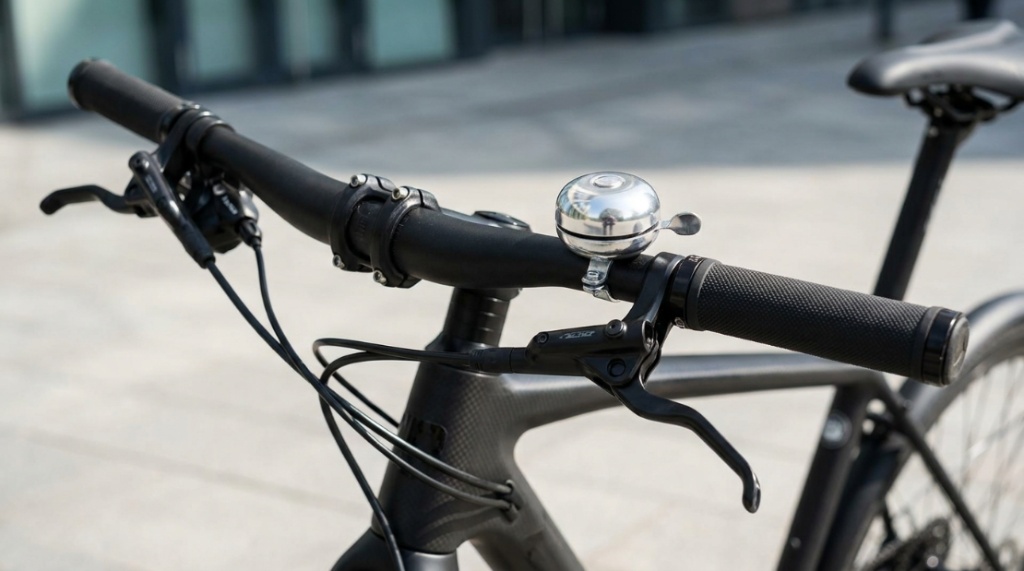
You’re coasting down a multi-use path, approaching a group of pedestrians from behind. You call out, but the wind carries your voice away. You squeeze the lever on your handlebar, and instead of a crisp, authoritative ring, you get a dull, tinny rattle that barely registers. It’s a frustrating and potentially dangerous situation. The solution might be upgrading the small but critical piece of hardware on your bars. The question is whether an aluminum bicycle bell offers a genuine upgrade over the standard steel or plastic models that ship on most bikes. This guide breaks down the real differences in sound, durability, weight, and maintenance so you can choose the right bell for your riding style.
Key Takeaways
- Aluminum bells typically produce a louder, clearer, and more resonant tone than standard steel or plastic bells because the metal’s density allows for superior vibration and harmonic richness.
- Aluminum is highly corrosion-resistant, making it a better choice for wet climates and coastal commuters who deal with rain, salt spray, and road grime.
- Weight differences are minimal for most riders (often under 20 grams), so the decision should hinge more on sound quality and longevity.
- Alloy bells are mechanically easier to service, as they are less prone to rust-seized internal mechanisms, but they are more susceptible to denting if knocked over.
What Defines a “Standard” Bicycle Bell?
When we talk about a standard bell, we are usually referring to the classic “ping” style bell that has been a fixture on bicycles for decades. These are typically constructed from stamped steel with a chrome or painted finish. You’ll also find many lower-end models made with a significant amount of plastic in the housing and the striking mechanism. The internal mechanism usually relies on a spring-loaded hammer that strikes the outer dome when a thumb lever or twist mechanism is activated.
These bells are cheap to produce, which is why they come stock on most commuter and children’s bikes sold in brick-and-mortar stores. However, the metal used in these bells is often thin. While they work fine for basic signaling, they lack the acoustic projection needed to be heard over modern traffic noise or by pedestrians wearing headphones.
The Role of Material in Sound Quality
Sound creation in a bell is a physics equation involving mass, density, and vibration. Steel is dense, but standard bells often use very thin gauges of metal to save cost. This results in a higher-pitched, shorter-lived “ting” that dissipates quickly. Plastic bells are even worse; plastic dampens vibration, resulting in a dull “thunk” that does not travel far. Aluminum, conversely, offers a high strength-to-weight ratio and excellent acoustic properties. It allows for a bell dome that can vibrate freely for longer, creating a ring that sustains and carries further down the path.
Sound Output: The Primary Advantage of Aluminum
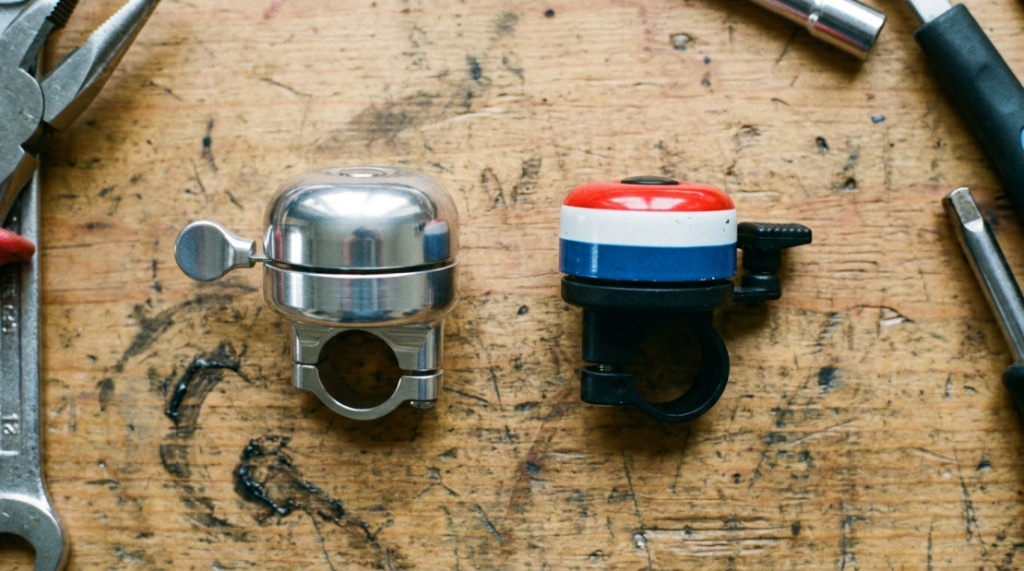
The most immediate reason cyclists switch to an aluminum bicycle bell is the audible improvement. This is not just about volume; it is about frequency and sustain. Aluminum bells generally produce a lower “ding” as opposed to a higher “ting.” This lower frequency is less likely to be masked by wind noise and ambient city sounds, cutting through the clutter to reach the ears of the person you are passing.
- Decay Rate: Aluminum tends to ring longer. A standard steel bell stops sounding the instant the hammer bounces off. Aluminum has a slower decay, meaning the note lingers just a fraction of a second longer, grabbing attention.
- Harmonics: Because aluminum is a softer metal than hardened steel, it produces a fuller sound with more overtones. It doesn’t sound “cheap.”
- Directionality: The acoustic properties of aluminum allow the sound to project outward rather than upward, aiming the signal at pedestrians and vehicles ahead of you.
If you are a road cyclist, the louder ring of an alloy bell is more likely to alert a driver in a parked car who is about to open their door, a common hazard known as “dooring.” The sound simply commands more attention than the faint rattle of a stock bell.
Durability and Corrosion Resistance
If you ride in dry conditions only, any bell will last a long time. But bicycles are frequently exposed to the elements—rain, humidity, and road salts. This is where the chemical properties of aluminum shine. Unlike steel, aluminum does not rust (iron oxide). When exposed to air, it creates a microscopic layer of aluminum oxide which actually protects the metal underneath from further degradation.
How Does This Affect the Mechanism?
The most common failure point for a bike bell isn’t the dome; it’s the internal spring and pivot pin. On a standard steel bell, moisture penetrates the base and causes the steel spring to corrode. The corrosion creates friction, making the thumb lever sticky or completely immobile. An aluminum bell, especially one with a sealed or weather-resistant base, is far less likely to suffer this fate because the housing itself won’t deteriorate and allow water ingress as easily. For commuters who leave their bikes outside in the rain, an aluminum casing is a significant reliability upgrade.
Weight Comparison and Mounting Options
Weight is often a concern for performance cyclists. Let’s look at the numbers. A standard steel bell weighs roughly 40 to 60 grams. A high-quality aluminum bell weighs in between 20 and 35 grams. While this is a saving of nearly half an ounce, spinning weight on the handlebar is almost identical to static weight. You will not feel the difference in a sprint or on a climb.
However, where weight does matter is in the overall handling feel of the front end. Removing weight from the handlebars can improve the “snappiness” of steering on technical descents. It reduces the moment of inertia slightly, making the bars feel less sluggish. While this is a marginal gain, for gram-counters, switching to aluminum is a free and easy way to shave weight without sacrificing function.
Quick-Release vs. Bolt-On Mechanisms
Aluminum bells often come with better mounting hardware. Because the bell is lighter, manufacturers can use a rubberized O-ring spacer and a simple quarter-turn lock, creating a quick-release mechanism that does not damage your carbon or aluminum bars. Standard steel bells often require a screwdriver and can slip if you do not tighten them enough. A lighter bell is also less likely to vibrate loose on rough terrain, reducing the annoying “rattle” that happens when a cheap bell shakes against the bar, For more gear insights for your rides, read our guide on how to choose bike bags for commuting and touring.
Are There Downsides to Aluminum Bells?
No material is perfect. To give you a balanced view, it is important to consider where aluminum falls short.
- Denting: Aluminum is softer than steel. If you drop the bike or lean it against a concrete post, the dome of the bell can dent. A dented bell will have a “dead” spot and produce a dull sound until it is pried back out.
- Cost: You will pay a premium for aluminum. While a standard steel bell might cost $5–$8, a quality alloy version might set you back $15–$25. However, considering the lifespan difference, the cost-per-year is often lower for the aluminum unit.
- Cold Weather: Aluminum is an excellent conductor of heat and cold. In freezing temperatures, the metal dome will become very cold. If you have thick gloves on, this isn’t a problem, but if you wear fingerless gloves, brushing the bell might be uncomfortable.
How to Choose the Right Bell for Your Bike?
Choosing the right bell depends on your specific riding environment. A utilitarian approach works best here.
If you are a trail rider or a mountain biker who needs to warn hikers and horses on mixed-use trails, the carrying power of an aluminum bell is near essential. Horses are particularly sensitive to high-pitched noises; the deeper tone of an alloy bell is less likely to spook them while still alerting the rider.
If you are a city commuter in a dense urban environment, look for a bell that is loud and has a mechanism that is easy to hit rapidly. Some aluminum models are rotary (twist) style, which are great for consistency but slower to engage in emergencies. A thumb-lever style on an aluminum dome offers the fastest reaction time.
Installation Tips for Bar Space
Modern handlebars are crowded with computers, lights, and shifters. Bells require a clean section of 22.2mm diameter bar (standard). When installing your new bell, position it where your thumb rests naturally when you are gripping the hoods or grips. If you have to move your hand to reach it, you won’t use it. Use a tiny amount of carbon assembly paste or grease on the clamp to prevent slippage without overtightening and crushing the bar.
Maintenance: Keeping the Ring Clear
Maintaining an aluminum bell is arguably easier than a steel one. Because the body doesn’t rust, you don’t have to worry about cosmetic pitting that eventually grinds against the striker.
To maintain the pure tone of your bell, keep the dome clean of dirt and oils from your gloves. A simple wipe with a damp cloth is usually sufficient. If the mechanism starts to feel gritty, do not use WD-40, as it will attract dust and gum up the springs.
Pro tip: Use a dry lubricant specifically designed for bicycle chains (like a wax-based lube) on the internal pivot points. This will keep the striker moving freely and maintain the crisp attack of the bell without attracting road grit. This is a maintenance step that standard steel bells often need to be stripped down for, whereas the alloy casing often allows you to drip the lube directly between the dome and the base.
Environmental Impact and Longevity
From a “buy it for life” perspective, aluminum is a more sustainable choice. A bell that does not rust is a bell that does not end up in a landfill after one wet season. Furthermore, aluminum is infinitely recyclable. Should the bell eventually fail, the material retains its value in the recycling stream, unlike cheap plastic and steel composites that are difficult to separate.
Furthermore, the increased “prestige” of a metal bell means you are more likely to treat it as a permanent part of your bike setup rather than a disposable accessory. This psychological shift often leads to better care and longer usage.
Frequently Asked Questions
Do aluminum bells work in the rain?
Yes. Aluminum does not rust, so the acoustic chamber remains intact even when wet. In fact, the sound might be slightly sharper in humid conditions. This makes them highly reliable in downpours where plastic bells tend to mute.
Will an aluminum bell fit on aero handlebars?
Most aluminum bells, like standard bells, are designed for round 22.2mm bars. If you have aero or flat-top handlebars, you will need a specialized adapter to mount the bell, or you may need to choose a mount that attaches to the stem or the fork leg instead.
Are there quieter bells for stealth riding?
If you are a cyclist who prefers a quieter “ping” to not disturb the peace of a nature trail, wood or plastic bells excel. However, you can modify an aluminum bell by adding a small piece of electrical tape to the striker. This deadens the sound, effectively turning your loud bell into a soft courtesy signal.
How long does an aluminum bicycle bell last?
With basic care, an aluminum bell can last over a decade. The primary reason for banishment is usually loss of the mounting bolt or a dent causing acoustic deadening, rather than corrosion.
Conclusion
So, is an aluminum bicycle bell better than a standard bell? For the vast majority of riders, the answer is a resounding yes. The shift from 50-cent steel to machined aluminum isn’t just about aesthetics. It is about a functional upgrade in safety and reliability. You get a louder, more pleasing sound that actually alerts others to your presence, and you get a housing that is immune to the rust that kills standard bells during wet commutes. While you pay a little more upfront and need to be careful about dents, the benefits in acoustic performance and lifespan make aluminum the smarter investment. Upgrade your bell to aluminum, and ensure that when the moment comes, you are heard, loud and clear.