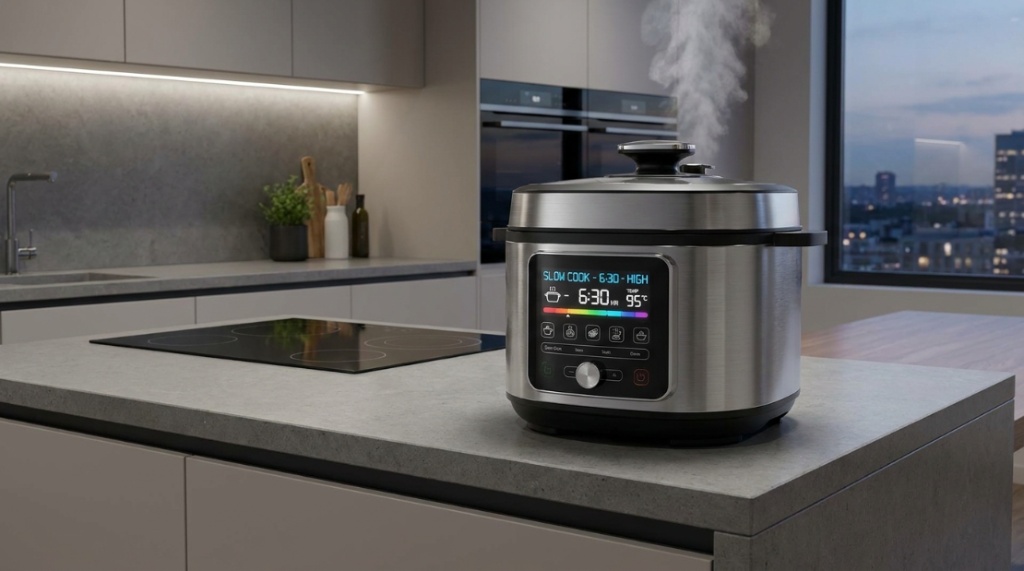
You’ve probably noticed that multicookers are everywhere these days. They promise to replace a dozen countertop gadgets, save counter space, and simplify weeknight dinners. But when you start comparing models, you quickly run into a big decision: nonstick aluminum pot or stainless steel insert? Many budget-friendly options use nonstick coatings, but an increasing number of home cooks are seeking out a stainless steel multicooker. This choice isn’t just about aesthetics—it impacts everything from browning quality to durability and cleaning. Whether you’re looking to replace an aging slow cooker or upgrade your current instant pot, understanding the differences is essential. This guide walks you through exactly why a stainless steel model is often the better long-term investment and what to look for before you buy.
Key Takeaways
- Stainless steel inserts are significantly more durable and resistant to scratches and warping than standard nonstick coatings.
- Cooking with stainless steel provides superior browning, which builds deeper flavor in dishes like stews and roasts compared to nonstick surfaces.
- Stainless steel will not leach chemicals or release toxic fumes at high temperatures, offering peace of mind especially when cooking for kids.
- While stainless steel is dishwasher-safe, hand washing is recommended to prevent stubborn water spots and maintain a clean appearance.
- A stainless steel multicooker requires proper preheating and enough oil to prevent sticking, a small adjustment for most home cooks.
The Core Advantage: Why Stainless Steel Beats Nonstick for Cooking Performance
The number one reason buyers regret purchasing a bargain multicooker is the insert. Most low-cost, entry-level models feature an aluminum pot with a nonstick coating. While this makes eggs and delicate fish easier to release, it creates a ceiling on cooking quality. A stainless steel multicooker delivers superior heat performance right out of the box.
Maillard Reaction: The Secret to Richer Flavor
Nonstick surfaces are notorious for preventing browning. Heat transfers through the aluminum core and gets diffused by the coating, often steaming food instead of searing it. Stainless steel, however, is not nonstick. It is reactive to heat, allowing the pot to reach a high surface temperature that triggers the Maillard reaction. This is a chemical process that browns sugars and amino acids on the surface of meat and vegetables. That brown crust is pure flavor. Cooking a pot roast in a stainless steel insert results in a deep, savory caramelization that a nonstick pot simply cannot replicate. If you often find your multicooker meals tasting bland or “boiled,” the insert material is likely the culprit.
Deglazing for Sauce Perfection
Because food does stick slightly to stainless steel, it creates “fond”—the browned bits left on the bottom of the pan after searing. In standard stovetop cooking, you deglaze this fond with wine or broth to create a rich pan sauce. Inside a pressure cooker, you do the same thing. By sautéing directly in the stainless steel insert and then adding liquid, those flavor-packed browned bits dissolve into the broth. With a nonstick pot, you usually have very little fond to work with, resulting in a thinner, less complex sauce.
Health and Safety: Avoiding Chemical Coatings
Many consumers are moving away from nonstick cookware due to concerns about PFAS (per- and polyfluoroalkyl substances) and other chemicals used in coatings. While modern nonstick is generally considered safe when not overheated, accidents happen. A stainless steel multicooker eliminates those concerns entirely. It is a completely inert material with a food-grade surface. There are no coatings to scratch, chip, or flake off into your family’s food. It is non-toxic and does not react with acidic ingredients like tomatoes or vinegar, preserving both the flavor of the food and the integrity of the pot.
Is Stainless Steel Safe for High Temperatures?
Yes. Unlike nonstick pans that warn against high heat (which can degrade the coating and release fumes), stainless steel can withstand the high temperatures required for searing and sautéing in a multicooker. This is a critical safety feature. If you accidentally run the sauté function on high for too long, you won’t have to worry about toxic off-gassing.
Durability and Maintenance: The Cost-Per-Use Reality
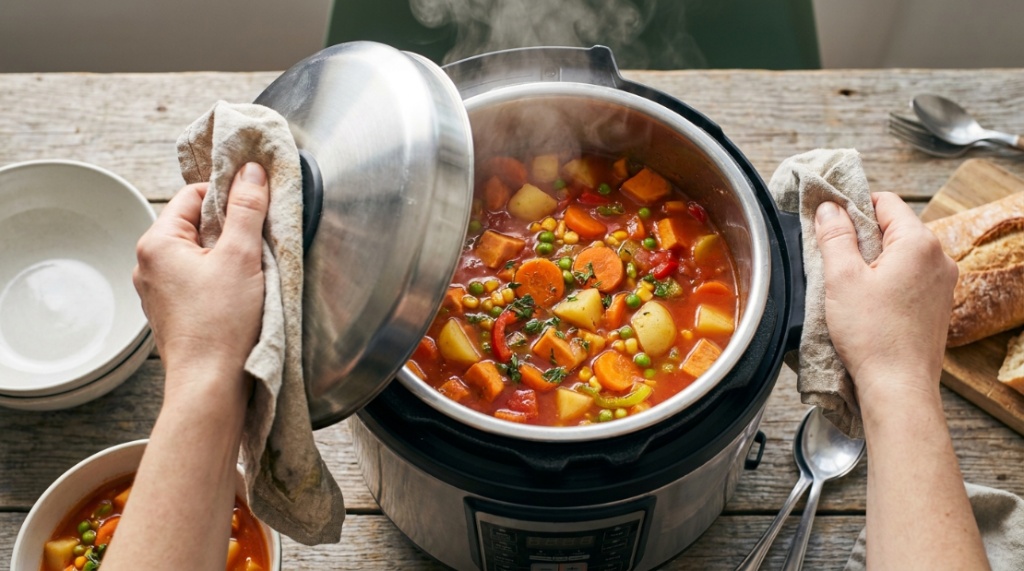
Let’s address the elephant in the room: cost. A multicooker with a stainless steel inner pot is often priced higher than its nonstick counterpart. However, looking at the long-term value changes the conversation.
Scratches, Warping, and Wear
Nonstick coatings are delicate. Metal utensils, abrasive scrub pads, and even certain foods can scratch the surface. Once scratched, the nonstick property is ruined, and food begins to stick to the exposed patches. You then have to replace the entire unit because you can’t just swap out the insert for a new one if it’s the specific grade sold by the manufacturer (which often costs 20-30% of the retail price of the machine). Stainless steel is rugged. You can use metal tongs without fear of gouging the surface. It holds up to heavy scrubbing and is incredibly difficult to warp under the pressure cooker’s high-heat structure.
The “Stainless Steel” Catch: Cleaning and Care
The most common complaint about these units is that food sticks, leading to a difficult clean-up. This is not a defect; it is the nature of stainless steel. To minimize sticking, you must always add oil or fat before sautéing and let the pot preheat properly.
For cleaning, never use a steel wool pad unless you are prepared to leave scratches (even though they are harmless). For most messes, soaking the pot with warm, soapy water loosens food debris. For tougher, burned-on residue, use a specialized stainless-steel cleaner like Bar Keepers Friend or make a paste of baking soda and water to gently scrub away the discoloration without damaging the surface. Upgrade your culinary setup with more smart gear by exploring our guide on top affordable mini kitchen appliances.
The Visual Appeal: Kitchen Readiness and Serving
While functionality is the most important factor, aesthetics play a role in daily use. A stainless steel bowl maintains its professional look indefinitely. Nonstick pots often start to look dingy and yellowed over time, especially if they go in the dishwasher. Stainless steel keeps its silver sheen. This allows you to bring the pot directly from the multicooker outer base to the dining table for serving, fitting in with modern kitchen decor far better than a scratched black pot.
Comparing Your Options: Steel vs. Nonstick in Practice
To help simplify your buying decision, here is a clear comparison of what you should expect from each type of insert:
| Feature | Stainless Steel Insert | Nonstick (Coated) Insert |
|---|---|---|
| Browning/Searing | Excellent; provides deep Maillard browning. | Poor to fair; food often steams or boils. |
| Sticking | Food will stick if oil or heat is not managed. | Very low; eggs and fish slide right out. |
| Durability | Highly scratch-resistant; lasts for years. | Prone to scratches and peeling over time. |
| Health Concerns | Inert; no chemical coatings; safe at high temps. | Risk of coating degradation in the high-heat sauté mode. |
| Cleaning | Easier if soaked; may require light scrubbing. | Wipes clean easily but cannot be scrubbed with abrasives. |
| Weight | Heavier; holds heat better. | Lightweight; cools down quickly. |
Financial Perspective: Calculating the Long-Term Value
Let’s talk about the real cost. If a nonstick multicooker costs $80 and you have to replace it in two years due to a worn-out coating, that’s a $40 yearly operational cost. A stainless steel model might cost $150 upfront, but if it lasts seven years without the insert degrading, you are paying roughly $21 per year. The gap in quality of food means you are also less likely to eat out because your home-cooked meals will taste better. For most households, the higher upfront price of a stainless model is hands down the more economical route in the long run.
Advanced Sautéing Tips for Your Stainless Steel Pot
If you are switching from a nonstick cooker, you’ll need to tweak your technique slightly. Follow this simple test to prevent food from sticking while searing:
- Heat the pan: Press the “Sauté” button and add your oil.
- Test the temperature: Hold your palm a few inches above the oil. When it shimmers, drizzle a drop of water into the pot. If it sizzles and dances across the surface, your pan is hot enough to sear.
- Dry the food: Pat your meat dry with a paper towel before placing it in the pot. If the meat is wet, it will steam and stick.
- Wait to flip: Let the meat sit untouched for 3–4 minutes. It will naturally release from the pan once a crust has formed.
Frequently Asked Questions
Is it safe to put a metal fork in my stainless steel multicooker?
Yes. The primary benefit of stainless steel over nonstick is that it is metal-safe. Using a metal fork, slotted spatula, or whisk will not damage the pot, though it may leave faint, cosmetic marks if you scrape aggressively. These marks are harmless and do not affect cooking performance.
Can I cook acidic foods like tomato sauce in a stainless steel pot?
Absolutely. Stainless steel is non-reactive. Unlike aluminum, it will not leach trace amounts of metal into your food, nor will it discolor when exposed to high acid levels like lemon juice or tomatoes. This makes it perfect for chili, marinara, and pot roasts.
Why does my stainless steel insert have dark spots after cooking?
Those spots are usually just a buildup of residual oils and starches, and they are easy to remove. Cover the bottom of the cold pot with a small amount of white vinegar, then sprinkle with baking soda. Let it sit for ten minutes, then scrub with a non-abrasive sponge. Avoid heating the pot with vinegar alone, as the fumes can be irritating.
Do I have to season a stainless steel multicooker first?
No, you do not season stainless steel like you would cast iron. Instead, you learn to manage heat and oil. Before your first use, you can simply wash with soapy water to remove manufacturing oils. To build a slight nonstick effect, heat the pot on sauté and add an oil with a high smoke point, like avocado oil.
Does a stainless steel insert take longer to heat up?
It can take slightly more time to reach pressure heat compared to a lightweight aluminum pot due to its density. However, this is a trade-off for better heat retention. Once hot, the steel holds its heat steadily, resulting in a better sear and a more stable pressure cooking environment.
Conclusion
Choosing the right multicooker is about more than just the latest brand name; it is about the material that touches your food. While nonstick inserts suit someone who only cooks simple, low-fat foods like steamed fish or scrambled eggs, they fall short in flavor and durability. Selecting a stainless steel multicooker offers a superior cooking experience, eliminates safety concerns regarding chemical coatings, and proves to be the more financially sound choice over time. Look for models that offer immediate sauté control and a heavy-gauge 304 grade steel insert to ensure even heating. By adjusting your technique slightly—preheating well and using oil—you will unlock a level of culinary versatility that other multicookers simply cannot provide. When you are ready to upgrade, prioritize clarity in the product specs: if the listing doesn’t specifically say “stainless steel,” it is almost certainly a coated aluminum pot.