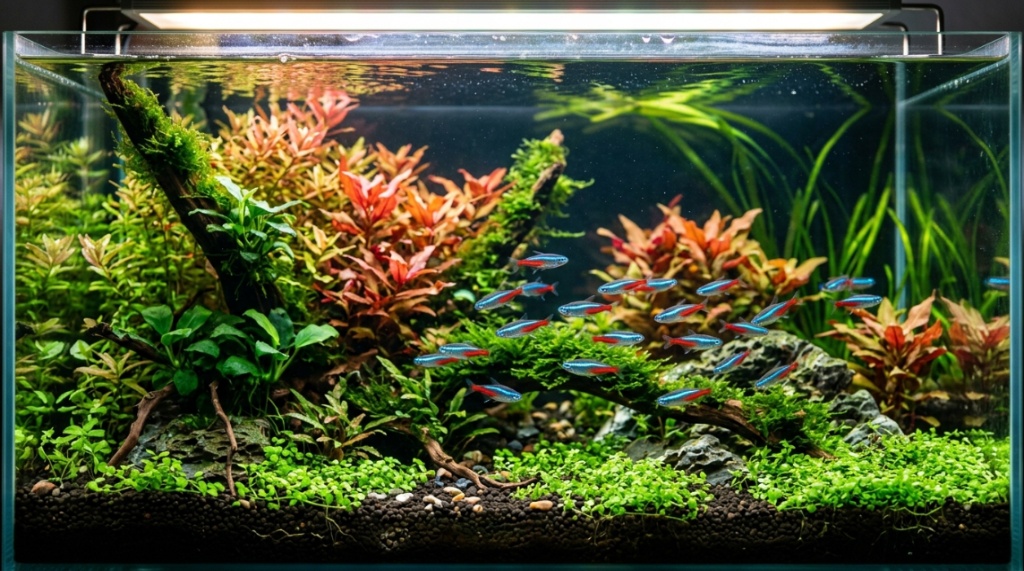
A budget-friendly aquarium fertilizer balances cost per dose with essential nutrient delivery. Cheap options often lack macronutrients like nitrogen, phosphorus, and potassium, while expensive brands include trace elements you may not need. The best budget fertilizers for aquarium plants provide a complete NPK ratio plus micronutrients without exceeding your monthly plant care budget.
Understanding NPK Ratios for Budget Shoppers
Nitrogen (N) drives leaf growth, phosphorus (P) supports root development, and potassium (K) strengthens stems. Budget fertilizers often skimp on potassium, which leads to yellowing leaves and weak stems. Look for products where K is at least equal to N and P combined. A ratio like 3-1-5 works well for most low-tech planted tanks.
Liquid vs. Root Tabs: Which Saves More Money?
Liquid fertilizers cost less upfront but require weekly dosing. Root tabs have higher initial costs but last 2-3 months. For stem plants and floaters, liquid fertilizers work best. For heavy root feeders like crypts and swords, budget root tabs made from clay and DIY Osmocote capsules provide long-term savings.
Reading Labels for Hidden Costs
Check for chelated iron (Fe-EDTA or Fe-DTPA) instead of cheap iron sulfates that oxidize quickly. Budget fertilizers with ethylenediaminetetraacetic acid (EDTA) chelates last longer in water. Avoid products listing “proprietary blend” without disclosure—you don’t know what you are paying for.
Why Do Cheap Fertilizers Often Fail Beginners?
Inexpensive fertilizers fail because they lack balanced nutrition or use unstable compounds. Beginners dose too little or too much, causing algae outbreaks or nutrient deficiencies. Understanding why these failures happen helps you choose products that actually work for accelerating plant growth.
Common Deficiencies in Discount Fertilizers
Many budget brands omit magnesium, calcium, and sulfur, assuming tap water provides them. If your water is soft, plants show stunted growth and pale new leaves. Cheap fertilizers also lack manganese and zinc, critical for chlorophyll production and enzyme function. These hidden deficiencies slow growth dramatically.
The Algae Trap in Low-Quality Products
When phosphorus and nitrogen are unbalanced, algae thrive while plants struggle. Budget fertilizers often overload phosphorus (P) because it is cheap to manufacture. Excess P feeds hair algae and cyanobacteria. Quality budget options maintain a balanced N:P ratio around 10:1 to promote plants over algae.
Stability and Storage Issues
Liquid fertilizers degrade over time, especially when exposed to heat or light. Cheap brands use unstable vitamin C or sodium benzoate as preservatives, which break down within weeks. Store your budget fertilizers in a cool, dark cabinet and check for crystallization or color changes before each dose.
Which Inexpensive Fertilizers Deliver the Fastest Results?
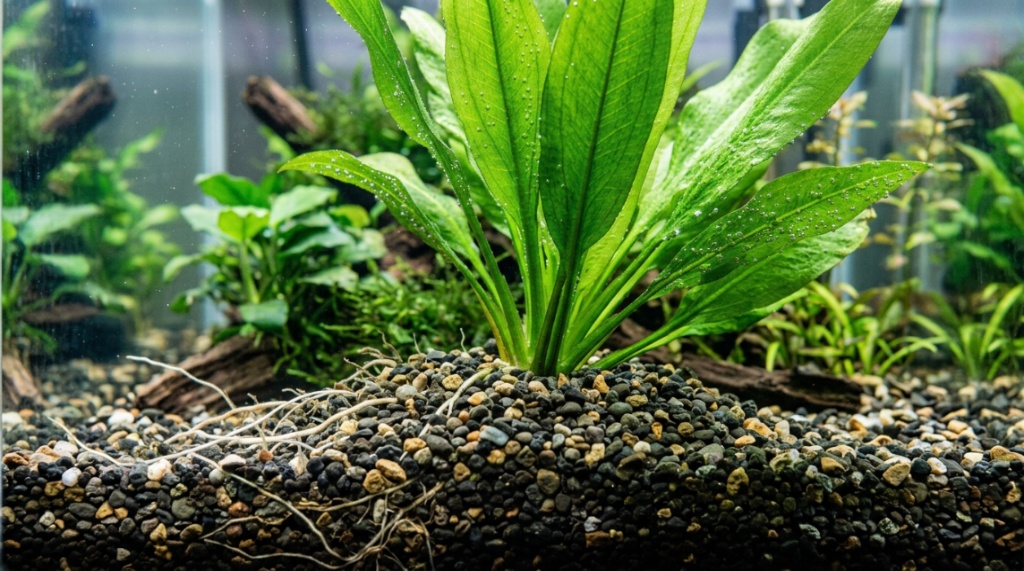
Three budget-friendly options consistently rank highest for accelerating growth: Seachem Flourish Comprehensive, NilocG ThriveC, and DIY dry salts. Seachem costs about $0.15 per dose, NilocG offers complete nutrition at $0.10 per dose, and dry salts reduce costs to $0.02 per dose when mixed at home.
Seachem Flourish Comprehensive Review
Flourish provides all essential micro and macronutrients except nitrogen and phosphorus. This makes it ideal for tanks with fish waste providing these elements. Dose 1 cap per 20 gallons weekly. Results show visible new growth within 5-7 days on fast-growing stem plants like Hygrophila and Rotala.
NilocG ThriveC: The Affordable All-in-One
NilocG ThriveC includes NPK plus micronutrients in one bottle. Designed for low-tech tanks without CO2 injection, it prevents deficiencies common in budget setups. Users report doubling of growth rates within two weeks when dosing 1 pump per 10 gallons twice weekly. Available online at $18 for 500ml.
DIY Dry Salt Fertilizers for Maximum Savings
Purchase potassium nitrate (KNO3), monopotassium phosphate (KH2PO4), and trace element mixes from garden supply stores or aquarium specialty shops. Mix with distilled water following standard EI dosing recipes. A $20 investment lasts over a year for a 20-gallon tank. Growth matches expensive commercial brands when properly dosed.
How to Dose Budget Fertilizers for Explosive Growth
Start with half the recommended dose for the first week, then increase gradually as plants respond. Monitor leaf color, stem length, and new shoot production. Adjust dosing frequency based on plant density and lighting intensity. Consistent dosing prevents deficiencies while avoiding excess nutrients that trigger algae.
Step-by-Step Dosing Schedule for Beginners
- Test your water baseline for nitrate, phosphate, and potassium levels
- Dose liquid fertilizer right after weekly water change when nutrients are lowest
- Apply root tabs 2 inches deep near heavy feeders every 8-10 weeks
- Increase dosing by 20% if growth slows after 3 weeks
- Reduce dosing immediately if green water or algae appears on glass
- Record doses in a logbook or smartphone app for consistency
Signs Your Plants Need More Fertilizer
Yellowing older leaves indicate nitrogen deficiency. Small holes in leaves suggest potassium shortage. Stunted growth with dark veins points to iron deficiency. Pale new leaves mean magnesium or manganese is low. When you see these signs, increase your budget fertilizer dose by 10% per week until symptoms resolve.
Water Change Timing for Maximum Absorption
Plants absorb nutrients most effectively during the first 4 hours after water changes when dissolved CO2 levels peak. Dose fertilizer immediately after adding fresh water. This synergy between water change and fertilization accelerates growth by up to 30% compared to dosing at other times.
Can You Use Garden Fertilizers for Aquarium Plants Safely?
Garden fertilizers are not safe for aquariums without careful selection. Most contain urea or ammonium nitrate, which release ammonia and kill fish. However, calcium nitrate and monoammonium phosphate can be used if they lack slow-release coatings. Always Google the exact product name plus “aquarium safe” before adding anything.
Safe Garden Fertilizers That Work in Tanks
Look for products listing only calcium nitrate (15-0-0) or potassium sulfate (0-0-50). Avoid any with sulfur-coated pellets, urea, or proprietary blends listing “other ingredients.” Osmocote Plus outdoor formula works when sealed in mesh bags and buried under substrate. Use 1-2 pellets per gallon buried 2 inches deep.
Risks of Using Untested Products
Garden fertilizers often contain heavy metals like copper and zinc at levels toxic to shrimp and snails. Trace elements not listed on labels accumulate over weeks, causing sudden livestock deaths. Stick to products specifically designed or widely tested by the aquarium community. A $5 mistake can cost hundreds in livestock replacement.
When Should You Upgrade from Budget to Premium Fertilizers?
Upgrade to premium fertilizers when your plants show persistent deficiencies despite correct dosing, or when you add high-light systems and CO2 injection. Budget fertilizers work well for low-tech tanks with moderate light and slow-growing plants. High-tech setups demand precise nutrient ratios that budget options rarely provide.
Signs Your Budget Fertilizer Isn’t Enough
Red stems turning green, leaves curling downward, or persistent algae despite clean water indicate nutrient imbalance. If your plants stop growing after 4-6 weeks of budget dosing, they have depleted specific micronutrients. Premium fertilizers offer concentrated alternatives that target these gaps.
Hybrid Approach: Combine Budget and Premium Products
Use budget fertilizers for macronutrients (NPK) and a premium trace element mix for micronutrients. This hybrid approach costs 40% less than full premium brands while providing balanced nutrition. Dose budget NPK twice weekly and premium traces once weekly. This combination often outperforms all-in-one budget options.
Which Common Plant Deficiencies Do Budget Fertilizers Prevent?
Budget fertilizers prevent nitrogen deficiency most effectively since it is the cheapest to include. They struggle to prevent potassium and iron deficiencies, which require more expensive compounds. Understanding what each type of budget fertilizer covers helps you supplement gaps strategically.
Nitrogen Management in Budget Dosing
Most budget fertilizers provide adequate nitrogen from nitrate sources. Signs of deficiency include slow growth and yellowing lower leaves. Budget options often work well here because fish waste supplements nitrogen naturally. In heavily planted tanks, you may need additional nitrate from potassium nitrate powder added at $5 per pound.
Potassium: The Budget Fertilizer Weak Point
Potassium is expensive and unstable in liquid form. Budget fertilizers typically contain only 2-3% potassium compared to premium products with 5-7%. Supplement with potassium sulfate powder ($8 per pound) added directly to your tank weekly. One teaspoon treats 50 gallons, preventing yellow leaf edges and stem weakness.
Iron and Micronutrient Gaps
Cheap iron compounds oxidize within hours, becoming unavailable to plants. Budget fertilizers often use ferrous sulfate which turns water cloudy and leaves orange deposits on plants. Look for products with DTPA iron or buy separate chelated iron drops for $10 that last 6 months. This single addition dramatically improves growth rates.
For Washington-based aquarists seeking reliable options, check out this resource on best budget fertilizers for aquarium plants that includes locally available products and shipping-friendly brands.
How to Create Your Own Budget Fertilizer Blend
Mixing your own fertilizer gives complete control over nutrients at the lowest possible cost. You need four dry salts: potassium nitrate, monopotassium phosphate, potassium sulfate, and a micronutrient mix. Total investment under $30 provides enough fertilizer for a 20-gallon tank for 18 months. Growth rates match or exceed commercial products.
Ingredients and Where to Buy Them
Purchase potassium nitrate and monopotassium phosphate from garden centers or online aquarium supply stores. Buy chelated trace element mix from Green Leaf Aquariums or NilocG for $12. Potassium sulfate is available at pool supply stores as “potassium chloride alternative.” Always buy food-grade or reagent-grade salts for purity,
Just like balancing soil nutrients is essential for land plants, managing water parameters is crucial if you are diving into aquatic ecosystems. If you want to try your hand at underwater gardening, check out our comprehensive guide on setting up a Reef Aquarium for Beginners to learn how to balance macro-nutrients in a marine environment.
Simple Mixing Formula for Beginners
- Mix 2 tablespoons potassium nitrate with 1 quart distilled water
- Add 1 teaspoon monopotassium phosphate to the same water
- Dissolve 1 tablespoon potassium sulfate separately then combine
- Add 1 teaspoon trace element mix last, stirring gently
- Store in dark glass bottle, label with date and ingredients
- Dose 1ml per 5 gallons twice weekly for medium-light tanks
Troubleshooting Your DIY Blend
If plants show leaf tip burn, reduce dose by 30%. White crust forming on water surface means too much potassium sulfate. Cloudy water after dosing indicates old or contaminated trace mix. Adjust individual components weekly based on plant response. Keep a journal noting growth changes to fine-tune your formula over 4-6 weeks.
Frequently Asked Questions
Can I use Miracle-Gro for my aquarium plants?
No, standard Miracle-Gro contains urea nitrogen and slow-release coatings that release ammonia into water, killing fish. Only use aquarium-specific fertilizers or pure dry salts like potassium nitrate and monopotassium phosphate purchased from reputable sources.
How often should I fertilize my aquarium plants on a budget?
Twice weekly is ideal for most budget liquid fertilizers. Root tabs need replacement every 8-10 weeks. Adjust frequency based on plant density—heavily planted tanks may need 3 times weekly, while sparsely planted tanks do well with once weekly dosing.
What is the cheapest fertilizer for low-light tanks?
DIY dry salts are cheapest at about $0.02 per dose. For ready-to-use products, NilocG ThriveC at $18 per bottle treats a 20-gallon tank for 6 months. Both work well with low-light setups and slow-growing species like java fern and anubias.
Do budget fertilizers cause algae blooms in planted tanks?
Yes, if overdosed or applied in tanks with insufficient plant mass. Always start with half the recommended dose and increase gradually. Maintain at least 50% plant coverage to absorb excess nutrients before algae can use them.
Can I mix different budget fertilizer brands together?
Yes, combining brands can balance their weaknesses. Use one brand for NPK and another for trace elements. Test water weekly to avoid overlapping nutrients. This hybrid approach often costs less than premium all-in-one products while providing more complete nutrition.
How long does it take to see results from budget fertilizers?
Visible new growth appears within 5-10 days for fast-growing stem plants. Root feeders show improvement in 2-3 weeks. Slow-growing plants like crypts may take 4-6 weeks. Consistency matters more than product price for achieving quick results.
Are liquid or tablet fertilizers more cost-effective for beginners?
Liquid fertilizers cost less upfront and allow precise dosing. Tablets work better for root feeders but cost more over time. Beginners should start with liquid fertilizers to learn dosing patterns, then add root tabs for specific heavy-feeding plants as experience grows.